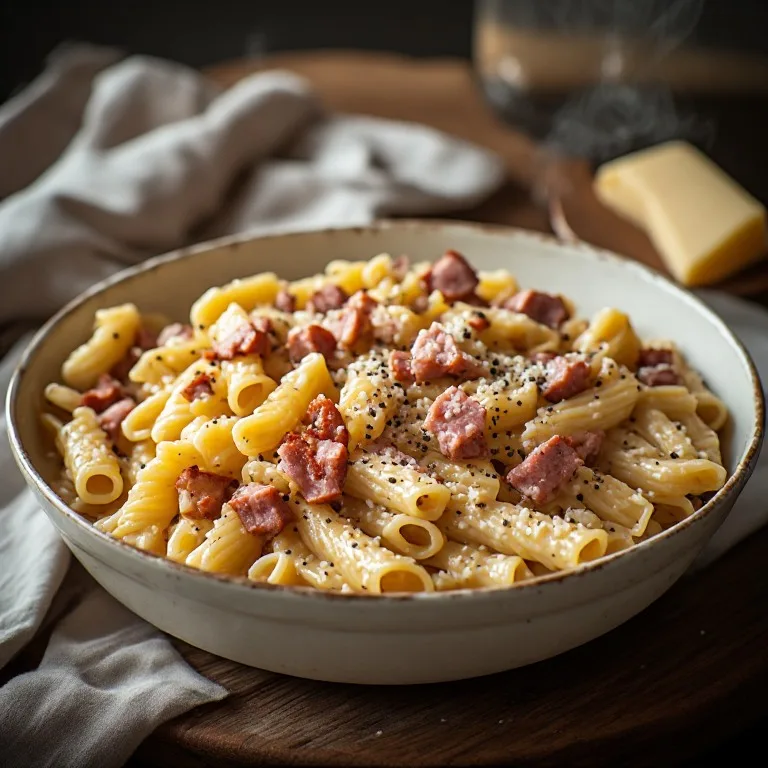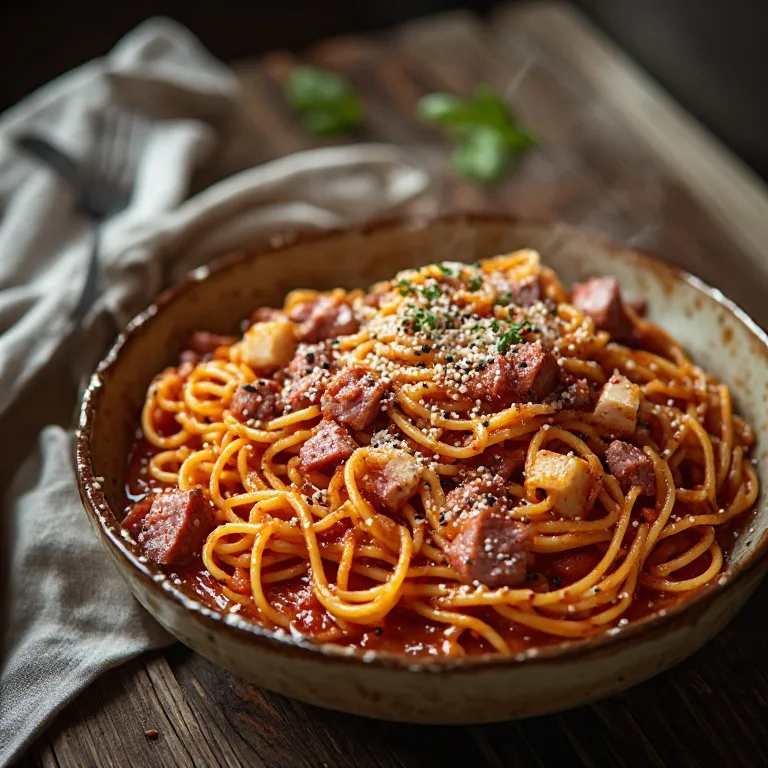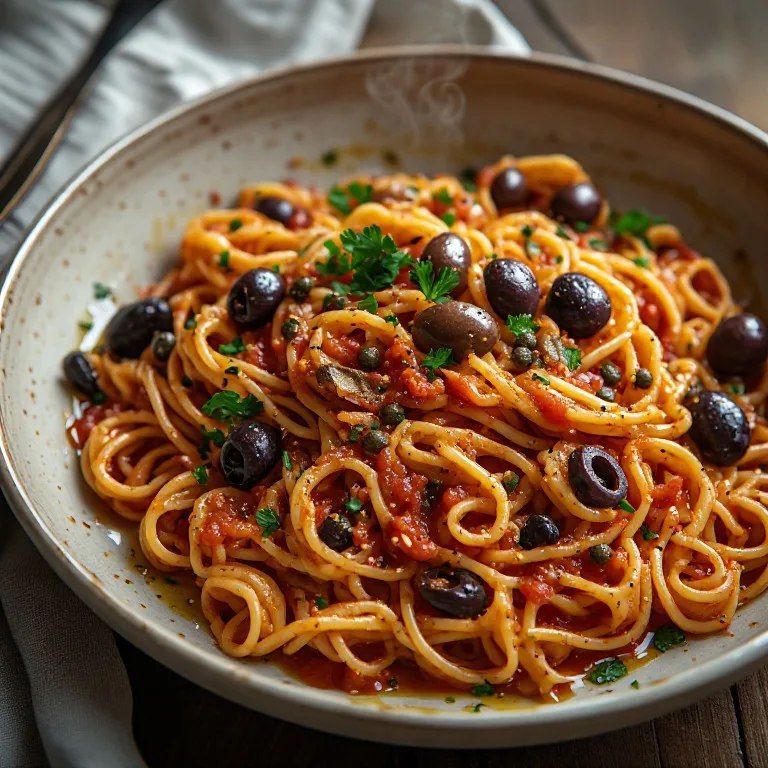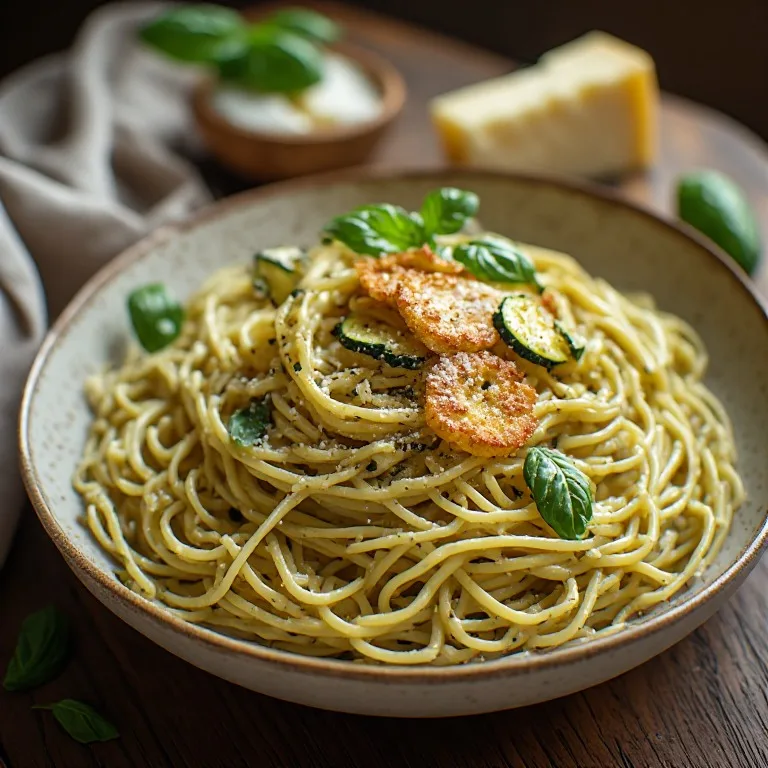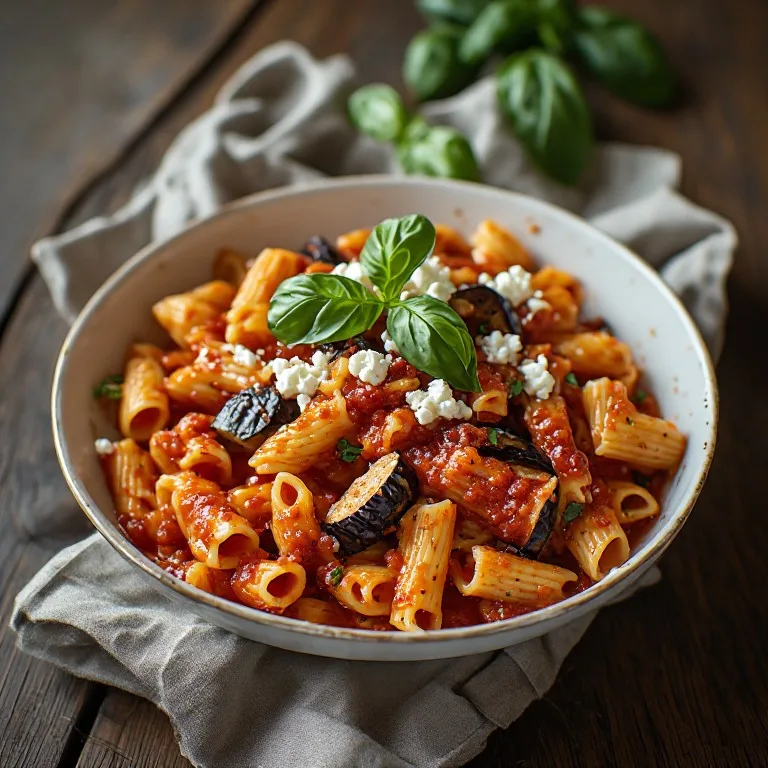



In Sicily, calling something “una Norma” is the highest compliment you can give — it means the thing is a masterpiece, as flawless as Vincenzo Bellini’s famous opera. That is what a Catanese playwright reportedly said when he tasted this fried eggplant pasta for the first time. The name stuck, the dish became one of Sicily’s most beloved exports, and now Pasta alla Norma shows up regularly on TikTok — not as a trend, but as one of those genuinely excellent recipes people keep rediscovering.
The dish is vegetarian, costs under $5 per serving, and takes 35 minutes. Here is exactly how to make it the right way.
The Two Things That Make or Break This Dish
Most versions of Pasta alla Norma that fall short get two things wrong.
First: they skip salting the eggplant. Raw eggplant is a sponge. It has air pockets throughout its flesh that will absorb oil immediately and aggressively. If you skip the 10-minute salt-and-rest step, the eggplant steams rather than frying, soaks up twice as much oil, and becomes soft and greasy instead of golden-edged and creamy-centered. The salt draws out moisture; the paper-towel pat removes it. That 10-minute step is the single most impactful thing you can do for the final texture.
Second: they use the wrong cheese. Pasta alla Norma is garnished with ricotta salata — not fresh ricotta, not mozzarella, not Parmesan. Ricotta salata is fresh ricotta that has been pressed, salted, and aged until firm and dry. It grates cleanly, tastes milky and lightly salty, and provides a sharp textural contrast to the silky eggplant and sauce. Fresh ricotta turns wet and flavorless the moment it touches hot pasta. If ricotta salata is unavailable, aged Pecorino Romano is the closest substitute. Never use fresh ricotta.
The Tomato Sauce (Quick and Bright)
This sauce is not a long simmer. You want it to taste like fresh tomatoes, not cooked-down Sunday gravy. San Marzano tomatoes (crushed by hand, not blended) give you the sweetness and low acidity the dish needs; 15 minutes of uncovered simmering is enough. The sauce finishes cooking when you toss it with the pasta, so pull it off heat while it still looks thin — it will thicken in the final toss.
Keep the sauce and the eggplant in separate pans until the very end. Combining them too early turns the eggplant soggy.
Frying the Eggplant Without Drowning It in Oil
Use a wide skillet — 12-inch minimum — and work in batches. Crowding the pan lowers the oil temperature, which means the eggplant absorbs more oil and steams instead of browning. The oil should be shimmering hot before any eggplant touches it.
Three minutes on the first side, two to three on the second. The eggplant is ready when it’s deep golden on the outside and yields easily when pressed with a spatula — you want creamy-soft inside, not raw and dense. Transfer to paper towels immediately.
The amount of oil the eggplant absorbs is expected and correct. That oil is how the finished dish gets its richness. Don’t try to fight it.
The Final Toss
This is where the dish comes together. Drain the pasta 2 minutes shy of al dente, add it directly to the tomato-eggplant mixture over medium-low heat, and toss for 90 seconds while adding pasta water a few tablespoons at a time. The pasta water starch emulsifies the sauce and makes it cling rather than pool at the bottom of the bowl. Stop adding water when the sauce looks glossy and coats every piece of pasta rather than sliding off.
Dish immediately. Grate ricotta salata generously over each bowl — this is not a light garnish, it is a core component of the dish. Tear fresh basil over the top. A drizzle of raw extra-virgin olive oil at the table adds freshness that cooked olive oil cannot.
Pasta alla Norma does not hold well. The eggplant softens quickly once mixed with hot sauce and pasta. Eat it right away.