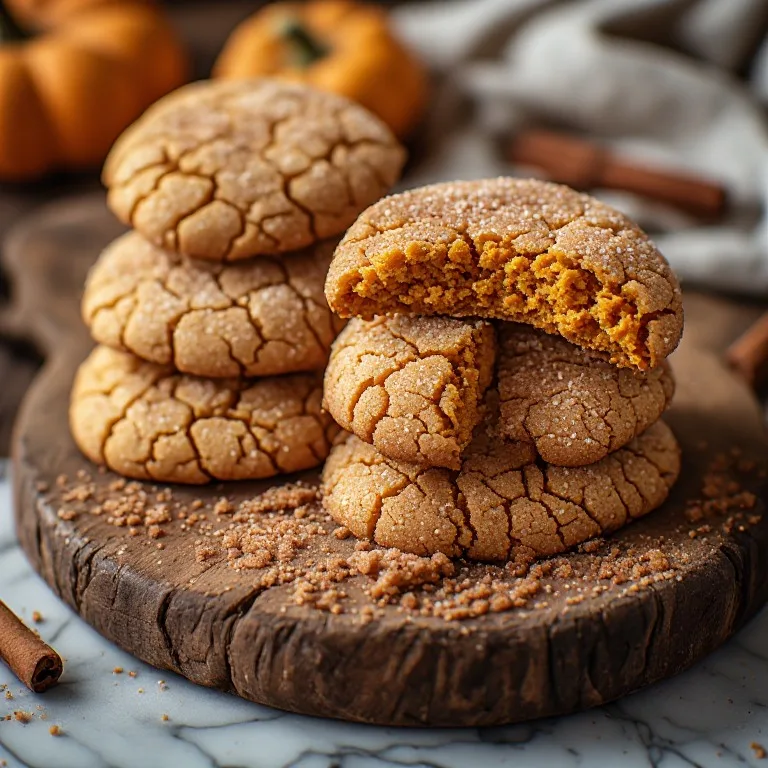

A stuffed pumpkin cookie has to beat two problems at once. First, pumpkin purée is roughly 90% water, so pour it into cookie dough and the cookies puff into soft, cakey mounds — pleasant enough, but nothing like the chewy, bakery-quality texture that earns 1.2 million likes on TikTok. Second, a cream cheese center wants to melt and escape: wrap soft filling in raw dough and it liquefies in the oven, steaming out through the seams and leaving an empty pocket where the cheesecake should be.
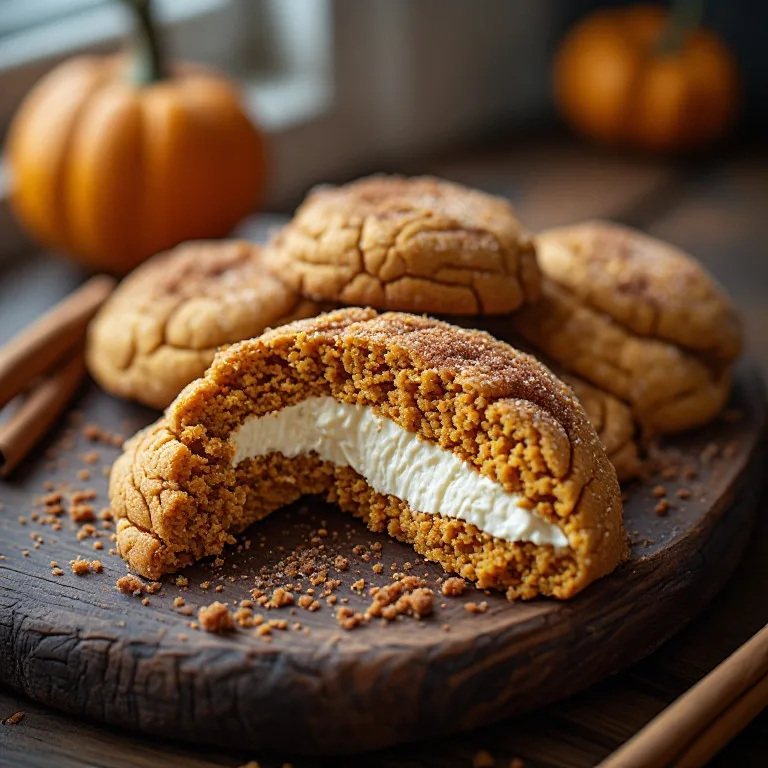
The viral pumpkin cheesecake cookie beats both in one recipe. Baker Ginny Dyer of In Bloom Bakery made the one meaningful innovation: freeze the cream cheese filling into solid balls before wrapping the pumpkin dough around them. The frozen core melts slowly and stays contained inside the cookie instead of steaming out through every seam. Pair that with drying the pumpkin, and you get a chewy spiced shell around an intact, creamy center.
The technique to make it work is the same one that makes any chewy pumpkin cookie actually chewy: dry the pumpkin before it touches your dough.
The Two Steps That Determine Everything
Step one: freeze the filling until completely solid. Not cold. Not just firm. Solid — like a small piece of frozen butter, with no give at all when you press it. The filling goes into a 350°F oven inside raw dough. If it’s anything less than completely frozen, it will warm through, liquefy, and push outward through any weak point in the dough before the cookie has a chance to set around it. Two hours in the freezer is more reliable than one. Three hours is better still. If you try to rush the freeze, you will have leaked filling and cookies without centers.
Step two: blot the pumpkin dry before it enters the dough. Spread the pumpkin purée thin on paper towels — three layers thick. Press firmly, fold, press again, move to a dry section and press once more. It takes two minutes. The paper towels will come away deeply stained and visibly damp. You’ll reduce ½ cup of purée to roughly ¼ cup — and what remains should feel like soft clay rather than wet paste. All that moisture you removed would have been fighting your cookie texture in the oven. This is the same technique that makes pumpkin snickerdoodles chewy instead of muffin-like, and it matters here for the same reason.
Every other technique in this recipe — the egg yolks instead of whole eggs, the chill time, the assembly method — is a downstream consequence of those two decisions.
Why Egg Yolks Only
Egg whites are 88% water. Yolks are roughly half water, with the other half mostly fat and emulsifying lecithin. In a pumpkin dough that’s already wetter than a standard cookie dough, adding a whole egg introduces more liquid than the dough can productively absorb. The egg white’s water causes steam in the oven; that steam puffs the cookies. Using only the yolks contributes richness, binding, and emulsification without the added water and without the structural protein that produces a cakey crumb. It’s the same principle behind why many brown butter chocolate chip cookie recipes call for an extra yolk: fat and lecithin in, moisture out.
Chill Time Is Not Optional
The assembled cookie dough will be sticky at room temperature. The chilled dough is firm and manageable. At minimum, refrigerate for 1 hour before shaping; 2 hours is better. Warm pumpkin dough is soft enough that stretching it over a frozen filling ball creates thin spots and tears in the dough — which become leaks in the oven. Cold dough wraps cleanly, seals at the seams, and holds its shape while the frozen filling and the buttery dough come to temperature at different rates in the oven.
During the chill, the flour also finishes absorbing whatever residual moisture came from the pumpkin. The resulting cookie texture — after the full chill — bakes up noticeably chewier and more cohesive than dough that went straight from bowl to oven.
Assembling the Stuffed Cookies
Work quickly during assembly. The cream cheese balls are frozen solid; handling them with warm hands will begin thawing the surface. Flatten the chilled dough into a disc in your palm, place the filling ball at the center, and fold the dough up from all sides, pinching the seams together firmly. No gap at all — run your thumb along every join and press with real pressure. Roll between your palms to smooth. Roll in the cinnamon-pumpkin-spice sugar until fully coated on all sides.
If you want the photogenic version where filling barely peeks through the top: leave one small, deliberate unsealed spot at the very top of the ball — no larger than a pea. This produces a small, intentional opening that becomes a window to the cream cheese during baking, not a messy spill.
Pulling Them at the Right Moment
The most common mistake with stuffed cookies is overbaking. These come out of the oven looking underdone. The edges will be set; the tops will be matte and slightly domed; the centers will look soft. Pull them at this point. They continue to bake on the hot pan for 8 minutes, during which the carry-over heat sets the dough around the filling and the chewy texture develops. Moving them too early — before the outside has firmed enough to hold the filling in place — produces cookies that collapse at the center.
After 8 minutes on the pan, they’re stable enough to transfer to a rack. The cream cheese center will be warm and creamy for about 20 minutes; after that it firms to the texture of a cold cheesecake bite. Both states are good; the warm window is the reason to eat these immediately out of the oven.
Storage
These need refrigeration for anything beyond 4 hours at room temperature (cream cheese filling is the reason). An airtight container in the refrigerator keeps them for 4 days. Bring to room temperature for 15–20 minutes before eating — the outer cookie softens back up and the filling smooths out from cold-firm to creamy. Do not freeze the baked cookies; cream cheese filling becomes grainy and weeps water when thawed.
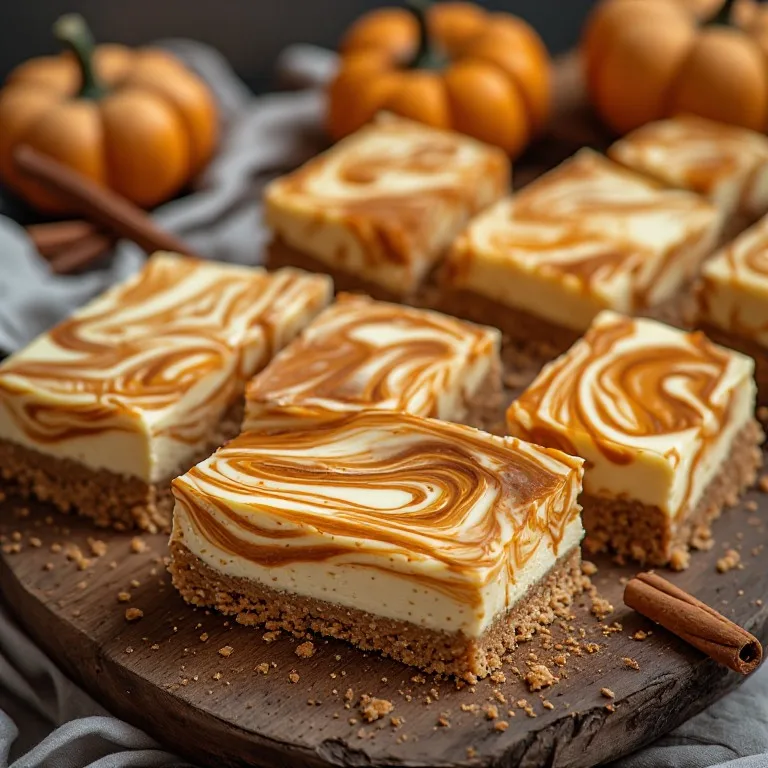
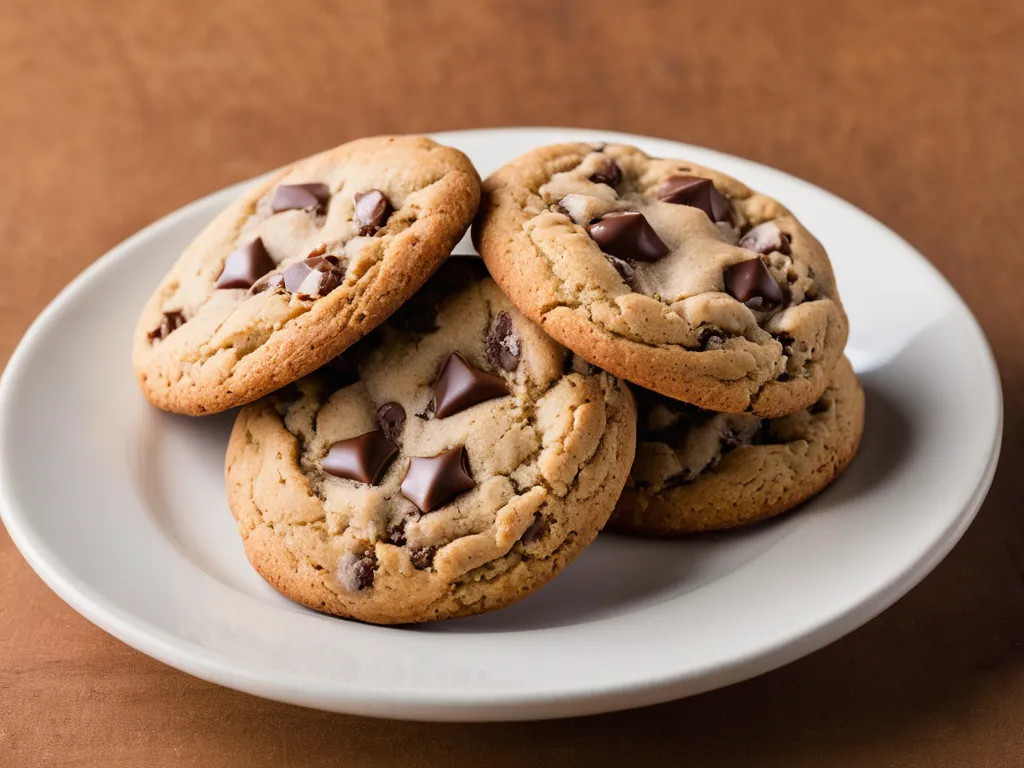
For more pumpkin baking: pumpkin snickerdoodles use the same dried-pumpkin technique in a more straightforward roll-and-bake cookie. Pumpkin cheesecake bars skip the stuffing step entirely and layer the flavors in a pan format. And brown butter cookies use the same egg-yolk principle for a chewier-than-bakery chocolate chip cookie.