
Viral TikTok Scallion Pancakes (Cong You Bing) — the 4-Ingredient Chinese Street Food That Shatters When You Pull It Apart
Prep: 15 min active + 30 min rest | Cook: 20 min | Makes: 4 pancakes (serves 2–4)
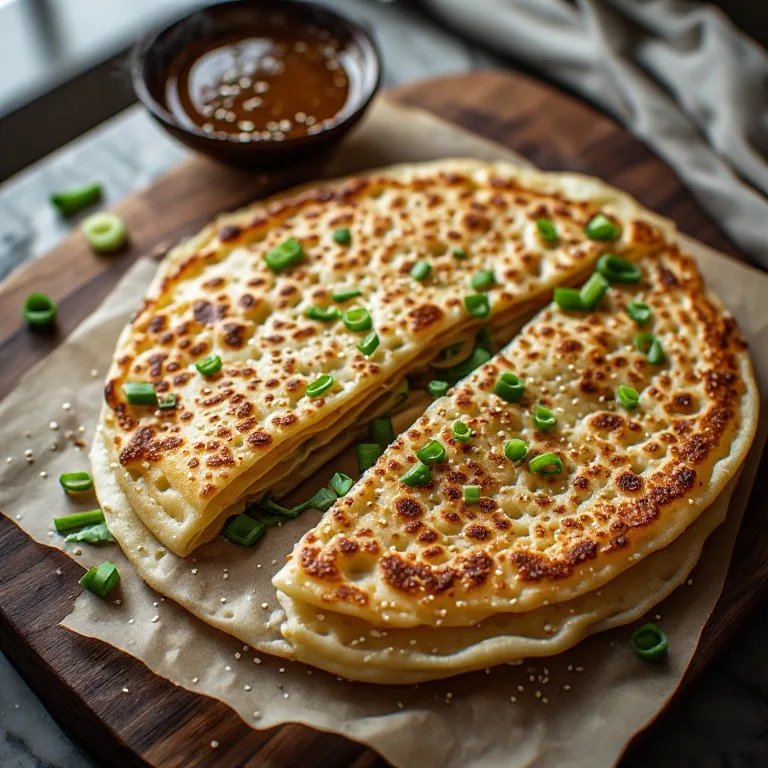
Scallion pancakes are the Chinese street food that TikTok was built to film: you watch the dough get coiled into a snail, pressed flat, dropped into a hot cast-iron skillet, and transformed by heat and steam into a golden, shatteringly crispy flatbread that pulls apart in layers. The entire process costs $1.50 and takes 45 minutes start-to-finish — most of which is rest time.
The recipe has four real ingredients: flour, scallions, sesame oil, and salt. The technique is one trick: the coil. Rolling the filled dough into a log and then coiling it into a snail creates concentric rings of dough separated by thin sheets of oil and scallion. When pressed flat and pan-fried, those rings become the layers that crack and shatter when you bite through.
Why This Went Viral on TikTok
Three reasons. First, the visual: the coiling and lamination technique is genuinely satisfying to watch, especially the moment the press-flat reveals the spiral layers through the dough surface. Second, the accessibility: four pantry ingredients, no equipment beyond a skillet, 45 minutes. Third, the result is one of those rare TikTok recipes that actually rewards making at home — most takeout and restaurant versions are too greasy, too thick, or too soft. The hot-water dough technique, which takes maybe 3 minutes longer than a cold-water dough, produces a substantially better result.
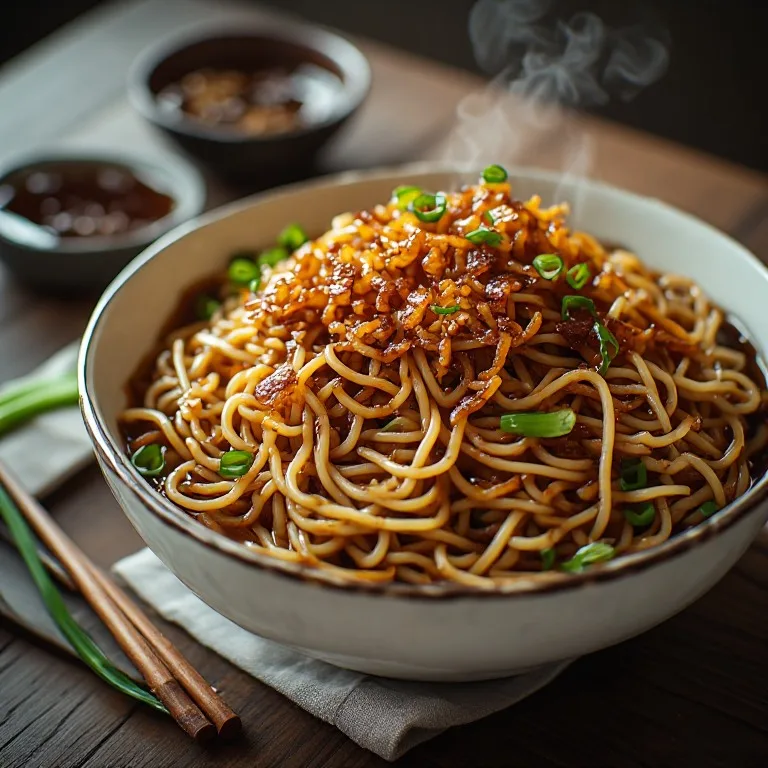
The cong you bing format itself has been going in and out of TikTok virality since at least 2021. The “scallion pancake egg wrap” variation — using the fried pancake as a sandwich wrapper for egg, avocado, or spicy tuna — got its own cycle of virality in 2023–2024. The straight traditional version continues to pull significant search volume because the result is that good. If you like this scallion-and-sesame flavor profile, it’s the same backbone as viral scallion oil noodles, another five-minute pantry recipe built on infused scallion oil.
The Hot-Water Dough: Why Boiling Water Is Non-Negotiable
The single most common mistake in home scallion pancake recipes is substituting warm or hot tap water for truly boiling water. The result is a tighter, springier dough that resists rolling and produces a chewier, less flaky pancake.
Boiling water (212°F / 100°C) partially gelatinizes the starch granules in the flour. This does two things: it makes the gluten strands shorter and more relaxed (less snap-back when rolling), and it creates a dough that is more pliable and tender than one made with cold water. The same principle is behind pasta dough made with semolina and boiling water, Chinese dumplings, and many other laminated or layered flatbreads.
The practical result: boiling-water dough can be rolled nearly translucent without tearing and stays thin once rolled. Cold-water dough springs back to twice its rolled thickness in seconds.
Use water that is actively boiling — off the stove, directly from the kettle, poured immediately. Don’t let it sit and cool down first.
The Coil Technique: How the Layers Form
| Step | What It Does |
|---|---|
| Roll dough into thin rectangle | Creates a thin base layer |
| Brush with sesame oil | Separates layers so they don’t re-fuse |
| Scatter scallions | Adds flavor and moisture between layers |
| Roll into a log | Creates concentric rings of dough + oil |
| Coil the log into a snail | Compresses the rings into a disc |
| Press flat + roll to ¼ inch | Orients the rings into horizontal layers |
| Pan-fry in hot oil | Steam puffs the layers apart; oil crisps the surface |
Each scallion pancake you make has dozens of distinct layers running through it — the same principle as croissants or puff pastry, but achievable in 10 minutes of active work with no butter and no chilling time. The layers are visible when you snap a piece: you can see the cross-section of rings, and they peel apart cleanly when the pancake is hot.
Pan Temperature: The Difference Between Crispy and Pale
Scallion pancakes require a genuinely hot pan — medium-high heat, preheated for 2 full minutes, with enough oil to coat the bottom.
| Pan Temperature | Result |
|---|---|
| Insufficiently hot (medium or below) | Pancake steams instead of fries — pale, soft, cooked but not crispy |
| Correct (medium-high, preheated) | Deep golden-brown crust, crispy edges, flaky layers puffed by steam |
| Too hot (high heat) | Exterior burns before interior cooks through — charred surface, raw center |
You want the pancake to sizzle loudly the instant it hits the oil. If it makes little or no sound, the pan is not hot enough — take it off, heat the pan longer, then try again. The 3-minute cook time per side assumes a genuinely hot pan. At lower heat it will take 4–5 minutes per side and still not achieve the same crust.
The Optional Egg Wrap Variation
To make the viral scallion pancake egg wrap:
After the pancake has cooked for about 2 minutes on the first side (bottom is golden, top surface is still soft and pliable), crack 1–2 eggs directly onto the top surface and scramble them loosely with a fork, then let them set without stirring — about 45 seconds. The egg forms a thin sheet bonded to the top of the pancake. Flip and cook 30 more seconds to set the egg completely.
To assemble: transfer to a plate, layer with thin-sliced avocado or cucumber, spicy tuna or smoked salmon, a drizzle of soy sauce and sesame oil, sliced scallion greens, and/or a squeeze of sriracha. Fold the pancake over the filling (it should bend without cracking if the egg layer is intact) and eat immediately.
The egg wrap version is higher protein (~18g per serving with two eggs and salmon) and more filling — it eats like a full meal.
Dipping Sauce Variations
| Version | Ingredients | Best For |
|---|---|---|
| Classic (2 min) | 2 tbsp soy sauce + 1 tbsp rice vinegar | Straightforward, traditional |
| Sesame-ginger (5 min) | Above + 1 tsp sesame oil + 1 tsp fresh ginger | Brighter, more aromatic |
| Spicy (2 min) | Classic + 1 tbsp chili crisp | Heat seekers |
| Sweet-soy | Classic + 2 tsp honey + ½ garlic clove | Kid-friendly, slightly richer |
| Restaurant-style | All of the above combined | The full version — best flavor |
Cost
| Ingredient | Amount Used | Approximate Cost |
|---|---|---|
| All-purpose flour (2 cups) | From a $2 bag | ~$0.25 |
| Sesame oil (2 tbsp) | From a ~$5 bottle | ~$0.50 |
| Scallions (4 stalks) | 1 bunch ~$1.50 | ~$0.75 |
| Neutral oil for frying (5–6 tbsp) | From a $5 bottle | ~$0.30 |
| Salt, pepper | Pantry | ~$0.05 |
| Soy sauce, vinegar (dip) | Pantry | ~$0.15 |
| Total for 4 pancakes | ~$2.00 | |
| Per pancake | ~$0.50 |
A NYC Chinese restaurant charges roughly $8–14 for a scallion pancake appetizer. At home, four pancakes costs under $2.
Make It a Meal
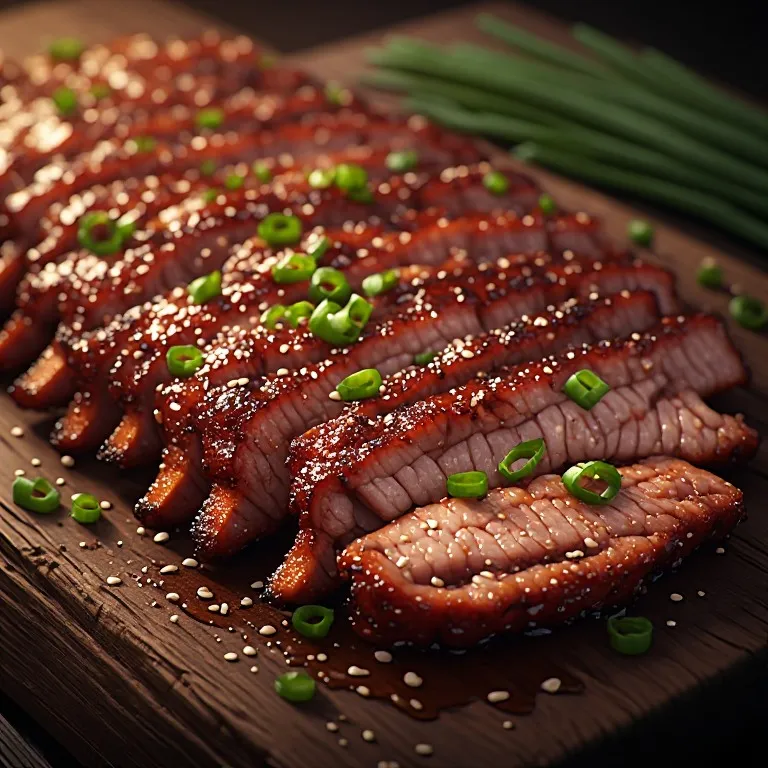
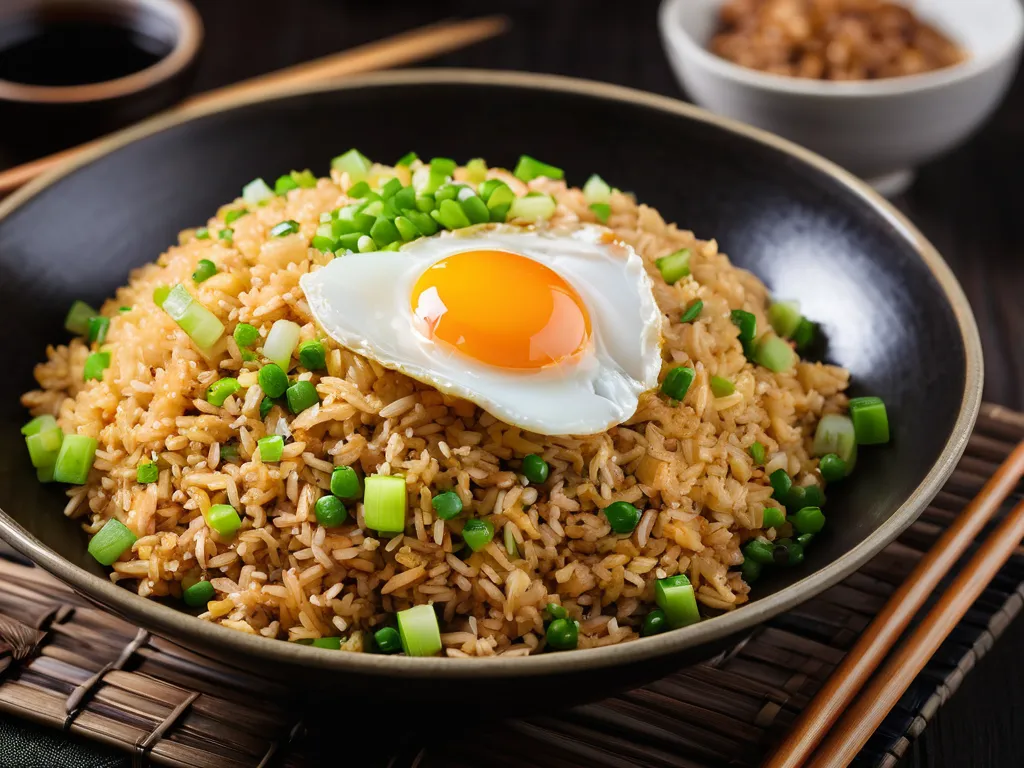
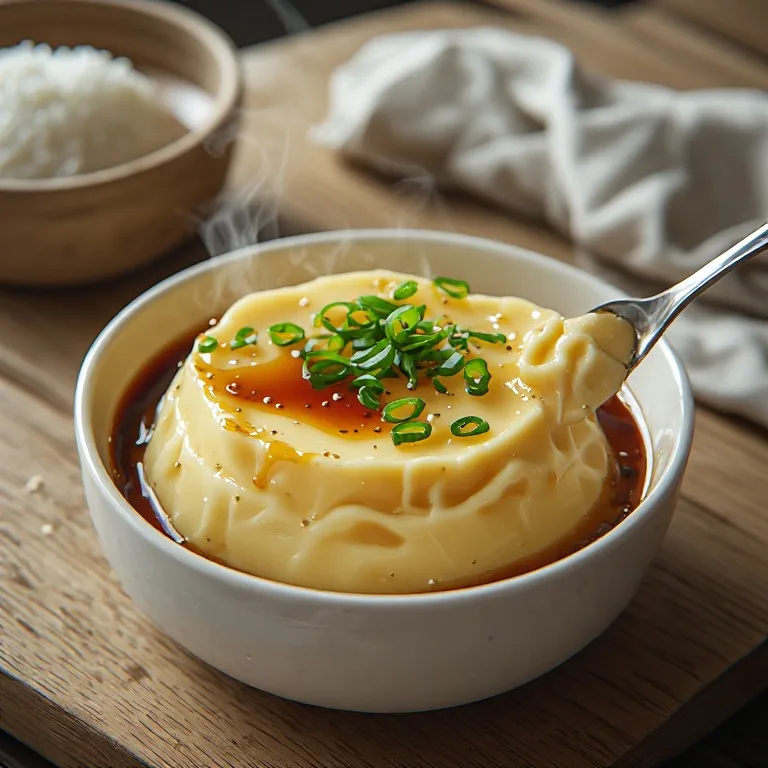
Scallion pancakes are an appetizer, so build a spread around them. Pair with a protein like char siu pork, a quick egg fried rice for a carb base, and a silky Chinese steamed egg for contrast — all four are pantry-friendly and come together in about an hour total.