


Silky Scrambled Eggs — Why Your Eggs Are Probably Overcooked (and How to Fix It in 8 Minutes)
Gordon Ramsay’s scrambled egg video has been watched more than 50 million times. TikTok has re-uploaded and reshared it hundreds of times, generating tens of millions more views each cycle. It always trends for the same reason: home cooks watch it and realize they’ve been cooking scrambled eggs wrong for their entire lives.
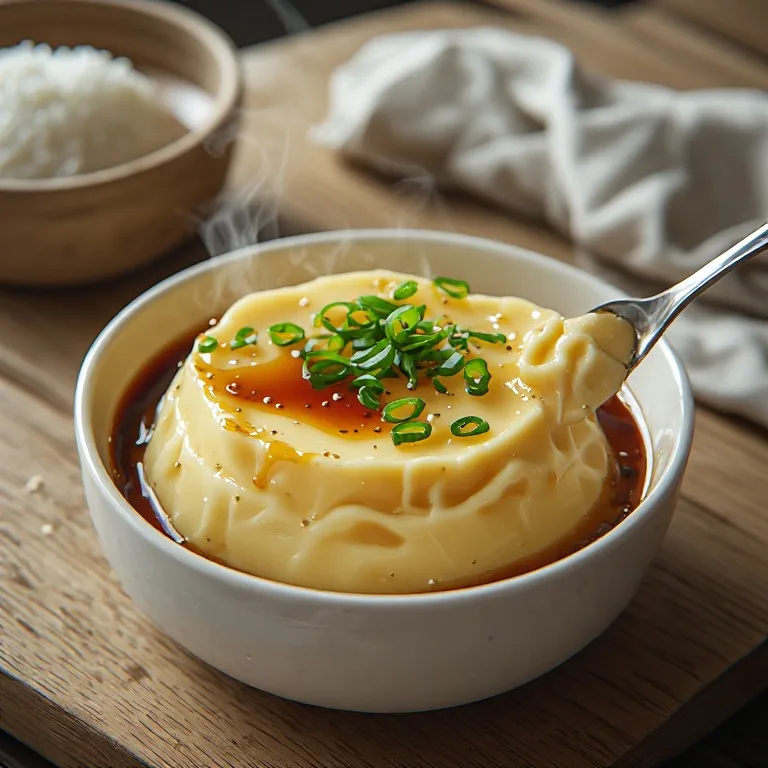
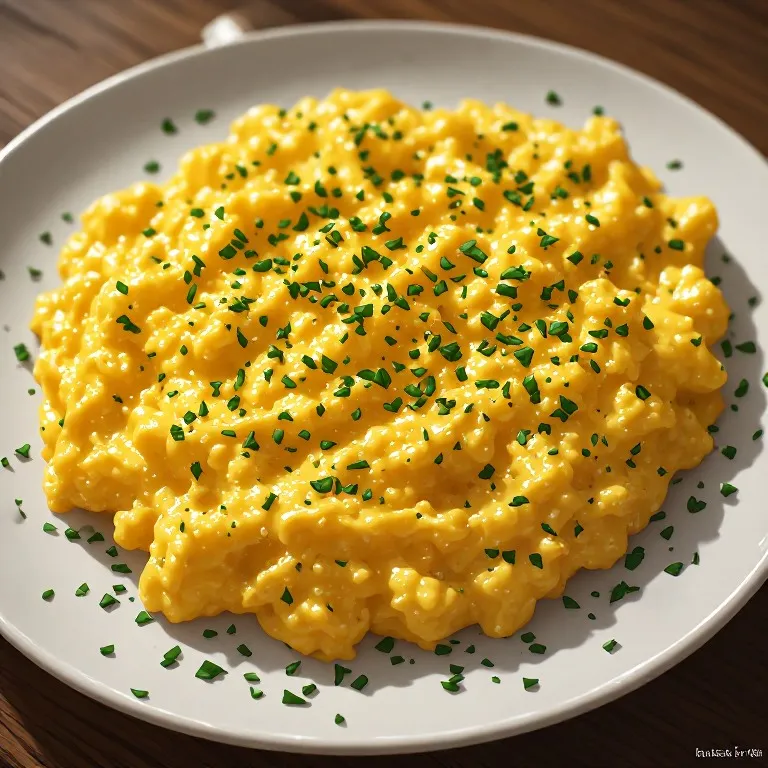
The method shown is French brasserie technique — low heat, constant movement, a creamy finish. The results are staggeringly different from the fluffy, large-curd, often-rubbery scrambled eggs most people are used to. The French version looks like soft, flowing ribbons of custard. They shimmer. They’re almost pourable. They are deeply, profoundly different.
The technique isn’t difficult. It requires about 8 minutes of attentive stirring and a willingness to trust that low heat is the right call even when nothing seems to be happening.
Why High Heat Ruins Scrambled Eggs
Egg protein consists of about 40 different proteins that denature (unfold and then bind together) at different temperatures between 140°F and 185°F. The goal of the perfect scramble is to denature these proteins as gently as possible, just enough to set them into a soft, custard-like gel without pushing them past that point into the rubbery, moisture-expelling state of overcooked eggs.
At high heat, the proteins on the pan surface denature almost instantly. Water is expelled and evaporates or pools in the curd. The proteins bind tightly into firm, rubbery pieces. The texture is what most people associate with diner scrambled eggs — which isn’t bad, but is nothing like what’s possible.
At very low heat, the proteins denature slowly and uniformly across the whole egg mass. They set into a soft, gel-like structure that still holds onto almost all of its moisture. No water is expelled. The texture is custardy, smooth, almost silky. Completely different protein structures.
The On-Off Pan Movement Explained
The pan-on-pan-off technique that Ramsay demonstrates addresses a practical problem: even on the lowest burner setting, a pan builds heat continuously. Left on continuously, even a “low” flame will eventually cook the eggs faster than you can stir them.
Taking the pan off the heat for 5 seconds every 30–45 seconds while continuing to stir serves two purposes. It prevents heat accumulation in the pan, and it uses the residual heat of the pan (stainless and cast iron hold heat very well) to continue cooking the eggs at a slower rate. You’re essentially pulsing the heat input while maintaining continuous gentle cooking.
This is finicky on electric coils, which hold heat even after you remove the pan. On gas, it’s very controllable. On induction, it’s precise. Adjust based on your equipment — the goal is consistent low heat, not literally lifting the pan off the burner every 45 seconds.
The Finishing Move: Cold Butter and Creme Fraiche
The last 30 seconds are where the texture is locked in. When the eggs are about 80% cooked — still flowing slowly when you tilt the pan, looking almost undercooked — you add cold butter and creme fraiche and stir vigorously off the heat.
The cold dairy lowers the temperature of the egg mass immediately, stopping carryover cooking almost in its tracks. The fat from the butter coats the protein strands, lubricating them and adding gloss. The creme fraiche adds a slight acidity that brightens the overall flavor — without it, the eggs can taste one-dimensionally rich.
The result should be served in the next 90 seconds, on a warmed plate, before the eggs continue to set. This is not a dish you plate and then set the table. Plate, set table, then make the eggs.
Why Seasoning After Cooking Matters
Salt is hygroscopic — it draws moisture out of proteins. Added to raw eggs before cooking, it begins extracting moisture immediately. When those eggs hit the pan, they’re already slightly weepier than unsalted eggs. At low heat with constant stirring, this extra moisture can make the eggs slightly looser than ideal at the beginning of the cook.
More practically: season after cooking and you can adjust properly to your taste. Season before and the salt is distributed through the eggs before you know what the eggs will actually need.
White pepper, the traditional seasoning for French scrambled eggs, has a subtler, less sharp bite than black pepper. The floral, slightly musty heat of white pepper suits eggs better than the assertive grassiness of freshly ground black.