title: “Viral TikTok Smash Burger Tacos (The Technique That Changes Everything)” description: “Ground beef smashed directly onto a screaming-hot griddle with a flour tortilla pressed on top — the fat crisps the tortilla from the inside while the patty sears. How the technique actually works, the 3 failure modes that ruin it, and why this isn’t just a smash burger in a tortilla.” tags: [“viral”, “tiktok”, “burger”, “beef”, “tacos”, “main-dish”, “15 minutes”, “griddle”] date: “2026-09-05” prepTime: “10 min” cookTime: “10 min” servings: “4 (8 tacos)” difficulty: “Easy” quickAnswer: “Roll 2.5 oz of 80/20 ground beef into a ball. Place it on a screaming-hot cast-iron or griddle at 450°F. Immediately lay a 6-inch flour tortilla over the ball and smash hard with a burger press or heavy spatula until the patty is paper-thin and fused to the tortilla. Cook 60–75 seconds until the edges are dark and lacy. Flip — now the tortilla is down on the griddle for 15–20 seconds to toast. Top with American cheese immediately off heat. Fold, fill with burger sauce, shredded lettuce, and pickles. This is not a smash burger in a tortilla: the beef fat soaks into the tortilla as it cooks, crisping the exterior while bonding the patty to the shell — no bun, no assembly required.” ingredients:
- “For the tacos:”
- “1.25 lb (560g) 80/20 ground beef (you need the fat — lean ground beef won’t crisp the tortilla correctly)”
- “8 small flour tortillas, 6-inch / fajita-size (flour only — corn tortillas crack; see notes)”
- “8 slices American cheese (deli-counter, not individually wrapped; it melts cleanest)”
- “Kosher salt and black pepper”
- “Neutral oil for the griddle (vegetable or avocado — 1–2 teaspoons total)”
- ""
- “Big Mac–style burger sauce (make ahead):”
- “¼ cup (60g) mayonnaise”
- “2 tablespoons sweet pickle relish (or finely minced dill pickles + 1 tsp sugar)”
- “1 tablespoon yellow mustard”
- “1 teaspoon white wine vinegar”
- “½ teaspoon garlic powder”
- “½ teaspoon onion powder”
- “¼ teaspoon smoked paprika”
- “Pinch of kosher salt”
- ""
- “Toppings:”
- “1 cup shredded iceberg lettuce”
- “Dill pickle chips or sliced dill pickles”
- “2 tablespoons finely diced white onion (optional, for the Big Mac angle)”
- “White sesame seeds (optional, for the look)” instructions:
- “Make the sauce first. Whisk together mayo, relish, yellow mustard, white wine vinegar, garlic powder, onion powder, paprika, and salt in a small bowl. Taste and adjust — it should be tangy and slightly sweet. Refrigerate while you cook; it takes 5 minutes to come together and gets better as it sits.”
- “Portion the beef. Divide the ground beef into 8 equal balls, about 2.5 oz (70g) each. Roll them loosely — don’t compress. The loose structure is what creates the ragged, caramelized lace edges when you smash. Set aside on a plate at room temperature while you heat the griddle.”
- “Heat the surface until smoking. Preheat a cast-iron skillet or flat griddle over high heat for 3–4 minutes. Add a very thin film of oil (about ½ teaspoon) and swirl to coat. The surface should be visibly smoking before the first ball goes down. This is non-negotiable — a hot enough surface creates instant sear; a warm surface just steams the beef and turns the tortilla rubbery. Target: 450–500°F (230–260°C).”
- “Smash with the tortilla on top — this is the entire move. Place a beef ball on the smoking surface. Immediately lay a flour tortilla flat on top of the ball. Using a burger press or the flat of a very heavy spatula, smash straight down hard — lean your weight into it — pressing until the patty is no more than ¼ inch thin. Work fast: you have about 5 seconds before the meat starts to set. Season the exposed tortilla-top side with a pinch of kosher salt and black pepper (you can’t season the meat side once it’s fused to the tortilla). The beef fat will immediately start wicking into the edges of the tortilla — that’s the mechanism that makes this different from a wrap.”
- “Cook 60–75 seconds — don’t move it. Let the patty cook undisturbed. You’ll see the edges go from pink to dark brown to crispy lace. The bottom of the tortilla (the side against the griddle) will stay pale — that’s correct. When the edges are deeply caramelized and the meat releases cleanly from the surface (it won’t stick once properly seared), it’s ready to flip. Don’t rush past 60 seconds or the crust won’t develop fully. Don’t wait past 90 seconds or the tortilla will start to steam.”
- “Flip and toast the tortilla. Slide a thin spatula under the patty-tortilla stack and flip in one confident motion — the patty is now on top, the tortilla is now against the hot surface. Cook for 15–20 seconds. This side of the tortilla has beef fat baked into it: it will turn golden-crisp in seconds. Watch it — this step goes fast.”
- “Cheese immediately off heat. Remove the taco from the surface and immediately place a slice of American cheese on the hot beef side. The residual heat melts it perfectly. If you add cheese while still on the heat, the tortilla bottom overcooks; if you wait too long, the heat dissipates and the cheese won’t melt. Off heat, immediately, every time.”
- “Fold and fill. Fold the taco in half. Spread a generous stripe of burger sauce on the inside, add shredded lettuce, pickle chips, and diced onion if using. Serve immediately — the window for peak crispy tortilla is about 2 minutes. These are not meal-prep; they’re made-and-eaten.” equipment:
- name: “Cast-iron skillet or flat griddle” description: “Non-stick is the #1 failure mode for this recipe. Non-stick surfaces can’t reach the temperatures needed for the Maillard reaction — they’ll start to smoke and degrade before the pan is hot enough. Cast iron or carbon steel hold heat through the smash and deliver the 450°F surface you need. If you only have non-stick, use the oven broiler method instead (see variations).”
- name: “Burger press or very heavy spatula” description: “You need enough pressure to compress a 2.5 oz ball to ¼ inch in 3–5 seconds. A spatula and your bodyweight works if you lean into it. The press makes it faster and more consistent. Do not use a thin flexible spatula — it bends under the pressure.”
- name: “Thin metal spatula for flipping” description: “A thin bench scraper or a thin-bladed fish spatula slides cleanly under the crispy patty-tortilla bond without breaking it. A thick spatula will catch on the crust.” faq:
- question: “Why does the tortilla have to be flour, not corn?” answer: “Corn tortillas are made from masa (nixtamalized corn) which has very little gluten. When you press them against hot beef, they crack under the pressure rather than flex. They also don’t absorb fat the same way — the wicking mechanism that makes this work depends on the gluten structure of flour tortillas, which acts like a sponge for the beef fat as it renders. Corn tortillas will give you a broken shell with a wet patty sitting on top. Flour tortillas (specifically the thin 6-inch fajita size, not the thick burrito-size ones) flex under the press, absorb the fat, and toast gold when flipped.”
- question: “Why 2.5 oz of beef? Can I use more for a bigger taco?” answer: “The 2.5 oz size is calibrated to the 6-inch tortilla. More meat means a thicker patty, which means longer cook time, which means the tortilla torches before the beef finishes. More meat also produces too much fat too fast — instead of evenly wicking into the tortilla, it pools and makes the shell greasy rather than crispy. If you want bigger: use a 4-oz ball and a 8-inch tortilla, smash thinner, and cook 70–80 seconds. The ratio is the key, not the absolute size.”
- question: “Why can’t I use a non-stick pan?” answer: “Non-stick coatings (PTFE/Teflon) start to degrade and release fumes above 500°F and lose their non-stick properties above 420°F. To get the deep caramelized crust that defines a smash burger — not just a browned patty, but a dark, lacey, caramelized crust — you need 450–500°F of direct metal-to-meat contact. A non-stick pan at safe temperatures produces a pale, soft patty that doesn’t crisp the tortilla. Use cast iron, carbon steel, or stainless steel instead.”
- question: “How do I cook multiple tacos at once without the pan losing heat?” answer: “Cook 2 at a time maximum in a 10-12 inch cast-iron skillet, or 3-4 at a time on a large flat griddle. Each beef ball drops the surface temperature significantly — cast iron recovers fast, but if you crowd it, the surface never gets back to 450°F and you get steamed beef instead of seared. Between batches, let the pan reheat 30–45 seconds until it’s smoking again. A flat-top griddle (Blackstone, Camp Chef, or similar) is the fastest setup for cooking 8 tacos with minimal heat loss between batches.”
- question: “Can I make these ahead for a party?” answer: “No — and this is worth understanding. The crispy tortilla depends on the beef fat being hot and actively wicking into the shell. Once it cools, the fat solidifies and the tortilla goes from crispy to greasy. If you’re feeding a crowd: set up a griddle station and cook in batches of 3-4 while people grab them hot. The cook time is 90 seconds per batch — it’s faster to keep cooking than to reheat. For a sit-down dinner: keep cooked tacos in a single layer on a baking sheet in a 200°F oven for up to 10 minutes, but expect some loss of crispness.”
- question: “How is this different from just making a smash burger and putting it in a tortilla?” answer: “The order of operations changes everything. When you put the tortilla on TOP and smash, the beef fat renders into the tortilla as the patty cooks — the tortilla becomes part of the patty structure, not just a wrapper. When you flip, the fat-soaked side hits the hot surface and crisps in 15 seconds flat. A tortilla that was never smash-cooked with the beef will stay soft and doughy. The bond between the beef and tortilla also means the filling doesn’t fall out when you fold. These are structural differences, not cosmetic ones.” variations:
- title: “Double Smash Burger Tacos” description: “Make two 2-oz balls instead of one 2.5-oz ball per taco. Smash the first ball with the tortilla as normal. After flipping, smash the second ball directly on top of the first patty, press flat, and cook an additional 60 seconds before removing. Two thin patties instead of one slightly-thicker patty gives you more caramelized surface area and a more intense beefy flavor. Top with two slices of cheese. This is the version Brad Prose (Chiles and Smoke) favors for maximum flavor density.”
- title: “Chicken Smash Tacos” description: “Use 3 oz of ground chicken thigh (not breast — it’s too lean and dries out). Add ¼ teaspoon garlic powder, ¼ teaspoon smoked paprika, and a pinch of cayenne to each ball before portioning. The technique is identical but chicken takes 20 seconds longer per side at slightly lower heat (400°F) because it must reach 165°F internal. Use pepper jack instead of American cheese. Top with sliced avocado and a squeeze of lime instead of standard burger sauce. The thigh meat stays juicy enough to crisp the tortilla correctly where breast meat won’t.”
- title: “Breakfast Smash Tacos” description: “Use 2.5 oz of ground breakfast sausage (not links — loose bulk sausage, Jimmy Dean-style). Season with just a pinch of black pepper. Smash and cook identical to the beef version. After flipping, crack one egg directly onto the sausage patty while it’s still on the heat — the residual surface heat cooks the egg whites against the patty in about 60 seconds. Top with cheddar (not American — American fights the sausage flavor here), hot sauce, and a drizzle of maple syrup if you want the sweet-savory angle. No burger sauce.”
- title: “Spicy Birria-Style Smash Tacos” description: “Add 1 teaspoon each of ancho chili powder, cumin, and smoked paprika to the ground beef and mix before portioning. Dip each flour tortilla briefly in warm beef broth (a shallow bowl works) before placing it on the beef ball — the damp tortilla doesn’t change the smash technique but it creates a more deeply toasted, slightly chewy shell after flipping that reads closer to a birria quesataco. Top with Oaxacan cheese instead of American, shredded cabbage, pickled jalapeños, and a drizzle of consommé. Serve the broth in a small cup for dipping.” calories: 640 protein: “30g” carbs: “32g” fat: “44g” fiber: “2g” sugar: “5g” sodium: “1050mg” healthierTips:
- “Use 90/10 ground beef — you lose a little tortilla crisp, but drop roughly 10g of fat per serving. Add ½ teaspoon of oil to the pan to compensate for the lower fat rendering.”
- “Swap in low-carb or whole-wheat tortillas; the smash-and-flip technique works the same, just watch them slightly closer as they crisp faster.”
- “Cut the burger sauce with plain Greek yogurt in place of half the mayo — same tang, less fat.”
- “Load up on the shredded lettuce and add diced tomato for volume without adding much to the calorie count.”
Viral TikTok Smash Burger Tacos (The Technique That Changes Everything)
The first thing to understand about smash burger tacos is that the order of operations is not what you’d expect. The meat goes down first, the tortilla goes on top of the raw meat, then you smash — and the whole stack cooks as one fused unit. That’s not a stylistic choice. That’s the mechanism that makes this different from a smash burger you decided to eat in a tortilla.
When you press the tortilla onto a raw beef ball on a 450°F surface, the fat renders instantly and wicks into the flour tortilla from the inside. The tortilla becomes structurally integrated with the patty — not wrapped around it, not resting on it, but bonded to it. When you flip after 60–75 seconds, the fat-soaked side hits the hot surface and crisps in about 15 seconds. That’s why the shell stays intact when you fold it, and why it has a crunch that soft tortillas don’t.
Brad Prose of Chiles and Smoke posted the original version on March 23, 2023. It reached 16 million views on Instagram and 3.8 million on TikTok and was covered by the Washington Post, TODAY Show, and Good Morning America. The format re-viraled through 2025 and 2026 as more creators documented variations. The technique is the story — once you see it once, you understand why.
What You’re Actually Making
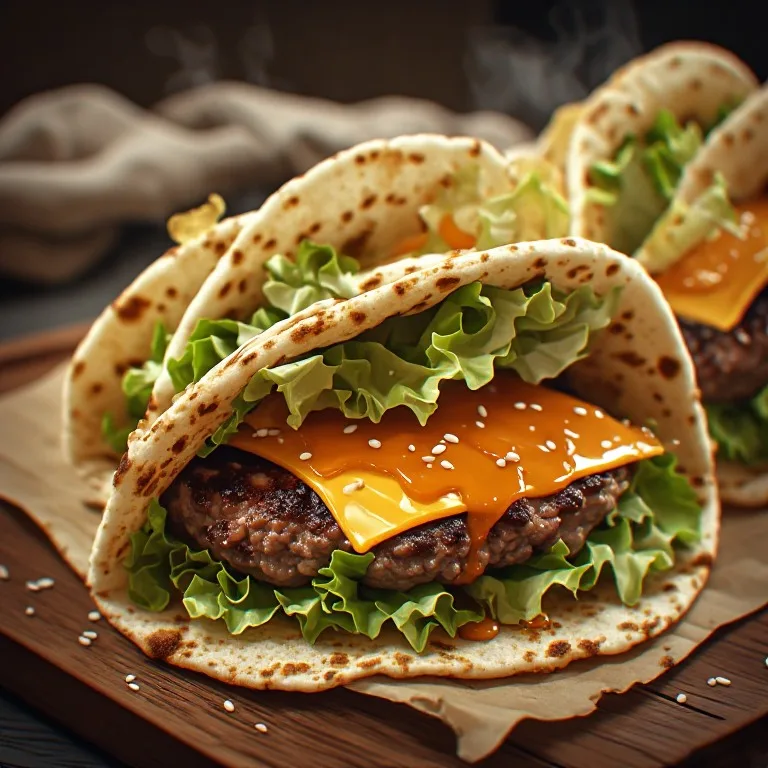
Each taco is a single thin patty pressed into a 6-inch flour tortilla, with a crispy exterior shell and ragged, caramelized lacy edges — the same Maillard crust you get from a standard smash burger, but here the tortilla is part of the structure, not separate from it.
The toppings are deliberately minimal: American cheese melted on residual heat, burger sauce, shredded iceberg, pickles. The beef flavor is the point. Don’t bury it under heavy toppings.
The Three Failure Modes
Most failed smash burger tacos come from one of three places:
1. The pan isn’t hot enough. This is the most common problem and the hardest one to accept. You need the surface at 450–500°F — smoking, not just hot. If your pan isn’t smoking before the beef hits it, you’ll get a steamed-grey patty instead of a seared-brown crust, and the tortilla won’t crisp correctly. Three to four minutes of preheating over high heat on a cast-iron skillet is the minimum.
2. You’re using a non-stick pan. Non-stick coatings degrade above 500°F, but even below that, they can’t reach the surface temperature you need for the Maillard reaction. The crust requires metal-to-meat contact at extreme heat. Cast iron, carbon steel, or stainless steel only.
3. Too much meat, or you waited too long to flip. A 2.5 oz ball smashed thin will take 60–75 seconds. More than 3 oz means the patty is thicker than ¼ inch and needs longer — by which point the tortilla has gone from crisping to steaming. And if you wait past 90 seconds on the first side, the tortilla starts to steam from the moisture in the beef rather than crisping from the fat. Watch the lace edges: when they’re dark and the beef releases cleanly, flip.
The Burger Sauce
The sauce takes 5 minutes and makes or breaks the finished taco. The Big Mac–style version — mayo, sweet relish, yellow mustard, white vinegar, garlic powder, onion powder, paprika — is the standard because it cuts the beef richness with acid and adds a tangy-sweet counterpoint that plain ketchup doesn’t.
Make it before you start cooking. It gets better as it sits and you don’t want to be making sauce while beef balls are searing.
Building the Taco
A few non-negotiable sequence details:
- American cheese goes on immediately off heat. If it goes on while the taco is still on the griddle, the tortilla bottom overcooks in the extra 10 seconds. If you wait more than 30 seconds off heat, the cheese won’t melt. Off heat, immediately, every time.
- Fold before filling. Fold the taco in half first, then add sauce and toppings through the open end. This seals the cheese against the beef and keeps the structure intact.
- Eat immediately. The window for peak crispness is 2–3 minutes. These are not pack-ahead, not reheat-well, not make-and-hold. They’re made and eaten.
Cooking Multiple Tacos
Cast iron: maximum 2 at a time. Let it reheat 30–45 seconds between batches. Flat griddle (Blackstone or similar): 3–4 at a time. Each beef ball drops the surface temperature enough that crowding kills the crust.
For a party: griddle station, cook in batches, people grab them hot. The cook time is 90 seconds per batch — faster to keep cooking than to reheat.
The Sauce, Again
The Big Mac sauce template works well here because this is essentially a Big Mac in a tortilla: beef, American cheese, lettuce, pickles, and a tangy mayo-based sauce. The yellow mustard keeps it from being too rich; the relish brings the sweetness; the paprika and onion powder give it depth without any single flavor dominating.
If you want a hotter version: add a teaspoon of sriracha and drop the relish by half. If you want a more elevated version: swap the relish for finely minced cornichons and add a teaspoon of Dijon instead of yellow mustard.
Related Recipes
- Viral TikTok Smash Burger — the original double-patty bun version; same sear science, different structure
- Copycat McDonald’s Big Mac — the flavor reference point for the sauce and toppings
- Copycat McDonald’s Big Mac Sauce — if you want the actual Big Mac sauce formula rather than the approximation above
- Copycat Culver’s ButterBurger — another thin-patty, high-heat beef technique worth comparing