
Pin It

Sourdough Discard Pancakes

Sourdough Discard Pancakes
Jump to Recipe
Prep 10 min Cook 15 min Serves 6
Quick answer: Whisk 1 cup sourdough discard, 1 cup buttermilk, 1 cup all-purpose flour, 1 egg, 2 tablespoons melted butter, 1 tablespoon sugar, 1 teaspoon baking powder, ½ teaspoon baking soda, ½ teaspoon salt, and 1 teaspoon vanilla until just combined — leave the batter lumpy. Rest 5 minutes. Cook on a buttered skillet over medium heat: pour ¼ cup batter per pancake and cook 2–3 minutes until bubbles form across the surface and edges look matte, then flip once and cook 1–2 minutes more. Makes 10–12 medium pancakes. The tang is subtle, the texture is tender and fluffy, and the whole process takes 20 minutes from bowl to plate.

Shop the tools

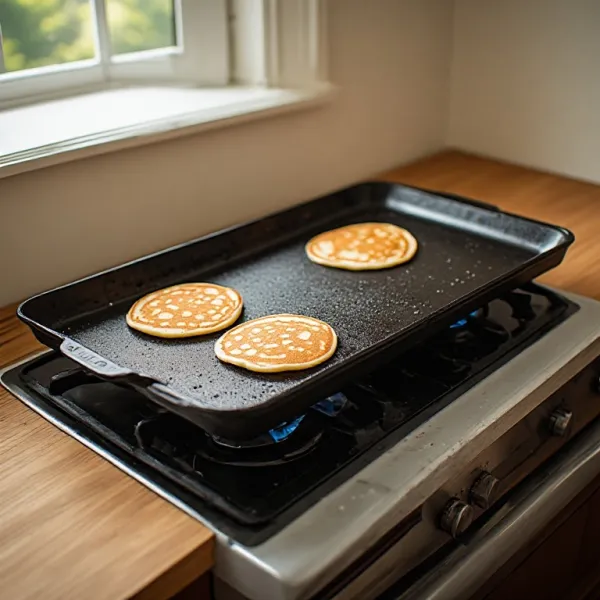
Gear matched to this recipe. These are Amazon affiliate links — we may earn a small commission if you buy, at no extra cost to you.

As an Amazon Associate, Copycat Spices earns from qualifying purchases. Product images are generic illustrations, not the exact item listed.

Sourdough Discard Pancakes

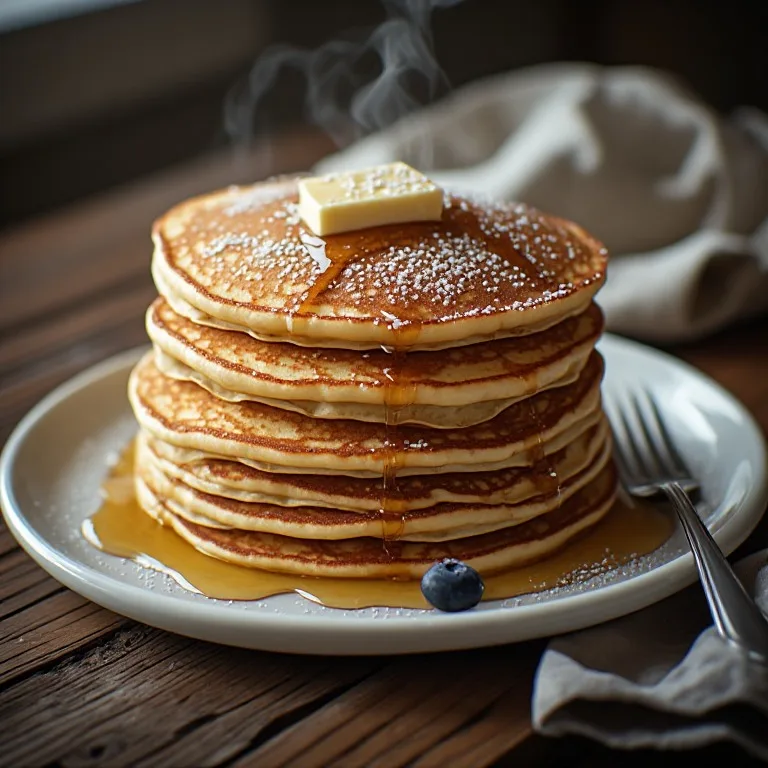
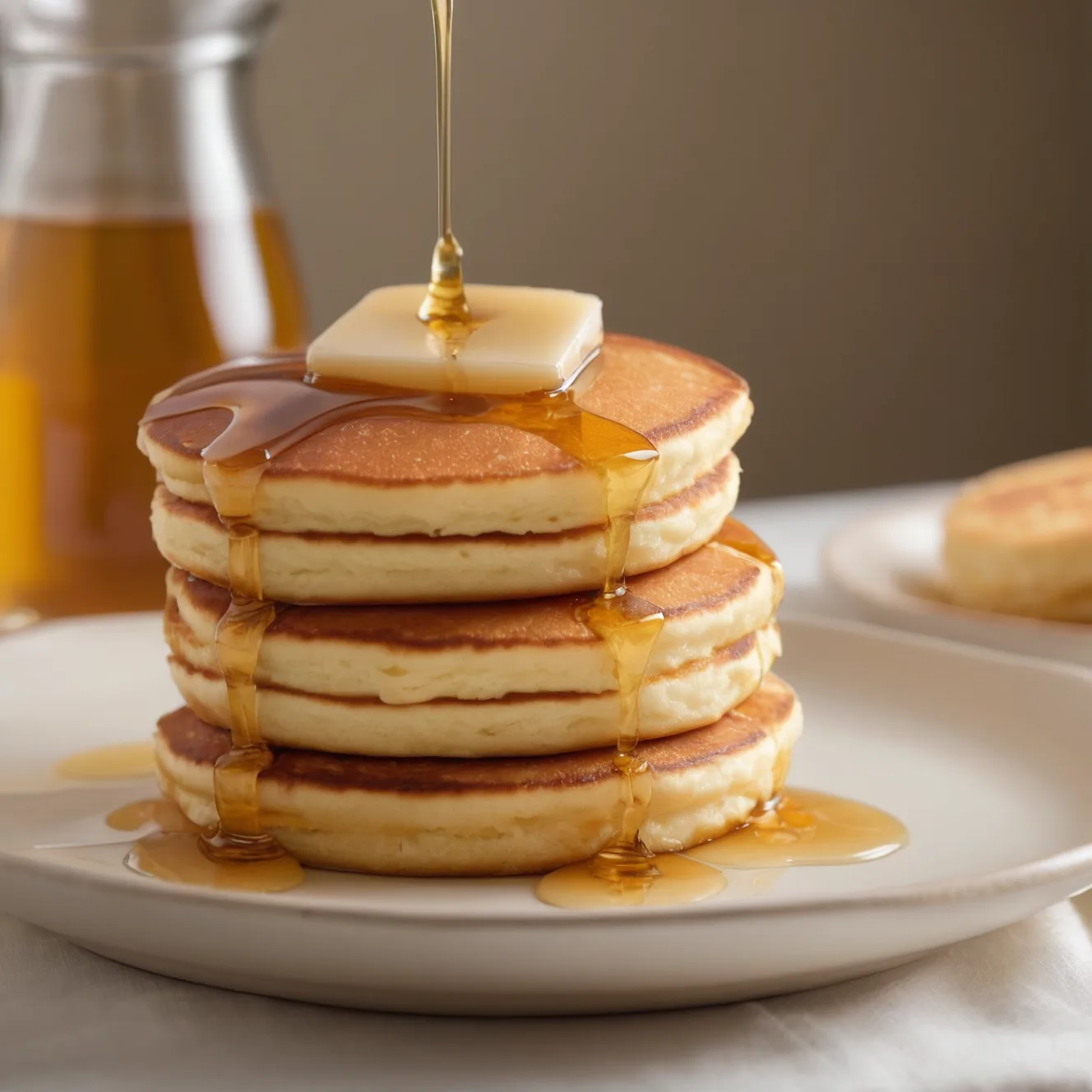
The viral TikTok sourdough discard pancakes recipe: fluffy, lightly tangy stacks that turn starter waste into the best breakfast in your kitchen. The two-stage leavening technique is what makes them rise taller than regular pancakes.

Easy Prep: 10 min Cook: 15 min Total: 25 min6 servings ~$3.85/serving
Prep10 min
Cook15 min
Total25 min
Servings
6
At home~$3.85/serving
vs
Restaurant~$17.32/serving
You save ~78%

The Story Behind the Recipe

When the COVID-19 lockdowns pushed millions of people into sourdough baking in spring 2020, home bakers quickly discovered the catch: every time you feed a starter, you pour off roughly half of it — and throwing that away felt wrong. The zero-waste cooking movement on TikTok turned that "discard" problem into some of the platform's most-saved content: crackers, waffles, pizza crusts, and especially pancakes. Sourdough discard pancake videos have accumulated hundreds of millions of views, with home bakers sharing the same revelation — their discard breakfast is better than any Sunday short stack they'd been ordering out.

The math is stark. A short stack at a brunch restaurant runs $14–18 before tax and tip; a full batch of twelve sourdough discard pancakes costs about $3–4 at home. What makes them worth making even beyond the savings: the starter's natural acids tenderize the gluten in the flour before the batter hits the griddle, producing a crumb that's genuinely softer than plain-flour pancakes. The technique that matters most is the two-stage leavening — the discard's acidity reacts with baking soda for immediate lift, while the baking powder triggers a second rise under the heat of the pan, giving you a taller, fluffier stack than either leavener alone can produce.

Nutrition Facts

Per serving (6 servings)
Calories210
Total Fat6g
Total Carbs32g
Dietary Fiber1g
Sugars5g
Protein6g
Sodium420mg

* Estimated values based on standard recipe preparation. Actual values may vary.

Ingredients

Instructions

💡
Pro tip: This recipe tastes even better the next day. The flavors need time to meld together in the fridge.
❄️
Storage: Keeps in an airtight container in the fridge for up to 2 weeks. Freezer-friendly for up to 3 months.
🎃 Free Halloween cookbook — download now The Copycat Halloween Cookbook A ready-made, photo-illustrated PDF of our best halloween copycat recipes — free to download, no building required. Pay what you want to support if you love it.

Free PDF — instant download. We'll also send new seasonal copycat recipes now and then; unsubscribe anytime. Or just download it →

When the COVID-19 lockdowns of 2020 pushed millions of people into baking sourdough bread for the first time, home bakers quickly discovered the unavoidable by-product: every feeding of a starter means pouring off roughly half of it. For a few months, people were throwing that “discard” away. Then the zero-waste cooking community on TikTok turned it into content — and discard pancakes became the breakthrough hit. The hashtag has accumulated hundreds of millions of views, with bakers from first-timers to seasoned sourdough nerds posting the same surprise: these pancakes are better than what they’d been ordering at brunch.

The technique that separates a great sourdough discard pancake from a mediocre one is the two-stage leavening system. The discard is acidic — it’s teeming with lactic and acetic acid from the bacteria in your starter. When that acid meets baking soda in the batter, they react immediately and produce CO₂, giving the pancake lift before it even hits the pan. The baking powder then kicks in a second time under the griddle’s heat, providing a sustained rise that keeps the pancake from collapsing. Together, they produce a taller, fluffier result than either leavener alone — or than any amount of careful whisking — can achieve. The only thing that undoes it is overmixing, which pops the bubbles you just created and builds gluten strong enough to resist expansion.

The No-Overmix Rule (And Why It Actually Matters Here)

Every pancake recipe warns you not to overmix, but with sourdough discard batter the reason is more specific: the acid-baking-soda reaction starts the instant you add the dry ingredients. Every stir after the point of incorporation is consuming those CO₂ bubbles. Stop when you no longer see dry streaks of flour, even if the batter looks lumpy. Those lumps will hydrate and disappear on the griddle.

The second-most-common mistake is flipping too early. Sourdough discard pancakes need the bubbles to travel all the way to the center of the surface — not just the edges — before you flip. A pancake flipped with a still-liquid center slumps on the second side and never fully sets. Two minutes per side at medium heat is the right pace.

What Does “Room Temperature Discard” Actually Mean?

Cold discard straight from the fridge slows the initial acid-baking-soda reaction and produces a slightly denser batter. More practically, cold fat (butter in the batter) and cold acid create an uneven emulsion that leads to streaky, patchy pancakes. Thirty minutes on the counter is all it takes to bring discard from refrigerator cold to room temperature. If you forgot to pull it ahead of time, a quick 20-second pulse in the microwave on 10% power warms it without starting to cook it.

The Flavor Spectrum: Fresh Discard vs. Aged Discard

If your starter jar has been sitting unfed in the fridge for several days, the discard you pour off will be more acidic and more flavorful than discard from a same-day feeding. The bacteria have had more time to generate lactic and acetic acids, and the result is a pancake with a more pronounced sourdough tang — similar to the difference between fresh sourdough bread and a three-day-old loaf. Both are good; the aged discard just makes a more interesting, complex breakfast. If you want the milder version, use discard from a starter you just fed within the past few hours.
🥗

Make It Healthier

Love Sourdough Discard Pancakes but want a lighter version? Try these simple swaps:

  • ✓Use whole wheat flour for half the all-purpose flour — it adds fiber and a nuttier flavor without noticeably changing the texture.
  • ✓Swap the buttermilk for plain low-fat kefir (same tang, more protein, gut-friendly cultures).
  • ✓Skip the butter on the griddle and use a light spray of avocado oil — saves about 40 calories per serving without affecting the crust.
  • ✓Top with fresh fruit and a drizzle of pure maple syrup instead of syrup-over-butter — same sweetness hit, less saturated fat.

Frequently Asked Questions

What kind of sourdough discard works best for pancakes?

Any 100% hydration discard works — which covers most home starters fed at a 1:1 flour-to-water ratio by weight. The flavor difference comes from age: fresh discard (poured off during a same-day feeding) is mild and barely tangy. Discard that's been sitting in the fridge for several days to a couple of weeks is more acidic — the lactic and acetic acid bacteria have had more time to work — and produces a noticeably tangier, more complex pancake. Both are delicious; the older discard makes a more interesting breakfast. Avoid discard with pink or orange streaks or any off smell beyond normal sour tang, which indicates spoilage.

Are sourdough discard pancakes supposed to taste sour?

Mildly, yes — but not overwhelmingly so. The tang is subtle and pleasant, closer to buttermilk pancakes than to a sour loaf of bread. The amount of sourness depends on how acidic your discard is (older = more sour), and the sugar and vanilla in the batter balance it significantly. If your first batch is more sour than you'd like, increase the sugar from 1 tablespoon to 2 tablespoons, or use fresh discard rather than aged discard.

Why are my sourdough discard pancakes flat and dense?

Three causes, in order of likelihood: (1) Overmixed batter — this is the most common culprit. When you overmix, gluten forms a tight network that traps gas rather than expanding with it, and you knock out the bubbles already forming from the acid-leavener reaction. Mix until just combined; lumps are intentional. (2) Baking soda that has lost its potency — sourdough discard has enough acid to trigger a real reaction with fresh baking soda; if your box is old, the leavening power is diminished. Test by dropping ¼ teaspoon into a tablespoon of vinegar: if it doesn't vigorously fizz, replace the box. (3) Cold discard — straight-from-fridge discard slows the initial reaction. Bring it to room temperature before mixing.

Can I make the batter the night before?

Yes, with a trade-off. Mix the batter, cover the bowl tightly with plastic wrap, and refrigerate overnight (up to 12 hours). The extended rest deepens the tang as fermentation continues in the cold batter, and some bakers find overnight-rested batter produces a more complex flavor. However, much of the baking soda's reaction with the discard's acid happens in the first hour or two, so an overnight batter leans more on the baking powder — which activates on the griddle — for its lift. The pancakes will still be good but are typically slightly less tall than those from fresh batter. Bring the batter to room temperature for 15 minutes and give it a gentle stir (not vigorous) before cooking.

What if my sourdough discard is very thick or very thin?

Hydration affects batter consistency, and batter consistency affects spread and thickness. If your discard is thick (stiff starter, 50–65% hydration): add buttermilk a tablespoon at a time, stirring gently, until the batter pours like a thick-but-pourable cream. If your discard is very thin (125%+ hydration): reduce the buttermilk from 1 cup to ¾ cup to compensate. The target finished batter consistency is thick enough to hold its shape briefly when poured onto the griddle but thin enough to spread to a 4-inch circle on its own within 30 seconds.

Can I make sourdough discard pancakes without buttermilk?

Yes. Buttermilk contributes two things: extra acid (which helps activate the baking soda) and fat (which tenderizes the crumb). The discard already provides acid, so the baking soda will react even without buttermilk. The simplest substitute is whole milk with 1 tablespoon of lemon juice or white vinegar stirred in and rested 5 minutes — it curdles slightly, mimicking buttermilk's tang and body. Plain yogurt thinned with a little milk works equally well and adds protein. Regular whole milk alone works but produces a slightly less fluffy pancake.

How do I store and reheat leftover sourdough discard pancakes?

Refrigerate in an airtight container, stacked with a piece of parchment between each pancake to prevent sticking, for up to 3 days. Freeze for up to 2 months: lay them in a single layer on a sheet pan until frozen solid, then transfer to a zip-lock bag (the pre-freeze step prevents them from sticking together in a block). Reheat from frozen in a toaster on the lowest setting, or in a 350°F oven for 5 minutes on a sheet pan. The microwave works but leaves them slightly rubbery — add a damp paper towel over the stack if you do use it.

Love this recipe? Share it!

Free PDF: our 12 most-wanted copycat recipes — instant download.

Made it? Buy us a coffee

Every recipe here is free, with no paywalls. If this one was a hit at your table, a small tip keeps new copycats coming.

$

Ratings & Reviews

—
No ratings yet

Rate this recipe

Click a star to rate

Leave a Review

0/500

CS

Copycat Spices Editorial

Researched + fact-checked. Every recipe on Copycat Spices is built from published sources — official ingredient lists, brand-published recipes, interviews and food-science references — and fact-checked before it goes live, then written as clear, step-by-step instructions for home cooks of all skill levels.

Learn more about our mission →