
Pin It

3-Ingredient Spinach Pici Pasta (Viral TikTok)

3-Ingredient Spinach Pici Pasta (Viral TikTok)
Jump to Recipe
Prep 25 min Cook 5 min Serves 4
Quick answer: Blend 4 oz baby spinach with 1½ tablespoons olive oil until completely smooth, mix into 2 cups flour and ½ teaspoon salt to form a stiff dough, knead 2 minutes, rest 20 minutes, roll walnut-sized pieces by hand on a board into thick strands ¼ inch in diameter, then boil 2–3 minutes in heavily salted water. The moisture in the spinach replaces all the water in the dough — the pasta turns bright green with no food coloring and almost no spinach flavor once cooked. Total time: 40 minutes including rest.

Shop the tools

Gear matched to this recipe. These are Amazon affiliate links — we may earn a small commission if you buy, at no extra cost to you.

As an Amazon Associate, Copycat Spices earns from qualifying purchases. Product images are generic illustrations, not the exact item listed.

3-Ingredient Spinach Pici Pasta (Viral TikTok)

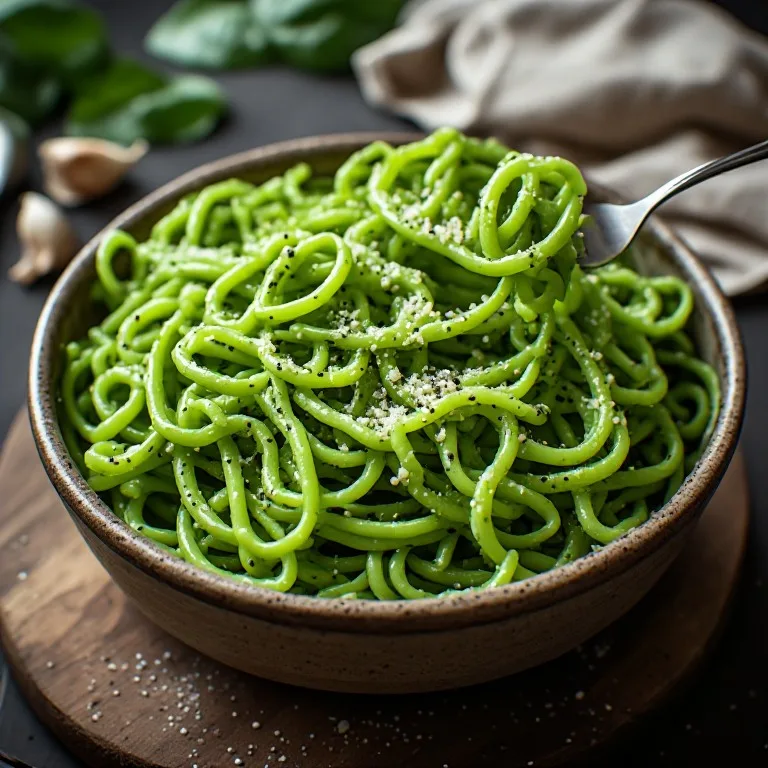
The viral TikTok spinach pici pasta recipe: blend fresh spinach into the dough instead of water — no food dye, no special equipment, neon-green homemade pasta in 40 minutes.

Easy Prep: 25 min Cook: 5 min Total: 30 min4 servings ~$4.50/serving
Prep25 min
Cook5 min
Total30 min
Servings
4
At home~$4.50/serving
vs
Restaurant~$20.25/serving
You save ~78%

The Story Behind the Recipe

Pici is one of Tuscany's oldest pasta shapes — a fat, hand-rolled strand that predates pasta machines by centuries. The traditional dough from Siena uses only flour, water, and a splash of olive oil. No eggs. Each strand is rolled by hand directly on a wooden board, which gives it uneven thickness and a satisfying chew that no extruded pasta can replicate. At a trattoria in Siena or Florence a bowl of pici all'aglione (garlic-tomato sauce) runs roughly €18–24; pici al ragù, €20–28. The TikTok innovation was replacing every drop of that water with fresh spinach. Blend a full 4-oz box of baby spinach with olive oil until smooth, mix in flour, and the moisture in the leaves hydrates the dough completely. The pasta turns neon green — no food dye, no spinach flavor once cooked — and the whole box of spinach hides in two servings.

A 2022 TikTok demonstrating the technique collected over 8 million views. The visual hook is undeniable: the finished strands look like bright-green spaghetti or, as thousands of comments note, like green beans you can eat with pasta sauce. Fresh pici cooks in 2 minutes, far faster than any dried pasta. The hand-rolling requires no equipment beyond a cutting board and your palms. The entire recipe costs under $2 per serving at home. The one technique that matters: keep the dough firm, not tacky. If it sticks to your hands, add flour one tablespoon at a time until the surface is smooth and dry to the touch.

Nutrition Facts

Per serving (4 servings)
Calories410
Total Fat20g
Total Carbs49g
Dietary Fiber3g
Sugars1g
Protein7g
Sodium310mg

* Estimated values based on standard recipe preparation. Actual values may vary.

Ingredients

  • For the dough
  • For the aglio e olio sauce

Instructions

💡
Pro tip: This recipe tastes even better the next day. The flavors need time to meld together in the fridge.
❄️
Storage: Keeps in an airtight container in the fridge for up to 2 weeks. Freezer-friendly for up to 3 months.
🎃 Free Halloween cookbook — download now The Copycat Halloween Cookbook A ready-made, photo-illustrated PDF of our best halloween copycat recipes — free to download, no building required. Pay what you want to support if you love it.

Free PDF — instant download. We'll also send new seasonal copycat recipes now and then; unsubscribe anytime. Or just download it →

A full box of baby spinach blended into flour, rolled by hand on a board, boiled for 2 minutes. That’s the recipe. No food coloring, no special equipment, no egg, no pasta machine. The result is thick, neon-green strands that look like spaghetti made of vegetables — which is, roughly, what they are.

The viral TikTok video showing this technique accumulated over 8 million views because the visual is so unexpected: homemade green pasta that requires nothing more than a food processor and your hands. And it works because of a single useful piece of food science: fresh baby spinach is 91% water, which means a box of it contains exactly enough moisture to hydrate a standard pici dough.

  • Blend 4 oz baby spinach + 1½ tbsp olive oil until completely smooth
  • Mix into 2 cups flour + ½ tsp salt — the spinach puree replaces all water
  • Knead 2 minutes, rest 20 minutes (don’t skip the rest)
  • Roll walnut-sized pieces by hand into ¼-inch strands on a floured board
  • Boil 2–3 minutes in salted water, toss in aglio e olio, serve immediately
  • Total time 40 minutes including rest; under $2 per serving at home
What Pici Actually Is

Pici is one of the oldest pasta shapes in Italy — a fat, hand-rolled strand from Siena province in Tuscany, roughly the thickness of a shoelace but much more irregular. The dough is simpler than egg pasta: traditionally just flour, water, and olive oil. The shape is intentionally imperfect: each strand varies because each strand is rolled individually between your palms on a board, not extruded through a die.

At a trattoria in Siena, a bowl of pici all’aglione (garlic and crushed tomato sauce) or pici cacio e pepe runs €18–24. At home with this three-ingredient dough, the same dish costs under $2 a plate.

The TikTok breakthrough was recognizing that spinach puree can directly replace the water in the dough. The moisture in fresh leaves hydrates the flour, the chlorophyll turns it green, and the flavor of raw spinach largely disappears once the pasta hits boiling water and then sauce. You get the visual drama, the hidden vegetable, and the same satisfying chew — all from three ingredients.

The Dough: What’s Happening

Traditional pici dough mixes flour with about 40% of its weight in water (100ml water per 250g flour). Fresh spinach is 91% water, so 113g of spinach (a standard 4-oz bag) provides roughly 103g of moisture — almost exactly that amount, plus olive oil for extensibility and a small amount of plant protein that reinforces the gluten network.

The result: a dough that’s firm but rollable, without the stickiness that comes from too much free water.

The critical variable is the spinach’s actual moisture level, which varies by freshness and whether the leaves were pre-dried. This is why the instructions call for adjusting with flour tablespoon by tablespoon rather than adding a fixed amount. A bag of slightly wilted spinach delivers less moisture than ultra-fresh leaves; a wet bag delivers more. The target dough consistency — firm Play-Doh, not tacky — is the reliable signal, not the exact gram count.

Rolling Pici: The Technique

Hand-rolling pici is not difficult, but it requires a specific technique that most pasta tutorials get slightly wrong. You’re not rolling the strand under your entire palm like a pencil. The correct motion:

  1. Place a walnut-sized piece of dough on the board
  2. Flatten it slightly with one hand
  3. Place your whole palm over it and roll forward — both away from you and back toward you
  4. As you roll, walk your fingers outward toward the edges of the strand, which elongates it while maintaining even thickness

The friction between the dough and the board is what drives the rolling. Too much flour on the board and the strand slides rather than rolls — it won’t elongate. A lightly dusted board (a thin, even coating) is right. Bare wood is even better if your dough isn’t too sticky.

Target thickness: ¼ inch (6mm). Target length: 10–12 inches. The pici will lose about 20% of their length when they drop into the boiling water and cool.

The 20-minute rest before rolling is not optional. Raw dough has high gluten tension — it will spring back to half its length every time you try to roll it longer. After 20 minutes of rest, the gluten relaxes and the dough stretches easily without fighting back.

The Sauce

The recipe here calls for aglio e olio — garlic and olive oil — which is the simplest possible pici accompaniment and the most traditional pairing in Tuscany. The technique is just as important as the pasta:

Garlic temperature is everything. Add the sliced garlic to cool olive oil, then bring the temperature up slowly together. This approach extracts more flavor from the garlic than dropping it into hot oil, and it gives you more control — garlic goes from golden (right) to burnt (bitter, acrid) in about 30 seconds of inattention. Golden is the target color.

Pull the pan off heat before adding the pici. The residual heat of the pan and the pasta water are enough to finish the sauce. Returning to high heat after the pici go in can dry the oil out and cause the pasta to stick.

The pasta water is the sauce binder. The ¼ cup of reserved pasta water contains dissolved starch from the pici. When that starchy liquid combines with the olive oil and tosses against the hot pasta surface, it forms a very light, translucent emulsion that coats every strand — the same mechanism behind cacio e pepe and carbonara. Without pasta water, the oil pools at the bottom of the bowl. Don’t skip it.

Other Sauces Worth Trying

Brown butter and sage: Brown 4 tablespoons of butter in a light-colored pan over medium heat until it smells nutty and turns hazelnut-colored, add 8–10 fresh sage leaves, let them crisp for 15 seconds, then pull from heat. Toss the drained pici directly in the pan. Add 2 tablespoons pasta water and a generous grating of Parmesan. The brown butter is richer and more complex than olive oil; the sage adds an herbal note that works especially well in fall.

Aglione sauce: This is the traditional Sienese preparation — the same one used at I Sodi’s classic pici all’aglione. Peel and gently cook a full head of garlic (8–10 cloves) in olive oil over very low heat for 20 minutes until completely soft and sweet. Add a 28-oz can of hand-crushed San Marzano tomatoes and simmer 15 minutes. The garlic dissolves into the sauce rather than standing out as a sharp, pungent element.

Mushroom ragù: Sauté 12 oz cremini or mixed mushrooms in olive oil with shallots until deeply browned and all liquid has evaporated, add ½ cup red wine and cook until absorbed, stir in ½ cup heavy cream and simmer 3 minutes. Toss with the pici and a handful of Parmesan. This sauce has enough body to cling to the thick strands without pasta water emulsification.

Cacio e pepe: Toss hot pici with a mix of finely grated Pecorino Romano and Parmesan (50/50), lots of freshly cracked black pepper, and pasta water — the same technique as classic cacio e pepe. The thick pici hold the sauce well; use more pasta water than you think you need and add the cheese off-heat to prevent seizing.

A Note on the Color

The raw dough is vivid neon green — it can look almost artificially bright. The cooked pasta will be a muted medium green, roughly the color of cooked broccoli. This is normal: chlorophyll oxidizes during the 2–3 minutes in boiling water, shifting from bright emerald to a softer olive-green. It’s still visually striking compared to standard pasta. If you want to preserve more color, slightly undercook the pici (2 minutes instead of 3) and serve immediately — the longer pici sit in hot sauce or on a warm plate, the more the color continues to dull.

This is the same reason a blanched green vegetable needs an ice water shock to stay bright: without that shock, the heat keeps breaking down the chlorophyll. You can’t shock the pici and then serve them hot, so accept the slightly muted green as the tradeoff for having properly cooked, not crunchy, pasta.
🥗

Make It Healthier

Love 3-Ingredient Spinach Pici Pasta (Viral TikTok) but want a lighter version? Try these simple swaps:

  • ✓Swap ¼ cup of the all-purpose flour for semolina flour — semolina adds protein and a slightly firmer bite, and the pasta absorbs less sauce oil
  • ✓To halve the sauce fat, use only 2 tablespoons olive oil and increase reserved pasta water to ½ cup; the starchy water creates a brothy coating that still clings to the pici
  • ✓Add 1 cup of halved cherry tomatoes to the garlic oil and cook 2 minutes until blistered before adding the pici — they add brightness and almost no calories
  • ✓Double the spinach in the dough to 8 oz for a deeper green color and more spinach per serving; the dough will be wetter, so add extra flour one tablespoon at a time until it stops sticking

Frequently Asked Questions

What is pici pasta and where does it come from?

Pici is a thick, hand-rolled pasta shape native to Siena province in Tuscany, though it's made throughout southern Tuscany. The name likely derives from 'appiciare,' the Sienese dialect verb for rolling. Traditional pici dough contains only flour, water, olive oil, and salt — no eggs, which distinguishes it from most other Italian fresh pastas. The shape is deliberately imperfect and irregular: each strand varies in thickness because it's rolled entirely by hand on a wooden board. Classic Sienese preparations include pici all'aglione (slow-cooked garlic-tomato sauce), pici cacio e pepe, and pici al ragù di cinghiale (wild boar ragù).

Why does the spinach completely replace water in the dough?

Fresh baby spinach is about 91% water by weight. When 113g of spinach is blended with olive oil, the pureed result contains enough moisture to fully hydrate 250g of flour to the correct dough consistency — the same way 90–100ml of water would in a traditional recipe. The spinach liquid also contains a small amount of protein and chlorophyll, which bind into the gluten network during kneading. The result is a dough that's slightly more forgiving than a plain flour-water dough and holds its green color well during the brief 2–3 minute cook time. The spinach flavor is very mild in the baked-in puree form and essentially disappears once the pasta is cooked and sauced.

My dough is too sticky to roll — what do I do?

Spinach varies in moisture content depending on how fresh the leaves are and how thoroughly they were dried before blending. If the dough sticks to your hands or the board, add all-purpose flour one tablespoon at a time, kneading it in fully before deciding whether more is needed. The finished dough should feel like firm Play-Doh — moist enough to be malleable, dry enough to not stick to a lightly floured surface. A common mistake is adding too much flour at once, which makes the dough crumbly and impossible to roll into smooth strands. Go slowly: one tablespoon, knead 30 seconds, test.

What other sauces work with spinach pici?

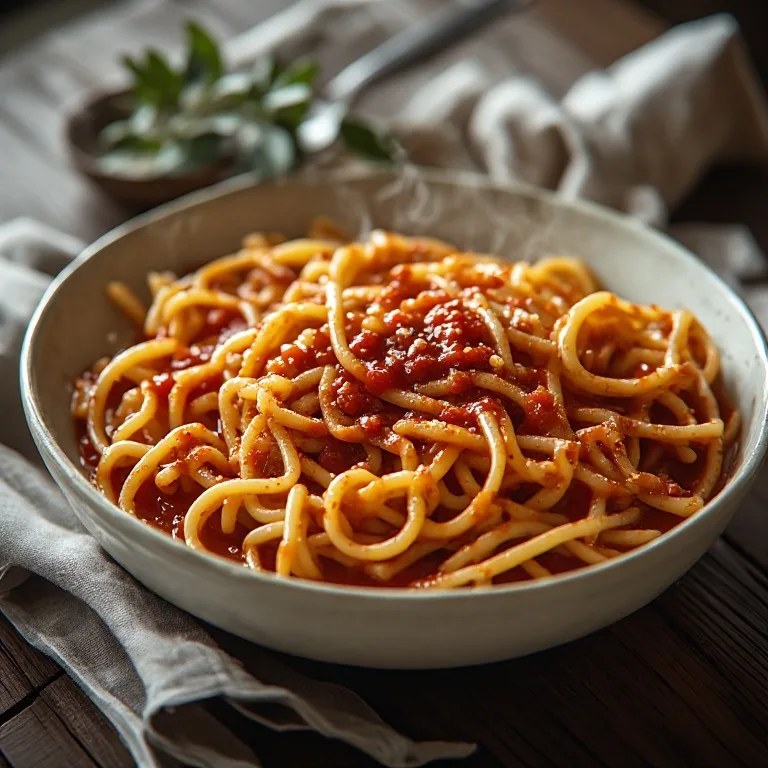
Aglio e olio is the simplest and most traditional pairing, but spinach pici works with any sauce that would pair with thick spaghetti. Butter and sage (brown the butter until it smells nutty, add whole sage leaves, toss the pici) is a classic Sienese combination. A simple canned tomato sauce with basil works well and lets the green color contrast visually. A mushroom ragù — cremini or porcini cooked down with shallots, red wine, and a little cream — is richer and works for a dinner party. The one sauce to avoid is very delicate seafood (light clam sauce, butter-poached lobster) — the wheaty chew of the pici overpowers subtle oceanic flavors that work better with thin pasta.

Can I make the dough ahead of time?

Yes. The wrapped dough keeps well in the refrigerator for up to 24 hours. Pull it out 30 minutes before rolling — cold dough is stiff and tears instead of stretching. You can also roll and cut all the pici ahead of time and let them dry on a floured sheet pan at room temperature for up to 2 hours before cooking. For longer storage, freeze the raw pici on the sheet pan until solid (about 45 minutes), then transfer to a freezer bag. Frozen pici cook directly from frozen in 4–5 minutes — add about 2 minutes to the cook time and fish one out to taste before pulling the batch.

Why does the finished pasta look much less green than the raw dough?

The bright neon-green color in raw spinach comes from chlorophyll, which is heat-sensitive. When the raw dough drops into boiling water, the chlorophyll partially oxidizes and shifts from a bright, vivid green to a more muted, olive-tinged green — the same reason blanched spinach turns dull if you don't shock it in ice water. The cooked pici will be a medium green rather than neon green, which is still visually striking compared to standard pasta. To preserve maximum color, cook just 2 minutes (undercooking slightly) and serve immediately — the longer it sits in hot water or sauce, the more the color mutes.

Love this recipe? Share it!

Free PDF: our 12 most-wanted copycat recipes — instant download.

Made it? Buy us a coffee

Every recipe here is free, with no paywalls. If this one was a hit at your table, a small tip keeps new copycats coming.

$

Ratings & Reviews

—
No ratings yet

Rate this recipe

Click a star to rate

Leave a Review

0/500

CS

Copycat Spices Editorial

Researched + fact-checked. Every recipe on Copycat Spices is built from published sources — official ingredient lists, brand-published recipes, interviews and food-science references — and fact-checked before it goes live, then written as clear, step-by-step instructions for home cooks of all skill levels.

Learn more about our mission →