

Pin It

Viral TikTok Stuffed Manicotti (No-Boil, One Pan, 4-Ingredient Filling)

Viral TikTok Stuffed Manicotti (No-Boil, One Pan, 4-Ingredient Filling)
Jump to Recipe
Prep 20 min Cook 60 min Serves 6
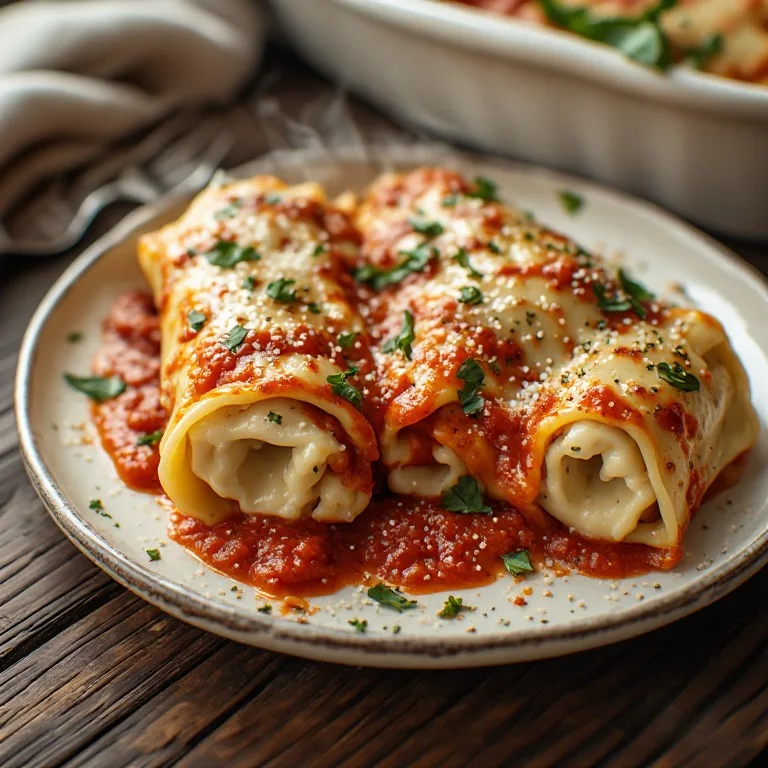
Quick answer: Do not boil the manicotti first. Drain 2 cups whole-milk ricotta in a fine-mesh strainer for 30 minutes, then mix with 1 cup shredded mozzarella, ½ cup Parmesan, 2 eggs, 1 teaspoon Italian seasoning, salt, and pepper. Fill a zip-lock bag with the ricotta mixture, snip one corner, and pipe it into 12 dry, uncooked manicotti tubes. Spread 1 cup of good marinara on the bottom of a 9x13 baking dish. Lay the filled raw tubes in a single layer. Pour the remaining 2 cups of marinara over the top, making sure every inch of every tube is covered in sauce — any exposed dry pasta will stay crunchy. Top with 1 cup shredded mozzarella. Cover tightly with foil. Bake at 375°F for 45 minutes, then remove the foil and bake 15 minutes more until the cheese is bubbly and browned and a knife slides into a tube with zero resistance. Rest 10 minutes before serving.

Shop the tools

Gear matched to this recipe. These are Amazon affiliate links — we may earn a small commission if you buy, at no extra cost to you.

As an Amazon Associate, Copycat Spices earns from qualifying purchases. Product images are generic illustrations, not the exact item listed.

Viral TikTok Stuffed Manicotti (No-Boil, One Pan, 4-Ingredient Filling)

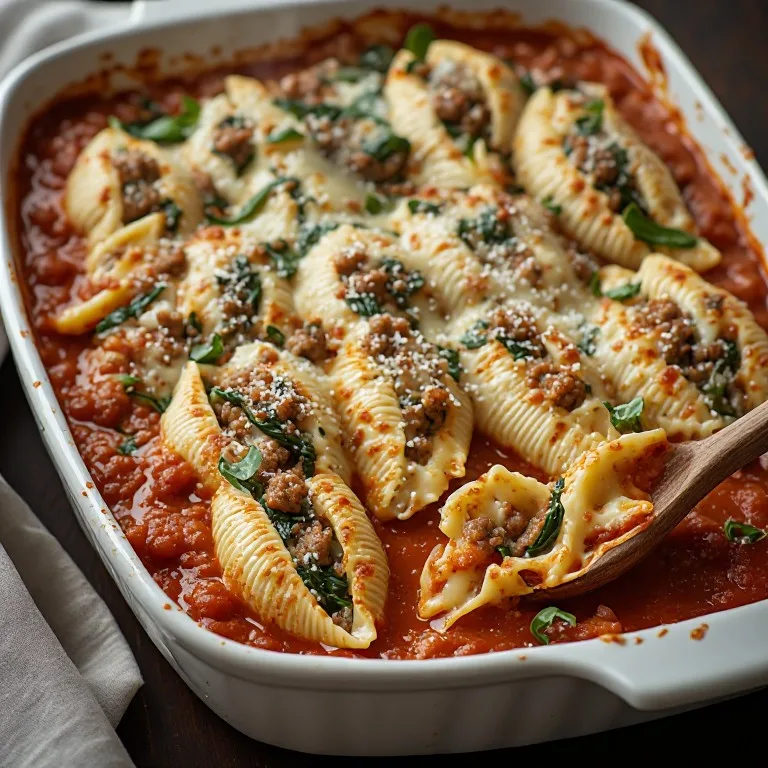
The viral TikTok no-boil stuffed manicotti: raw pasta tubes stuffed with ricotta, baked directly in marinara so the pasta cooks in the oven. Three mistakes that make home versions watery or crunchy — and how to fix them.

Easy Prep: 20 min Cook: 60 min Total: 1h 20m6 servings ~$4.50/serving
Prep20 min
Cook60 min
Total1h 20m
Servings
6
At home~$4.50/serving
vs
Restaurant~$20.25/serving
You save ~78%

The Story Behind the Recipe

The viral TikTok no-boil stuffed manicotti: raw pasta tubes stuffed with ricotta, baked directly in marinara so the pasta cooks in the oven. Three mistakes that make home versions watery or crunchy — and how to fix them.

Nutrition Facts

Per serving (6 servings)
Calories520
Total Fat24g
Total Carbs42g
Dietary Fiber3g
Protein28g

* Estimated values based on standard recipe preparation. Actual values may vary.

Ingredients

  • For the filling
  • For the dish

Instructions

💡
Pro tip: This recipe tastes even better the next day. The flavors need time to meld together in the fridge.
❄️
Storage: Keeps in an airtight container in the fridge for up to 2 weeks. Freezer-friendly for up to 3 months.
🎃 Free Halloween cookbook — download now The Copycat Halloween Cookbook A ready-made, photo-illustrated PDF of our best halloween copycat recipes — free to download, no building required. Pay what you want to support if you love it.

Free PDF — instant download. We'll also send new seasonal copycat recipes now and then; unsubscribe anytime. Or just download it →

TikTok’s No-Boil Stuffed Manicotti — Three Mistakes That Make It Watery or Crunchy (and How to Fix Them)

Stuffed manicotti hit a second wave of viral attention on TikTok not because the recipe is new — it is a mid-20th century Italian-American classic — but because of a technique shift. The no-boil version, where you stuff dry, uncooked pasta tubes and let them cook directly in the sauce in the oven, removes the step that made traditional manicotti genuinely annoying: boiling delicate tubes, watching them tear, trying to stuff slippery floppy pasta without making a mess.

The no-boil method makes the whole thing easy. A zip-lock bag turns filling into a piping operation you can do in four minutes. A tight foil seal turns your oven into the pasta-cooking environment. You get the same finished result with a fraction of the frustration.

The problem is that TikTok shows the finished dish but skips the three technique details that determine whether it works:

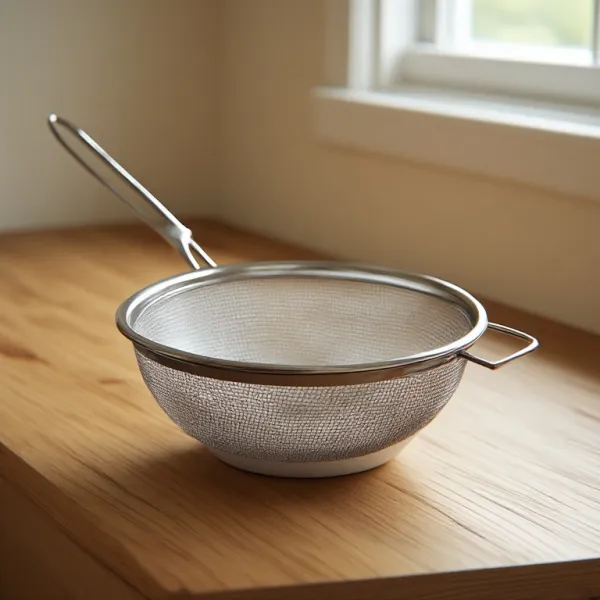
One: Undrained ricotta. Most supermarket ricotta in the US contains significant excess moisture. When that moisture heats in a sealed baking dish, it releases as steam, liquifies the filling, and pools at the bottom of the pan. The fix is simple — set a strainer over a bowl, line it with cheesecloth, scoop in the ricotta, and let it drain for 30 minutes. The yellowish liquid that comes out is whey. Everything left in the strainer produces a clean, firm, sliceable filling.

Two: Exposed pasta. The no-boil technique works because the pasta hydrates slowly from the moisture in the surrounding sauce. Any section of tube that is not covered in sauce does not have access to that moisture. The result is a tube that is perfectly tender where the sauce touches it and firmly crunchy where it does not. This is not a heat problem — it is a sauce-coverage problem. Use enough sauce to submerge every tube completely, seal the foil tightly, and every millimeter of pasta hydrates evenly.

Three: Skipping the rest. Manicotti needs 10 minutes off heat before serving. The filling is a protein matrix — eggs, ricotta, mozzarella — that continues to set as it cools slightly. Served straight from the oven, the filling is loose and the tubes collapse when you try to plate them. After 10 minutes, the filling firms to the texture of a set quiche. It slices cleanly, holds its shape, and looks like the TikTok photos that made you want to make it in the first place.

Get these three right and stuffed manicotti is one of the most satisfying pasta bakes you can make with 20 minutes of active work.
Frequently Asked Questions

Why does TikTok say not to boil manicotti before stuffing it?

Two reasons. First, uncooked dry manicotti tubes are rigid and easy to pipe filling into with a zip-lock bag. Boiled tubes are slippery, floppy, and tear when you try to stuff them — it is genuinely difficult and frustrating work. Second, the no-boil method produces better results: the raw pasta absorbs liquid slowly and evenly from the surrounding sauce as it bakes, rather than arriving pre-cooked and then sitting in a bath of sauce until it goes soft and waterlogged. The final texture of no-boil manicotti is firmer and less mushy than the boiled-first version. The only requirement is enough sauce to completely surround every tube — the sauce is the cooking liquid.

How do I know if the manicotti is done?

Press the tip of a knife or a toothpick into the side of a tube at the 45-minute mark (when you remove the foil). If the knife meets any resistance — any at all — the pasta is not done; recover and bake 10 more minutes, then test again. A fully cooked manicotti tube offers zero resistance: the knife passes through it as easily as soft butter. The second test is to lift one tube slightly with a fork and feel whether it bends or stays rigid. A rigid tube is underdone. Doneness times vary based on how much sauce is in the dish, how tightly the foil was sealed, and oven calibration — the knife test is more reliable than the timer.

Can I make stuffed manicotti ahead of time?

Yes — this is one of the best make-ahead pasta bakes. Assemble the dish through step 5 (all tubes filled, covered in sauce, topped with the first ½ cup of cheese), cover tightly with foil, and refrigerate for up to 24 hours. Do not add the top layer of mozzarella until just before baking. When you bake it from cold, add 10 to 15 minutes to the covered baking time. The assembled dish can also be frozen (without the top cheese layer) for up to 3 months; thaw in the refrigerator overnight before baking.

Can I use different cheese in the filling — no ricotta?

The Italian-American version with ricotta is standard, but two common alternatives work well. Cottage cheese (blended smooth in a food processor) is a 1:1 substitute with higher protein and lower fat; drain it as you would the ricotta. Cream cheese blended with shredded mozzarella makes a richer, denser filling that holds together extremely well — use 8 oz softened cream cheese plus 1½ cups shredded mozzarella in place of the ricotta. For a lighter, lower-calorie version, Greek yogurt stirred into the ricotta (half and half) reduces fat without changing the filling texture significantly, but the yogurt's higher acidity means you must fully drain the blend or the filling will be loose.

My manicotti came out watery and the filling is loose. What went wrong?

Three causes, in order of likelihood: (1) The ricotta was not drained. Undrained supermarket ricotta contains enough excess whey to completely liquify a baked filling. The drain step is not optional. (2) Frozen spinach was added without squeezing dry. Spinach can hold a remarkable amount of water — a 10-oz package that was only partially squeezed can release enough liquid in the oven to waterlog the entire dish. Wring it until absolutely no more liquid comes out. (3) The foil seal was loose and steam escaped during the covered bake phase. Steam is moisture, and moisture that escapes is moisture that cannot help cook the pasta — this usually produces the opposite problem (under-cooked pasta) but in combination with undrained ricotta can produce watery filling.

I can't find manicotti tubes — what can I use instead?

Cannelloni tubes are the direct swap: they are the same shape, take the same filling, and cook identically with the no-boil method — most brands are interchangeable, though cannelloni tubes sometimes run slightly shorter and you may fit 14 to 16 in a 9x13 dish. If you can't find either tube, use no-boil (oven-ready) lasagna sheets: soak each sheet in warm water for 1 minute until pliable, spread a few tablespoons of filling along one edge, roll into a log, and lay the rolls seam-side down in the sauce. The rolls cook the same way — completely submerged in sauce, foil-sealed. Do not substitute standard dry manicotti with regular (non-oven-ready) lasagna sheets unless you soften them first; rigid flat sheets crack when rolled.

Can I add meat to stuffed manicotti?

Yes. Two popular additions: (1) Italian sausage — remove casings from 2 links (about 8 oz), brown the sausage in a skillet, breaking it into small crumbles, drain the fat, and let it cool completely before stirring it into the ricotta filling. (2) Ground beef or turkey — brown and drain 8 oz, season with salt, pepper, and garlic powder, cool completely before adding to the filling. Meat must be fully cooked and cooled before it goes into the filling; raw meat in a ricotta-stuffed tube does not cook through reliably during the bake time. Do not add more than 8 oz of cooked meat per batch — too much meat makes the filling dense and dry.

Love this recipe? Share it!

Free PDF: our 12 most-wanted copycat recipes — instant download.

Made it? Buy us a coffee

Every recipe here is free, with no paywalls. If this one was a hit at your table, a small tip keeps new copycats coming.

$

Ratings & Reviews

—
No ratings yet

Rate this recipe

Click a star to rate

Leave a Review

0/500

CS

Copycat Spices Editorial

Researched + fact-checked. Every recipe on Copycat Spices is built from published sources — official ingredient lists, brand-published recipes, interviews and food-science references — and fact-checked before it goes live, then written as clear, step-by-step instructions for home cooks of all skill levels.

Learn more about our mission →