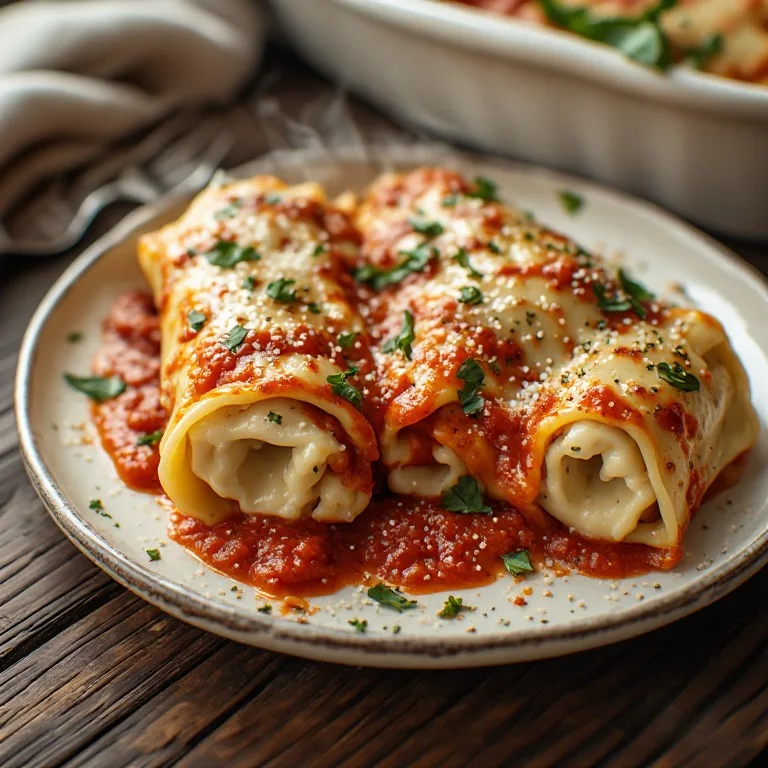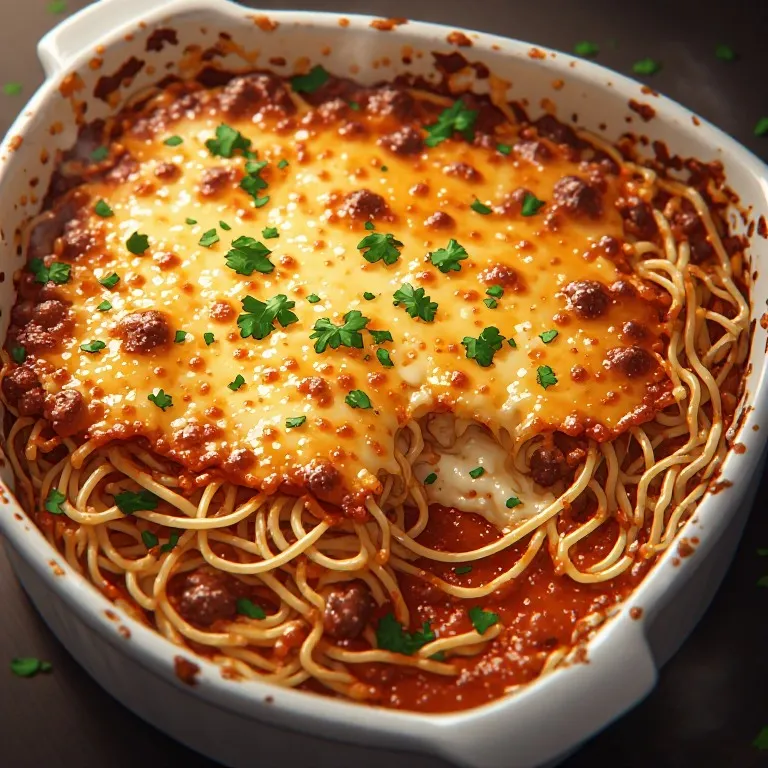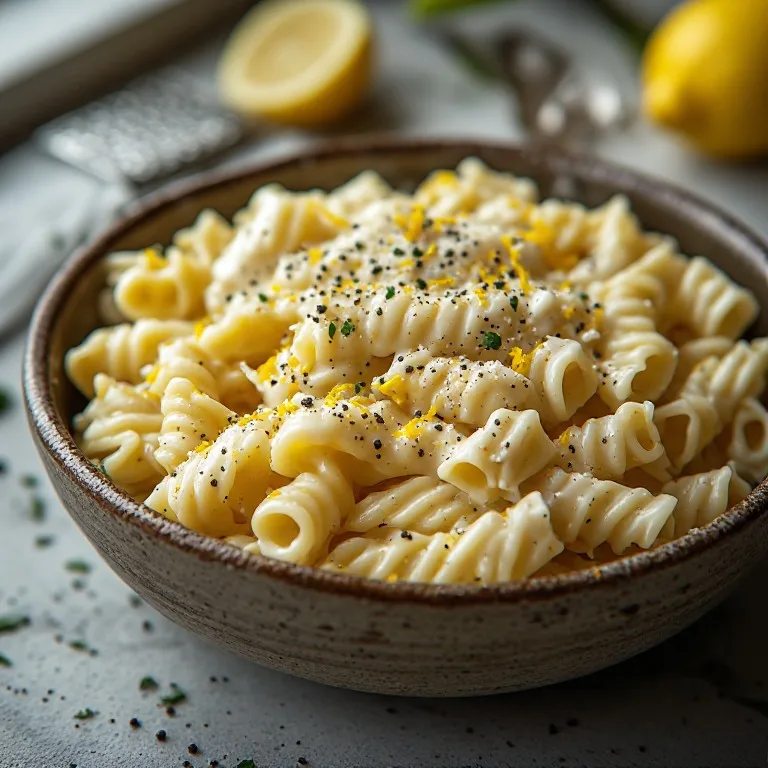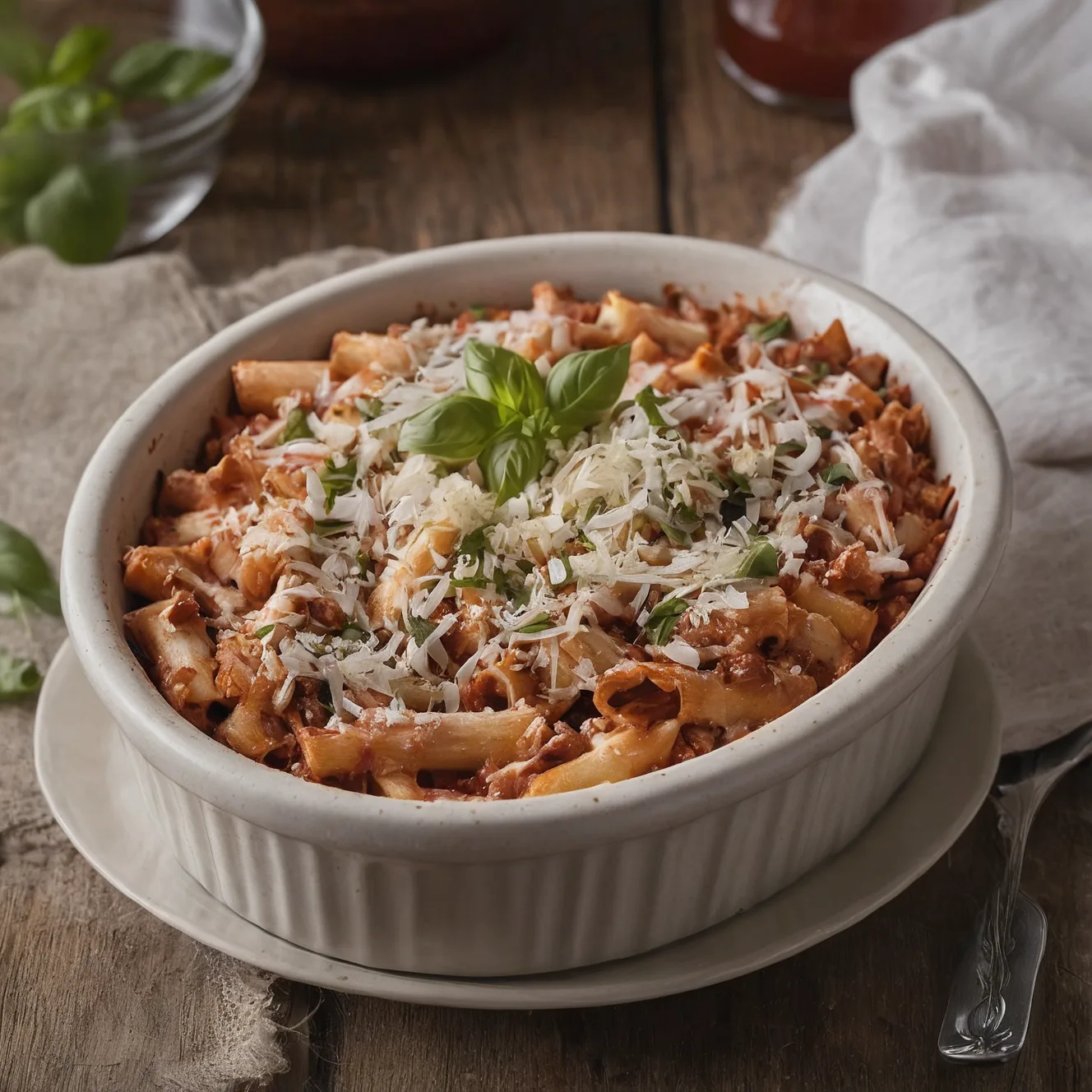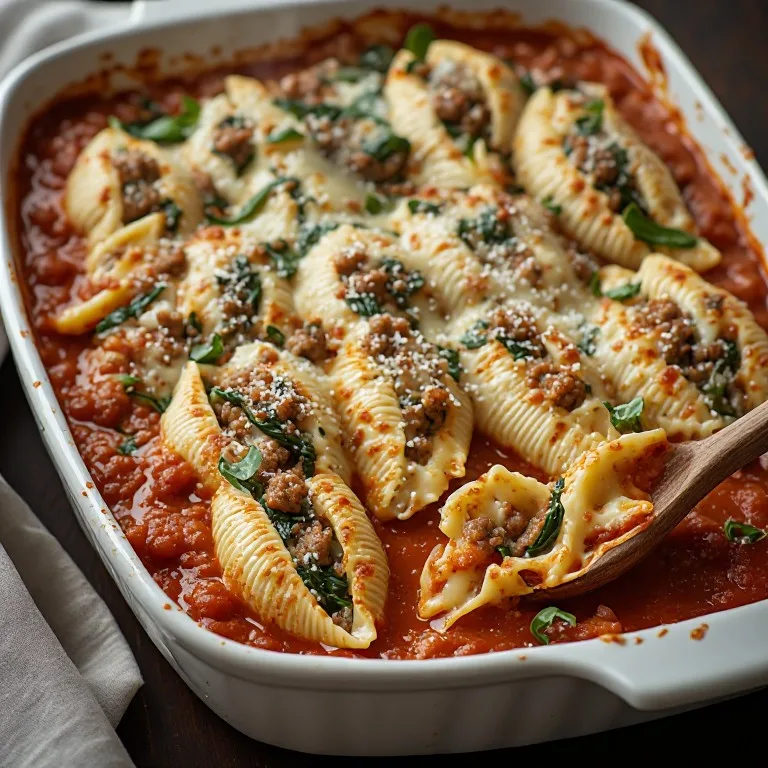


Stuffed shells are the fall baked pasta that never stopped trending — the kind of pan that feeds six, freezes perfectly, and gets better the second day. And yet most home versions land watery, loose, and vaguely disappointing. The fix is not a new ingredient or a technique that requires skill. It’s patience: drain the ricotta.
The One Step That Changes Everything
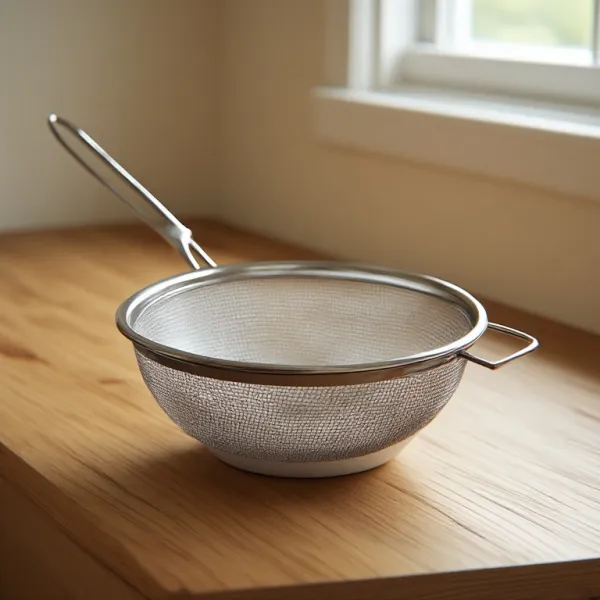
Whole-milk ricotta holds more water than almost any other dairy product in your fridge. Pour it straight into your filling and that water bakes out, pools at the bottom of every shell, and turns your carefully assembled dish into a soup. Set the ricotta in a fine-mesh strainer over a bowl 30 minutes before you start cooking. Walk away. When you come back, you’ll find a quarter cup or more of clear liquid in the bowl. Your filling, made from the drained ricotta, will be thick, spreadable, and dry enough to hold its shape in the oven. That’s it — that’s the whole technique.
The spinach is the second place excess water hides. Thawed frozen spinach needs to be wrung in a kitchen towel until the towel comes away dry. Squeeze it harder than feels necessary, then squeeze it again. The amount of liquid in “squeezed” frozen spinach is remarkable until you’ve actually measured it.
Why Shells Are Different from Manicotti
The no-boil technique works for manicotti (tube-shaped pasta) because the open ends of the tube allow steam to move through and rehydrate the pasta evenly. Jumbo shells are closed on one side — the bottom of the bowl doesn’t get enough steam contact to cook through from raw. Par-cook them for about 9 minutes — a few minutes short of the full package time. They’ll be pliable enough to fill without cracking, and they’ll finish cooking in the oven without going mushy.
Building the Dish
The assembly order matters for the flavor of the finished pan. The first cup of marinara on the bottom prevents the shells from sticking and scorching. The remaining sauce poured over the top creates the steaming liquid that finishes the pasta. Every shell needs sauce touching it — any exposed shell edges will dry out and turn crunchy. Push them close together.
Resting the finished pan for 10 minutes isn’t optional. The filling sets as it cools and holds its shape when you cut in. Serve immediately out of the oven and the interior slides out in a warm, undifferentiated mass.
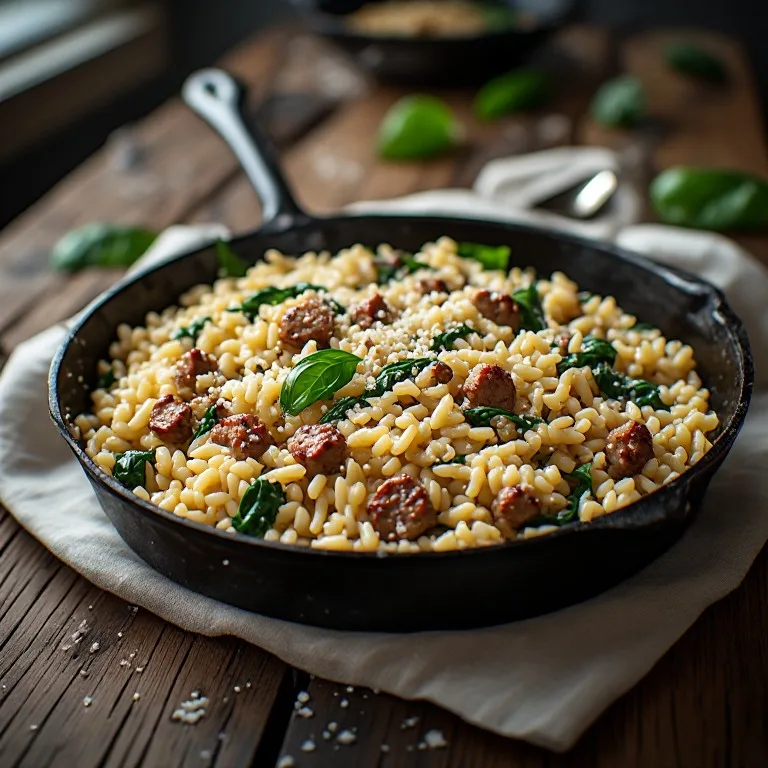
If stuffed shells are your entry point into baked Italian-American pasta, the stuffed manicotti is the pure-ricotta, no-boil sibling and worth having in your rotation alongside this version. For something less hands-on with similar comfort, the creamy Italian sausage orzo comes together in 30 minutes flat.