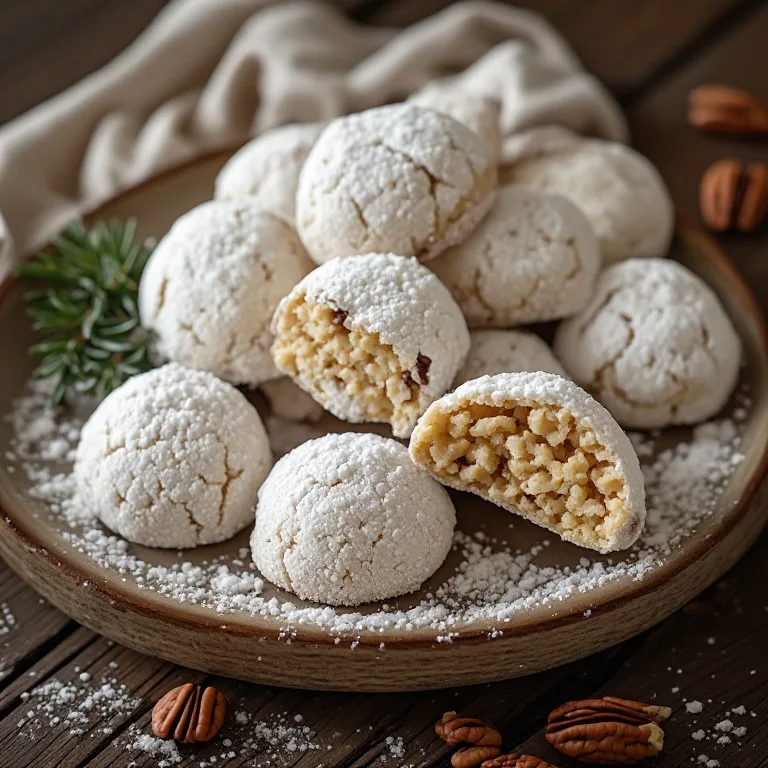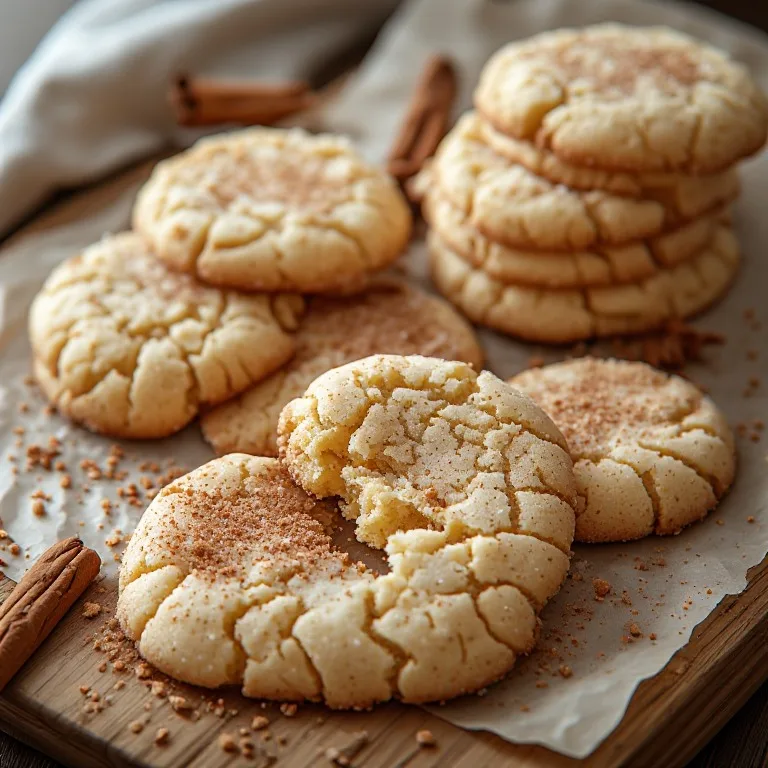
Whipped shortbread cookies are the rare recipe where the technique is the ingredient. The butter, flour, and sugar are all pantry staples — but 5 to 6 minutes of whipping turns them into something a bakery would charge $4 a piece for. The long beat is not optional and it’s not excessive: it is the step that makes these melt in your mouth instead of crumbling like a standard shortbread.
Why the beating time matters
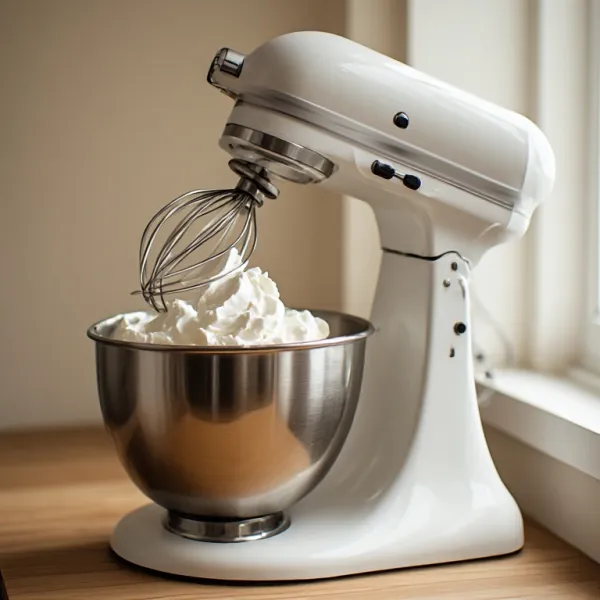
Regular butter cookies are creamed for 2 to 3 minutes. Whipped shortbread is beaten for 5 to 6. The difference is structural: 2 to 3 minutes smooths the butter and begins incorporating sugar; 5 to 6 minutes transforms the butter into a white, nearly doubled-in-volume foam of trapped air bubbles and emulsified fat.
When that aerated dough bakes, the air expands and the structure sets around it, producing a cookie that’s lighter, more porous, and more fragile than a standard shortbread — one that dissolves against your palate rather than requiring a chew.
The visual test: after 2 minutes of beating butter alone, the mixture is pale yellow and smooth. After 3 to 4 more minutes with the powdered sugar, it should be almost white, roughly doubled in volume, and look like stiff whipped cream. The entire beating process takes 5 to 6 minutes. If your mixture still looks yellow and dense after 5 minutes, your butter was too cold — let it sit another 10 minutes at room temperature and beat again.
The cornstarch role
Cornstarch replaces 25% of the flour in this recipe. Its job is to prevent gluten from forming. Gluten is what makes bread chewy and baguettes springy — desirable in many baked goods, actively unwanted in melt-in-your-mouth cookies. Cornstarch molecules physically interrupt gluten strand formation as the flour hydrates in the dough, keeping the final texture crumbly and tender.
Rice flour does the same job (and is actually the traditional choice in some Scottish shortbread recipes). Potato starch works in a pinch. Plain all-purpose flour as a 1:1 substitute for the cornstarch will produce a noticeably chewier, denser result.
The ratio — 1½ cups flour to ½ cup cornstarch — is the standard developed across dozens of home-baker iterations on TikTok and baking forums. It produces cookies that hold their shape without being fragile to the point of falling apart on the cooling rack, while still giving the melt-in-your-mouth result.
The decoration
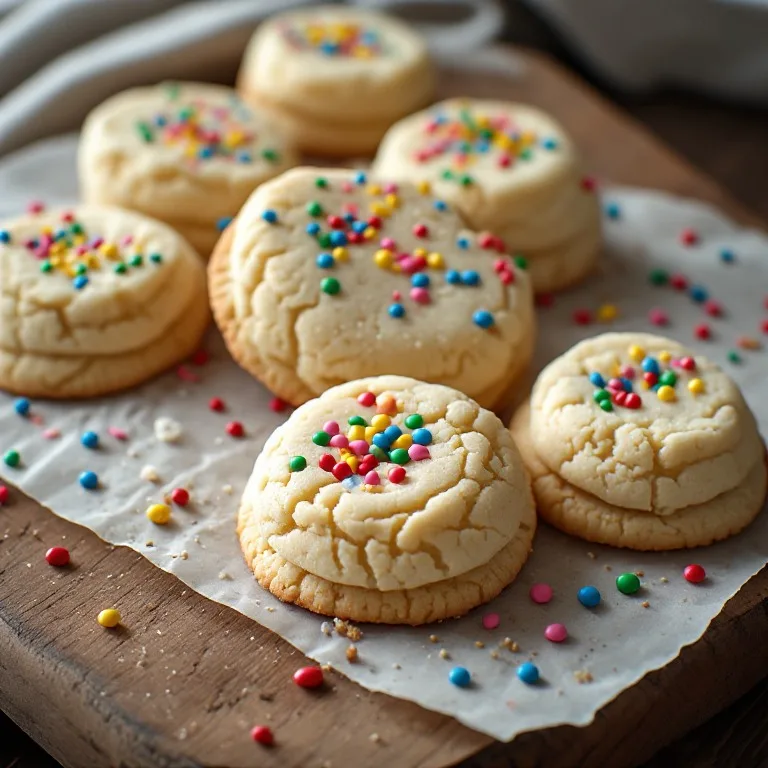
The sprinkle moment is a big part of why this recipe performs so well on video: you press a cluster of rainbow nonpareils or jimmies into the center of each raw cookie, and the contrast between the pale white dough and the bright sprinkles reads immediately in a scroll. A half maraschino cherry pressed into the center (patted dry so no excess juice hits the dough) gives a more classic holiday presentation — the cherry roasts slightly in the oven and turns jammy.
Whatever you use, press lightly. The goal is to anchor the decoration, not flatten the cookie.
No chilling required
Unlike most butter cookie doughs, whipped shortbread does not need to be chilled before baking. The low oven temperature (325°F) and the structure of the dough mean the cookies set before they spread significantly. If your kitchen is very warm and the dough feels soft and greasy after mixing, you can refrigerate the scooped, decorated cookies on the baking sheet for 15 to 20 minutes before baking — this firms the fat and helps the cookies hold their shape. But in a standard kitchen, the dough goes straight from the bowl to the oven.
What “done” looks like
These cookies look underbaked when they’re done. The tops are pale, matte, and give slightly under gentle fingertip pressure. The bottoms are off-white, with at most a faint creamy color — no golden brown at all. A cookie that looks golden on top is overbaked and will be dry.
The test: let one cookie cool on the pan for 5 minutes, then lift it. If it holds its shape and the center isn’t doughy or wet when you break it in half, the batch is done. If the inside is still wet and underset, add 2 minutes and recheck. The cookies firm considerably as they cool — a cookie that feels soft and fragile at 10 minutes on the pan will be stable and firm after 20 minutes of cooling.