

Pin It

Yellow Sheet Cake with Warm Pourable Chocolate Frosting

Yellow Sheet Cake with Warm Pourable Chocolate Frosting
Jump to Recipe
Prep 10 min Cook 37 min Serves 12
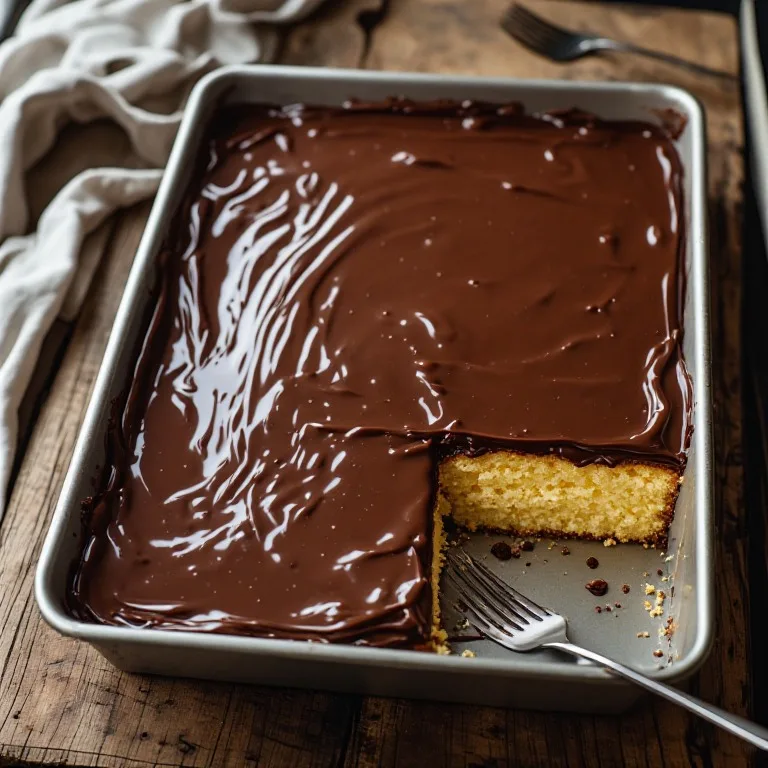
Quick answer: The viral TikTok yellow cake uses a box of Betty Crocker Butter Yellow cake mix with four swaps: 4 eggs instead of 3, whole milk instead of water, melted butter instead of oil, and the oven lowered to 315°F. Bake 37 minutes in a 9x13 pan, then microwave one can of Betty Crocker chocolate frosting for 20 seconds until pourable and pour it over the still-warm cake so it settles into a glossy, fudgy layer.

Shop the tools

Gear matched to this recipe. These are Amazon affiliate links — we may earn a small commission if you buy, at no extra cost to you.

As an Amazon Associate, Copycat Spices earns from qualifying purchases. Product images are generic illustrations, not the exact item listed.

Yellow Sheet Cake with Warm Pourable Chocolate Frosting

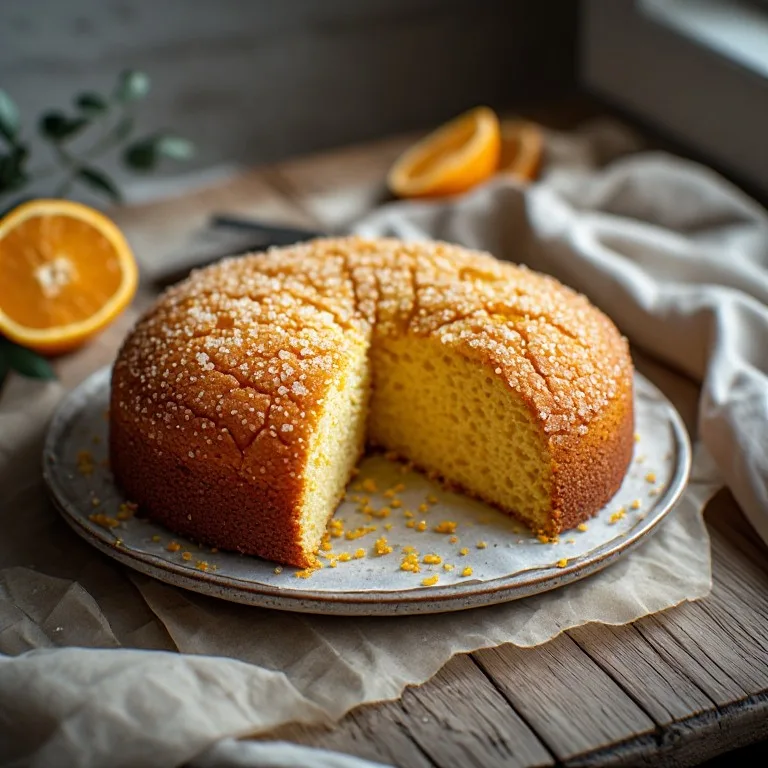
The viral TikTok yellow cake recipe: four swaps to a box mix (butter for oil, milk for water, an extra egg, and a lower oven temp) produce a genuinely bakery-moist yellow sheet cake. The warm pourable frosting is the finishing move that makes it look and taste like it cost $40 from a bakery counter.

Easy Prep: 10 min Cook: 37 min Total: 47 min12 servings ~$2.10/serving
Prep10 min
Cook37 min
Total47 min
Servings
12
At home~$2.10/serving
vs
Restaurant~$9.45/serving
You save ~78%

The Story Behind the Recipe

The TikTok yellow cake hack traces to creator @theotherkaee (Kendric Jacobs), whose 2025 video showing the side-by-side comparison — standard box instructions vs. four simple swaps — racked up millions of views because the result looked genuinely wrong for a boxed cake. A grocery store run, 10 minutes of mixing, and 37 minutes in the oven produced something that bakeries charge $40 for. That contrast is why it spread: the bar was low (a box mix) and the payoff was visually obvious.

The four changes are individually minor but collectively transformative. Butter replaces oil because butter is ~80% fat with water and milk solids that create tiny steam pockets during baking — more rise and a richer flavor. Milk replaces water because the fat and protein in milk tenderize the crumb and deepen the color. The extra egg yolk adds lecithin, which acts as an emulsifier and helps fat distribute evenly through the batter. And lowering the oven temperature from 350°F to 315°F extends the bake long enough for the crumb to set slowly — the difference between a dry exterior and an evenly moist interior is almost entirely that 35-degree drop.

Nutrition Facts

Per serving (12 servings)
Calories390
Total Fat18g
Total Carbs54g
Dietary Fiber1g
Sugars38g
Protein5g
Sodium340mg

* Estimated values based on standard recipe preparation. Actual values may vary.

Ingredients

Instructions

💡
Pro tip: This recipe tastes even better the next day. The flavors need time to meld together in the fridge.
❄️
Storage: Keeps in an airtight container in the fridge for up to 2 weeks. Freezer-friendly for up to 3 months.
🎃 Free Halloween cookbook — download now The Copycat Halloween Cookbook A ready-made, photo-illustrated PDF of our best halloween copycat recipes — free to download, no building required. Pay what you want to support if you love it.

Free PDF — instant download. We'll also send new seasonal copycat recipes now and then; unsubscribe anytime. Or just download it →

Yellow Sheet Cake with Warm Pourable Chocolate Frosting

The viral TikTok yellow cake isn’t a secret recipe. It’s a $3 box of Betty Crocker and four changes to what’s written on the back. The result is a sheet cake that photographs like a bakery, tastes genuinely moist rather than boxed-dry, and takes fifteen minutes of active work. That ratio — minimal effort, dramatic result — is exactly why the video hit millions of views.

The method is from creator Kendric Jacobs (posting as @theotherkaee / @theotherkendric), who put up a side-by-side comparison showing the obvious difference between standard box instructions and the four-swap version. Viewers kept sharing it — the clip has racked up millions of views — because the logic is airtight: every swap has a reason, and the reasons work.

If you like turning a cheap base into something that tastes bakery-made, the same payoff drives our Momofuku Milk Bar birthday cake and our boxed-mix-beating Nothing Bundt Cakes chocolate chocolate chip.

The Four Swaps

Extra egg. The box calls for three; use four. The additional yolk adds lecithin — a natural emulsifier that helps fat distribute evenly through the batter. More emulsification means a finer, more tender crumb and that extra-yellow color the original box never quite achieves.

Butter for oil. Oil is 100% fat; butter is about 80% fat with water and milk solids. In a cake that bakes slowly, those milk solids brown slightly and add depth of flavor. The water creates steam, which contributes to lift. The result is a richer, more complex flavor than oil produces.

Whole milk for water. The fat and protein in whole milk interact with the flour differently than water does. Protein from the milk (casein) helps tenderize gluten development, and the fat coats the starch granules as they hydrate — that’s the mechanism behind the “moist” quality that water simply can’t replicate.

315°F instead of 350°F. This is the quietest change with the biggest structural effect. The lower temperature extends the bake by 5–8 minutes and lets the whole pan come up to temperature more evenly. The edge-to-center moisture gradient that dries box cakes on the outside shrinks dramatically at 315°F. (In the original video the creator also bakes in a smaller, deeper 9x11 pan — a big reason the temperature came down. In a standard 9x13, keep 315°F and just start checking at 35 minutes.) Pull the cake with a few moist crumbs on the toothpick, not a clean pull.

The Warm Frosting Pour

Cold frosting spread over a warm cake shreds the surface. The viral version skips spreading entirely: microwave the frosting 20–25 seconds until it’s fluid, and pour it directly onto the still-warm cake. It flows to the edges, settles flat on its own, and the residual heat from the cake partially melts the frosting so both cool together into a fused, fudgy layer.

The glossy visual payoff — that mirror-smooth, deeply chocolate top — happens because the warm frosting sets in place rather than being disturbed by a spatula. Let it flow. Do not spread. Let it cool undisturbed for the full 45 minutes before cutting.

Serving and Storage

Cut 12 squares directly from the pan. The corners (where the crumb is slightly more caramelized and the frosting pools at the edges) are widely agreed to be the best pieces.

The cake improves overnight: the crumb fully sets, the frosting firms to a fudgy chew, and the butter flavor deepens. Cover the pan with plastic wrap at room temperature; refrigerate after day 2. Individual slices freeze perfectly — wrap in plastic, then foil, and freeze up to 3 months. Thaw on the counter for 30 minutes. The frosting retains its fudgy texture through a full freeze-thaw cycle.

From-Scratch Version

If you want to build it without a box, a standard yellow butter cake formula works: 2.5 cups cake flour, 2 tsp baking powder, 1/2 tsp salt, 1 cup room-temperature unsalted butter, 1.75 cups sugar, 4 large eggs, 1 cup whole milk, 2 tsp vanilla. Cream butter and sugar at medium-high speed for 4 full minutes until pale and airy. Add eggs one at a time. Alternate adding flour mixture and milk in three additions each. Bake at 325°F (a touch higher than the box hack) for 30–35 minutes. Apply the warm pour frosting exactly the same way.

For the chocolate frosting from scratch: beat 1 cup unsalted butter until fluffy, add 1/2 cup sifted Dutch-process cocoa, then alternate 4 cups sifted powdered sugar with 4–5 tablespoons heavy cream until the consistency is just spreadable. Add 1 tsp vanilla and a pinch of salt. Warm in the microwave 15–20 seconds before pouring.

Once you’re comfortable baking a yellow cake from scratch, the gooey, warm-from-the-oven Mastro’s butter cake is the natural next project — same buttery base, a molten center instead of a frosting pour.
🥗

Make It Healthier

Love Yellow Sheet Cake with Warm Pourable Chocolate Frosting but want a lighter version? Try these simple swaps:

  • ✓Use 2% milk instead of whole — it still produces a noticeably moister cake than water and saves about 15 calories per slice
  • ✓Reduce the frosting to half a can (pour just the top half of the microwaved can) — you still get a glossy fudgy layer, and you save roughly 90 calories per slice
  • ✓Cut the cake into 16 smaller squares instead of 12 for a more reasonable dessert portion — the chocolate frosting is rich enough that a smaller piece still satisfies
  • ✓Let the cake cool completely and refrigerate before cutting — chilled slices are easier to portion without the frosting smearing, and the cold cake is denser and more satisfying at a smaller serving size

Frequently Asked Questions

Why does the viral TikTok yellow cake use 315°F instead of 350°F?

The lower temperature extends the bake time, allowing the crumb to set slowly and evenly. At 350°F, the edges of a 9x13 sheet cake cook significantly faster than the center — by the time the center is done, the edges are starting to dry out. At 315°F the whole pan comes up to temperature more gradually. The tradeoff is 5–8 extra minutes of bake time, which is worth it: the interior stays fudgy-moist all the way to the edges.

Does it matter which Betty Crocker yellow mix I use?

The Betty Crocker Super Moist Butter Yellow variety is the recommended one because it already has butter flavoring built in — the extra butter swap reads more noticeably in that base. Duncan Hines Butter Recipe Golden also works well. A plain yellow or golden mix (without butter flavoring) produces a slightly less rich result but still benefits from the swaps. Avoid sugar-free mixes — the artificial sweetener chemistry behaves differently at lower temperatures.

Can I make this with homemade batter instead of a box mix?

Yes. Use a classic yellow butter cake recipe: 2.5 cups cake flour, 2 tsp baking powder, 1/2 tsp salt, 1 cup room-temperature butter, 1.75 cups sugar, 4 large eggs, 1 cup whole milk, 2 tsp vanilla. Cream butter and sugar 4 minutes, add eggs one at a time, alternate flour mixture and milk, bake at 325°F for about 35 minutes. The same warm-pour frosting technique applies. From scratch requires more time but allows you to control sugar and fat levels.

Why pour the frosting warm instead of spreading it at room temperature?

Cold frosting spread over a warm cake tears the top and lifts crumbs — the friction between stiff frosting and a soft, hot cake surface causes the top to shred. Warm pourable frosting flows without resistance, settles into an even layer on its own, and partially adheres to the warm cake as both cool. The glossy, fudgy finish is a direct result of pouring it warm; the same frosting spread at room temperature looks flat and matte.

How long does this cake keep?

Covered at room temperature: 2–3 days. Refrigerated: 5 days (cover tightly; the frosting can absorb refrigerator flavors). The cake is actually better on day 2 — the crumb fully sets overnight and the frosting develops a denser, fudgy texture. Freeze individual slices wrapped in plastic wrap and foil for up to 3 months; thaw at room temperature for 30 minutes.

Love this recipe? Share it!

Free PDF: our 12 most-wanted copycat recipes — instant download.

Made it? Buy us a coffee

Every recipe here is free, with no paywalls. If this one was a hit at your table, a small tip keeps new copycats coming.

$

Ratings & Reviews

—
No ratings yet

Rate this recipe

Click a star to rate

Leave a Review

0/500

CS

Copycat Spices Editorial

Researched + fact-checked. Every recipe on Copycat Spices is built from published sources — official ingredient lists, brand-published recipes, interviews and food-science references — and fact-checked before it goes live, then written as clear, step-by-step instructions for home cooks of all skill levels.

Learn more about our mission →