


Copycat Olive Garden Seafood Alfredo
Prep: 15 min | Cook: 25 min | Serves: 4 | Cost: ~$22–25 at OG vs. ~$8–10 per serving at home
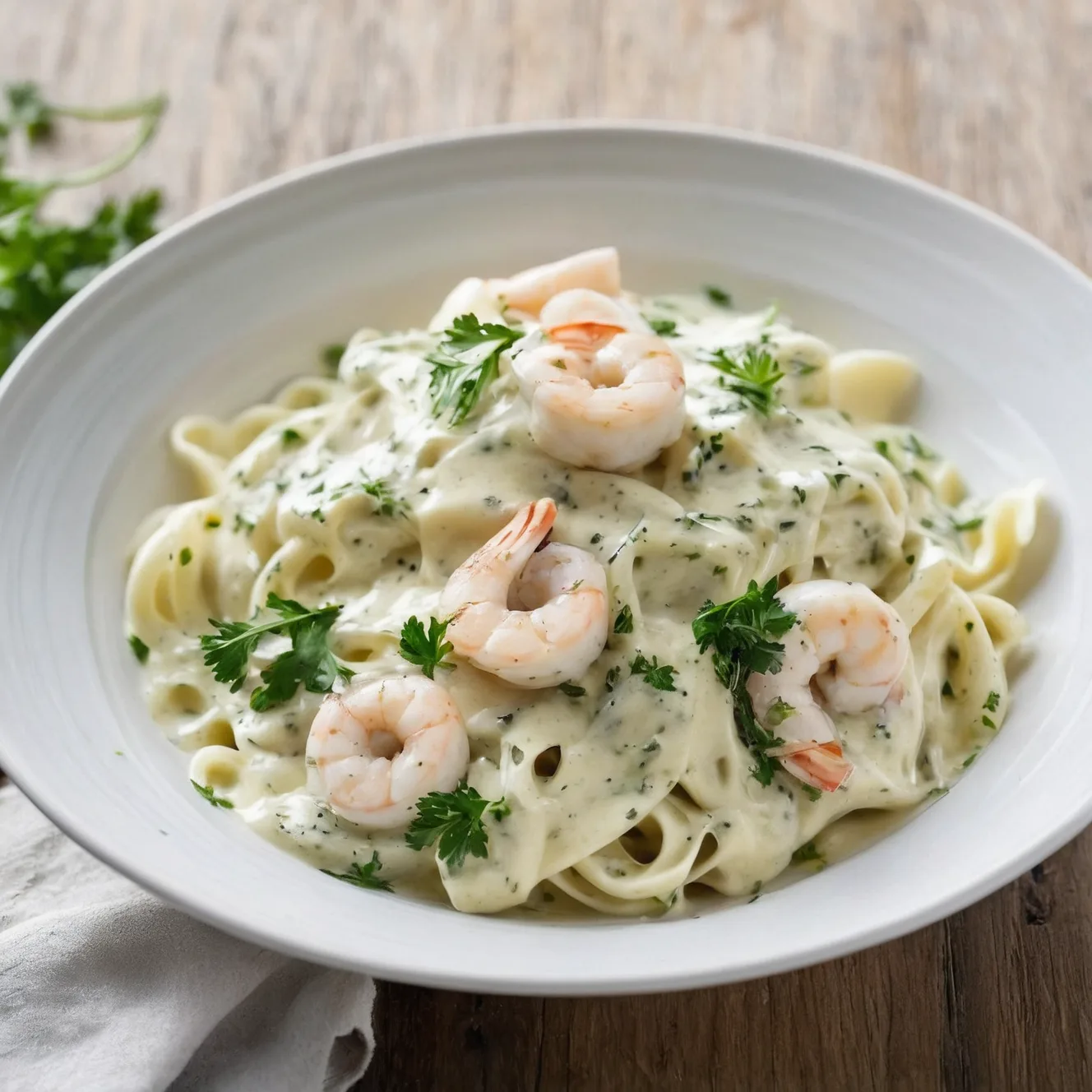
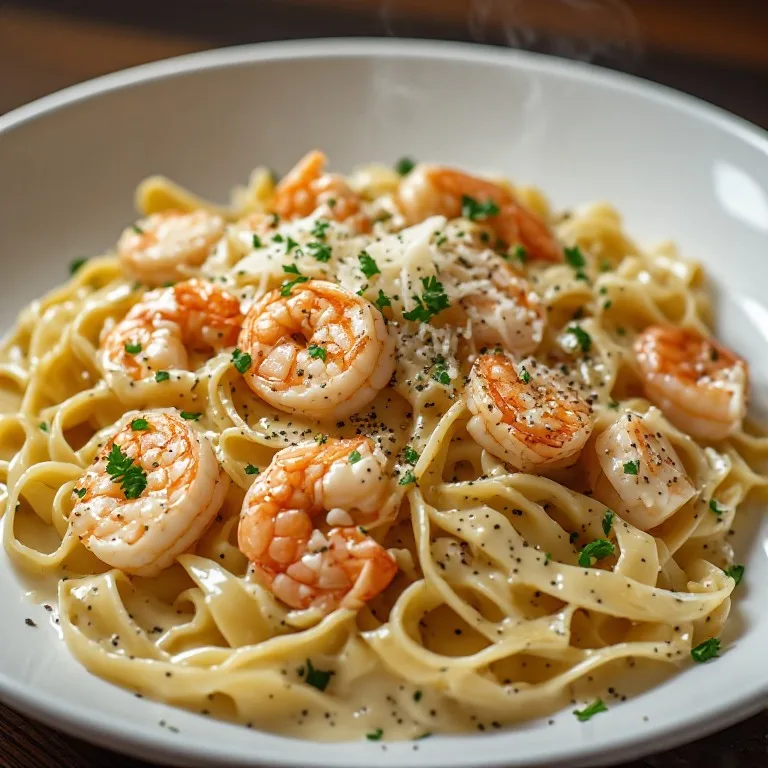
Olive Garden’s Seafood Alfredo is the same Parmesan-Romano cream sauce as the Shrimp Alfredo, but with seared sea scallops added alongside the shrimp. The sauce is easy. The challenge is the two proteins: shrimp and scallops cook differently, at different temperatures, on different timelines. Get that sequencing right and the dish is excellent. Get it wrong and one protein will be overcooked while the other is perfect.
- Use dry-packed sea scallops — wet-packed can’t sear, they steam
- Remove the side muscle from each scallop before cooking
- Salt scallops ONLY immediately before they hit the pan
- Sear scallops first: very hot pan, neutral oil (not butter), 2 minutes undisturbed
- Then sear shrimp: medium-high, butter, 90 seconds per side
- Same sauce as Shrimp Alfredo: cream reduced first, then Parmesan + Romano stirred in off heat
- Return both proteins in the final fold — one or two gentle turns, then serve immediately
Seafood Alfredo vs. Shrimp Alfredo: What Actually Changes
The sauce is identical. The pasta is identical. The entire difference is the addition of sea scallops alongside the shrimp — and those scallops change nearly every step of the protein cooking sequence.
Shrimp are small, thin, and forgiving. They take 90 seconds per side in butter over medium-high heat. You can cook them and the sauce in the same pan in quick sequence.
Sea scallops are larger, have higher water content, and need a completely different environment: a ripping-hot, dry pan with neutral oil to get the initial crust, followed by a quick flip for the second side. Butter cannot be in the pan at the start — it burns before the scallop’s surface moisture has finished evaporating.
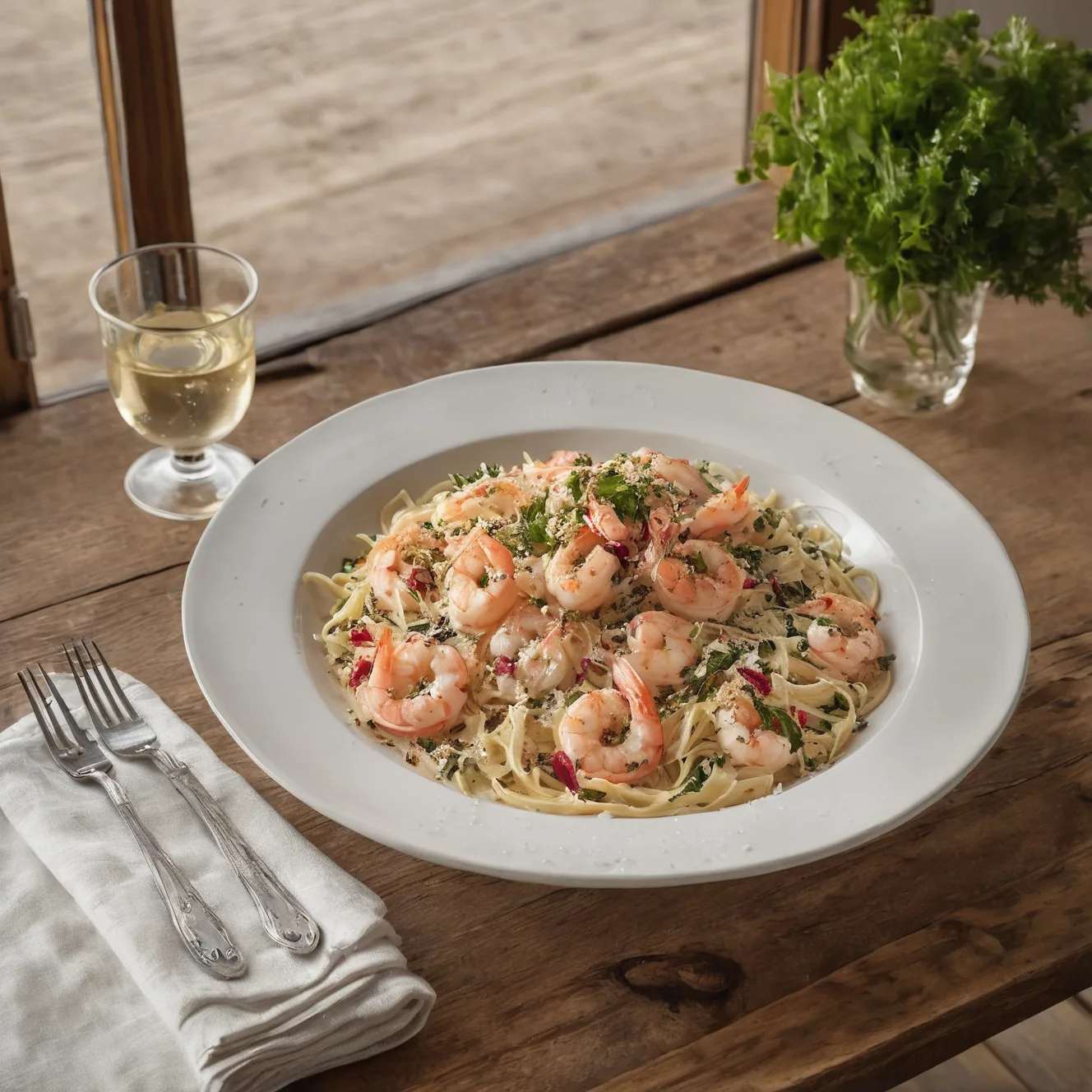
The result of doing both correctly: scallops with a deep golden-brown crust, a just-opaque interior, and a sweet, clean flavor; shrimp that are pink, tender, and brine-sweet. Both proteins in one bowl, over fettuccine, in silky cream sauce.
The Scallops: What to Buy
Dry-packed vs. wet-packed. This distinction matters more than brand or where you buy them. Wet-packed scallops have been soaked in sodium tripolyphosphate, which causes them to absorb water and look plumper in the case. When you cook them, that water exits the scallop as steam — the pan temperature drops, the scallop sits in a puddle of its own liquid, and you get a pale, rubbery, slightly sour result no matter how hot your pan is. Dry-packed scallops sear cleanly because they haven’t been treated. Look for “dry” or “dry-packed” on the label. If the label doesn’t say, ask; at most fish counters you can tell by color — wet-packed are pure white, dry-packed are ivory to light tan.
Size. Use U10 or U12 sea scallops (that’s “under 10” or “under 12” per pound) for a proper sear. Larger scallops give the crust time to form before the center overcooks. If you can only find 20/30 count sea scallops, they work — just reduce sear time by 30 seconds per side.
The side muscle. Every sea scallop has a small rectangular tab of connective muscle attached to its side. It looks like a small, slightly lighter-colored flap. Pull it off before cooking — it’s much tougher than the scallop itself and stays chewy and fibrous regardless of how you cook it. Takes 2 seconds per scallop and makes a real difference in texture.
The Scallop Sear: Why High Heat and No Butter
Scallops sear at a higher temperature than any other protein in a standard home kitchen setup. Here’s the required sequence:
1. The pan must be very hot. Put the skillet over high heat and leave it for 2 full minutes. If you touch a drop of water to the surface and it evaporates instantly with a sharp sizzle, the pan is ready. A cast iron or stainless skillet retains and delivers high heat better than nonstick; nonstick pans have a maximum safe temperature that’s below what you need for a proper scallop crust.
2. Oil, not butter. Butter burns above about 300°F. The pan you’ve heated to sear scallops is significantly hotter than that. Neutral oil (vegetable, avocado, grapeseed) has a smoke point above 400°F. Add 1 tablespoon when the pan is hot, then immediately add the scallops.
3. Season at the last second. Salt draws moisture out of the scallop surface. If you salt scallops 10 minutes before cooking, that moisture migrates to the outside — and it’s surface moisture that’s the enemy of searing. Season right before the scallops hit the pan.
4. Don’t touch them. Place the scallops flat, with at least an inch between each one. Walk away for 2 full minutes. The scallop will stick to the pan at first and release naturally when the crust has formed. If you try to flip early and it’s sticking, it’s not ready. At 2 minutes, it should release cleanly with tongs.
5. The interior. A properly cooked sea scallop is just barely opaque throughout — a tiny translucent spot right in the center is fine and will disappear from carryover heat. If it’s opaque all the way through when it leaves the pan, it may be slightly overdone. If it’s fully translucent in the center, give it another 20 seconds. The texture you’re looking for: slight give when pressed, not firm like a rubber ball, not soft and uncooked.
The Shrimp: After the Scallops
Once the scallops are off the plate, reduce heat to medium-high and add 1 tablespoon butter. Let the butter melt in the pan’s residual heat — you’ll see it foam slightly. Add the shrimp in a single layer. They cook faster than scallops and are more forgiving: 90 seconds first side, 60–90 seconds second side. Target the same shape as always: a loose ‘C’, not a tight ‘O’. Remove and set beside the scallops.
The fond from two separate sears — scallop crust proteins and shrimp — is now in the pan. Don’t wipe it. Reduce heat to medium, add the remaining 4 tablespoons butter, and scrape up everything as the butter melts. This fond seasons the entire Alfredo sauce.
The Alfredo Sauce: Same Technique as Shrimp Alfredo
Once both proteins are off the pan:
- Add garlic to the butter and cook 30–45 seconds, stirring constantly.
- Pour in the heavy cream and bring to a gentle simmer.
- Cook uncovered 4–5 minutes until the cream reduces by about 15 percent and coats the back of a spoon.
- Remove from heat, wait 30 seconds, then add the Parmesan and Romano in two additions off heat.
The off-heat rule is the same as any Alfredo: Parmesan proteins seize into clumps above approximately 185°F. Adding cheese off heat, with the pan temperature dropping, produces a silky emulsification instead of a grainy one. Always use freshly grated blocks — the cellulose coating in pre-shredded bags prevents smooth melting.
Returning the Seafood
The seafood goes back in last — after the pasta has been tossed with the sauce and adjusted with pasta water. One or two gentle folds with tongs, just enough to nestle the scallops and shrimp into the pasta and heat them through. The scallop crust may loosen slightly when it contacts the cream sauce; this is fine and the flavor is still there. Serve immediately.
Do not return the seafood while the pan is still on high heat and the pasta is being tossed vigorously. High heat + continued agitation will continue cooking the shrimp and destroy the scallop texture. The heat from the sauce and pasta is sufficient.
Common Mistakes
Wet-packed scallops. You cannot fix this in the pan. If you’ve bought wet-packed and notice they’re releasing liquid instead of searing, turn the heat up as high as it goes and be patient — but accept that the crust will be lighter than ideal.
Not heating the pan long enough. Most home cooks heat the pan for 30 seconds and wonder why the scallops don’t brown. Two full minutes on high heat. If you’re using a gas stove with a powerful burner, the pan will be ready faster; still wait.
Searing both proteins simultaneously. If you add shrimp and scallops at the same time in the same pan, the pan temperature drops dramatically, both proteins steam instead of sear, and you have no control over the different doneness timelines. Two passes.
Overcooking the shrimp after the scallops. The pan is still hot from the scallop sear. Shrimp cook faster in a hot pan. If your shrimp are curling into tight ‘O’s within 60 seconds, pull them immediately.
Adding cheese over heat. Grainy sauce, every time. Off heat, 30 seconds, two additions.
Cost Breakdown
| Item | Approx. cost |
|---|---|
| 1 lb fettuccine | $2 |
| 8 oz sea scallops (dry-packed) | $12–16 |
| 8 oz large shrimp | $6–8 |
| Heavy cream (1 pint) | $4 |
| Parmesan + Romano blocks | $5–6 |
| Butter, garlic, oil | ~$1 |
| Total (serves 4) | ~$30–37 |
| Per serving | ~$8–10 |
Olive Garden’s Seafood Alfredo runs approximately $22–25 per plate. This home batch costs roughly the same for four servings total.
More Olive Garden Recipes
The Alfredo sauce family is easy to expand once you’ve made this:
- Olive Garden Shrimp Alfredo — shrimp only, simpler technique (no scallop sear), same sauce. The right starting point if this is your first Alfredo dish.
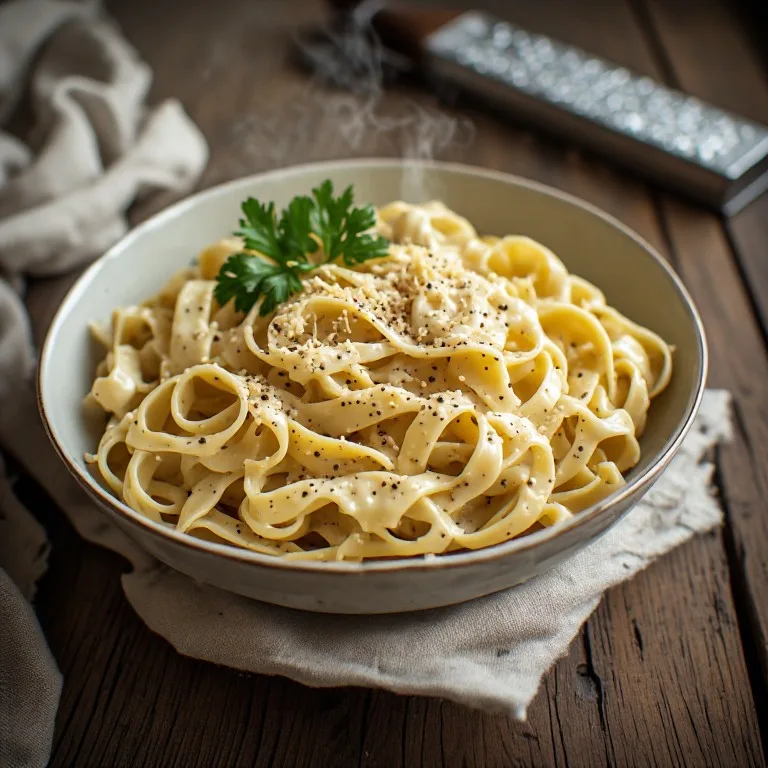
- Olive Garden Fettuccine Alfredo — the sauce alone, no protein. The purest version and a quick weeknight benchmark for how the cream reduction should taste.
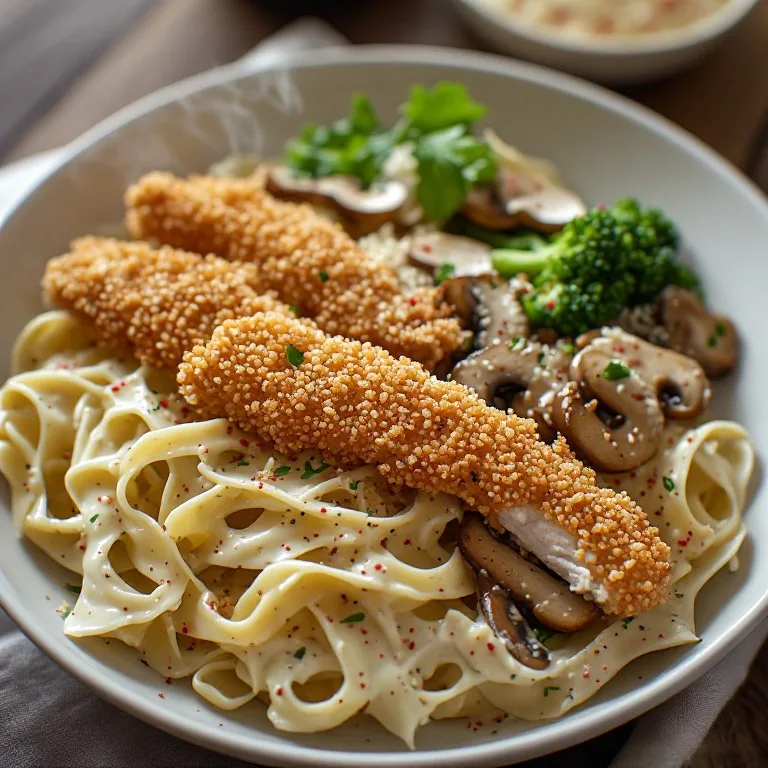
- Olive Garden Chicken Alfredo — seared chicken breast over fettuccine in the same sauce. The most popular OG pasta.
- Olive Garden Chicken & Shrimp Carbonara — cream-based carbonara with both proteins; different sauce (bacon-fat base, no Romano), different flavor profile.
- Olive Garden Breadsticks — make them alongside; they absorb cream sauce better than any other bread.
See all Olive Garden copycat recipes →