


The Sequencing Problem
The Tour of Italy is not a difficult meal — it’s a sequencing problem. Each dish is well within the range of weeknight cooking. The challenge is that the three components have incompatible holding properties:
- Lasagna can be made days ahead and reheated. It actually improves after a night in the refrigerator.
- Chicken Parmigiana must be cooked to order — the contrast between the crispy breaded exterior and the warm marinara/mozzarella on top lasts about 5 minutes before the breading starts softening. You cannot make it 30 minutes ahead.
- Fettuccine Alfredo has a 10-minute window between “perfect” and “broken.” Once the Parmesan fully tightens in the cream, the emulsion separates and you cannot recover it without making a fresh batch.
The only workable sequence: lasagna as the anchor (either make days ahead or bake it this session), chicken parm in the last 15 minutes, Alfredo sauce in the last 5.
What Makes Each Component Work
Lasagna Classico: Olive Garden uses both ground beef and Italian sausage — not one or the other. The sausage matters because it brings fennel, anise, and a fattier texture that ground-beef-only lasagna can’t replicate. The ricotta layer uses whole-milk ricotta with an egg beaten in; the egg stabilizes the cheese so it doesn’t turn grainy during the bake. Dollop the ricotta rather than spreading it — this creates pockets of creamier texture within each slice.
The one technique detail that separates a good home lasagna from a watery one: don’t boil the noodles to fully tender. Pull them 2 minutes early. They’ll finish in the oven while absorbing moisture from the sauce, and they won’t turn to mush under the weight of the filling.
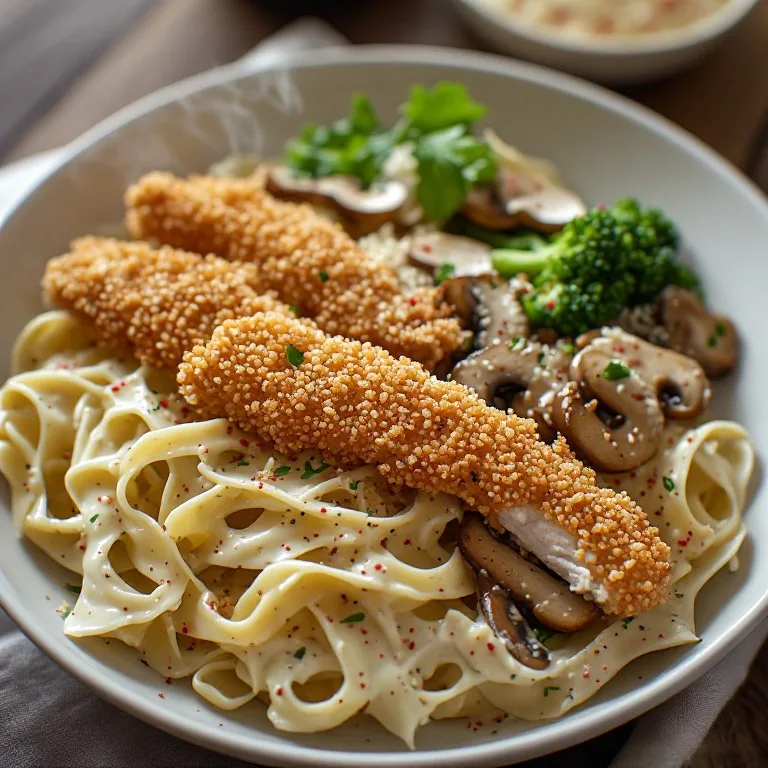
Chicken Parmigiana: The sauce goes on top, not underneath. This sounds minor and is actually the single most important detail. Marinara spooned under the chicken wicks moisture up through the crust from below — within 3 minutes the bottom half of the breading is softened and unpleasant. Marinara spooned on top creates a concentrated, jammy layer that sits on the crust without penetrating it. The bottom of the chicken stays crispy through plating.
Pound the breast to an even ¼-inch thickness. Uneven thickness means the thin end is overcooked and dry by the time the thick end reaches 165°F. A meat mallet and 30 seconds produces a cutlet that cooks evenly in 7–8 minutes total.
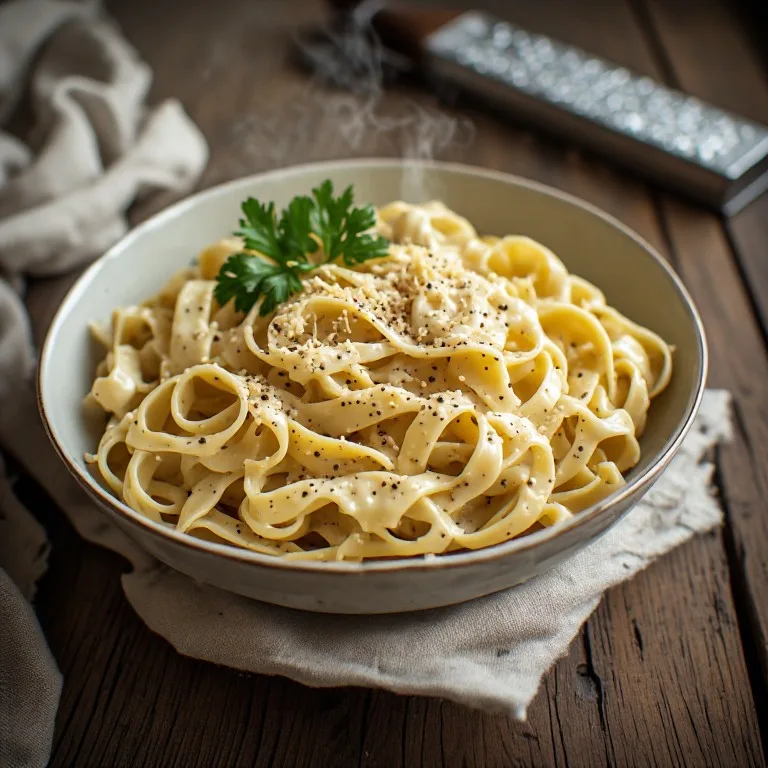
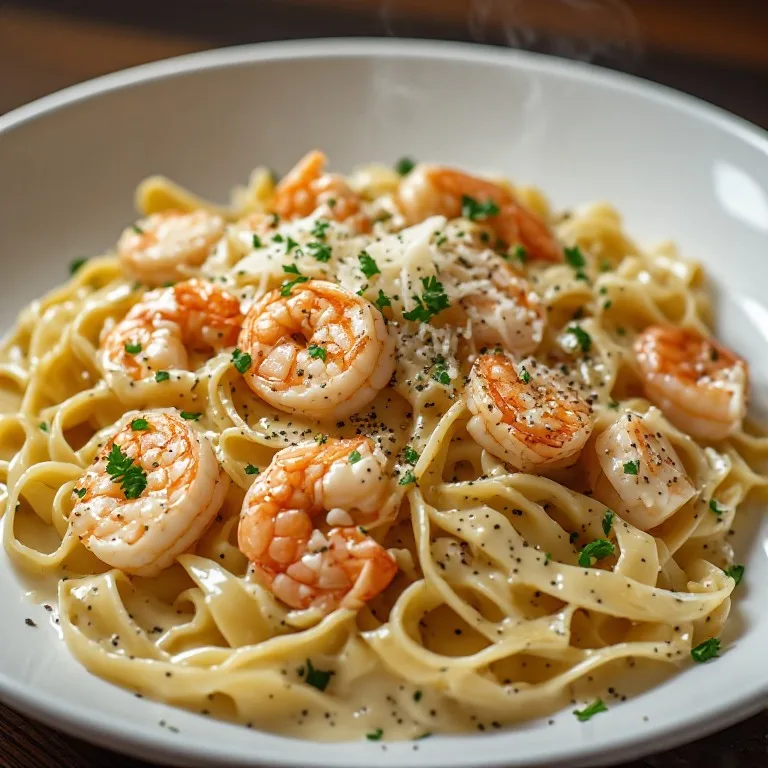
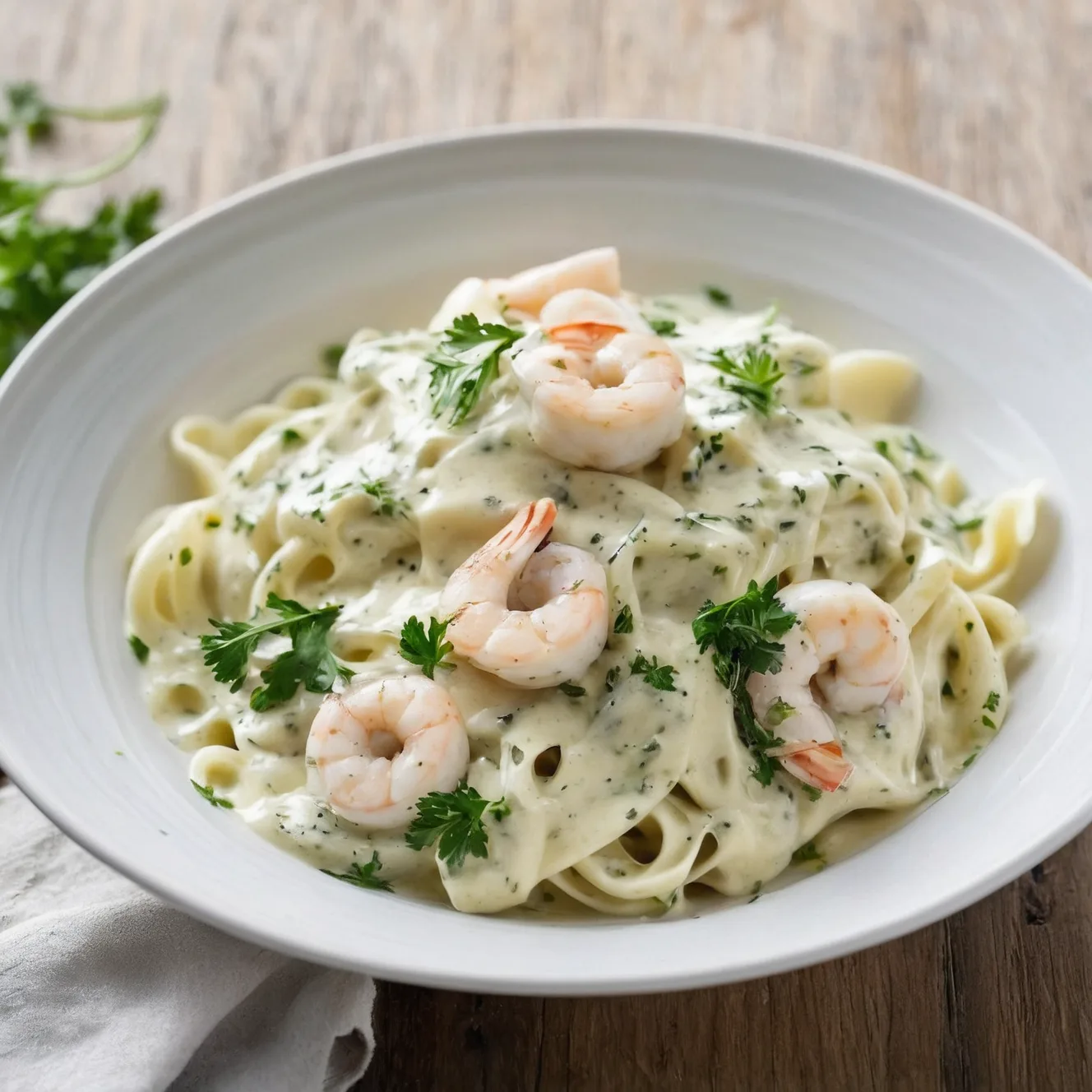
Fettuccine Alfredo: Two rules: freshly grated Parmesan only, and add it off heat. Pre-grated Parmesan contains anti-caking agents (cellulose, potato starch) that prevent clean melting and are the most common cause of grainy, broken Alfredo sauce. Grating directly from a block of Parmigiano-Reggiano takes 2 minutes and produces a cheese that melts into smooth, glossy ribbons.
Adding Parmesan off heat — after removing the pan from the burner — prevents the proteins in the cheese from tightening too quickly. Stir constantly as you add the cheese in two additions. The sauce should be thick enough to coat the back of a spoon heavily but still flow slowly from the pan. If it’s too thick, a half-teaspoon of the pasta cooking water (which contains dissolved starch) will loosen it without breaking the emulsion.
Plate It Right
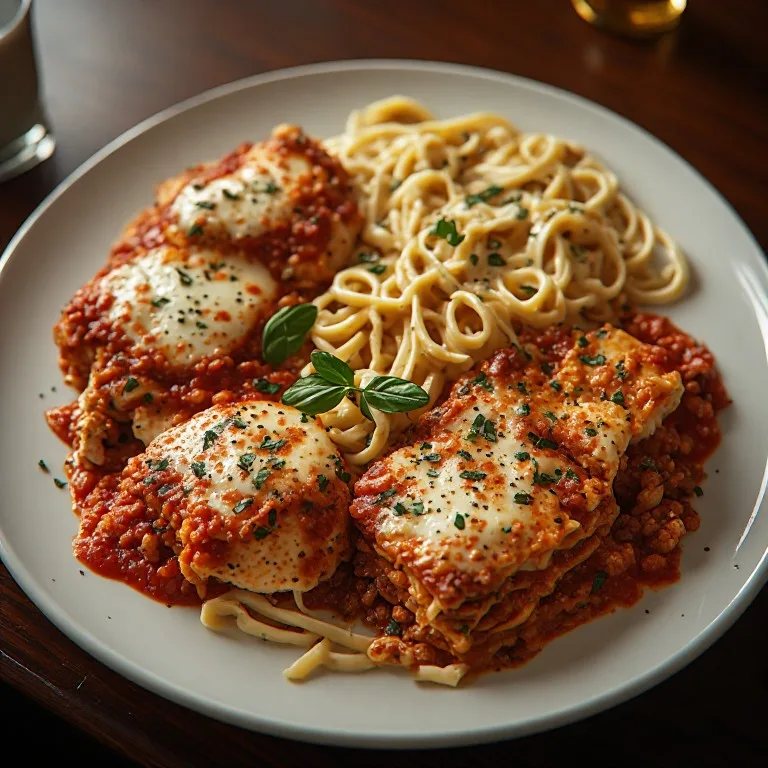
The Tour of Italy is three distinct zones on one plate — they don’t overlap or merge into each other. The visual is part of the experience: each component reads clearly, and you can taste them separately or combine bites.
The plate needs to be large (a standard 10-inch dinner plate won’t comfortably hold all three without crowding). OG uses a wide, oval plate that gives each component room. At home, a 12-inch pasta bowl or a large oval platter works.
Warm the plate before plating if you have time — a quick 30-second run under hot water and towel-dry keeps the Alfredo from seizing the moment it hits cold ceramic.
Leftovers
If you make a full pan of lasagna for this recipe, you’ll have 5–6 additional servings. Lasagna stores well refrigerated for 4 days or frozen for 2 months (wrap individual slices in plastic, then foil). Reheat in a 350°F oven for 15 minutes covered, or microwave with a splash of water on top.
Leftover chicken parm reheats best in a 350°F oven for 10 minutes — not a microwave, which makes the breading steam-soft. Store the chicken without the marinara on top if possible; add fresh sauce when reheating.
Alfredo does not store. Any leftover fettuccine in Alfredo sauce will be a solid, seized mass by the time it cools. You can eat it cold (some people like it) or use it as a baked pasta base with added marinara, but you cannot successfully reheat it as Alfredo.
Cost Breakdown
| Item | Approx. cost |
|---|---|
| Ground beef + Italian sausage | $6 |
| Lasagna noodles, ricotta, mozzarella (lasagna) | $5 |
| Chicken breasts (2) | $4 |
| Breadcrumbs, egg, mozzarella (chicken) | $2 |
| Jarred marinara | $3 |
| Fettuccine pasta | $1.50 |
| Heavy cream, butter, Parmigiano-Reggiano | $4.50 |
| Total (2 plates + extra lasagna) | ~$26 |
| Per Tour of Italy plate | ~$13 |
At $22.49 per plate at the restaurant (before tax and tip), the home version is roughly half the cost once you account for the extra lasagna the recipe produces.
More Olive Garden Copycat Recipes
The three components each have their own full-recipe pages with detailed technique notes:
- Chicken Parmigiana — the full version, including sauce-on-top technique and the breading ratio OG uses.
- Lasagna Classico — full pan recipe with the exact meat sauce blend and layering guide.
- Fettuccine Alfredo — the three-ingredient butter/cream/Parmesan sauce and why block-grated Parmesan is non-negotiable.
- Chicken Alfredo — a natural next step if you want to carry the Alfredo technique into a full entrée.
- Breadsticks — the warm, buttery breadsticks are easy to make alongside this dish and are essentially mandatory.
- House Salad — the full recipe for OG’s salad dressing and the salad’s exact component list.
See all Olive Garden copycat recipes →