How to Tell If Bread Is Bad
Bread is bad if you see any fuzzy mold (white, green, blue, or black), smell a sour or musty odor, or find slimy, damp spots. Most store-bought loaves last about 5 to 7 days at room temperature.
Signs Bread has gone bad
- Visible mold spots. Fuzzy patches in white, green, blue, gray, or black mean mold. Bread is porous, so the thread-like roots run much deeper than the spots you can see. Toss the whole loaf, not just the slices that look affected.
- Musty or sour smell. Fresh bread smells yeasty and sweet. A damp-basement or vinegary odor means microbes have taken over. Don't put your nose right up to bread you already suspect is moldy, since you can inhale the spores.
- Slimy or sticky texture. A tacky, gummy crumb or a slick crust points to bacterial growth, often in humid kitchens. This is different from the normal softness of fresh bread.
- Pink, orange, or odd-colored specks. Unusual color dots can be mold or bacterial colonies. Any color other than the natural crust and crumb tones is a reason to bin it.
- Mold inside the bag. If one slice is moldy, spores have likely spread to the rest of the bag even if the other slices look clean. Throw out the whole bag.
Looks weird, but it's fine
- Dry, hard, or stale bread. Stale just means the starch has firmed up and moisture has moved out. It isn't spoiled, and it's perfect for toast, croutons, French toast, or breadcrumbs.
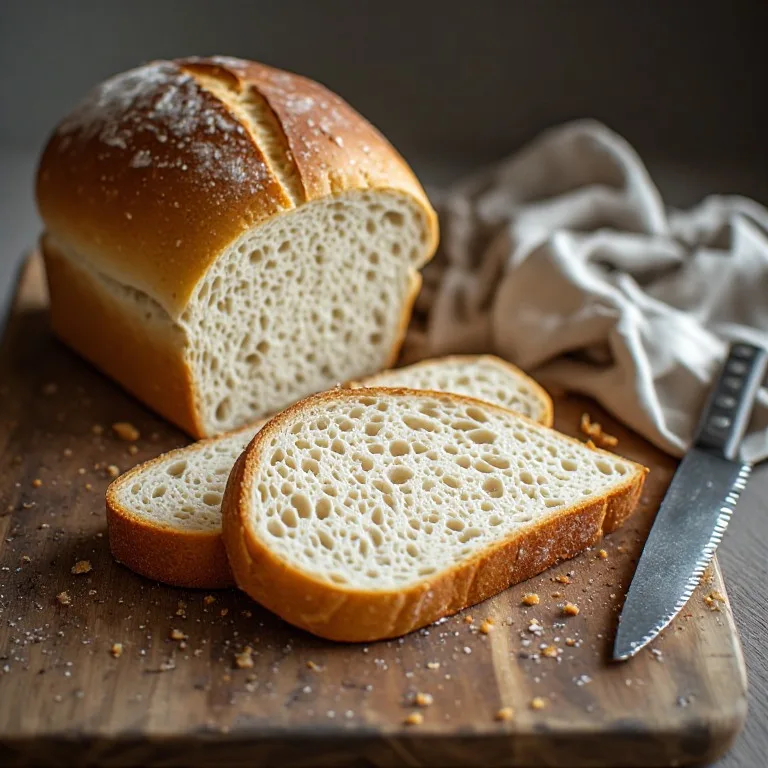
- Flour dusting on the crust. Artisan loaves are often dusted with flour or seeds. White powder that wipes off dry and has no fuzzy texture is just flour.
- Dark, chewy crust. A deeply browned or slightly leathery crust on a homemade or sourdough loaf is normal and not a spoilage sign.
How long does Bread last?
| Where | How long | Note |
|---|---|---|
| Pantry / counter | 5 to 7 days | Sooner in warm, humid kitchens |
| Fridge | 1 to 2 weeks | Dries out faster but resists mold longer |
| Freezer | 3 to 6 months | Best quality; safe indefinitely at 0°F |
How to store it
- Keep bread in a cool, dry spot in its original bag or a bread box, sealed well.
- Slice and freeze half the loaf right away, then toast slices straight from frozen.
- Never store bread near the stove, toaster, or a sunny window where warmth speeds up mold.
Use it up before it turns
Frequently asked questions
Can you eat bread if you cut the mold off?
No. Mold on bread sends invisible roots deep into the soft crumb, and some molds can produce toxins. The USDA advises discarding moldy bread entirely. When in doubt, throw it out.
Is it okay to eat bread past the date on the bag?
Often yes. A "best by" date is about quality, not safety. If the bread looks, smells, and feels normal with no mold, it's fine to eat, though it may be a little stale.
Does refrigerating bread keep it fresh longer?
It slows mold but speeds up staling, so the bread turns dry faster. The freezer is the better choice for keeping a loaf longer than a week.
More food freshness guides
General guidance based on USDA FoodKeeper. Storage times are estimates and conditions vary. When in doubt, throw it out.