How to Tell If Strawberries Are Bad
Bad strawberries have white or gray fuzzy mold, soft leaking spots, and a fermented smell. Toss the whole batch if mold is present, since it spreads fast between berries.
Signs Strawberries have gone bad
- White or gray fuzzy mold. Mold shows up quickly, often near the stem or where berries touch. Throw out moldy berries and any touching them.
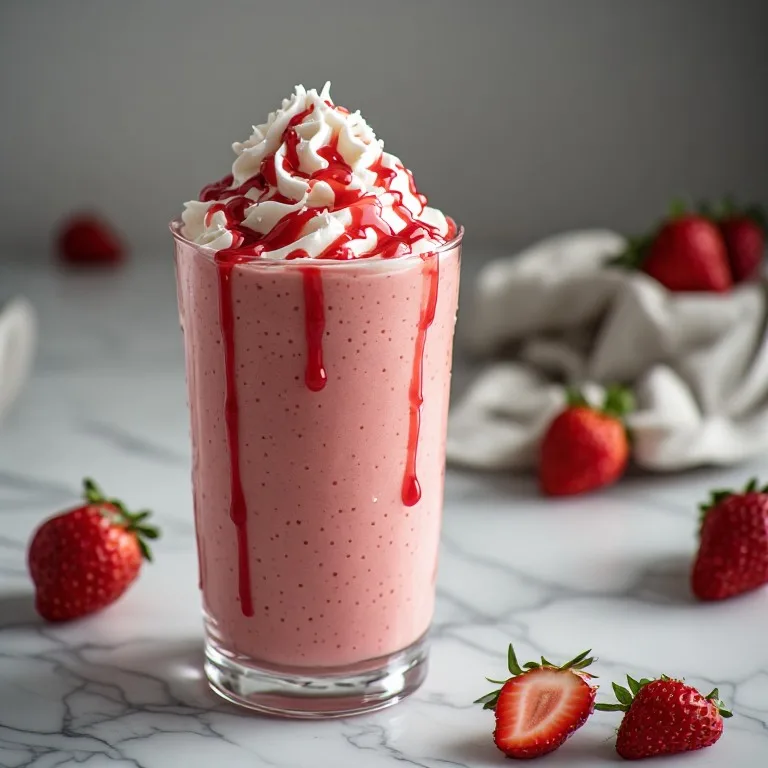
- Mushy, collapsing texture. A strawberry that’s caving in or leaving juice on your fingers is past its prime. If there’s no mold or odor, it may still work in a smoothie, but not if it’s leaking or fermented.
- Dark, wet, sunken spots. Brown patches that look wet and sunken are rot. Cut off only if the berry is otherwise firm; if the spot is large, discard it.
- Sour or fermented smell. Ripe berries smell sweet. A sharp, winey, or vinegar smell means they’re fermenting.
- Juice pooling in the container. A red puddle in the bottom of the package means berries are breaking down and mold is likely to appear next.
- Off taste. Bitter, fizzy, or sour flavor means spoilage. Spit it out and toss the rest of the container.
Looks weird, but it's fine
- White or pale shoulders near the stem. Berries picked a little early may have white tops. They’re safe, just less sweet.
- Small seeds that look dark. The seeds on the outside can look dark on riper berries. That’s normal.
- One small bruise on a firm berry. Cut off the bruised area and eat the rest right away.
How long do Strawberries last?
| Where | How long | Note |
|---|---|---|
| Counter | Up to 1 day | ripe |
| Fridge | 3–7 days | unwashed, whole |
| Freezer | 10–12 months | washed, dried, hulled |
How to store them
- Refrigerate strawberries unwashed in a container lined with a paper towel, and don’t crowd them.
- Pick through the container when you get home and remove any mushy or moldy berries right away.
- Wash just before eating. If you want to wash ahead, rinse in a water-and-vinegar mix, dry completely, then refrigerate.
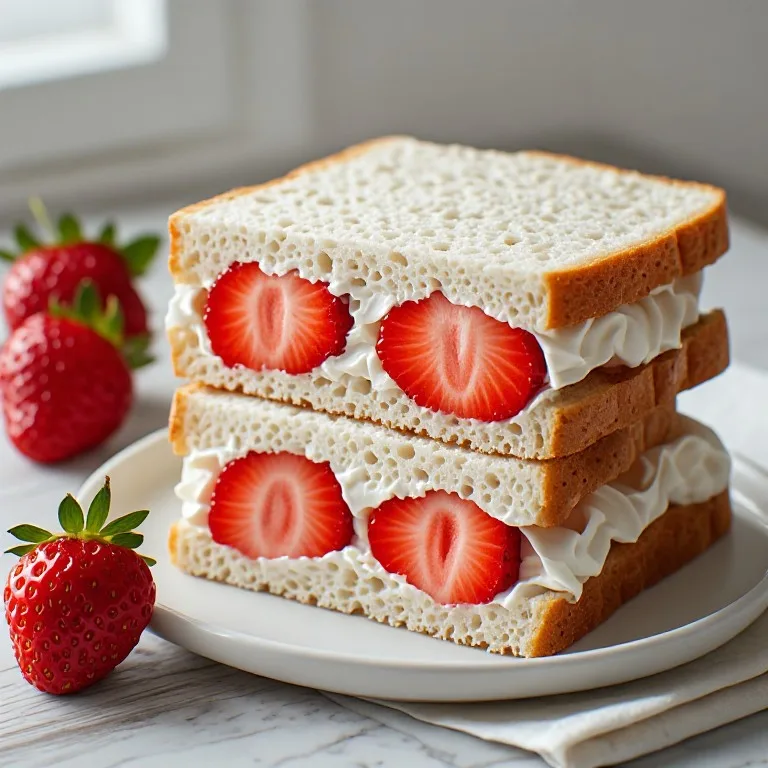
Use it up before it turns


Frequently asked questions
Can you eat strawberries with a little mold?
No. Mold spreads quickly through soft fruit and can reach other berries in the container. Discard moldy berries and any touching them, and inspect the rest carefully.
Are soft strawberries safe to eat?
If they’re soft but have no mold, odor, or leaking, they’re fine for smoothies or sauces. If they’re mushy and wet or smell fermented, toss them.
What are the white spots on my strawberries?
Dry white patches on the skin can just be unripe areas, but fuzzy white growth is mold. If it wipes off like fluff, assume it’s mold and discard the berry.
More food freshness guides
General guidance based on USDA FoodKeeper. Storage times are estimates and conditions vary. When in doubt, throw it out.