Pin It

Copycat Applebee's Quesadilla Burger — The Tortilla-Bun Trick That Actually Works

Copycat Applebee's Quesadilla Burger — The Tortilla-Bun Trick That Actually Works
Jump to Recipe
Prep 20 min Cook 20 min Serves 2
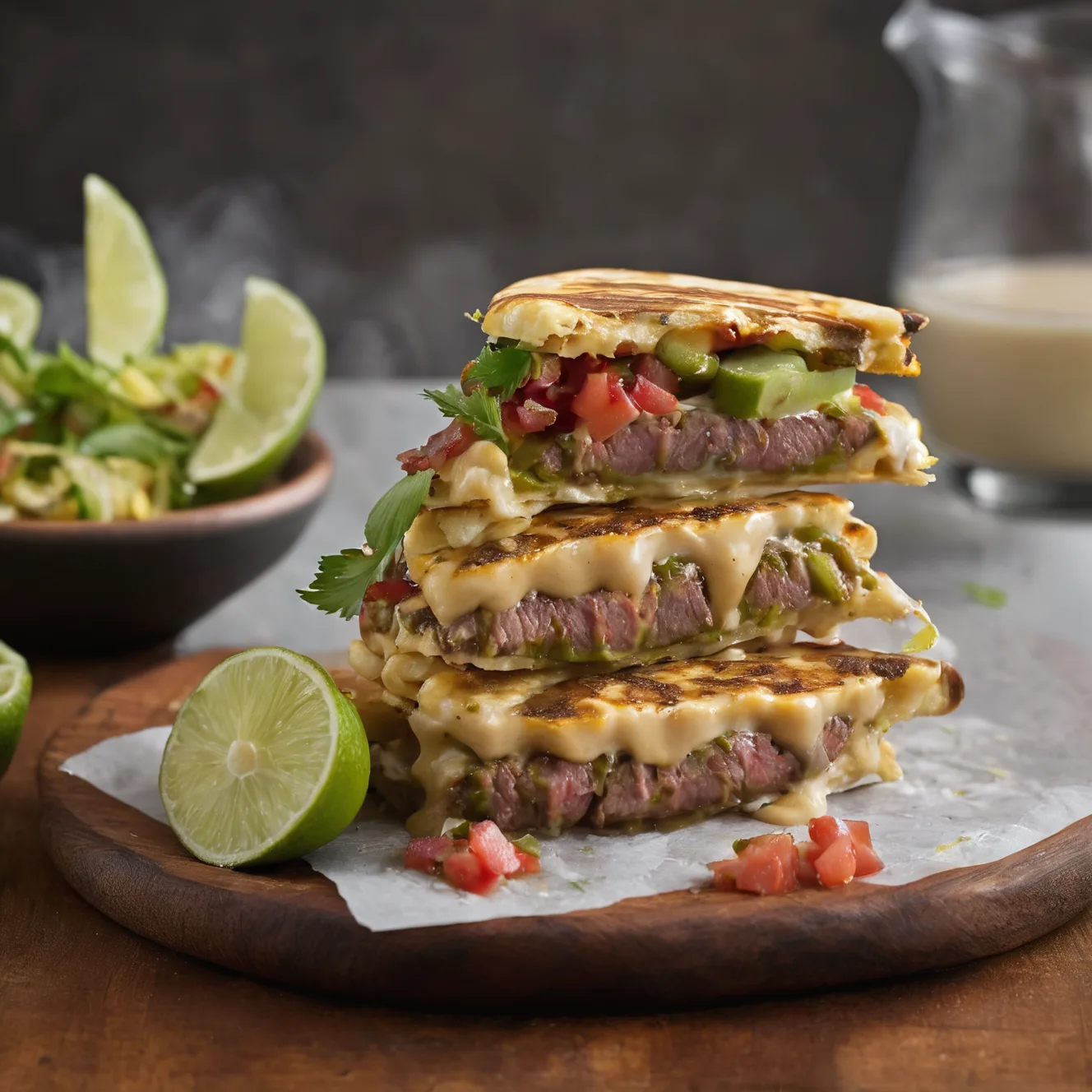
Quick answer: Applebee's Quesadilla Burger replaces the bun with a pressed, crispy flour tortilla quesadilla filled with cheddar and pepper jack — the quesadilla has to be rigid, not soft, or the whole thing collapses. At home: make the Mexi-ranch (ranch dressing + minced chipotle in adobo + lime + cilantro), press a quesadilla in a dry cast-iron skillet until deeply golden and stiff, then fill it like a bun with a seasoned 80/20 beef patty, applewood-smoked bacon, pico de gallo, shredded lettuce, and pickled jalapeños. The Applebee's version runs roughly 1,330 calories (without fries); this home version comes in around 970 calories per burger using the same technique. About 40 minutes total.

Copycat Applebee's Quesadilla Burger — The Tortilla-Bun Trick That Actually Works

Applebee's Quesadilla Burger swaps the bun for a pressed quesadilla — and that quesadilla has to be rigid enough to hold the whole stack without collapsing. Here's the dry cast-iron method and the smoky Mexi-ranch that make it work at home.

Medium Prep: 20 min Cook: 20 min Total: 40 min2 servings ~$4.50/serving
Prep20 min
Cook20 min
Total40 min
Servings
2
At home~$4.50/serving
vs
Restaurant~$20.25/serving
You save ~78%

Ingredients

Instructions

💡
Pro tip: This recipe tastes even better the next day. The flavors need time to meld together in the fridge.
❄️
Storage: Keeps in an airtight container in the fridge for up to 2 weeks. Freezer-friendly for up to 3 months.
~350-550 cal/serving · Rich & Indulgent🔥

The Story Behind the Recipe

Applebee’s Quesadilla Burger has been on the menu long enough to become one of those dishes that sounds gimmicky but actually works — mostly because it commits fully to the idea. The quesadilla doesn’t just accent the burger; it completely replaces the bun. And that means the quesadilla has to be rigid enough to function structurally, hold the toppings, and survive the pressure of being picked up and bitten.

Most copycat attempts fail at this one point. They press a soft, warm quesadilla around a burger and wonder why the whole thing slides apart on the first bite. The restaurant’s flat-top grill applies weight and high heat that most home cooks don’t replicate. This recipe solves it with a dry cast-iron skillet and firm, sustained pressure — the technique that actually gets you a stiff, toasted shell rather than a limp cheese wrapper.

Why the Quesadilla Has to Be Dry

The instinct with quesadillas is to add butter or oil to the pan. For a regular quesadilla, that gives you a golden exterior and a tender, slightly pliable tortilla. That is exactly wrong for a quesadilla burger bun.

A Quesadilla Burger bun needs to be pressed in a dry, very hot pan. Without added fat, the tortilla loses moisture directly to the heat rather than steaming in butter, and it dries and crisps from the outside in. This is what produces the rigid, cracker-like structure that holds up when you bite through the burger. A butter-cooked quesadilla will be delicious, but it will fold and collapse the moment you try to use it as a bun.

The second key: press. A flat spatula held down firmly, or a second heavy pan sitting on top of the quesadilla, applies the even compression that seals the cheese and fuses the two tortillas into a single stiff unit rather than two separate layers that can slide apart.

The Mexi-Ranch Makes or Breaks It

Applebee’s Mexi-ranch is the other distinguishing element — and it is not chipotle mayo, not chipotle powder stirred into ranch, and not just spicy ranch. The ingredient that makes it taste restaurant-specific is chipotle peppers in adobo sauce from a can, not just the peppers themselves but the adobo liquid they’re packed in. That braising liquid adds a brick-red, faintly vinegary, deeply smoky flavor that you cannot replicate with chipotle powder alone.

One chipotle pepper plus one teaspoon of the adobo sauce is the baseline. The pepper provides heat and smokiness; the adobo liquid saturates the ranch with that distinctively red, cooked flavor. Lime juice brightens it; cilantro keeps it fresh.

Make the Mexi-ranch first and let it rest while you cook everything else. The flavors integrate in about 15 minutes, and the sauce keeps in the refrigerator for five days — worth making a double batch.

Patty Size and Fat Content

Shape the patties to approximately 5½ inches across before they go in the pan — slightly wider than you think you need. They shrink inward during cooking, and the patty needs to reach edge-to-edge in the quesadilla bun. An undersize patty that doesn’t fill the quesadilla means every bite that includes quesadilla edge has no meat in it.

Use 80/20 ground beef. The fat matters here not just for flavor but for practical reasons: a leaner patty cooked in a hot dry pan without oil tends to be noticeably drier, and a dry patty inside a stiff quesadilla makes the whole burger feel like cracker and cardboard. The extra fat keeps the inside of the burger moist despite the high heat and lack of added cooking fat.

Building the Burger

The order of assembly matters. Shredded iceberg goes on first, directly on the quesadilla. This creates a moisture barrier between the quesadilla and the wet toppings that follow. Patty on the lettuce, then the bacon, then pico, then jalapeños, then Mexi-ranch on the cap. The applewood-smoked bacon isn’t optional decoration — it’s part of the current restaurant build, and its smoke and salt play directly off the chipotle in the Mexi-ranch.

Drain the pico. This is the single step that home cooks skip most often and it causes the most problems. Fresh pico releases a surprising amount of liquid after it sits, and wet pico soaks through the quesadilla within 90 seconds of assembly. A quick press through a fine-mesh strainer or a 30-second rest in a folded paper towel is enough.

Eat it immediately. This is not a build-ahead situation. The quesadilla starts softening from the patty’s residual steam within five minutes of assembly, and after ten minutes it has lost the structural advantage that makes the whole dish work.

What to Serve With It

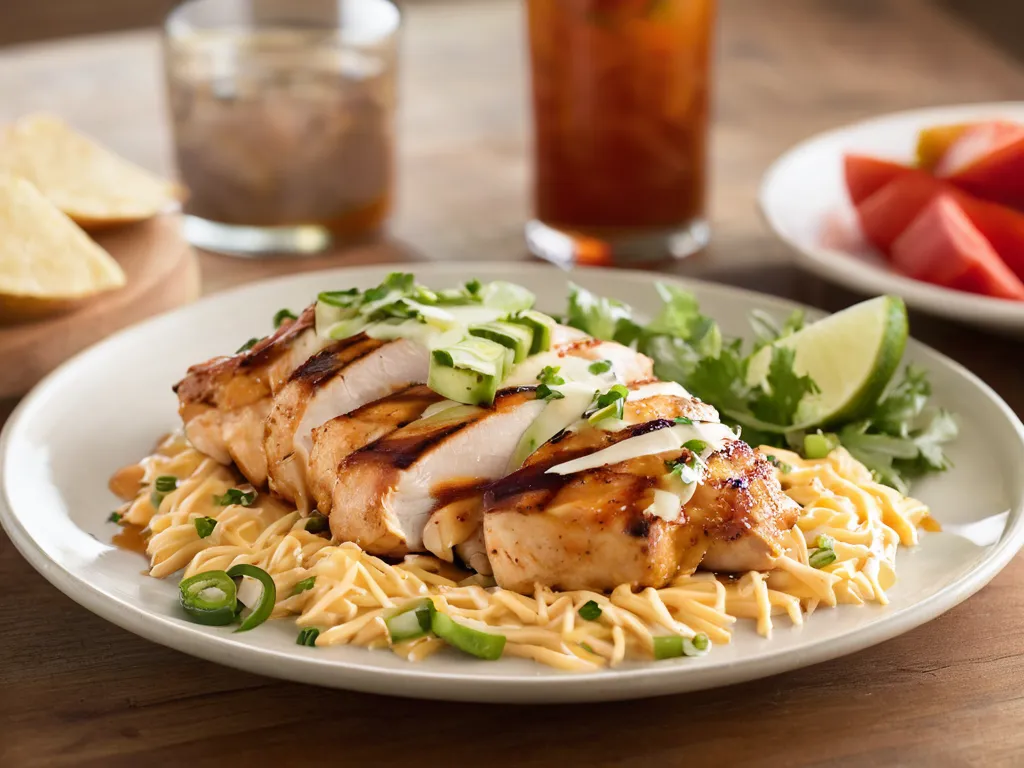
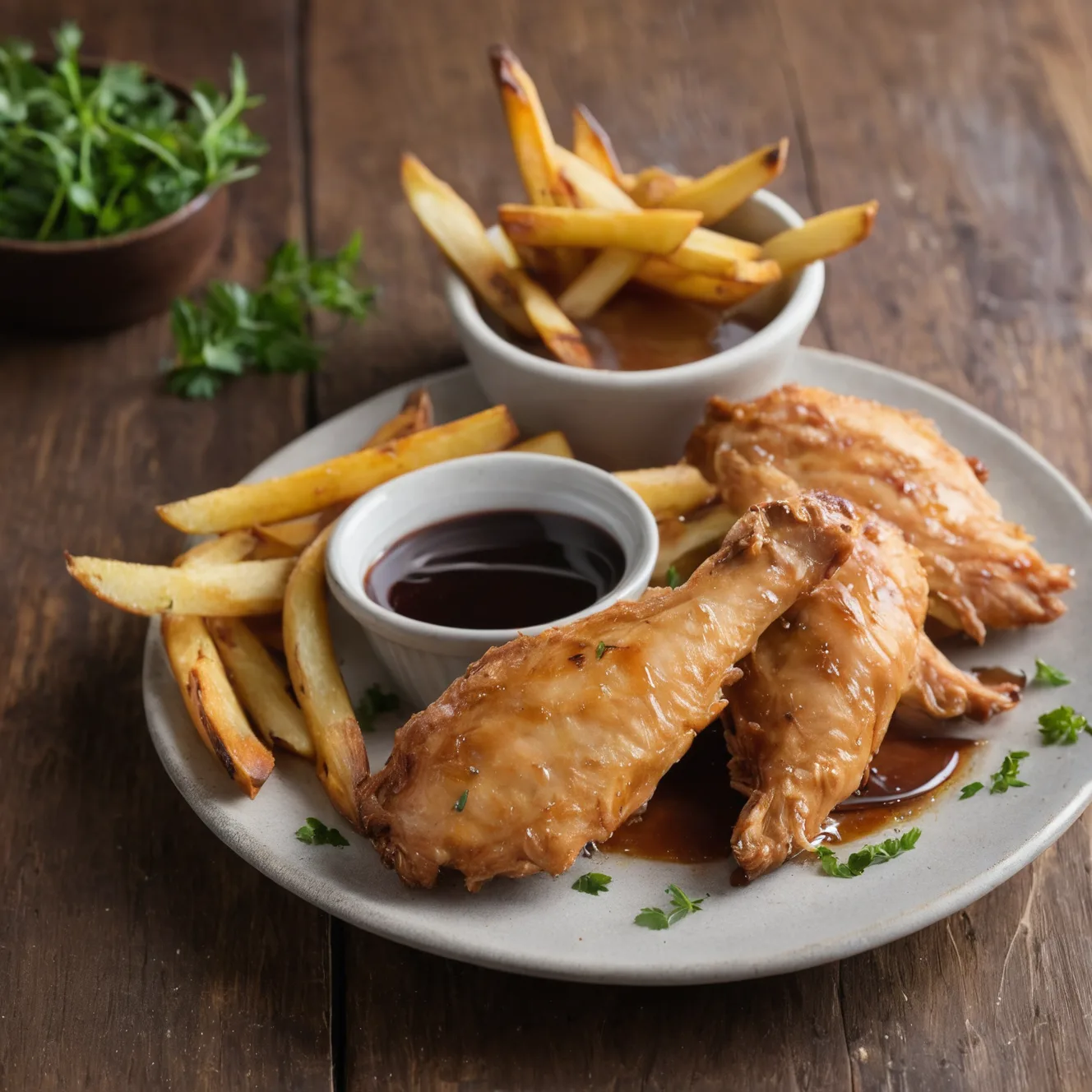
Applebee’s serves the Quesadilla Burger with french fries. At home, the Applebee’s Honey Pepper Chicken or Boneless Wings with Honey BBQ make natural additions to the same Applebee’s night spread. If you want a full Tex-Mex lean, the Fiesta Lime Chicken uses overlapping ingredients — the same pico de gallo and a similar chipotle-lime flavor profile — so you can prep once for both dishes.

The Applebee’s Spinach Artichoke Dip is the standard appetizer before any Applebee’s main course and it shares zero overlap in prep or ingredients with the burger — good first course while the quesadillas press.

For the full Applebee’s copycat spread, see all Applebee’s copycat recipes.
Nutrition Facts

Per serving (2 servings)
Calories970
Total Fat62g
Total Carbs48g
Dietary Fiber3g
Sugars5g
Protein58g
Sodium1760mg

* Estimated values based on standard recipe preparation. Actual values may vary.

🥗

Make It Healthier

Love Applebee's Quesadilla Burger — The Tortilla-Bun Trick That Actually Works but want a lighter version? Try these simple swaps:

  • Use 90/10 ground beef and add 1 tablespoon of Worcestershire sauce to the meat before shaping — the umami and salt from the Worcestershire compensates for the reduced fat and keeps the patty from tasting bland. It will not be as juicy as 80/20, but it finishes around 200 calories lighter.
  • Make a lighter Mexi-ranch: swap the ranch dressing for plain Greek yogurt thinned with 1 tablespoon of buttermilk. Blend it with the same chipotle in adobo, lime juice, and cilantro. The texture is almost identical; you save roughly 80 calories per serving.
  • Use Mission Carb Balance tortillas instead of standard flour tortillas. They press and crisp identically in a dry cast-iron pan and cut the carbs in the quesadilla bun from about 46g to 18g without affecting the structure.

Equipment You'll Need

10- or 12-inch cast-iron skillet

Essential for the dry-press quesadilla technique — nonstick pans don't get hot enough; stainless works but cast iron browns more evenly

Heavy flat spatula (or second heavy pan)

For pressing the quesadilla firmly while it cooks — consistent pressure is what makes it rigid rather than floppy

Instant-read thermometer

For checking patty doneness — 160°F for well-done (food-safe), 145°F for medium

Parchment paper

For shaping patties — prevents sticking to the counter; easier cleanup

Frequently Asked Questions

Is the Applebee's Quesadilla Burger still on the menu?

Yes — the Quesadilla Burger has been on the Applebee's menu for years and as of 2025/2026 remains one of their signature handcrafted burgers. The current applebees.com build is described as a beef patty with two slices of pepper jack, Mexi-ranch, applewood-smoked bacon, house-made pico de gallo, and lettuce in a crisp, warm cheddar quesadilla. Applebee's occasionally rotates regional variations, so the specific toppings can vary slightly by location. Check your local Applebee's menu or applebees.com to confirm current availability and topping details, as the restaurant-version toppings are subject to change.

What is Mexi-ranch sauce at Applebee's?

Applebee's Mexi-ranch is a chipotle-spiked ranch dressing — ranch dressing base with chipotle peppers in adobo sauce blended in, finished with lime juice and cilantro. It is noticeably smokier and spicier than plain ranch, and the adobo sauce (the liquid the chipotles are packed in) adds a distinct red-tinted smokiness that makes it taste cooked rather than just dressed. The key ingredient is chipotle in adobo from a can — not chipotle powder, not chipotle hot sauce — the actual peppers and their braising liquid.

How do I keep the quesadilla from falling apart when I bite into the burger?

Three things prevent collapse. First, use a dry cast-iron pan at medium-high heat — no oil or butter — and press the quesadilla firmly while it cooks. A properly pressed quesadilla comes out nearly rigid, like two tortilla shells fused together, not soft and floppy. Second, drain the pico de gallo before adding it — wet tomatoes are the most common reason quesadilla burgers fall apart. Press the pico in a fine-mesh strainer or paper towel for 30 seconds. Third, let the patty rest two minutes before building — a resting patty releases less juice into the quesadilla than one put in straight from the pan.

Can I use chicken instead of beef?

Yes, and Applebee's sometimes offers a chicken variation. Pound a chicken breast (about 6 oz) to an even ¾-inch thickness before cooking so it cooks through in the same time as the patty. Season the same way — salt, pepper, garlic powder, smoked paprika. Cook in the same dry cast-iron pan at medium-high, 5 to 6 minutes per side, until the internal temperature reaches 165°F. The Mexi-ranch and toppings work identically with chicken. The chicken version has about 100 fewer calories and less saturated fat.

Why does the restaurant version hold together better than most homemade attempts?

Commercial flat-top grills apply more even pressure and higher radiant heat than a home skillet, which produces a stiffer, more uniform quesadilla shell. At home, the cast-iron-plus-pressure method gets close, but two additional steps help: (1) let the quesadilla cool on a cutting board for a full minute before slicing and building — it stiffens as it cools; (2) build the burger right before eating rather than assembling in advance. A quesadilla burger built 10 minutes ahead of time starts to soften as the steam from the patty transfers into the tortilla.

How many calories are in an Applebee's Quesadilla Burger?

Nutrition trackers list the Applebee's Quesadilla Burger without fries at roughly 1,330 calories, with about 93g fat, 50g carbohydrates, and 74g protein. The sodium is very high — around 3,000mg — largely from the quesadilla cheese, the bacon, the ranch-based sauce, and the seasoned patty. Ordered with fries, the full plate climbs to roughly 1,550–1,580 calories. The homemade version in this recipe, made with 80/20 beef and the same toppings, comes in around 970 calories because the portions are slightly smaller and there is no fryer in the home version. Figures vary slightly by source and location; Applebee's publishes official data at applebees.com/en/menu-nutrition.

Love this recipe? Share it!

Shop the tools

Gear matched to this recipe's equipment list. We may earn a small commission if you buy through these links — at no extra cost to you.

As an Amazon Associate, Copycat Spices earns from qualifying purchases.

Free PDF: our 12 most-wanted copycat recipes — instant download.

Ratings & Reviews

No ratings yet

Rate this recipe

Click a star to rate

Leave a Review

0/500

CS

Copycat Spices Test Kitchen

Every recipe on Copycat Spices is developed and tested in our home test kitchen. We reverse-engineer beloved restaurant dishes and refine each one until the flavors and the instructions work reliably for home cooks of all skill levels.

Learn more about our mission →