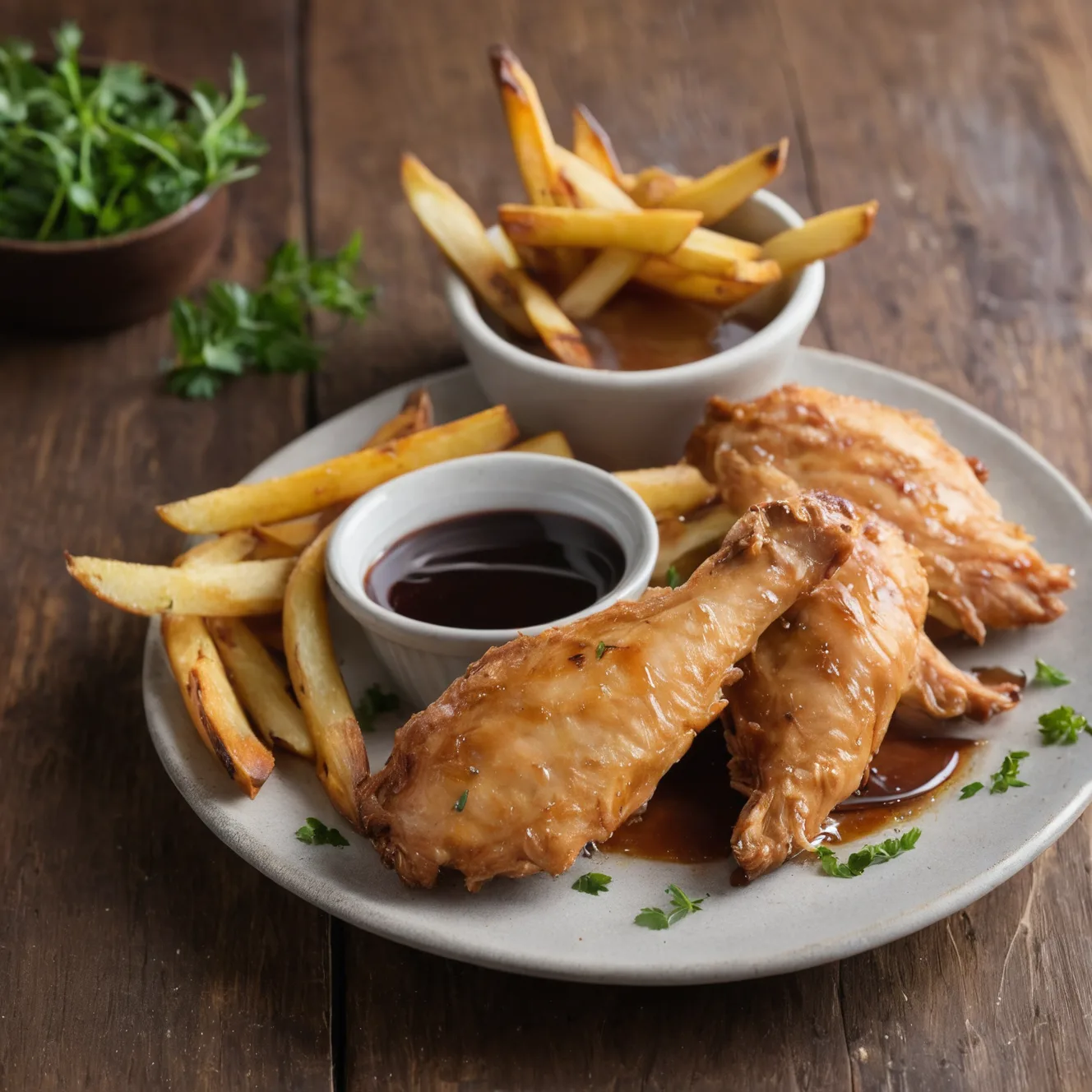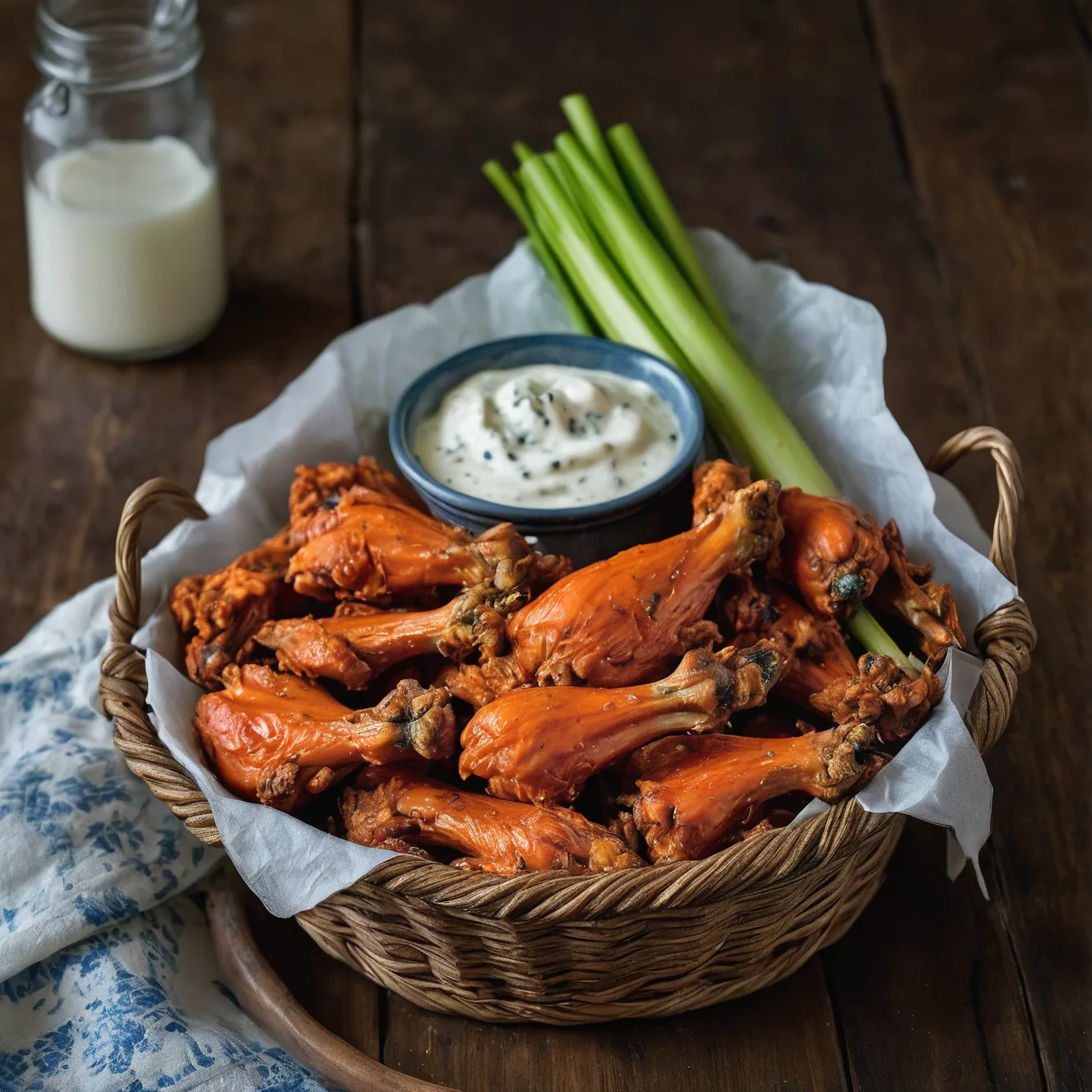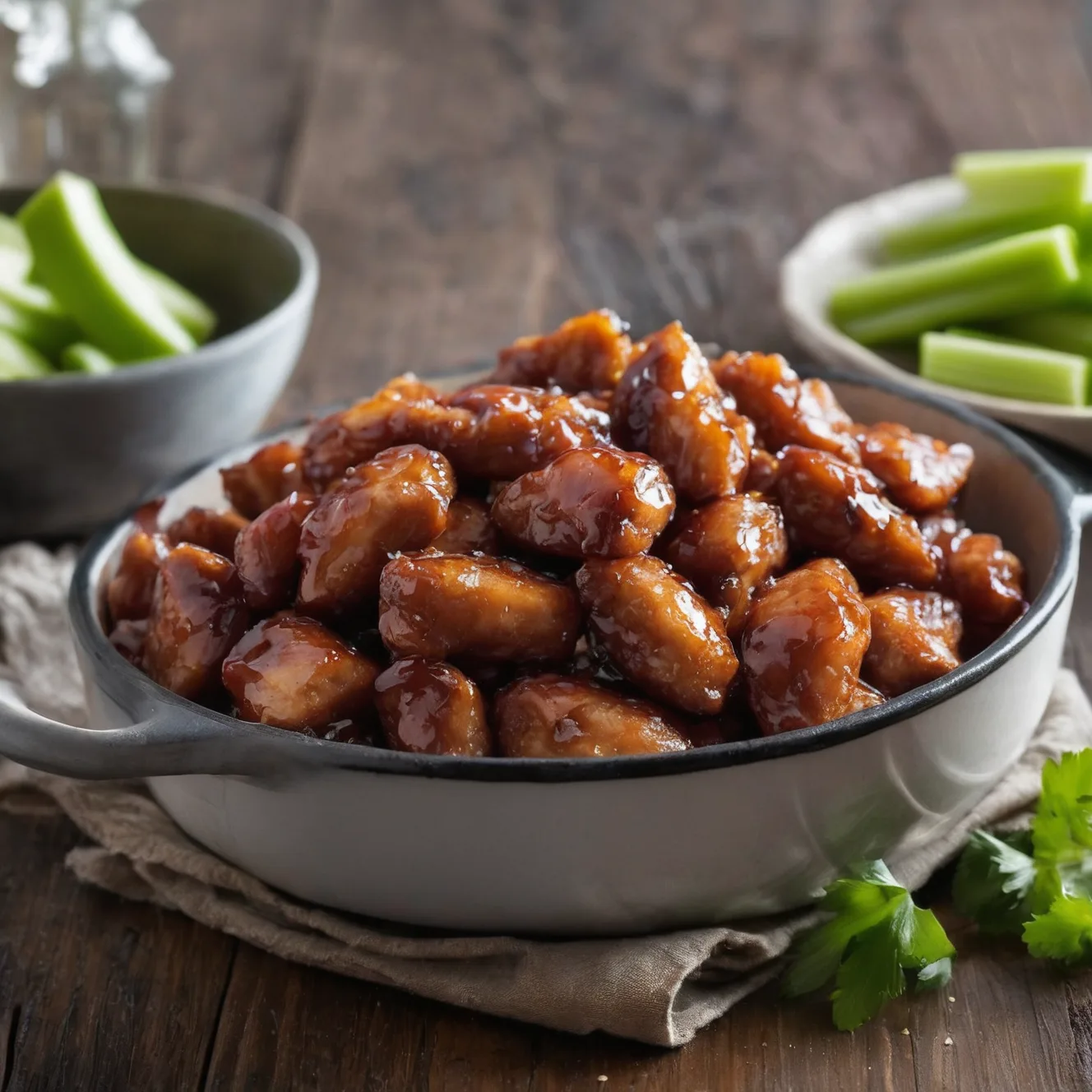
Applebee’s Honey BBQ Boneless Wings are consistently the chain’s most-ordered appetizer sauce, and they taste distinctly stickier and sweeter than most homemade honey BBQ attempts. The gap isn’t technique — it’s the sauce and a step most copycat recipes skip entirely.
The sauce uses three sweeteners at once, not one. Corn syrup creates gloss and cling. Honey brings floral sweetness and complexity. Molasses adds depth without heaviness. Together with a ketchup base (not tomato paste), you get a sauce that coats and stays on each piece instead of pooling at the bottom of the bowl. Most copycat recipes online use store-bought BBQ sauce with a squeeze of honey — which is fine, but it’s a noticeably different result.
The other difference is the breading. Adding cornstarch to the flour blend creates a finely-cragged exterior that grips sauce and stays crispier longer. And the 60-to-90-minute refrigerator rest after breading — which most recipes omit — is what keeps the coating on the chicken in the fryer instead of floating off in the oil.
Why Make It at Home?
A regular Applebee’s Boneless Wings order runs about $12.99 for roughly 8 to 12 pieces. This recipe makes 24 to 28 pieces from 2 lbs of chicken for about $8 — roughly 30 cents per piece at home versus well over a dollar at the restaurant, at more than double the volume.
The Honey BBQ sauce makes more than you need for one batch and keeps for two weeks in the fridge — use the rest on grilled chicken, burgers, or as a dipping sauce during the week.
The Sauce: Why Three Sweeteners Instead of One
Most home cooks making honey BBQ reach for a bottle of BBQ sauce and add honey. The result is noticeably thinner and less sticky than what you get at the restaurant — and the reason is the base, not just the sweetener level.
Applebee’s Honey BBQ uses ketchup (not tomato paste) as its tomato foundation. Ketchup is already sweet and has a more uniform, emulsified texture than tomato paste. The sauce then layers three sweeteners:
Corn syrup (½ cup) gives the glossiness. Corn syrup reduces to a thicker, stickier consistency than sugar or honey and sets into a glaze when it cools. This is what makes the sauce “stick” to the pieces rather than slide off.
Honey (½ cup) gives the floral sweetness. Honey also has hundreds of trace flavor compounds that make the sauce taste more complex than a sauce built on sugar alone.
Molasses (2 tablespoons) gives depth and color. A small amount of molasses adds a dark, slightly bitter undertone that keeps the overall flavor from being flat and candy-like.
Simmer all of this together for 15 to 20 minutes and the sauce reduces to the right consistency: pourable and glossy when warm, noticeably sticky and set when it cools. This is the sauce that Kraft Honey BBQ bottle is approximating — but approximating is not the same thing.
The Breading: Cornstarch and the Refrigerator Rest
Two steps separate restaurant-quality boneless wings from most home results.
Cornstarch in the flour blend. A blend of ¾ flour to ¼ cornstarch fries up with a finely-cragged, almost lacey texture. The cornstarch disrupts the gluten network of plain flour, creating a more irregular surface — more texture under the teeth, more surface area for sauce to grip. Pure flour breading fries up smooth by comparison.
The 60-to-90-minute refrigerator rest. After double-dredging, the coating is wet from the egg wash and buttermilk. Frying immediately means that moisture turns to steam when the piece hits hot oil — and that steam pushes the coating away from the chicken from the inside out. Resting in the refrigerator gives the moisture time to be fully absorbed into the flour-cornstarch blend, bonding the breading to the surface. This is the step most recipes skip and most home cooks wonder why their coating falls off.
Oil temperature matters independently. At 325°F, pieces heat slowly, the interior moisture has time to build as steam, and the result is greasy and limp. At 365°F, the exterior coating sets before the steam can push through, locking in the crunch.
Toss in Sauce While Everything Is Hot
Toss fried pieces in warm sauce within one minute of coming out of the oil. Hot pieces tossed in warm sauce create a brief glazing effect — the sauce makes contact with a hot, porous surface and adheres before either can cool and contract. Pieces that sit for five minutes on a rack and then get sauced end up noticeably less well-coated, and the sauce runs to the bottom of the bowl.
Reserve about a quarter of the sauce to serve alongside — the combination of dipping Honey BBQ plus ranch or blue cheese is part of the Applebee’s experience.
Sauce Flavor Comparison
| Sauce | Heat | Sweetness | Distinguishing note |
|---|---|---|---|
| Honey BBQ | None | High | Triple-sweetener gloss, ketchup base |
| Buffalo | Medium | Low | Vinegar-forward, Frank’s RedHot style |
| Sweet Asian Chile | Low | High | Ginger and sesame undertones |
| Garlic Parmesan | None | Low | Savory, Parmesan-forward, no tomato |
| Korean BBQ | Low–medium | Medium-high | Gochujang depth |
The Honey BBQ sauce in this recipe has no heat at all. To make a Honey BBQ Hot hybrid: stir in ½ teaspoon of cayenne or 1 to 2 teaspoons of Frank’s RedHot to the finished sauce and taste before tossing.
Tips & Variations
-
Air fryer version: After the fridge rest, spray pieces generously with cooking spray and air fry at 400°F for 12 to 14 minutes, flipping at 7 minutes. The cornstarch crisps well without deep frying.
-
Oven-baked version: 425°F convection, 22 to 25 minutes, flipping once at 12 minutes. Not as crispy as fried, but significantly better than standard baked wings.
-
Use chicken tenderloins: Pre-cut tenderloins skip the knife work and are already the right size. They’re also the most tender cut of the breast and stay juicy even at the 165°F finish temperature.
-
Sauce shortcut that actually works: Start with 1 cup of Kraft Honey BBQ sauce (not a different brand), add 2 tablespoons of corn syrup and 1 tablespoon of molasses, and simmer 5 minutes. This approximates the restaurant sauce better than any plain bottle does on its own.
-
Make-ahead: The sauce keeps for 2 weeks refrigerated. The breaded uncooked chicken (post-fridge-rest) can be frozen on the wire rack, then transferred to a freezer bag once solid. Fry directly from frozen, adding 2 to 3 minutes to the cook time.
Storage & Reheating
Cooked pieces keep in the refrigerator for up to 3 days. Reheat on a wire rack in a 400°F oven for 8 to 10 minutes — microwaving turns the breading soft. The sauce stores separately for up to 2 weeks refrigerated; rewarm over low heat before tossing.
For more Applebee’s recipes, see Honey Pepper Chicken (similar technique, bolder pepper-forward glaze), Riblets (the other most-reordered Applebee’s appetizer), and Spinach Artichoke Dip for a full appetizer spread. For a head-to-head sauce comparison, Buffalo Wild Wings Honey BBQ Sauce shows how the BWW version differs from the Applebee’s formula — same name, noticeably different sauce.