

Copycat Raoul’s Steak au Poivre (The Famous $64 SoHo Dish, Made at Home)
Prep time: 10 min (plus 30 min rest for steak) Cook time: 20 min Servings: 2
Raoul’s opened in 1975 at 180 Prince Street in SoHo, when the neighborhood was still industrial and unremarkable. Serge and Guy Raoul, two Alsatian brothers, built a French bistro with red-painted walls, mismatched vintage art, close-set tables, and food that did not condescend to its surroundings. The restaurant is still there, still privately owned, still one of the harder tables in New York City on a Friday or Saturday night.
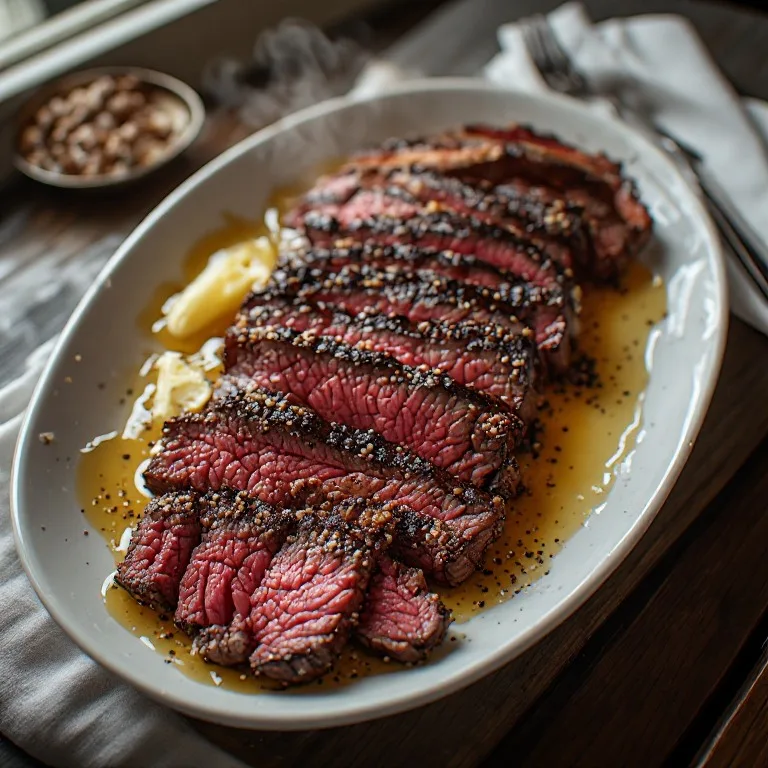
The steak au poivre is why people come. At around $64 — a NY strip coated in cracked peppercorns, seared in a screaming-hot pan, finished with a cognac-cream sauce — it is one of the most copied dishes in New York and one of the least successfully replicated at home. Most home versions produce a steak buried under acrid, burnt pepper and a cream sauce that tastes of raw cognac. The gap between restaurant and home results almost entirely comes down to three technique mistakes that are easy to fix once you understand what they are.
The Three Things That Go Wrong
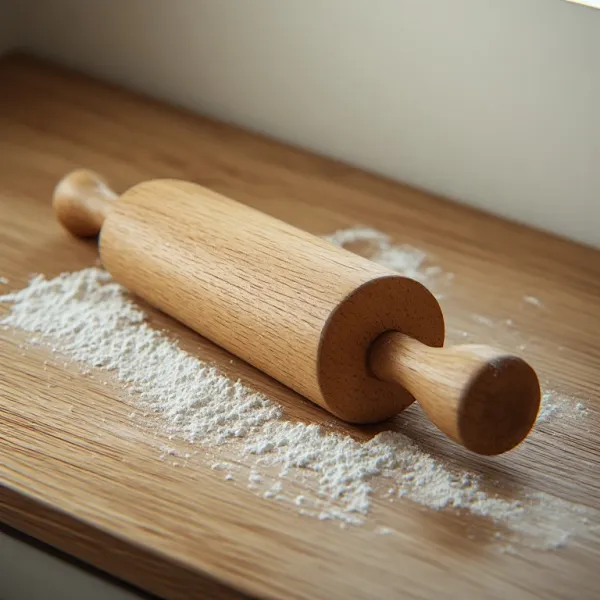
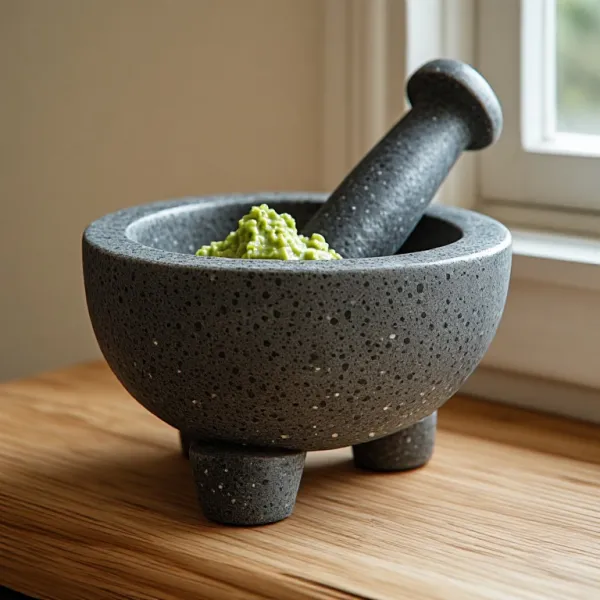
1. The pepper is ground, not cracked. Pre-ground pepper is dust. Dust burns in a 500°F cast-iron pan within seconds, turning bitter and acrid before the steak surface has a chance to form a crust. Coarsely cracked peppercorns are the opposite: large enough to embed in the steak surface, they toast against the pan, and the volatile heat compounds mellow during the sear instead of amplifying. The crack size matters — you want pieces that look like halved poppy seeds. A mortar and pestle (a few short pulses, not grinding) or a rolling pin on a sealed bag gives you this. A spice grinder does not.
2. The pan is not hot enough. A steak au poivre depends on a fast, high-heat sear that builds the peppercorn crust and captures all the fond — the dark, caramelized bits that become the sauce. A moderately hot pan produces a pale, soft crust and thin, flavorless fond. Cast iron is mandatory: it holds heat through the initial moisture release from the steak surface that would drop a thinner pan’s temperature. Preheat it over medium-high for three minutes, then crank it to the highest heat your stove allows for two more minutes before the steak goes in. The pan should be hot enough that a drop of water evaporates within a single second.
3. The cognac doesn’t cook off properly. Cream sauce built on undercooked cognac tastes of raw brandy — you can feel it in the back of your throat. The fix is to either flambé (which burns off the alcohol quickly and caramelizes the cognac’s sugars in a way a simmer doesn’t replicate) or to let the cognac bubble aggressively for a full two minutes on high heat before adding the cream. The flambé is more dramatic and the sauce is marginally better for it; it is also extremely safe if you use 3 tablespoons rather than a pour from the bottle, and you tilt the pan toward the flame rather than toward your face.
The Sauce Logic
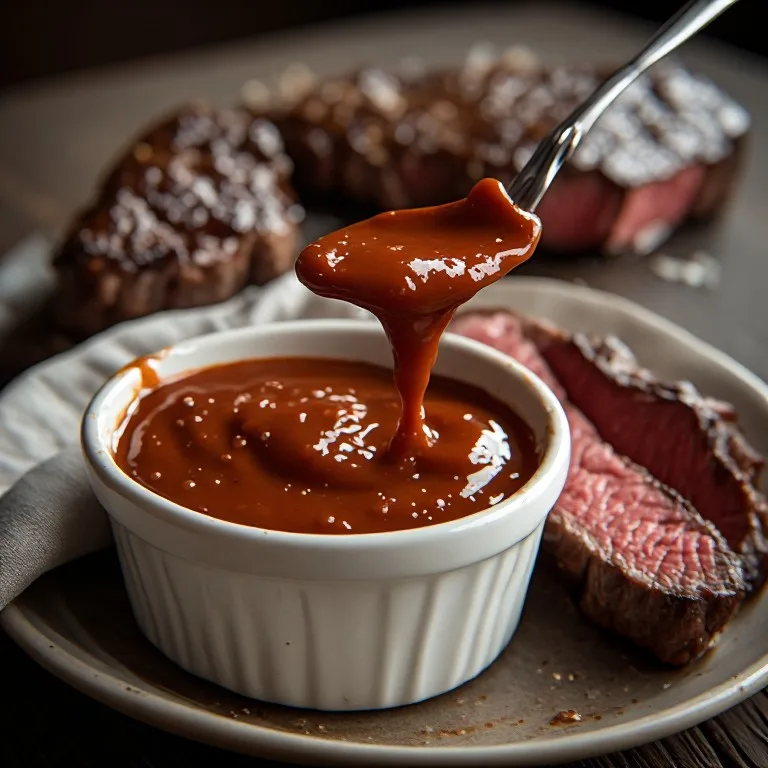
A classic au poivre sauce is built on the same pan the steak was seared in — this is the non-negotiable step that connects the sauce to the meat. The fond left in the cast iron after the sear is where the depth lives: caramelized pepper, rendered beef fat, and Maillard-browned proteins. The shallots soften and pick up those flavors; the cognac lifts them from the pan; the cream absorbs them and reduces to a glossy coating. The finishing butter rounds the sauce’s edge and gives it the sheen that marks a properly made pan sauce as distinct from a simple cream reduction.
The ratio is simple: 3 tablespoons cognac, 3/4 cup heavy cream, 1 tablespoon finishing butter. Do not add flour, cornstarch, or stock. The cream thickens itself through reduction if you let it simmer 2 to 3 minutes.
What Raoul’s Serves It With
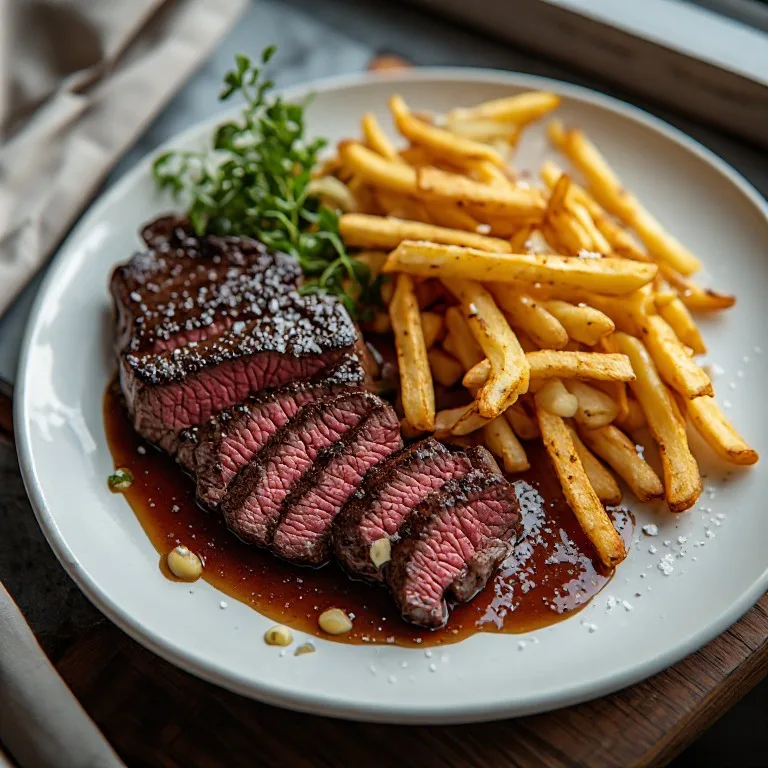
The restaurant plates the steak with shoestring fries — the thin, crisp French-style frites that soak up the sauce from the plate. At home, thin-cut oven fries achieve the same function, or simply roast cubed potatoes tossed in duck fat or olive oil at 425°F for 35 minutes. Watercress alongside — its peppery bitterness cuts the richness of the cream — is the traditional French accompaniment that the restaurant uses.
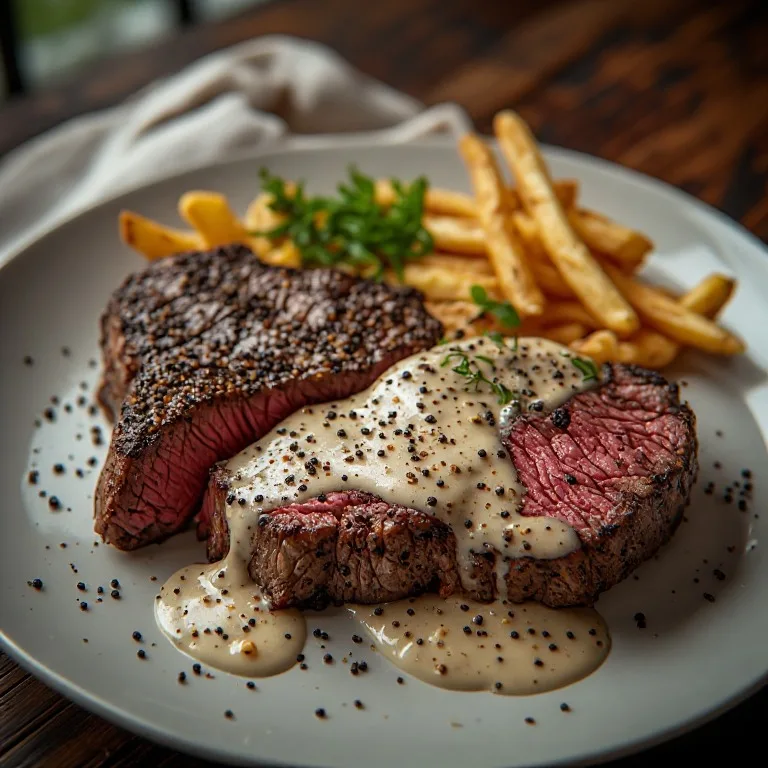
The steak at Raoul’s is served with the sauce spooned over, not drowning the meat. Plate with the sauce running half across the steak and pooling to one side — the presentation lets you see the peppercorn crust, which is part of what you paid for.