Quick answer: Make the coffee rub by whisking together 1/2 cup finely ground Kona coffee (decaf preferred), 3 tablespoons light brown sugar, 3 tablespoons kosher salt, 2 teaspoons granulated garlic, 2 teaspoons black pepper, and 2 tablespoons finely grated Parmesan — enough for 6 to 8 steaks; you press about 2 tablespoons onto each. Make the shallot butter: in a hot skillet, caramelize 2 large shallots (sliced thin) in 1 tablespoon of clarified butter over high heat for 8 minutes until deeply golden, deglaze with 1 tablespoon dry white wine and a squeeze of lemon, cool completely, then fold into 6 tablespoons of softened salted butter; roll in plastic wrap and refrigerate. Pat two 14 to 18 oz dry-aged NY strip or sirloin steaks completely dry, brush with a thin coat of neutral oil, then press the coffee rub firmly onto all surfaces to form a visible crust. Heat a large cast-iron skillet on your highest burner for 5 full minutes until smoking. Sear the steaks 2 minutes per side to set the crust, then transfer the pan to a 425°F oven and cook 6 to 10 more minutes until an instant-read thermometer reads 125°F for medium-rare or 130°F for medium. Rest 5 minutes. Slice 2 rounds of the shallot butter per steak and place on top while hot so they melt into the meat. The Capital Grille charges $52 to $58 for this dish; the home version runs about $30 to $35 for two.
Shop the tools
Gear matched to this recipe. These are Amazon affiliate links — we may
earn a small commission if you buy, at no extra cost to you.
As an Amazon Associate, Copycat Spices earns from qualifying purchases.
Product images are generic illustrations, not the exact item listed.
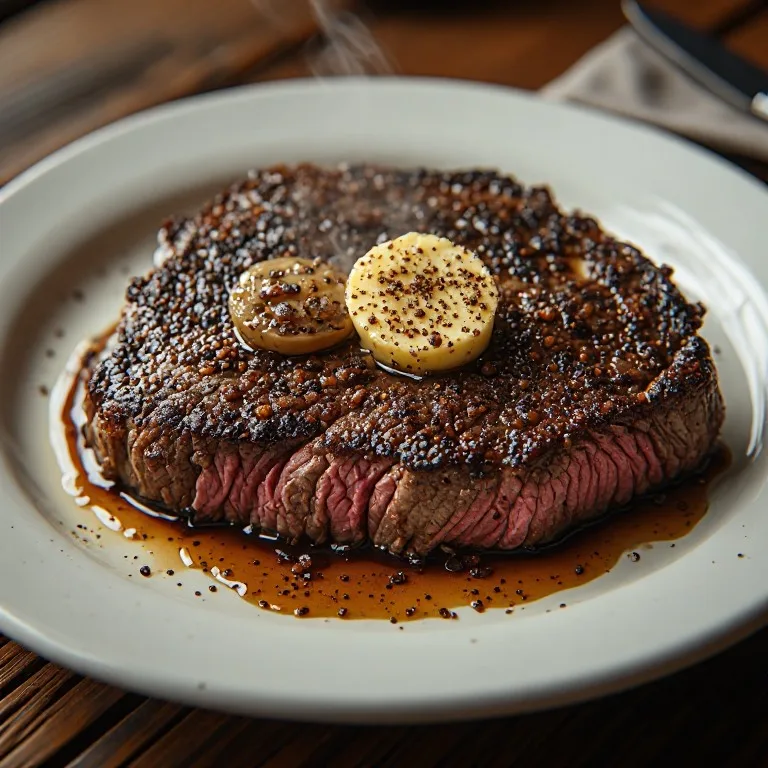
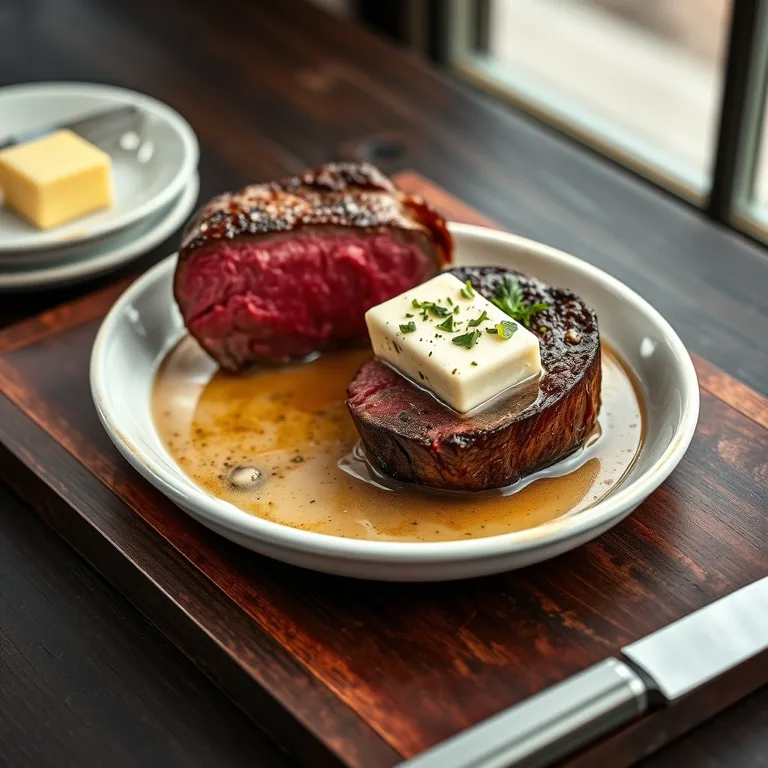
The Capital Grille Kona-Crusted Sirloin with Caramelized Shallot Butter
The Capital Grille's famous Kona-crusted dry-aged sirloin made at home: finely ground Hawaiian coffee pressed into a coffee-sugar-Parmesan crust, seared in cast iron, finished in the oven, and served with a caramelized shallot compound butter. $55 at the restaurant; about $35 at home.
Medium
Prep: 30 min
Cook: 20 min
Total: 50 min2 servings
~$4.50/serving
Prep30 min
Cook20 min
Total50 min
Servings
2
At home~$4.50/serving
vs
Restaurant~$20.25/serving
You save ~78%
The Story Behind the Recipe
The Capital Grille opened in Providence, Rhode Island, in 1990 with a single obsession: dry-aged beef. Every steak on the menu is aged 18 to 28 days in the restaurant's temperature-controlled, salt-block-lined aging room, visible through glass from the dining room — a deliberate choice to show guests what they're getting. The Kona-Crusted Sirloin became the signature non-traditional option on the menu sometime in the late 1990s, when Hawaiian Kona coffee was experiencing a prestige moment in American fine dining. The crust is more than a flavor gimmick: ground coffee provides bitterness, brown sugar caramelizes under heat into a dark shellac-like exterior, grated Parmesan adds an umami bridge, and salt draws moisture from the surface so the crust bonds tightly to the meat rather than falling off.
The dish costs $52 to $58 at most Capital Grille locations (exact price varies by market). At home, a high-quality dry-aged 16 oz NY strip from a butcher or specialty grocer runs $28 to $38. The coffee rub recipe here makes enough for 8 steaks and stores for a month — the per-serving cost of the rub itself is under a dollar. The compound shallot butter is the other key element the restaurant does not explain: it is not just melted butter on top, but a true compound — caramelized shallots cooked down to jammy sweetness with white wine and lemon, folded into softened butter and chilled, then sliced and placed on the hot steak so it melts into the crust over a minute or two at the table.
Nutrition Facts
Per serving (2 servings)
Calories890
Total Fat57g
Total Carbs9g
Dietary Fiber0g
Sugars5g
Protein78g
Sodium950mg
* Estimated values based on standard recipe preparation. Actual values may vary.
Ingredients
Coffee rub (makes enough for 6 to 8 steaks; stores 1 month at room temperature)
Caramelized shallot butter (makes 8 to 10 portions; freezes for 2 months)
The steaks
Instructions
💡
Pro tip: This recipe tastes even better the next day. The flavors need time to meld together in the fridge.
❄️
Storage: Keeps in an airtight container in the fridge for up to 2 weeks. Freezer-friendly for up to 3 months.
🎃 Free Halloween cookbook — download now
The Copycat Halloween Cookbook
A ready-made, photo-illustrated PDF of our best halloween copycat
recipes — free to download, no building required. Pay what you want to support if you love it.
Free PDF — instant download. We'll also send new seasonal copycat recipes now
and then; unsubscribe anytime.
Or just download it →
🎉 Your Halloween Cookbook is ready!
It's free — but if it's worth something to you, you can pay what you want.
It keeps the recipes coming.
$
✓ Downloading your free Halloween Cookbook — check your downloads folder. Happy cooking!
CopycatSpices
The Capital Grille Kona-Crusted Sirloin with Caramelized Shallot Butter
The Capital Grille's famous Kona-crusted dry-aged sirloin made at home: finely ground Hawaiian coffee pressed into a coffee-sugar-Parmesan crust, seared in cast iron, finished in the oven, and served with a caramelized shallot compound butter. $55 at the restaurant; about $35 at home.
capital-grille · steak · sirloin · coffee-rub
🕑Prep30 min
🍳Cook20 min
⏱Total50 min
🍽Serves2
⭐DifficultyMedium
Ingredients
Coffee rub (makes enough for 6 to 8 steaks; stores 1 month at room temperature)
1/2 cup finely ground Kona coffee, decaffeinated preferred (see FAQ; a high-quality Swiss water decaf dark roast is a solid substitute)
3 tablespoons light brown sugar
3 tablespoons kosher salt
2 teaspoons granulated garlic (not garlic powder, though garlic powder works in a pinch)
2 teaspoons freshly ground black pepper
2 tablespoons finely grated Parmesan or Pecorino Romano (using the small holes of a box grater — the cheese should be almost powdery)
Caramelized shallot butter (makes 8 to 10 portions; freezes for 2 months)
2 large shallots (about 1 cup when sliced thin, roughly 1/8-inch thick)
1 tablespoon clarified butter or ghee (for high-heat caramelization without burning)
1 tablespoon dry white wine (Chardonnay, Pinot Grigio, or any dry white)
1/2 teaspoon fresh lemon juice
1/2 teaspoon kosher salt
1/2 teaspoon freshly cracked black pepper
8 tablespoons (1 stick) salted butter, softened to room temperature
The steaks
2 dry-aged New York strip steaks or top sirloin steaks, 14 to 18 oz each and at least 1.25 inches thick (see FAQ on dry-aging and cut)
1 tablespoon neutral oil (canola or avocado)
Instructions
1.Make the coffee rub. Whisk together the ground coffee, brown sugar, kosher salt, granulated garlic, black pepper, and grated Parmesan in a bowl until fully combined. The mixture should be uniformly dark brown with no clumps of sugar or cheese. Transfer to an airtight jar and label with the date — it keeps for 1 month at room temperature. The Parmesan adds trace moisture; for maximum shelf life, store in the refrigerator.
2.Caramelize the shallots. Slice the shallots as thin as possible — paper-thin is ideal. Warm a medium saucepan or skillet over high heat for 2 minutes. Add the clarified butter and heat until shimmering and almost smoking. Add the shallots in a single layer. Cook over high heat, stirring occasionally, for 8 to 10 minutes. The shallots will first soften and turn translucent, then begin to color. You want them fully golden-brown to dark amber — genuinely caramelized, not just soft. If they are browning too fast and the pan looks dry, add a splash of water (1 tablespoon) and scrape up the fond. When the shallots are deeply caramelized, add the white wine and lemon juice: they will hiss and steam dramatically. Stir and scrape to incorporate the caramelized bits from the pan bottom. Season with salt and pepper. Cook 1 minute until the wine is absorbed. Remove from heat and spread on a plate to cool completely to room temperature — at least 20 minutes.
3.Make the compound butter. In a bowl, combine the softened salted butter and the completely cooled caramelized shallots. Beat with a fork or rubber spatula until fully incorporated — the shallots should be evenly distributed throughout the butter. Taste and adjust salt. Lay a 10-inch piece of plastic wrap on the counter, spoon the butter in a rough log shape along the near edge, then roll the plastic wrap tightly to form a cylinder about 1.5 inches in diameter. Twist the ends tightly and refrigerate for at least 2 hours until firm. (Can be made up to 5 days ahead.)
4.Prep the steaks. Remove the steaks from the refrigerator 45 minutes before cooking to take the chill off. Pat both steaks completely dry with paper towels — surface moisture prevents crust adhesion. Brush each steak lightly on all surfaces with neutral oil. Measure out 2 generous tablespoons of coffee rub per steak. Press the rub firmly onto all surfaces — top, bottom, and sides — using the flat of your hand to create visible, adherent coverage. Do not shake off excess. Let the rubbed steaks sit at room temperature while you heat the pan.
5.Preheat the oven and cast iron. Set your oven to 425°F and let it fully preheat. Place a large oven-safe cast-iron skillet (12-inch or larger) on your highest burner. Heat the dry, empty pan for 5 full minutes until it is smoking. Do not add oil — the oil on the steaks is sufficient.
6.Sear the steaks. Lay the steaks in the smoking cast iron away from you (to protect from splattering). Do not press, do not move. Sear undisturbed for exactly 2 minutes — the crust needs time to set and release. If you flip before the crust has bonded, it will tear. The pan will smoke significantly. Flip once with tongs. Sear the second side 2 minutes. The exterior should be deeply browned and slightly firm to the touch.
7.Finish in the oven. Transfer the cast-iron skillet directly into the 425°F oven. Cook 6 to 10 minutes for medium-rare, checking temperature with an instant-read thermometer at 6 minutes. For medium-rare, pull at 125°F internal (finished temperature after rest: 130°F). For medium, pull at 130°F. The exact time depends heavily on steak thickness and starting temperature. Do not rely on the crust color for doneness — it goes dark regardless of interior temperature.
8.Rest the steaks. Transfer the steaks to a cutting board. Tent loosely with foil and rest 5 minutes. During this time, the internal temperature will rise 3 to 5 degrees and the juices will redistribute. Do not skip the rest.
9.Finish with shallot butter. Unwrap the compound butter log and slice 2 rounds (about 1/4 inch thick each) per steak. Place them on top of the hot, rested steaks immediately before serving. The butter will begin melting within 30 to 60 seconds from residual heat, pooling into the crust and over the sides of the steak — this is the Capital Grille's finishing touch. Serve immediately.
Notes
Capital Grille’s Kona-Crusted Sirloin with Caramelized Shallot Butter is the restaurant’s most recognizable non-traditional steak: a thick dry-aged New York strip or sirloin coated in a crust of Kona coffee, brown sugar, grated Parmesan, and garlic, seared to a dark shell, and finished with a warm round of compound butter made from deeply caramelized shallots. The dish costs $52 to $58 at the restaurant. At home, it runs about $30 to $35 for two — and the coffee rub keeps for a month, so the cost per subsequent batch is negligible.
The two elements that set this apart from standard coffee-rubbed steaks are the Parmesan in the rub (adds umami and helps the crust bond to the surface) and the caramelized shallot compound butter (not just butter, but shallots cooked down to jammy sweetness with white wine and lemon, folded in and chilled). Both are straightforward; neither takes longer than 15 minutes to prepare.
The main technique challenge is managing the coffee-sugar crust without burning it. This recipe uses cast iron sear plus oven finish — 2 minutes per side in a screaming-hot pan to set the crust, then 6 to 10 minutes in a 425°F oven where the temperature is controlled enough to finish the steak without scorching the rub. This beats direct grilling, where grate temperatures of 500°F to 600°F can carbonize the sugar in seconds.
🥗
Make It Healthier
Love The Capital Grille Kona-Crusted Sirloin with Caramelized Shallot Butter but want a lighter version? Try these simple swaps:
✓The compound butter is where most of the added fat lives — each 2-round serving adds about 120 calories and 13g of fat to the steak. You can cut this in half by using one round instead of two; the flavor impact on a well-seared steak is still significant because the butter melts directly into the crust.
✓A 14 oz strip steak (versus 18 oz) cuts the protein-and-fat portion by about 22% while keeping the full crust-and-butter experience intact — restaurant portions are deliberately oversized.
✓The coffee rub itself is essentially zero-calorie. Its only 'heavy' ingredient is salt; if you are managing sodium, reduce the rub's salt to 2 tablespoons from 3 and season the steak with a light additional pinch directly before searing.
✓Pair with roasted asparagus or broccolini rather than a starchy side — the compound butter pooling on the plate will infuse into vegetables just as effectively as into a baked potato, but with significantly fewer total carbohydrates.
Frequently Asked Questions
What makes the Capital Grille use Kona coffee specifically?
Kona coffee, grown on the slopes of Mauna Loa and Hualalai volcanoes on the Big Island of Hawaii, has a distinctly mild, smooth, low-acid flavor compared to African or South American coffees. It lacks the sharp bitterness of a dark Ethiopian roast or the acidic brightness of a Kenyan coffee. In a rub that is going onto steak, those qualities matter: you want the coffee flavor to add depth and a roasted, slightly bitter dimension without overpowering the beef or turning acrid under high heat. Kona coffee used in a steak rub also caramelizes a bit more gently than ultra-dark roasts, giving you a rich brown crust rather than a charred one. The Capital Grille specifies decaffeinated Kona in their official recipe — the decaffeination process mellows the sharp edges of coffee flavor further, leaving the roasty, sweet notes more prominently. For the home cook: genuine 100% Kona coffee is expensive ($35 to $65 per pound) and increasingly hard to find as 10% Kona blends crowd shelves. A high-quality Swiss water-processed decaf dark roast from any single-origin source will work nearly as well. Grind it fine — finer than drip, coarser than espresso — so it adheres to the meat rather than falling off in chunks.
How do I keep the coffee-sugar crust from burning on the grill?
This is the central challenge with any coffee-sugar rub, and the reason the oven-finish method beats a direct grill for this dish. The brown sugar in the rub has a burn point around 350°F — high-heat grill grates commonly run 500°F to 600°F, which carbonizes the crust in minutes. Three approaches work at home: (1) Cast iron sear + oven finish, as in this recipe — the cast iron is preheated to smoking, gives each side a hard 2-minute sear to set the crust, then the steak finishes in a 425°F oven where the temperature is moderate enough not to burn the crust during the remaining cook time. (2) Two-zone grilling — build charcoal to one side only, or on a gas grill turn one burner off, sear over the hot side for 2 minutes per side, then move to the cool side and close the lid to finish. The indirect heat lets the steak cook through without the direct flame carbonizing the sugar. (3) Reverse sear — start the steak on a wire rack in a 250°F oven until internal temp reaches 110°F, then sear in a screaming-hot cast iron pan. The surface is drier from the slow oven phase, so the crust forms faster and the actual searing time is shorter, giving the sugar less time to burn. All three methods work; the cast iron + oven method is the simplest and most consistent for home cooks.
Does the steak need to be dry-aged, or can I use fresh?
The Capital Grille uses 18 to 28-day dry-aged beef, and it makes a genuine difference that is worth understanding. During dry-aging, surface moisture evaporates (reducing the steak's weight, which is why dry-aged beef is more expensive), enzymes break down muscle proteins resulting in more tender meat, and flavor compounds concentrate and develop — particularly nutty, almost blue-cheese-like notes in the fat. Against a coffee rub that is already assertive, dry-aged beef holds its own: the intensified beef flavor is a counterweight to the bold crust. A fresh-cut sirloin will be milder, which is not bad — the dish is still excellent — but there is less of that back-and-forth between crust and meat. If dry-aged beef from a butcher or specialty grocer is not accessible, look for USDA Prime grade: the higher fat marbling (fat score of 5 or above) provides more flavor than Choice. 'Wet-aged' beef (sealed in cryovac for 14 to 21 days in refrigeration) is the most common form of 'aged' beef at supermarkets — it ages via enzyme activity without moisture loss, and while tender, it lacks the concentrated flavor of true dry-aging. If using wet-aged, pat the surface bone-dry with paper towels before applying the rub to improve crust adhesion.
Can I make the shallot butter in advance?
Yes, and you should. The shallot butter needs to chill completely before use — at room temperature, the compound butter will be too soft to slice cleanly and will smear rather than melt elegantly. Make it up to five days in advance: caramelize the shallots, let them cool fully to room temperature, then fold into the softened butter as described. Roll tightly in plastic wrap into a cylinder about 1.5 inches in diameter, refrigerate for at least 2 hours until firm. Slice rounds from the chilled log directly onto the hot steaks at serving time. The compound freezes well for up to 2 months — wrap the plastic-wrapped cylinder in foil before freezing, and thaw in the refrigerator overnight before using.
How thick should the steaks be, and what cut does Capital Grille use?
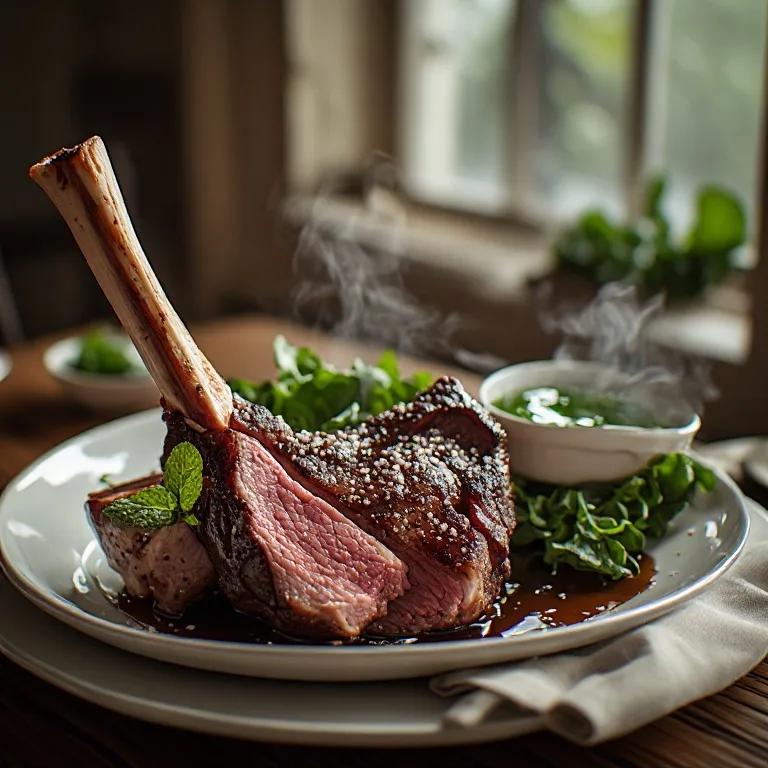
The Capital Grille menu lists the Kona-Crusted Sirloin at 18 oz. Their bone-in version (called the Bone-In Kona Crusted Dry-Aged NY Strip) runs the same preparation on a larger cut. For home cooking, you want a steak that is at least 1.25 inches thick — ideally 1.5 to 2 inches — because the coffee-sugar crust requires a few minutes of searing time to set, and a thin steak will overcook before the crust has time to develop properly. The cut can be NY strip, top sirloin, or ribeye; the restaurant typically uses the New York strip (top loin). NY strip has a firmer texture than ribeye, a slightly leaner fat distribution, and takes a crust well because the exterior surface is consistent (no large fat caps creating uneven browning). A ribeye makes a richer, more unctuous version. A simple top sirloin works and is the most affordable option — the technique is unchanged, just expect slightly less intramuscular fat in the finished dish.
What temperature should I pull the steak, and why does the rub affect this?
Pull the steak at 125°F for medium-rare (finished temperature after rest: 130°F) or 130°F for medium (finished: 135°F). The rub creates one complication: the dark exterior crust obscures the color cues you would otherwise use to gauge doneness on a plain steak. You cannot rely on visual browning of the surface to estimate where the interior is — the coffee-sugar crust goes very dark very quickly regardless of the interior temperature. A reliable instant-read thermometer is not optional here. Insert it horizontally into the side of the steak at the thickest point, keeping the probe tip near the center and away from the bone (if any). The USDA recommends 145°F for beef, but for steakhouse-style whole-muscle cuts, food safety guidelines consider medium-rare safe because surface pathogens are destroyed in the searing process; the concern is only for ground meat, where surface bacteria are mixed throughout. Cook to your preference.
What sides does Capital Grille serve with the Kona sirloin?
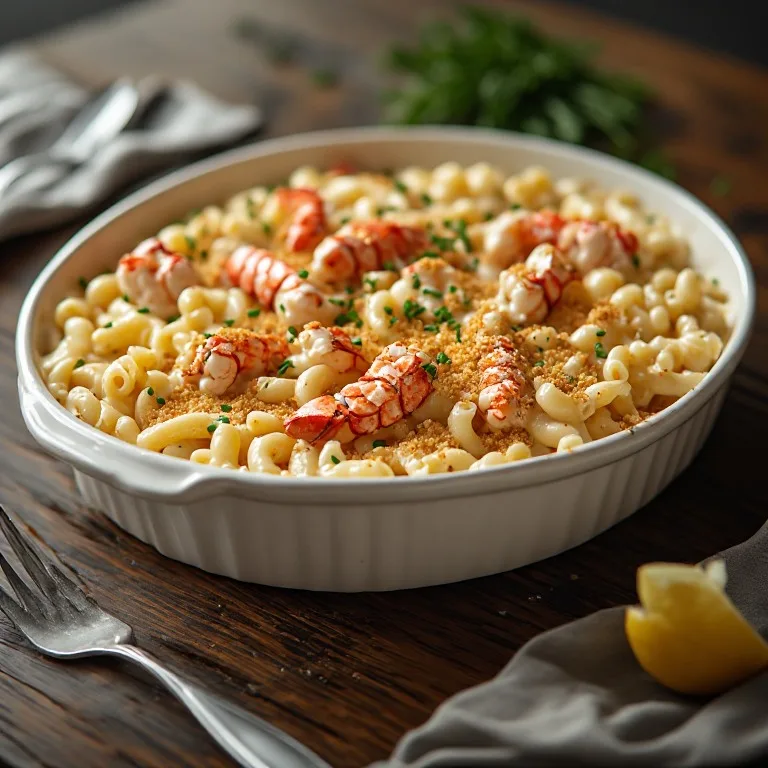
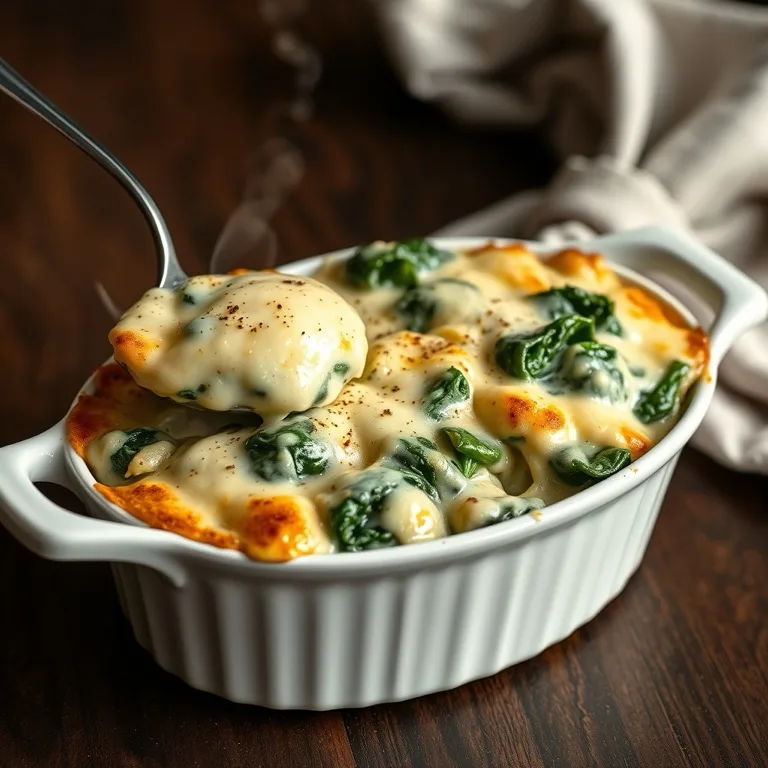
Capital Grille serves sides a la carte, steakhouse style. The most common pairings for the Kona-Crusted Sirloin are their au gratin potatoes (a thin-sliced gratin with Gruyere and cream), creamed spinach, and roasted asparagus. Their lobster mac and cheese (covered separately on this site) is also a popular addition. At home, the shallot butter is rich and slightly sweet, which pairs best with something starchy (to absorb the butter as it pools) or slightly bitter (asparagus, broccolini) to cut through the richness. Roasted garlic mashed potatoes, a baked potato topped with crème fraîche, or crispy roasted fingerling potatoes all work well. Avoid heavily dressed salads next to the steak — acidic vinaigrettes compete with the coffee-sugar crust. A simple butter lettuce with lemon and olive oil is fine.
Every recipe here is free, with no paywalls. If this one was a hit at your table, a small tip keeps new copycats coming.
$
💛 Support checkout is coming soon — the cookbook stays free either way.
The Capital Grille is a trademark of its owner, used here only to describe the dish this recipe recreates.
This is an independent copycat written in our own words — Copycat Spices is not affiliated with,
endorsed by or sponsored by The Capital Grille.
Researched + fact-checked. Every recipe on Copycat Spices is built from published sources — official ingredient lists, brand-published recipes, interviews and food-science references — and fact-checked before it goes live, then written as clear, step-by-step instructions for home cooks of all skill levels.
Before you go — grab The Copycat Halloween Cookbook 🎃
Our best Halloween copycat recipes in one photo-illustrated PDF. Free, instant download.
Free PDF — instant download. We'll also send new seasonal copycat recipes now
and then; unsubscribe anytime.
Or just download it →
✓ Downloading your free Halloween Cookbook — check your downloads folder. Happy cooking!
We use privacy-friendly analytics to understand what recipes people love. By continuing, you consent to our use of cookies. Learn more
🎃 Get The Copycat Halloween Cookbook — freeInstant PDF, no sign-in. Pay what you want only if you'd like to support us. One email a week, unsubscribe anytime.