
Pin It

Carbone Tiramisu

Carbone Tiramisu
Jump to Recipe
Prep 35 min Cook 10 min Serves 10
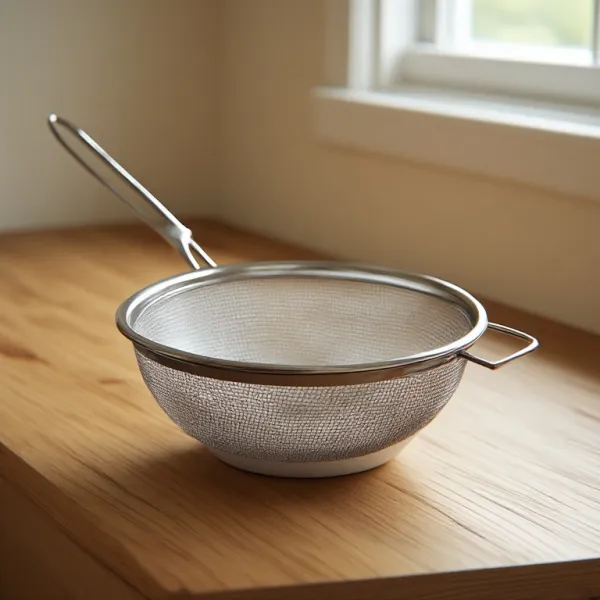
Quick answer: Whisk 6 large egg yolks with 2/3 cup sugar and 3 tablespoons dry Marsala in a heatproof bowl set over barely simmering water. Whisk constantly for 8 to 10 minutes until the mixture triples in volume, turns pale yellow, and reaches 160°F. Remove from heat and cool to room temperature, about 20 minutes. Beat 16 oz cold mascarpone until smooth, then fold in the cooled zabaglione in three additions. Whip 1 cup cold heavy cream to medium peaks and fold gently into the mascarpone mixture. Combine 1 cup strong cooled espresso with 2 tablespoons Kahlúa or dark rum in a shallow bowl. Dip each Savoiardi ladyfinger for 1 second per side — no longer — and arrange in a single layer in a 9×13 dish. Spread half the mascarpone cream evenly over the ladyfingers. Add a second layer of dipped ladyfingers. Spread the remaining cream and smooth the top flat. Cover tightly and refrigerate at least 6 hours, preferably overnight. Just before serving, pass unsweetened Dutch-process cocoa through a fine sieve over the entire surface in a thick even layer until no cream shows through. Slice and serve cold. Makes 10 to 12 portions.

Carbone Tiramisu

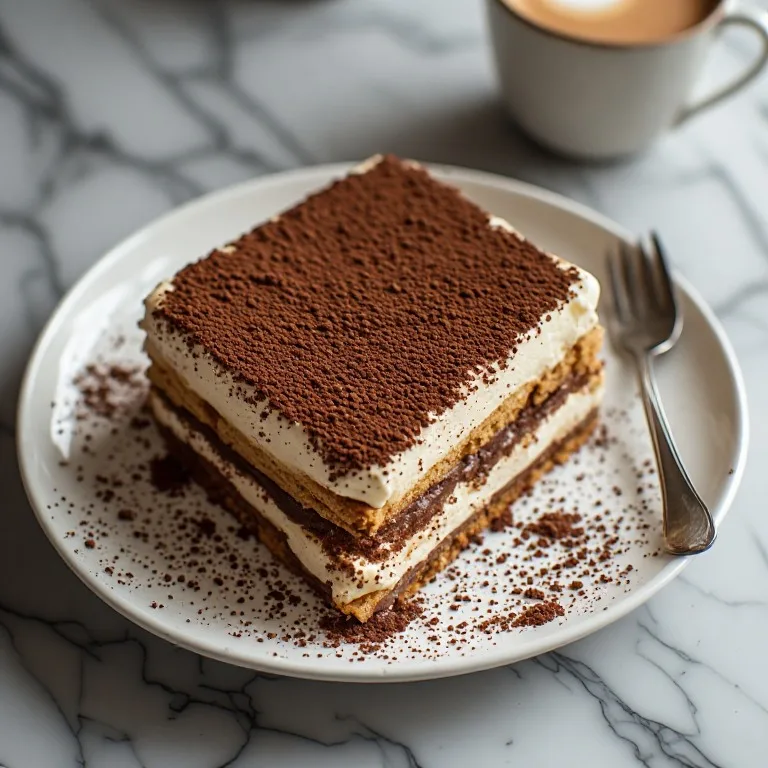
The Carbone-style tiramisu at home: egg yolk zabaglione cooked with dry Marsala and folded into cold mascarpone, layered over espresso-soaked ladyfingers, finished with a heavy dusting of Dutch-process cocoa. The same classical method behind the dessert tray at one of New York's hardest reservations.

Medium Prep: 35 min Cook: 10 min Total: 45 min10 servings ~$4.20/serving
Prep35 min
Cook10 min
Total45 min
Servings
10
At home~$4.20/serving
vs
Restaurant~$18.90/serving
You save ~78%

The Story Behind the Recipe

Carbone opened in 2013 in a former Italian-American institution on Thompson Street in Greenwich Village, with Mario Carbone, Rich Torrisi, and Jeff Zalaznick building it as a theatrical love letter to mid-century New York Italian dining. The reservation is notoriously difficult — a phone-in Resy system, about 90 seats, and a years-long reputation as the city's hardest table. Dessert arrives as a performance: servers wheel a tiered display to each table and present the evening's options by name. The tiramisu is a fixture on that tray, made in the classical Italian-American restaurant style — rich, composed, and portioned generously. A slice runs $26 at the restaurant.

The technique that sets a restaurant-caliber tiramisu apart from the home shortcut version is the cooked zabaglione base. Rather than folding raw yolks directly into mascarpone, this method cooks egg yolks with sugar and Marsala over a double boiler to 160°F, producing a smooth custard with depth that no raw-yolk shortcut matches. Cold mascarpone folded into that base, lightened with whipped cream, holds clean layers after the overnight rest. The key variables are two: espresso strength (it must be strong enough to read through the mascarpone after dipping) and cocoa quality (Dutch-process, not natural, for the right bitterness on top). This recipe makes one full 9×13 pan — enough for 10 to 12 people, at roughly $22 in ingredients.

Nutrition Facts

Per serving (10 servings)
Calories370
Total Fat24g
Total Carbs30g
Dietary Fiber0g
Sugars22g
Protein7g
Sodium90mg

* Estimated values based on standard recipe preparation. Actual values may vary.

Ingredients

  • Zabaglione
  • Mascarpone cream
  • Assembly

Instructions

💡
Pro tip: This recipe tastes even better the next day. The flavors need time to meld together in the fridge.
❄️
Storage: Keeps in an airtight container in the fridge for up to 2 weeks. Freezer-friendly for up to 3 months.
🎃 Free Halloween cookbook — download now The Copycat Halloween Cookbook A ready-made, photo-illustrated PDF of our best halloween copycat recipes — free to download, no building required. Pay what you want to support if you love it.

Free PDF — instant download. We'll also send new seasonal copycat recipes now and then; unsubscribe anytime. Or just download it →

Copycat Carbone Tiramisu

Prep time: 35 min Cook time: 10 min Servings: 10 to 12

Carbone opened in 2013 at 181 Thompson Street in a Greenwich Village space that had housed Italian-American restaurants for decades before it. Mario Carbone, Rich Torrisi, and Jeff Zalaznick built it as a deliberate period piece: the mid-century red sauce Italian-American restaurant at its most theatrically refined. New York Times critic Pete Wells gave it three stars within months of opening. The reservation became famously difficult — a phone-in system, 90 seats, and a word-of-mouth that accelerated when celebrities started photographing their meals there. A table at Carbone is a kind of event.

Dessert at Carbone follows the same logic as the rest of the meal: it arrives with ceremony. A server wheels a tiered dessert tray tableside and presents the evening’s offerings — the tiramisu is always among them. At $26 per portion, it is served in the size you expect from a restaurant that charges $89 for a veal chop: generous, composed, finished with a heavy covering of cocoa. This recipe produces the same dish at home, in a single 9×13 pan, for about $22 in ingredients.

The Zabaglione Is the Whole Thing

Most home tiramisu recipes fold raw egg yolks with sugar directly into room-temperature mascarpone. The shortcut works: the result is a recognizable tiramisu. What it lacks is structure and depth.

The restaurant version starts with zabaglione — egg yolks, sugar, and Marsala cooked over barely simmering water, whisked constantly until the mixture triples in volume, turns pale yellow, and reaches 160°F. At that point, it has transformed from raw yolks into a smooth, stable custard: pasteurized, glossy, and carrying a faint Marsala nuttiness that raw yolks cannot offer. When that custard cools and folds into cold mascarpone, the mascarpone holds its shape firmly. The layers don’t slump after slicing. The cream cuts clean.

The second reason to cook the eggs is food safety. Eggs in the U.S. carry a non-trivial Salmonella risk that is eliminated at 160°F. Restaurant tiramisu uses cooked zabaglione partly because restaurant kitchens are legally required to pasteurize egg products in finished dishes. The home recipe gains the same safety margin for the same step.

Two Temperatures That Matter

The zabaglione needs to be fully cooled before it meets the mascarpone. Warm zabaglione — even slightly warm — begins to melt the cold fat in mascarpone, and once the fat structure in mascarpone breaks, the cream separates into a greasy, curdled mixture that will not recover. Twenty minutes in the refrigerator or ten minutes over a bowl of ice water takes the zabaglione down to room temperature safely.

The espresso needs to be fully cooled too, and strongly brewed. A standard single shot of espresso diluted with hot water produces a ladyfinger that tastes lightly of coffee after a night in the cream. Two shots of straight espresso — the equivalent of what a restaurant would use — produces a ladyfinger that tastes unmistakably like coffee even through a thick layer of mascarpone. Use 2 tablespoons of espresso per 1/4 cup of water as your ratio, or brew your drip coffee at double strength if you do not have an espresso machine.

The Ladyfinger Timing

One second per side is not a metaphor. Savoiardi ladyfingers are dry biscuits with an open crumb structure that absorbs liquid within two or three seconds. The goal is a ladyfinger that has picked up moisture evenly throughout but still retains just enough structure to stack under the cream. After the overnight rest, the layers equalize — the slightly under-dipped center finishes absorbing from the cream itself.

Hold a ladyfinger in the espresso for three seconds instead of one and you produce a wet, collapsing layer that turns to mush under the cream’s weight. Hold it for five seconds and you have espresso-soaked sponge.

The dipping bowl matters too: wide and shallow means you can hold the ladyfinger horizontally, which is the right posture. A tall narrow glass forces you to dip vertically, which means one end gets more espresso than the other.

Dutch-Process Cocoa, Not Natural

Dutch-process cocoa is treated with an alkali that neutralizes its natural acidity, producing a deeper, darker color and a distinctly less bitter flavor than natural cocoa. On a tiramisu — where the cocoa is the only thing between the viewer and the cream — Dutch-process looks dramatically better (dark, evenly matte) and tastes better (bitter but not harsh). Natural cocoa is reddish-brown and acidic; it looks washed-out on the cream surface and has an edge that fights the Marsala in the zabaglione.

Valrhona, Callebaut, and Guittard all produce Dutch-process cocoa sold in standard grocery stores. Hershey’s standard cocoa is natural, not Dutch-process; Hershey’s Special Dark is Dutch-process and widely available.

Dust just before serving — cocoa dusted ahead of time absorbs moisture from the cream and turns dark and damp. The goal is the dry, powdery surface that looks like fresh-fallen snow.

Tips & Variations
  • Individual glasses are elegant and practical. Assemble the tiramisu in 10 to 12 individual 4-oz glasses (single ladyfinger layer, cream to the top, cocoa just before serving) for easier portioning and cleaner presentation at a dinner party.
  • The Marsala matters but it is flexible. Dry Marsala adds the classic nutty note to the zabaglione. Dry Madeira or dry sherry (Amontillado) are the closest substitutes. Sweet Marsala works — reduce the sugar in the zabaglione by 1 tablespoon to compensate. Brandy or dark rum produce a good zabaglione with a different flavor character. For alcohol-free: use 3 tablespoons of cold strong espresso in the zabaglione and omit the Kahlúa from the dipping coffee.
  • Make only the cream in advance. The assembled tiramisu holds for 3 days, but if you want maximum freshness, make the mascarpone cream up to 2 days ahead and refrigerate it covered, then assemble and chill for 6 hours the day you plan to serve.
  • A kitchen scale improves consistency. Measuring mascarpone by volume is imprecise — 16 oz by weight (450g) is the accurate measure regardless of how packed the container is.
Storage & Reheating

Store the finished tiramisu, tightly covered with plastic wrap, in the refrigerator for up to 4 days. Do not freeze — the mascarpone cream separates on thawing and the texture cannot be recovered. Slice with a clean sharp knife, wiping the blade between cuts for clean edges.

More from Carbone
🥗

Make It Healthier

Love Carbone Tiramisu but want a lighter version? Try these simple swaps:

  • ✓Use 4 egg yolks instead of 6 and add an extra 1/4 cup whipped cream to compensate — the zabaglione is lighter and brings each serving to about 310 calories.
  • ✓Reduce the heavy cream to 1/2 cup and increase mascarpone by 2 oz — the tiramisu is denser but saves about 45 calories per serving from the missing cream fat.
  • ✓Omit the Kahlúa from the espresso dip and use straight espresso concentrate — keeps the coffee flavor, eliminates the liqueur's added sugar.
  • ✓Serve in individual 4-oz glasses with one ladyfinger layer only — each glass is roughly 185 calories and built-in portion control.

Frequently Asked Questions

What makes a restaurant tiramisu different from a basic home version?

The main difference is the cooked zabaglione base. Many home recipes fold raw egg yolks directly into mascarpone at room temperature — it is fast, but produces a looser, less structured cream, and the raw yolks sit in a food-safety gray zone. The classical restaurant method cooks the yolks with sugar and Marsala over a double boiler to 160°F, which pasteurizes them and produces a smooth, thickened custard with a more complex flavor. When that cooled zabaglione is folded into cold mascarpone and then lightened with whipped cream, the result holds clean layers after an overnight rest and slices like a terrine rather than slumping. The Marsala in the zabaglione adds a nutty, slightly oxidized depth that raw-yolk versions lack entirely.

Why dip the ladyfingers for only 1 second per side?

Savoiardi ladyfingers are dry, porous biscuits that absorb liquid very rapidly. One second per side in cold espresso gives them enough coffee flavor and moisture while leaving a slightly dry center. That dry center is what prevents the final dish from having wet, soggy layers after the overnight rest. If you hold them in the espresso for 3 to 5 seconds, they become fully saturated, collapse under the weight of the cream, and produce a mushy bottom layer. The goal is a ladyfinger that is moist all the way through but still has faint structure — you can feel a small resistance when you bite it. If your espresso is very bitter, add 1 teaspoon of sugar to the dipping liquid, but keep the timing exactly the same.

Does this tiramisu contain raw eggs?

No. The egg yolks are cooked to 160°F in the zabaglione step, which is the FDA-recommended temperature for destroying Salmonella. At 160°F, the yolks have thickened into a fully cooked custard — there is no raw-egg risk. Some quick tiramisu recipes skip the double-boiler step and use raw yolks whisked cold into mascarpone; that shortcut produces a looser texture and skips the food-safety step. If you want a fully pasteurized version without cooking, you can use pasteurized shell eggs and skip the thermometer check, though the texture and flavor will be somewhat different.

Can I skip the double boiler and use a different method?

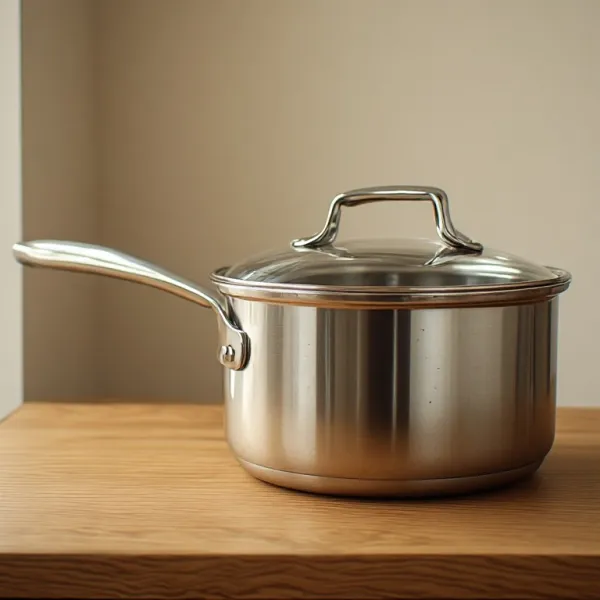
The simplest setup is a large heatproof bowl (stainless steel or glass) set over a saucepan with 2 inches of barely simmering water. The bowl should not touch the water, and the water should show no more than a gentle simmer — rolling bubbles produce steam that overheats the eggs. That bowl-over-pot arrangement is functionally identical to a commercial double boiler. The zabaglione is ready when it has tripled in volume, turned pale yellow, and a spoon dragged through it leaves a trail that holds for 1 to 2 seconds before filling in. An instant-read thermometer reading of 160°F removes the guesswork entirely.

How far in advance can I make this?

Tiramisu improves significantly in the first 6 to 24 hours after assembly as the ladyfingers absorb moisture evenly and the cream sets. You can assemble it up to 3 days in advance, keeping it tightly covered in the refrigerator. The one step to hold back: do not dust the cocoa until right before serving. Cocoa dusted ahead of time absorbs moisture from the cream and turns dark and damp rather than dry and powdery. Leftovers keep, covered, for up to 4 days in the refrigerator. The dish does not freeze well — the mascarpone cream separates and becomes grainy on thawing.

What can I substitute for dry Marsala wine?

Dry Marsala adds a nutty, slightly oxidized depth to the zabaglione that is hard to replicate exactly. The closest substitutes are dry Madeira and dry sherry (Amontillado) — both have a similar oxidized character. Sweet Marsala also works but makes the zabaglione sweeter; reduce the sugar by 1 tablespoon to compensate. Brandy or dark rum change the flavor profile but produce a well-structured zabaglione. For an alcohol-free version, use 3 tablespoons of strong cold espresso in place of the Marsala — the flavor is different but the texture will be correct.

Love this recipe? Share it!

Free PDF: our 12 most-wanted copycat recipes — instant download.

Made it? Buy us a coffee

Every recipe here is free, with no paywalls. If this one was a hit at your table, a small tip keeps new copycats coming.

$

Carbone is a trademark of its owner, used here only to describe the dish this recipe recreates. This is an independent copycat written in our own words — Copycat Spices is not affiliated with, endorsed by or sponsored by Carbone.

Ratings & Reviews

—
No ratings yet

Rate this recipe

Click a star to rate

Leave a Review

0/500

CS

Copycat Spices Editorial

Researched + fact-checked. Every recipe on Copycat Spices is built from published sources — official ingredient lists, brand-published recipes, interviews and food-science references — and fact-checked before it goes live, then written as clear, step-by-step instructions for home cooks of all skill levels.

Learn more about our mission →