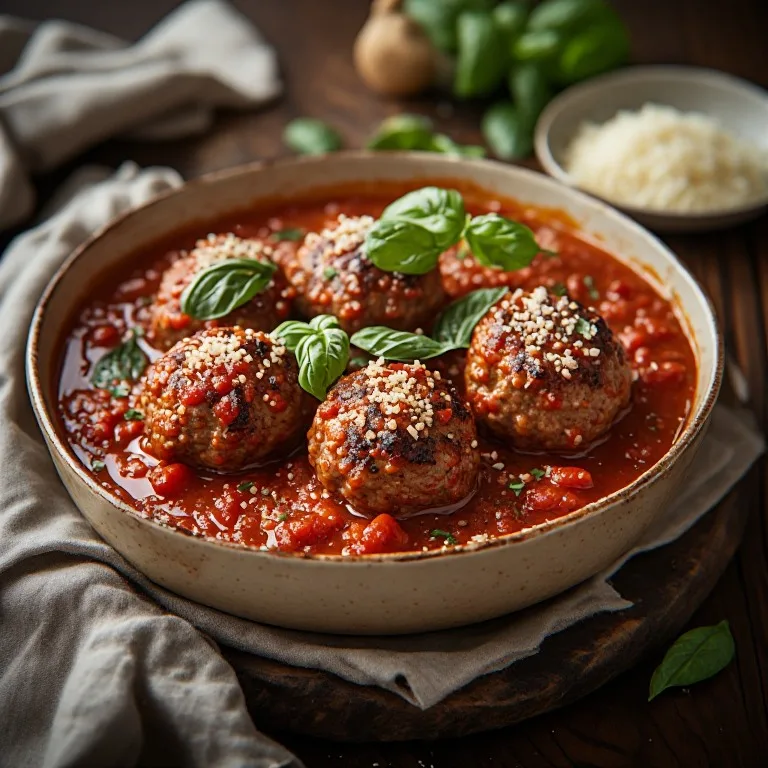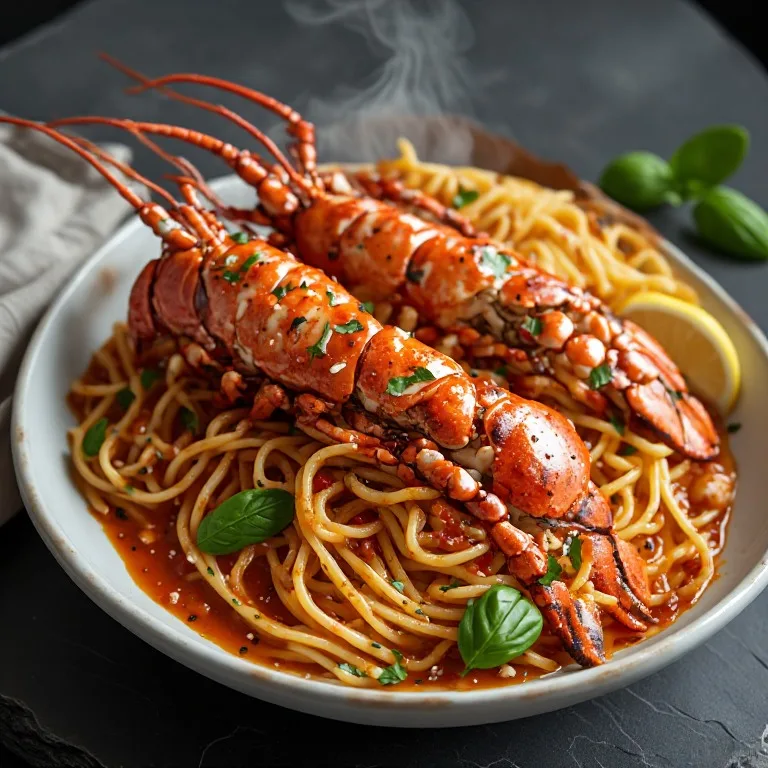



Copycat Carbone Lobster Fra Diavolo (The Spicy Tomato Lobster Pasta, Made at Home)
Prep time: 20 min Cook time: 35 min Servings: 4
Carbone’s Lobster Fra Diavolo is the kind of dish that stops conversation when it walks past your table. A whole Maine lobster, deep-red from the sear and the sauce, piled over linguine in a tomato sauce you can smell from across the dining room. It arrives at market price — roughly $120 to $145 — because it earns that price. This is the same dish, made at home in about an hour for a fraction of what the restaurant charges.
The technique is achievable. What it requires is two things: searing the lobster shell-side down in a ripping-hot pan before you build the sauce (the shells release a fond that becomes the entire flavor foundation), and using Calabrian chili paste instead of ordinary red pepper flakes. Those two steps are the difference between a good tomato-lobster pasta and one that tastes like Carbone.
The Key Technique: Shell-Down Sear First
Most home versions of lobster fra diavolo go straight to the tomato sauce, adding raw lobster to simmer until cooked through. Carbone’s approach is different — and the difference is significant.
Placing lobster halves shell-side down in screaming-hot butter and oil produces something that adding them to simmering tomato sauce does not: a deep, caramelized fond on the pan bottom made of lobster fat, shell compounds, and browned butter. When brandy hits that fond a few minutes later, it lifts off as a complex, intensely flavored liquid that goes into the sauce. The resulting tomato base has a seafood depth that no amount of simmering raw lobster in sauce can replicate.
The other effect of the shell-down sear: you can control the lobster’s doneness precisely. You cook it 80 percent of the way in the sear (3–4 minutes shell-down, untouched), then finish the final 20 percent in the sauce for 4–5 minutes. The result is lobster that is just done — not the rubbery, overcooked result that comes from simmering in sauce from raw for 15 minutes.
Calabrian Chili Paste: The Consistent Carbone Heat
The same ingredient that defines their spicy rigatoni shows up here: Calabrian chili paste, specifically Tutto Calabria brand if you can find it. The small, red chilis grown in Calabria (the tip of Italy’s boot) produce heat that is fruity and moderately hot with a subtle fermented complexity. Plain red pepper flakes give you heat in one dimension — forward, sharp, blunt. Calabrian paste gives you heat with depth.
Two tablespoons is the right amount for this recipe — noticeable, present, but not dominant. The lobster and tomato should lead; the heat is the accent. Three tablespoons is where the fra diavolo earns its “brother devil” name. Adjust to your table.
Cost Comparison: Home vs. Restaurant
Carbone prices this dish at market rate — typically between $120 and $145 depending on lobster prices that day.
| Carbone | Homemade (4 servings) | |
|---|---|---|
| Whole dish (2–3 servings) | ~$120–145 | — |
| Per serving | ~$45–60 | ~$20 |
| Savings per serving | — | ~$30–40 |
Lobster prices are lowest in late summer and fall, when the Maine harvest peaks — October is one of the better months to buy. Two 1.25-pound live lobsters from a fish counter or grocery seafood department typically run $45 to $60. The pantry components (San Marzano tomatoes, Calabrian chili paste, brandy, linguine, butter) add another $15 to $20 for the full batch.
Tips & Variations
- Ask the fishmonger to split the lobsters. Most fish counters will split and clean live lobsters for you on request. This eliminates the most intimidating step and speeds prep significantly. Call ahead if possible.
- Lobster tails simplify everything. Four 6-to-8-oz frozen lobster tails (thawed overnight) deliver the same shell-sear technique and most of the flavor with none of the live-lobster anxiety. They cost slightly less and produce cleaner, more even portions. The one loss is claw meat, which is sweeter than tail meat.
- Do not skip the pasta water. The starchy pasta water is what emulsifies the tomato sauce and makes it cling to the linguine instead of pooling at the bottom of the bowl. Pull at least 1 full cup before draining — it is impossible to recover from draining without it.
- The sauce can be made in advance. Build the fra diavolo sauce through step 5 and refrigerate for up to 2 days. Sear the lobster and finish the dish fresh, which takes only 10 minutes. This approach works well for dinner parties — all the mise en place is done, and you cook the lobster to order.
- Shrimp fra diavolo is the weeknight version. Replace the lobster with 1.5 lb large shrimp (16/20, peeled and deveined). Sear 90 seconds per side in the same hot pan, deglaze, build the sauce, return shrimp for 2 minutes at the end. Ingredient cost drops to roughly $25 for 4 servings while keeping the fra diavolo technique intact.
Storage & Reheating
Lobster fra diavolo is best eaten the day it is made. If you have leftovers: remove the lobster from the pasta and store separately. Refrigerate the tomato-sauced pasta in an airtight container for up to 2 days; reheat in a covered saucepan over medium-low heat with 2 to 3 tablespoons of water, stirring gently. Reheat the lobster separately in the oven at 275°F for 5 to 7 minutes — do not microwave, which overcooks it quickly. Combine only at the moment of serving. The lobster will be slightly less tender reheated, but the fra diavolo sauce deepens overnight and is actually better the next day.
More Italian-American Showpieces from NYC’s Best Tables
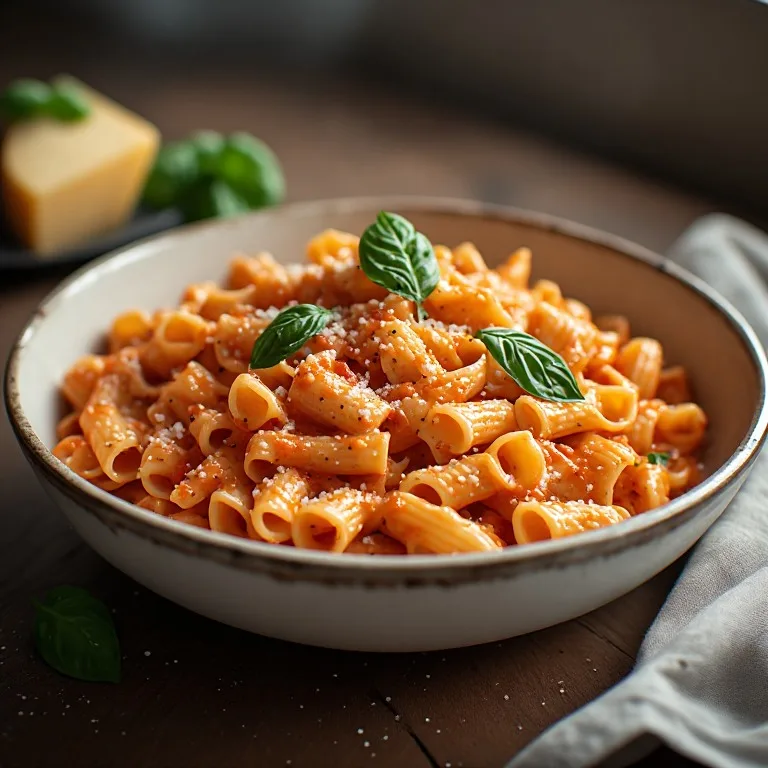
- Copycat Carbone Spicy Rigatoni Vodka — the tomato-paste foundation and Calabrian chili paste technique that made Carbone a household name, explained step by step
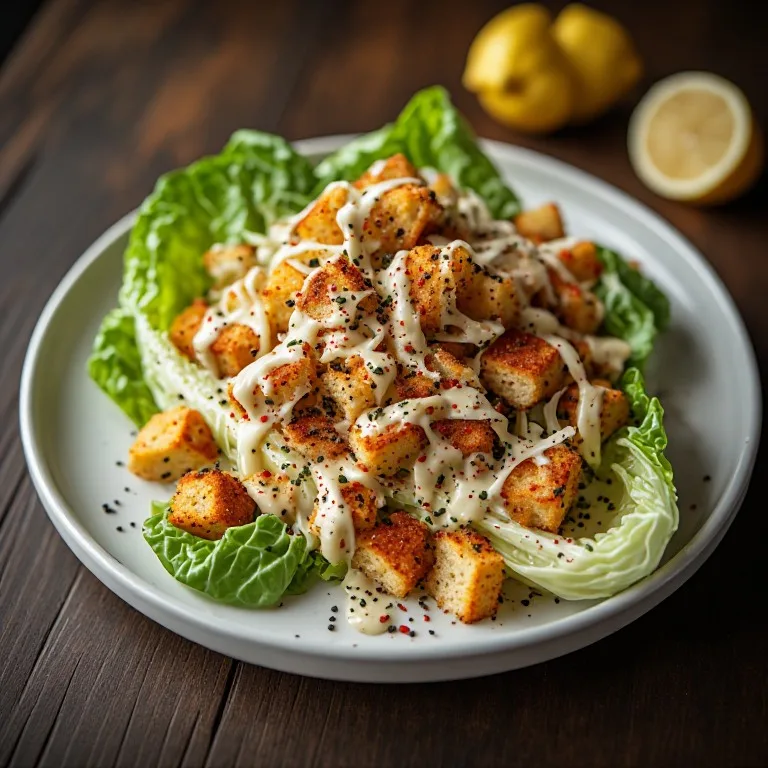
- Copycat Carbone Caesar Salad — the tableside caesar with anchovy, egg yolk, and Worcestershire, reconstructed for home
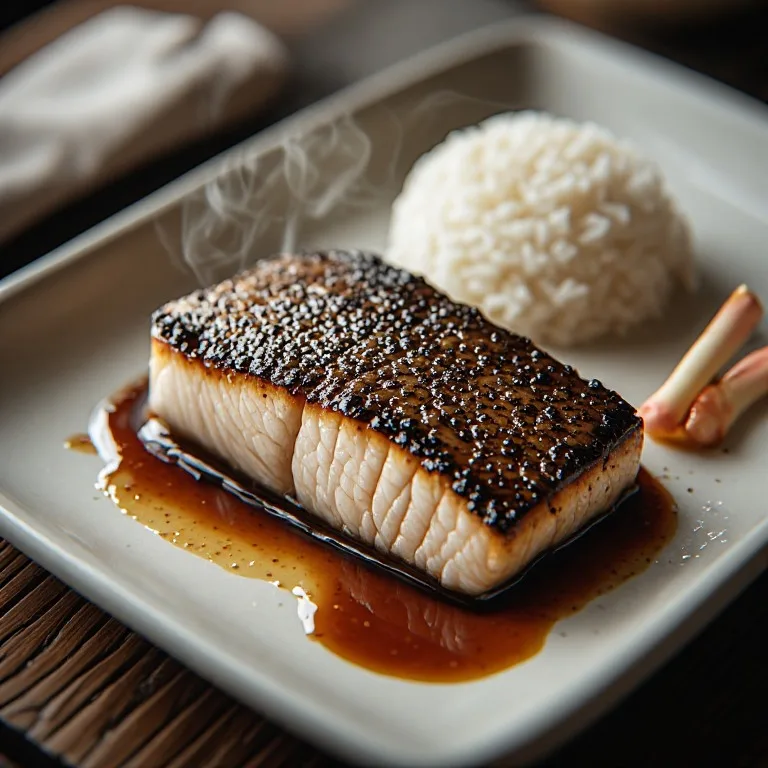
- Copycat Nobu Black Cod Miso — the other aspirational NYC seafood dish everyone wants to make at home, three-day miso marinade and all
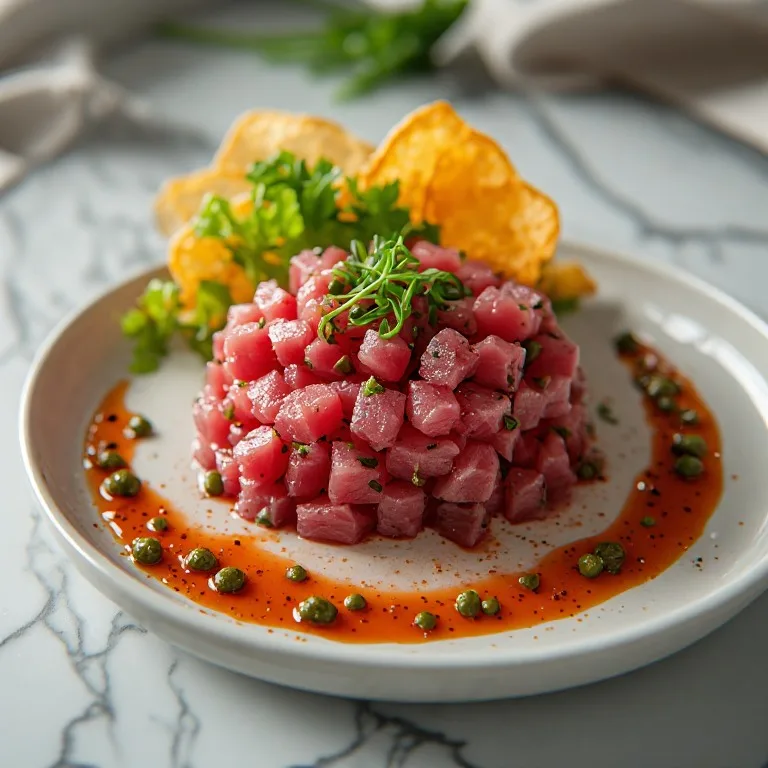
- Copycat Le Bernardin Tuna Tartare — fine-dining raw tuna technique from one of NYC’s most-starred restaurants