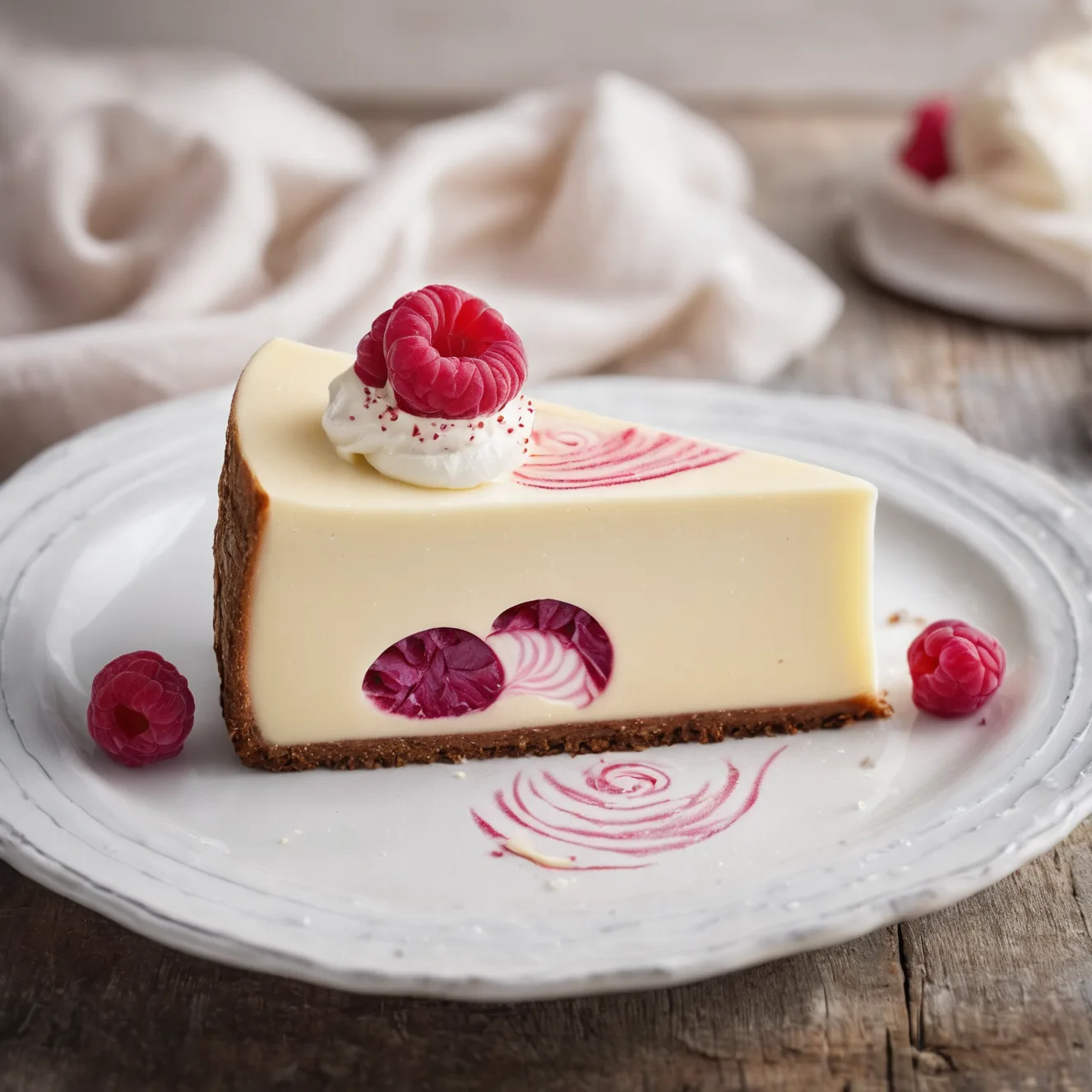
Copycat Cheesecake Factory White Chocolate Raspberry Truffle Cheesecake
Prep time: 40 min (+ 2 hr cream cheese warm-up) Cook time: 75 min + overnight chill Servings: 12
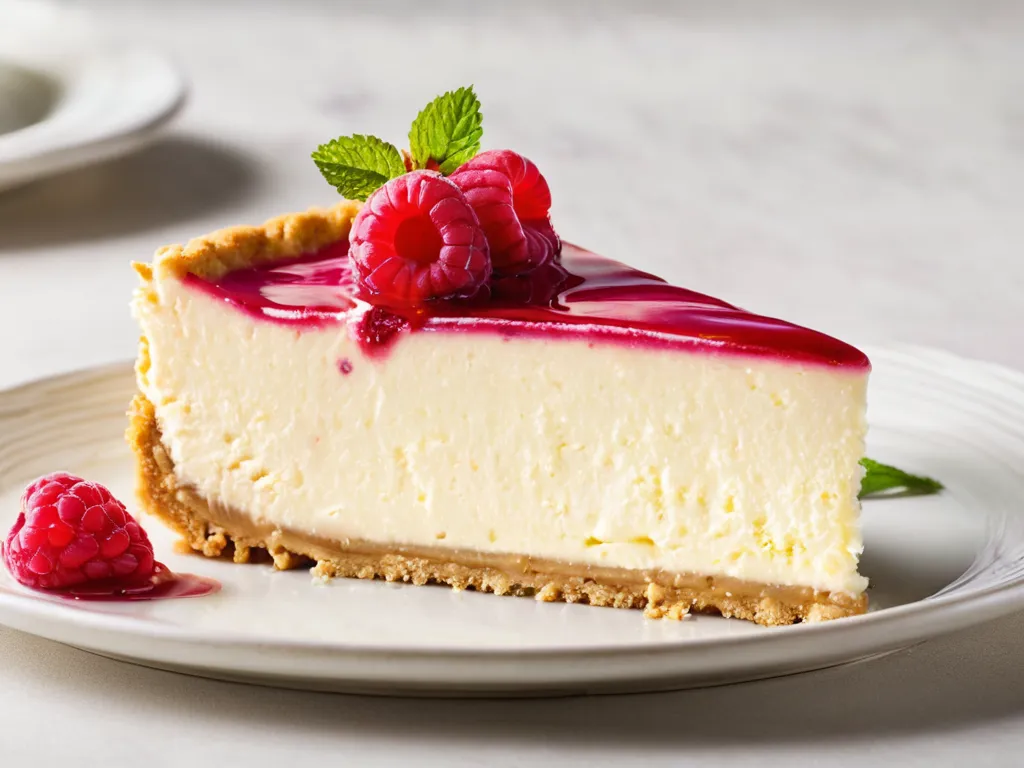
The White Chocolate Raspberry Truffle is the most visually dramatic cheesecake on the Cheesecake Factory menu. A dark chocolate crust, a white filling shot through with pink raspberry ribbons, and a snow of white chocolate shavings on top — it looks like it came from a professional pastry kitchen. It is also the one CF cheesecake that gets an identity from all three of its elements rather than just the filling. The crust matters. The chocolate matters. The raspberry matters. Remove any of the three and the dish is noticeably less than itself.
The restaurant describes it as: “Creamy cheesecake with chunks of white chocolate and swirls of imported seedless raspberries throughout. Baked in a chocolate crust and finished with white chocolate shavings and whipped cream.” That description is exactly accurate — and it hides two technique choices that most home versions miss.
What Makes This Different from Every Other Cheesecake Factory Cheesecake
Most CF cheesecake recipes follow the same template: graham cracker crust, cream cheese filling with various mix-ins, water bath at 325°F, overnight chill. The White Chocolate Raspberry Truffle breaks three of those conventions.
Chocolate cookie crust. Every other cheesecake in the cluster uses graham crackers. This one uses chocolate wafer cookies or Oreos with the filling removed — a dark, almost bitter base that anchors the sweetness of the white chocolate filling. The visual contrast between the dark crust edge and the white-and-pink interior is part of what makes the slice look restaurant-quality.
White chocolate chunks, not a flavored filling. This is the most important thing home cooks get wrong. The white chocolate is not melted and mixed into the batter (which would produce a uniformly white-chocolate-flavored cheesecake). It is broken into chunks and scattered across the crust before the filling is poured. Some chunks melt and merge with the bottom batter layer; others remain as embedded pieces throughout. Every bite catches a different amount of white chocolate — sometimes a thin ribbon, sometimes a dense pocket. The eating experience is more complex than a plain white-chocolate-infused batter would be.
Raspberry preserves, not fresh. The Cheesecake Factory sources “imported seedless raspberries.” The closest home equivalent is a high-quality jar of seedless raspberry preserves heated with a little water and strained. Preserves have a sweeter, more concentrated raspberry flavor than fresh berries cooked down, and they produce a more controlled swirl — they don’t release water into the batter the way fresh berries do.
What Does “Truffle” Mean Here?
A chocolate truffle — the candy — is a ganache center (chocolate melted with heavy cream) formed into a ball and coated in cocoa powder, nuts, or more chocolate. Its defining quality is a dense, smooth, weighted richness that feels substantive rather than airy. The White Chocolate Raspberry Truffle cheesecake earns the name because eating a slice produces a similar sensation: the white chocolate embedded in the filling gives each bite the same weighted, ganache-like quality that a white chocolate truffle candy does. It registers as more luxurious than cheesecake alone.
There is no actual truffle technique in the recipe — no ganache layer, no mousse, no separate white chocolate component beyond the chunks embedded in the batter and the shavings on top. The name describes the eating experience, not a pastry method.
The Chocolate Cookie Crust Decision
The single most important decision in this recipe is the crust, and it is not negotiable. Using a graham cracker crust instead of a chocolate cookie crust produces a fundamentally different dessert — one that tastes generic rather than specific. The chocolate cookie crust does three things the graham cracker cannot:
Visual contrast. The dark crust makes the white filling look dramatically whiter. The pink raspberry swirls pop against the dark edge of each slice in a way they simply don’t against a tan graham crust.
Flavor contrast. The slight bitterness of the chocolate cookie base is the counterweight to the sweetness of the white chocolate filling. Without it, the cheesecake reads as uniformly sweet with no bottom note.
Structural compatibility. Chocolate wafers and Oreo wafers are denser than graham crackers. They hold their shape better against a heavy filling and withstand the initial 475°F oven blast without burning.
For the crust, you have two options: Famous Chocolate Wafers (specialty grocery stores, baking aisles) or Oreo cookies with the filling scraped out. Both work well. Famous Wafers produce a slightly cleaner chocolate flavor; Oreos are more widely available and produce a crust with a hint of cream filling complexity. Avoid Oreo crumbs with the filling included — the filling makes the crust sticky and prevents it from crisping.
Why Raspberry Preserves Work Better Than Fresh
The instinct to use fresh raspberries is understandable — they seem more authentic. But preserves give you something fresh berries cannot: a predictable, smooth swirl.
Fresh raspberries cooked into a sauce release water and pectin in ways that vary by ripeness and season. The sauce is thinner, more acidic, and bleeds into the surrounding batter before the cheesecake sets, muddying the swirl into a pink wash rather than distinct ribbons. Preserves are already cooked down and concentrated. When you heat them briefly with water and strain them, you get a sauce that is thick enough to stay distinct in the batter during baking, and sweet enough to match the richness of the white chocolate.
Use the best seedless raspberry preserves you can find — Bonne Maman, Smucker’s Simply Fruit, or Stonewall Kitchen are all good. Avoid low-sugar or diet versions; the reduced pectin content makes them behave more like fresh berry juice than a proper preserve.
The Baking Method: High Heat Plus a Shallow Water Bath
This recipe uses a two-stage temperature sequence with a shallow water bath — a combination that is different from both the standard water bath (325°F, water halfway up) used in the Original Cheesecake and a plain high-heat method with no water at all.
Place the springform pan in a larger roasting pan with about ½ inch of hot water. Then bake at 475°F for exactly 12 minutes. That initial blast does two things: it sets the surface of the cheesecake before the interior can crack (the surface firms and develops a light tan, locking the swirl pattern in place), and it crisps the exposed edge of the chocolate crust. The shallow water provides steam and humidity during this phase without dropping the oven temperature the way a full water bath would.
After 12 minutes, reduce to 350°F without opening the oven. The lower temperature finishes the interior gently for another 50–60 minutes. By the time the cheesecake is done, the shallow water bath has largely evaporated — it was there to help the start, not the finish.
The result is a cheesecake with a characteristic lightly-browned top (from the high heat) and a crack-free interior (from the humidity). The ½-inch water level is well below the springform’s seam, so you do not need to foil-wrap the pan.
How to Get Clean Raspberry Swirls
The most common mistake is overswirling. Two to three butter knife passes through the raspberry sauce is the maximum. More than that and the raspberry blends into the filling, turning the entire cheesecake pink rather than leaving distinct ribbons.
The second mistake is swirling before the sauce is cool. Hot raspberry sauce dissolves into warm batter instantly — you get no ribbon, just a tinted batter. The sauce should be room temperature or slightly cool before it touches the filling.
The third mistake is drizzling the sauce in a single blob. Drizzle in thin lines across the entire surface of the filling, then swirl. Wide coverage means you get raspberry in every slice, not just the slices that happen to land near the single blob.
Cost Comparison
| Cheesecake Factory | Homemade (12 slices) | |
|---|---|---|
| Per slice | ~$12.50 | — |
| Full cheesecake (12 slices) | ~$150 | ~$20–26 |
| Per serving | ~$12.50 | ~$1.65–2.20 |
| Savings per slice | — | ~$11 |
The restaurant version is 1,220 calories per slice (89g fat, 92g carbs, 550mg sodium, 13g protein per FatSecret). A home batch at 12 slices runs approximately 800 calories per piece from smaller portions. The ingredient cost is dominated by four blocks of cream cheese ($10), the white chocolate bars ($4), and the raspberry preserves (~$5).
Storage
Covered in the refrigerator, without the white chocolate shavings applied: up to 5 days. The cheesecake is at its best on days 2–3.
Add the shavings and whipped cream just before serving — not the night before. White chocolate shavings absorb moisture from the cheesecake surface and soften overnight, losing the visual appeal. The whipped cream border will also weep after 6–8 hours.
To freeze: after the cheesecake is fully chilled and shavings have NOT been applied, wrap individual slices in plastic wrap then foil and freeze for up to 2 months. Thaw overnight in the refrigerator. Apply white chocolate shavings after thawing.
More Cheesecake Factory Copycat Recipes
- Copycat Cheesecake Factory Original Cheesecake — the base recipe that all CF cheesecake variants are built on; master this one and the variations follow naturally
- Cheesecake Factory Lemon Raspberry Cheesecake — the bright, citrus-forward contrast to this richer version; same raspberry element, completely different character
- Copycat Cheesecake Factory Fresh Strawberry Cheesecake — the most popular flavor on the menu; glazed whole strawberries on the Original base
- Copycat Cheesecake Factory Oreo Cheesecake — another chocolate-crust variant; Oreo throughout the filling and on top