

Copycat Chez Panisse Baked Goat Cheese Salad (Alice Waters’ Original Technique, Made at Home)
Prep time: 20 min active + 24 hours marinade Cook time: 8 min Servings: 4 Difficulty: Easy
TL;DR: Slice a fresh chèvre log into rounds, marinate them in olive oil and thyme for 24 hours, coat in herbed breadcrumbs, and bake at 400°F for 6 to 8 minutes. Serve on lightly dressed mesclun with a red wine vinaigrette made from the marinade oil. The marinade is the technique — don’t skip it.
When Alice Waters opened Chez Panisse on August 28, 1971 at 1517 Shattuck Avenue in Berkeley, Americans did not eat goat cheese. There was no domestic chèvre industry to speak of. The cheese case at a typical American grocery store held cheddar, Swiss, processed American singles, and cream cheese.
By the mid-1980s, fresh goat cheese had become a fixture on restaurant menus across the country. A single dish — a warm round of herbed chèvre served on dressed garden lettuces — was the primary reason.
The Dish That Changed American Cheese
In 1979, Laura Chenel, a Sonoma farmer who had just returned from studying cheesemaking in France, began producing the first commercial fresh chèvre in California. Alice Waters tasted it and recognized it immediately as the ingredient she had been looking for: a fresh, tangy, locally produced cheese that matched the bright acidity and seasonal character of the Chez Panisse kitchen.
By 1981, Waters had built the goat cheese salad into a menu staple. Within a year, Chez Panisse was ordering fifty pounds of Laura Chenel’s chèvre per week. That single account transformed Chenel’s small farm operation into a viable business — and the ripple from there reshaped American cheese production and restaurant menus simultaneously.
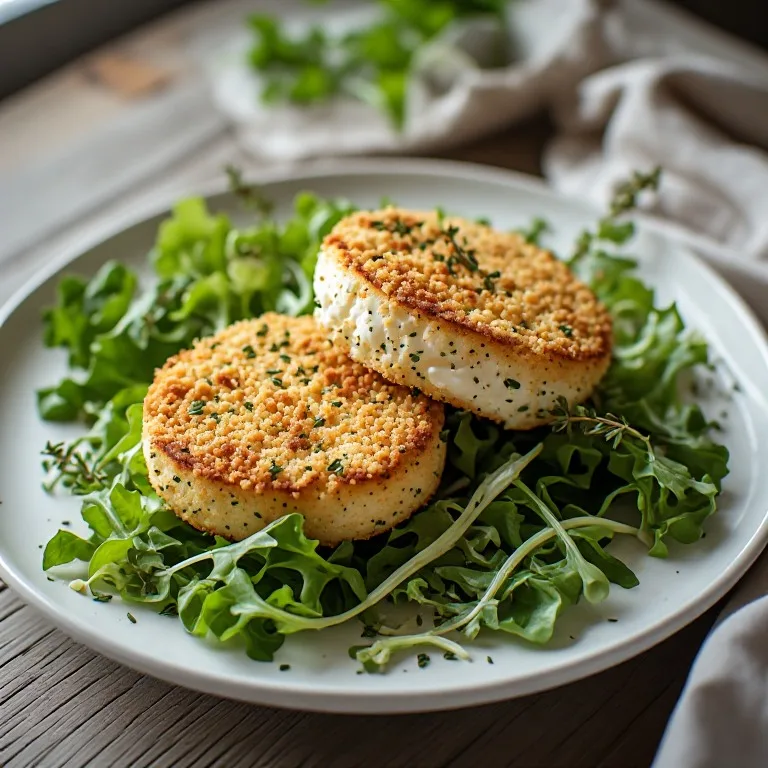
The dish itself is deceptively simple: a fresh goat cheese log, sliced into rounds, marinated in good olive oil with fresh thyme for twenty-four hours, coated in herbed breadcrumbs, baked briefly at high heat until the exterior turns golden and the interior softens to a warm, creamy center, then set over a small mound of lightly dressed mesclun with a vinaigrette made from the marinade oil.
That is the dish. It has not materially changed in forty years.
The 24-Hour Marinade Is Not a Suggestion
Most recipes you will find for baked goat cheese salad skip the marinade entirely. They coat fresh chèvre in breadcrumbs and bake it. The result is fine — warm cheese on a salad is always pleasant.
It is not the Chez Panisse dish.
The twenty-four-hour marinade does two things that no shortcut replicates. First, the olive oil penetrates the outer layer of the cheese rounds slowly over the full marinating period, producing a richer, more supple exterior texture — when you bite into a marinated round, the coating doesn’t sit on the cheese like a separate layer but feels continuous with it. Second, the volatile aromatic compounds from the fresh thyme sprigs migrate into the oil and from there into the outer face of each cheese round. After twenty-four hours, the thyme flavor is in the cheese, not just on the crust.
The marinade oil itself becomes a useful ingredient: now infused with thyme and lightly flavored by the chèvre, it is the base for the vinaigrette. You are not discarding it — you are transferring its flavor from the cheese into the dressing.
The minimum useful marinade time is 8 hours (overnight refrigeration is practical). At 24 hours the results are meaningfully better. Beyond 48 hours there is no significant further improvement.
Red Wine Vinegar, Not Balsamic
Alice Waters uses red wine vinegar throughout — in the vinaigrette, occasionally in the marinade. Balsamic’s sweetness, balanced and pleasant in other contexts, competes with the goat cheese’s natural tang here and can flatten lighter greens. Red wine vinegar’s sharper, drier acidity resets the palate between bites without adding a competing flavor. Champagne vinegar is the only fully endorsed substitute. Sherry vinegar works in a pinch. Balsamic changes the dish into something else.
The Greens and the Dressing
Chez Panisse helped introduce Americans to mesclun — the mixed young lettuces that had been a Provençal market staple for generations but were essentially unknown in the U.S. before the 1970s. The Chez Panisse kitchen sourced from local farms growing butter lettuce, arugula, frisée, mâche, mizuna, and red leaf; Waters and her cooks would wash and dry these mixed greens daily.
For this salad at home, any combination of those lettuces works — avoid iceberg and romaine, which are too sturdy and bland to complement warm chèvre. Pre-mixed mesclun bags are a completely practical choice. Frisée alone is the most traditional single-lettuce option.
The dressing should barely coat the leaves. This is the most common home-cook error with elegant simple salads: overdressing. The goal is for the leaves to glisten, not to pool dressing at the bottom of the plate. Dress lightly, taste one leaf, and stop before you think you should.
| Marinade time | Effect on cheese |
|---|---|
| None (no marinade) | Coating sits on cheese as a separate layer; no herb flavor in cheese interior |
| 4–6 hours | Minimal oil penetration; slight improvement over no marinade |
| 12 hours (overnight) | Noticeable improvement; thyme beginning to flavor outer edges |
| 24 hours | Full marinade effect; supple exterior, thyme-infused cheese surface, richly flavored dressing oil |
| 48 hours | No significant further change; safe to go this long |
What It Tastes Like, and Why It Spread Everywhere
The finished dish delivers four distinct textures in a single bite: the crackle of the herbed breadcrumb crust, the warm yielding interior of the chèvre, the slight resistance of the frisée or arugula, and occasionally a small pool of warm olive oil where the cheese meets the greens. The flavors — tangy goat cheese, thyme, red wine vinegar, grassy olive oil, peppery greens — are not subtle, but they are calibrated. Nothing overpowers the chèvre, which is the point.
The reason this dish spread from Berkeley to every American restaurant with a salad menu by the mid-1980s is not that it was fashionable, though it was. It was that it occupied a gap nobody had filled: a hot element in a cold salad that actually improved the salad rather than just adding protein weight.
At Chez Panisse vs. at Home
Chez Panisse at 1517 Shattuck Avenue still operates in 2026. The downstairs prix-fixe changes nightly — one four-course menu, one seating — and runs $135 per person on Monday nights and $175 Tuesday through Saturday, plus a 17% service charge and tax. Reservations go quickly (a month in advance is the standard guidance). The upstairs café runs à la carte, is easier to get into, and typically includes the goat cheese salad as a starter — expect $28 to $35.
At home, an 8-ounce chèvre log costs $6 to $10. Mesclun, breadcrumbs, oil, vinegar, and thyme add $8 to $12 more. The entire salad for four — the dish that helped launch California cuisine, established the American goat cheese industry, and became one of the most imitated restaurant preparations of the last fifty years — costs approximately $20 in groceries and requires two hours of hands-on time spread across two days, almost all of it waiting for the marinade.
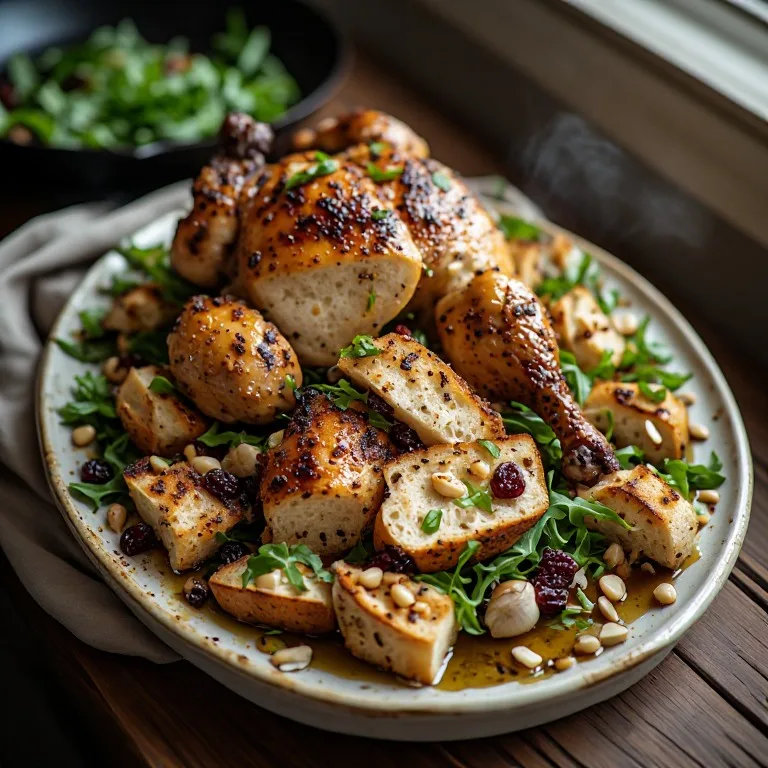
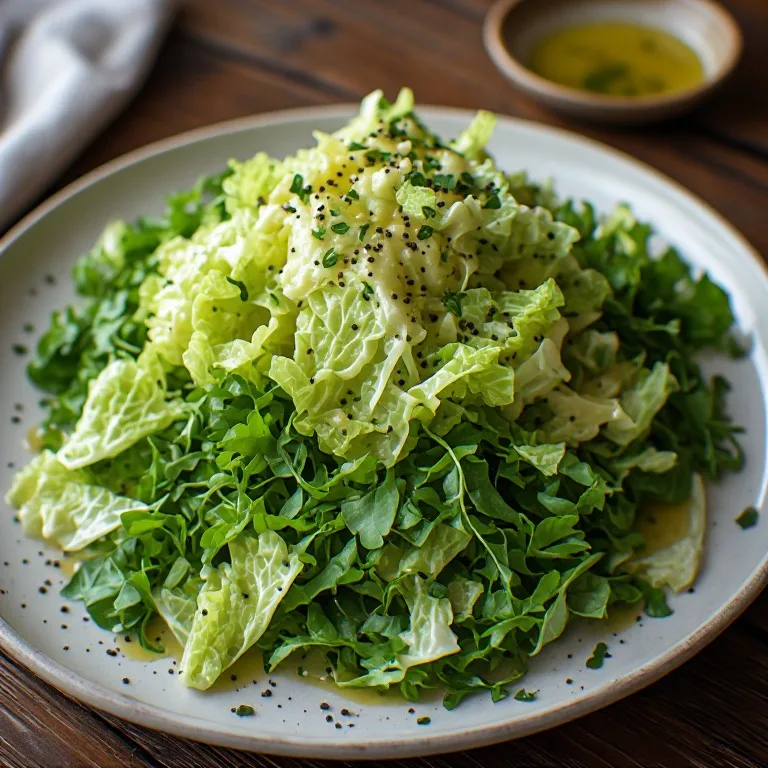
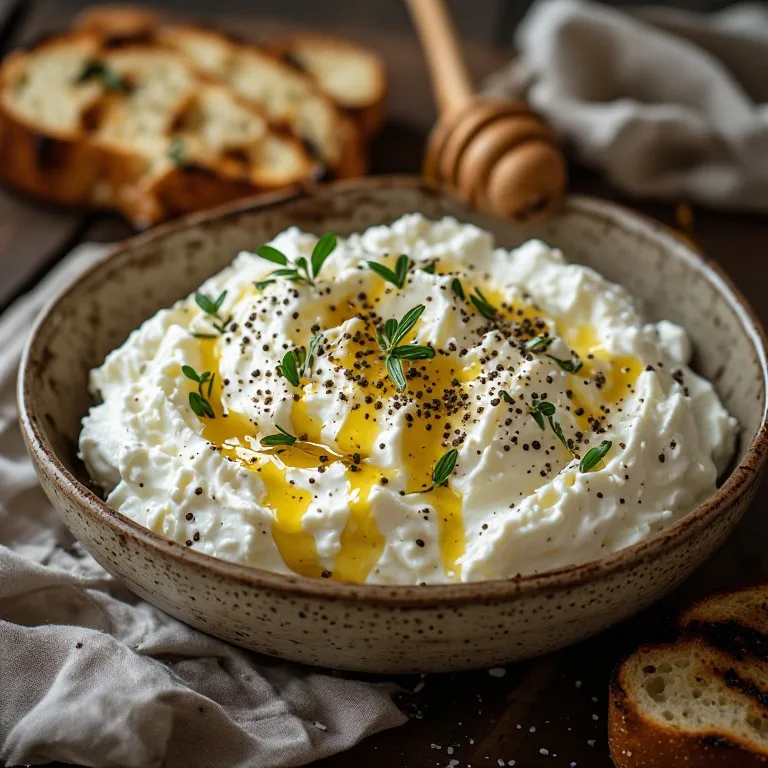
For other California cuisine landmarks worth making at home: the Zuni Café roast chicken with warm bread salad is the same category of seemingly simple restaurant dish that rewards advance technique, and the Judy Rodgers method for the chicken is directly analogous to the Alice Waters method here — the advance preparation is the discovery. For a different take on the warm cheese and greens combination, the Locanda Verde ricotta crostini uses whipped sheep’s milk ricotta with truffle honey over rustic bread, and the Via Carota insalata verde shows the range of what a kitchen committed to garden lettuces can produce from minimal ingredients.