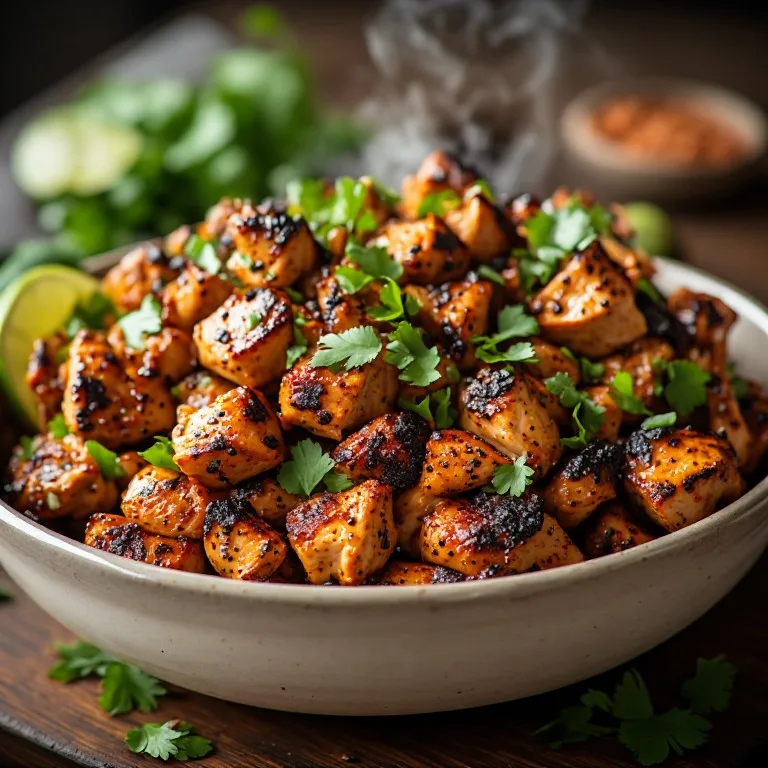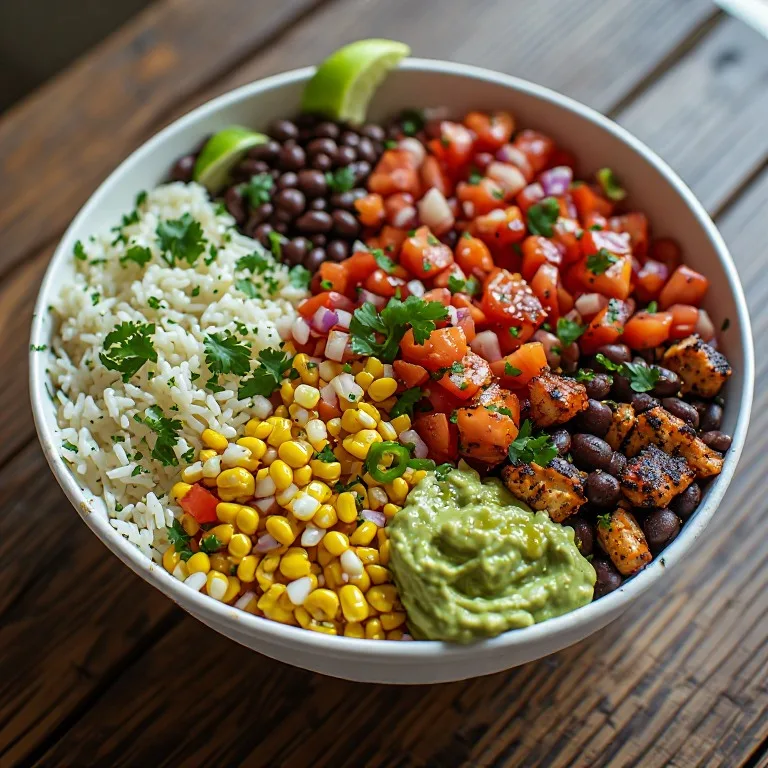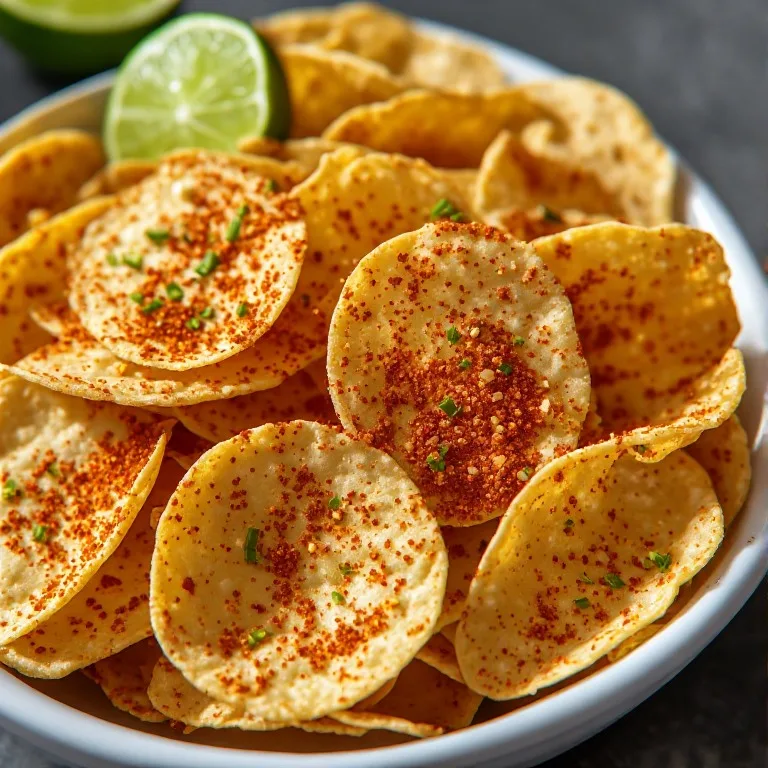



On August 31, 2026, Chipotle did something it had never done in its thirty-year history: it launched two limited-time items simultaneously. Pollo Asado was one. Chili Lime Chips was the other — and more historically unusual. Chipotle has never sold a branded chip before. The chain has always sold chips (plain, lightly salted corn tortilla chips), but never a seasoned, branded chip that stood as its own menu item.
The origin story, per Chipotle’s own communications: a viral fan trend. For years, Chipotle customers had been bringing packaged seasoned chips — often Tajin-dusted or flavored tortilla chips — to eat alongside their bowls and burritos. The brand noticed, and built a version of that experience into the menu. Chipotle’s official description is “tossed fresh daily with real lime and bold chili seasoning for craveable flavor and crunch,” with no artificial colors, flavors, or preservatives.
The flavor, per early reviews: chili-forward with mild, accessible heat and a subtle lime note — not a Flamin’ Hot-style burn, and with the lime present but not dominant (one reviewer described it as “included in the name; present but not leading”). The profile is closer to a well-seasoned paprika chip than an intensely tart lime chip.
For a copycat, this is among the more straightforward Chipotle items to replicate: the base is the same corn tortilla chip Chipotle has always served, and the seasoning is a chili-lime blend that Tajin Clásico approximates closely (with the note that Tajin is more lime-forward than Chipotle’s version, so the scratch blend is the better match).
Why Chipotle Making a Branded Chip Is Notable
Chipotle’s food identity has been built around fresh ingredients, visible assembly, and minimal processing. Adding a seasoned chip — something that requires a flavoring compound applied via a manufacturing or finishing step — is a meaningful departure from that positioning, which is partly why the launch was framed as a “brand first.”
The chili-lime flavor also fits precisely within Chipotle’s ingredient vocabulary. The chain already uses dried chili peppers (ancho, chipotle), citrus (in both Pollo Asado and its rice), and salt as core flavor drivers. A chili-lime chip reads as an extension of those flavors rather than something foreign to the menu.
The Flavor Science: Why Dried Lime Beats Fresh on a Chip
Fresh lime juice cannot be used to season a chip — it would make the chip soggy within minutes, and the flavors would also be uneven (wet spots vs. dry spots). The lime flavor in a chili-lime chip comes from one of two dried sources: dehydrated lime powder (what commercial producers use and what’s in Tajin) or citric acid, which replicates the sourness of lime without the aromatic top notes.
The difference matters if you’re making the scratch blend: citric acid alone gives you tang without the floral, slightly bitter-aromatic quality that makes lime taste like lime rather than generic sour. Adding fresh lime zest on top of the citric acid restores those volatile aromatic compounds — it’s a two-ingredient way to approximate what commercial lime powder does.
Tajin Clásico already has the dehydrated lime figured out. It’s the simplest, most accurate shortcut for this recipe.
The Chili Component: Ancho Register, Not Cayenne Blast
Chipotle’s culinary profile for chili heat leans toward ancho and guajillo — fruity, mild, reddish dried chilies — rather than straight cayenne or habanero heat. Their chip is described as “chili lime,” not “spicy lime,” which suggests a chili powder that contributes flavor and color more than a sharp heat spike.
The scratch blend in this recipe leads with ancho chile powder for exactly this reason: ancho tastes fruity and mild, and gives the chips a dark reddish color that reads as “chili” visually. Cayenne is added at a much smaller amount as a heat modifier. If you want the chips spicier, increase the cayenne; if you want them milder and more like the restaurant version, keep it at 1/4 teaspoon or omit it.
One Rule: Season the Chip Hot
Whether you’re frying from scratch or warming store-bought chips, season them while they’re still hot. The heat opens the chip’s surface slightly and provides just enough warmth to release the volatile aromatic compounds in the chili and lime. It also creates a slight static that helps the seasoning adhere rather than pooling at the bottom of the bowl.
A chip that has cooled to room temperature before seasoning will have powder on its surface that falls off with handling. A hot chip holds the seasoning differently — you taste it integrated into the chip rather than sitting on top of it.