

Pin It

Chipotle Pollo Asado

Chipotle Pollo Asado
Jump to Recipe
Prep 15 min (plus 1–2 hours marinating) Cook 15 min Serves 4
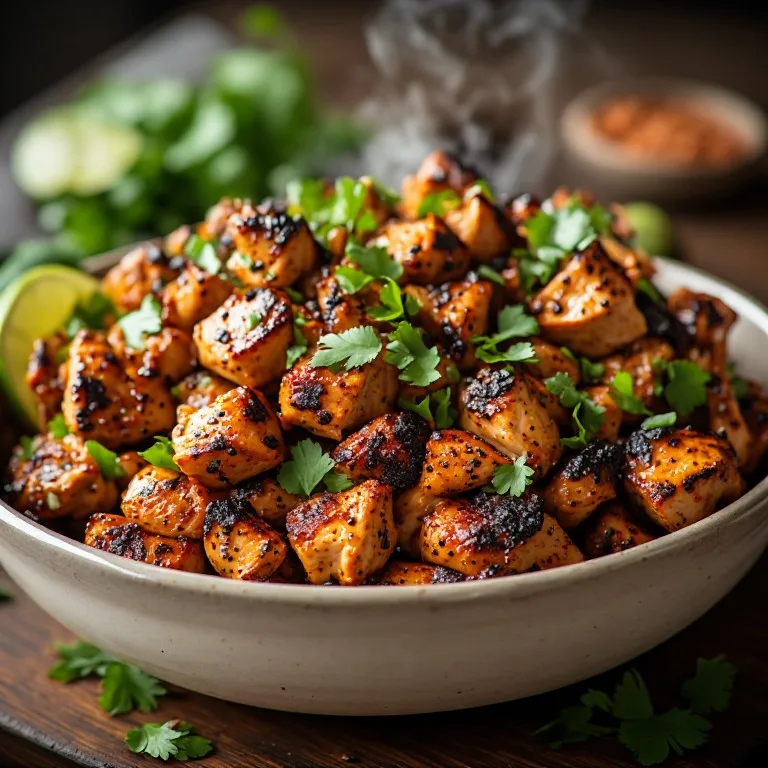
Quick answer: Chipotle's 2026 Pollo Asado is boneless chicken thighs marinated in a citrus-adobo sauce (orange juice, lime juice, garlic, cumin, Mexican oregano, dried ancho chile, and a small amount of chipotle in adobo), grilled hard for real char marks, then immediately chopped and tossed with fresh hand-cut cilantro while the chicken is still steaming. The hot-cilantro finish — stirring cilantro into sizzling chopped chicken rather than scattering it on top as a garnish — is the defining move in Chipotle's 2026 'new recipe' and the step most copycat attempts miss. Nutrition for the protein portion: ~190 cal / 24g protein / 9g fat / 2g carbs. A full bowl (cilantro-lime rice, black beans, corn salsa, fresh tomato salsa, guacamole) runs approximately 665–685 cal with 38–40g protein. Pollo Asado became available August 31, 2026 in the U.S. and Canada as a limited-time protein alongside the debut of Chili Lime Chips.

Chipotle Pollo Asado

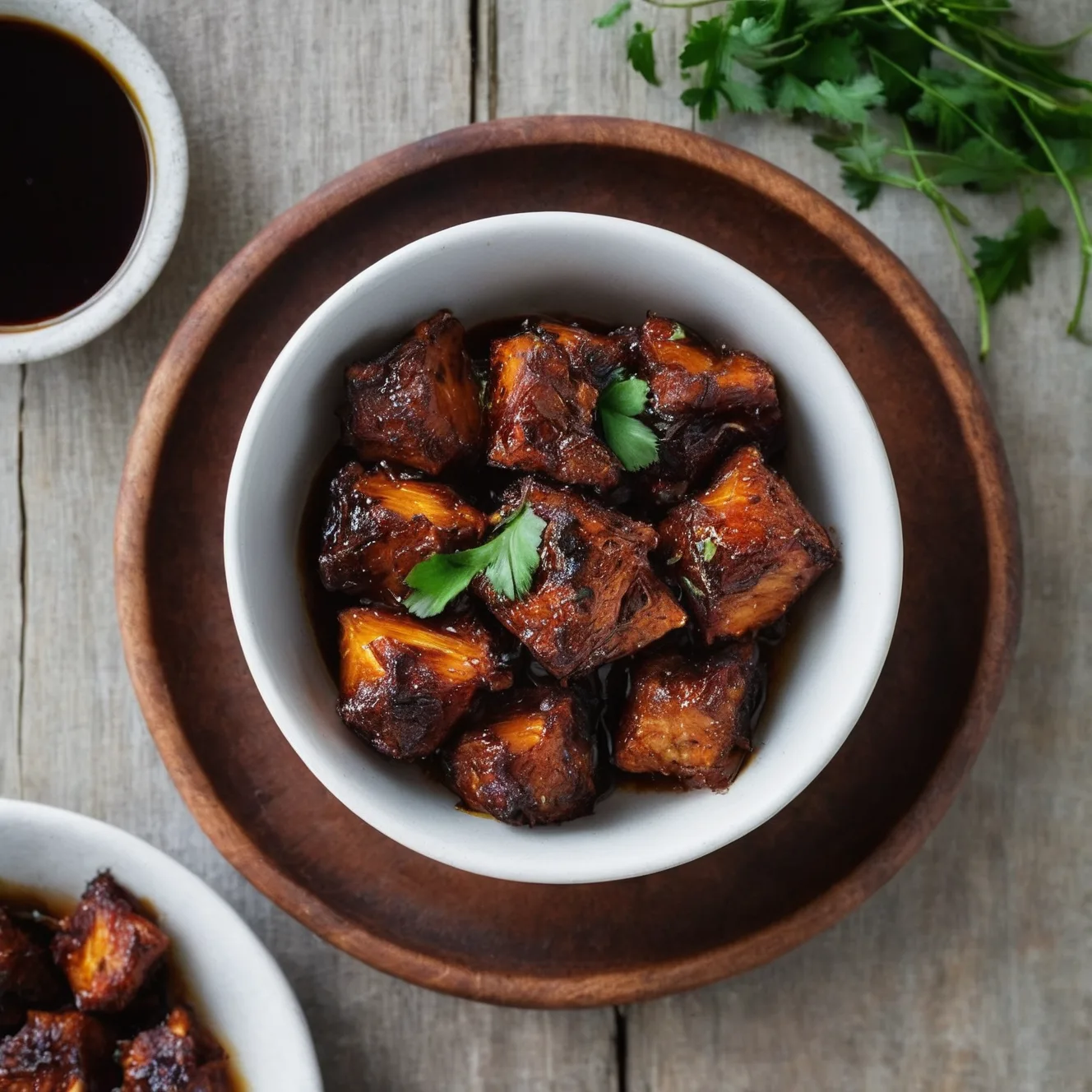
Make Chipotle's new 2026 Pollo Asado at home — citrus-forward adobo chicken grilled hot for real char marks, then chopped and tossed with fresh cilantro while sizzling. The bright, herby LTO that replaced Honey Chicken on August 31.

Easy Prep: 15 min (plus 1–2 hours marinating) Cook: 15 min Total: 2h 30m4 servings ~$4.50/serving
Prep15 min (plus 1–2 hours marinating)
Cook15 min
Total2h 30m
Servings
4
At home~$4.50/serving
vs
Restaurant~$20.25/serving
You save ~78%

The Story Behind the Recipe

Make Chipotle's new 2026 Pollo Asado at home — citrus-forward adobo chicken grilled hot for real char marks, then chopped and tossed with fresh cilantro while sizzling. The bright, herby LTO that replaced Honey Chicken on August 31.

Nutrition Facts

Per serving (4 servings)
Calories675
Total Fat24g
Total Carbs60g
Dietary Fiber10g
Sugars5g
Protein39g
Sodium850mg

* Estimated values based on standard recipe preparation. Actual values may vary.

Ingredients

  • For the marinade
  • For finishing
  • For the bowl

Instructions

💡
Pro tip: This recipe tastes even better the next day. The flavors need time to meld together in the fridge.
❄️
Storage: Keeps in an airtight container in the fridge for up to 2 weeks. Freezer-friendly for up to 3 months.
🎃 Free Halloween cookbook — download now The Copycat Halloween Cookbook A ready-made, photo-illustrated PDF of our best halloween copycat recipes — free to download, no building required. Pay what you want to support if you love it.

Free PDF — instant download. We'll also send new seasonal copycat recipes now and then; unsubscribe anytime. Or just download it →

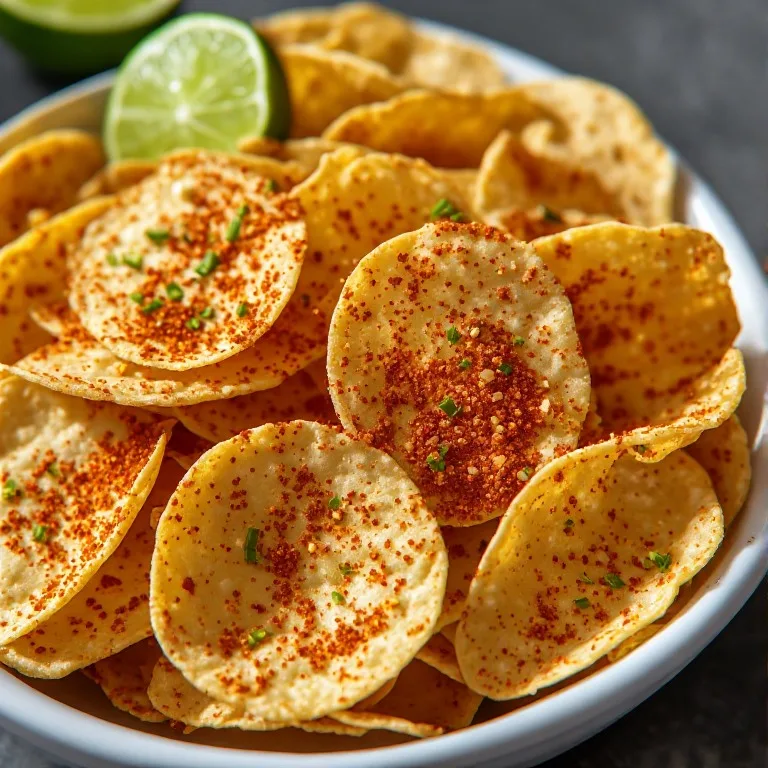
Chipotle launched an all-new Pollo Asado on August 31, 2026 — a brighter, more citrus-forward reworking of a protein the chain briefly offered in 2022. It arrived the same day as Chili Lime Chips, Chipotle’s first-ever branded chip, in what the company called a brand first: the first time it has debuted two limited-time items simultaneously.

The recipe is worth making at home for a specific reason: Pollo Asado has a genuinely distinct flavor profile from regular Chipotle chicken, and replicating it only requires two unfamiliar moves — a rehydrated ancho chile in the marinade (ten minutes of prep) and the hot-cilantro finish that most copycat versions skip entirely.

Why Pollo Asado Tastes Different From Regular Chipotle Chicken

Regular Chipotle chicken is dark, smoky, and savory. The adobo marinade uses chipotle peppers from a can — smoked, dried jalapeños that have been stewed in vinegar and spices — as the primary flavor. It’s dependable but not bright.

Pollo Asado uses a dried ancho chile instead of (or mostly instead of) the canned chipotle. Ancho is a dried poblano pepper. It’s mild and slightly fruity rather than intensely smoky. Chipotle describes the protein as “adobo chicken seasoned with garlic, Mexican spices and hand-cut cilantro, then finished with bright citrus and real lime” — so there’s still a savory, gently smoky adobo base, but the citrus and cilantro are what you notice first. Combined with orange and lime juice in the marinade, the result is a chicken that reads as citrusy, garlicky, and herbaceous before it reads as smoky — an entirely different register than the standard option.

Regular Chipotle ChickenPollo Asado
Primary chileChipotle in adoboDried ancho + small chipotle
CitrusMinimalOrange juice + lime, prominent
CilantroScattered garnishStirred in hot, coats the meat
ColorDark brown-redLighter brick-red
FlavorSmoky, savory, earthyCitrusy, garlicky, herby
The Ancho Chile: What It Does and Where to Find It

Dried ancho chiles are the dried form of the poblano pepper and are sold in every Mexican grocery store, most Walmart produce sections, and online. They look like wrinkled, dark reddish-brown flat pods, about the size of your palm. A single ancho is enough for two pounds of chicken.

To use it: pull out the stem, shake out and discard the seeds, then submerge in just-boiled water for ten minutes. Drain and blend into the marinade. The soaking water tastes slightly bitter — don’t use it.

Ancho chiles have a different flavor than the chipotle in adobo that most copycat recipes use as a shortcut. The ancho is mild and fruity; chipotle is smoky and intense. If you substitute two chipotle peppers in adobo for the ancho, you’ll get something that tastes more like dark Chipotle chicken than Pollo Asado. One chipotle in adobo (which this recipe includes) is correct for the undertone of smoke. More than that changes the profile.

Why the Citrus Is Non-Negotiable

Most grilled chicken recipes use citrus as a background note. Here it’s structural. The orange juice contributes both acidity and subtle sweetness that caramelizes against the hot cast iron. The lime juice provides the sharper, more aromatic brightness you taste at the front of every bite. Using less citrus or substituting with lime juice alone produces a marinade that’s spicier but less distinctively bright.

One rule: fresh juice only. Bottled orange juice is sweetened toward a different flavor profile and will make the marinade taste generic. Squeeze one large orange.

The Hot-Cilantro Finish: Why It Matters

This is the step that separates Chipotle’s Pollo Asado from generic grilled chicken, and it’s the step most people skip.

Cilantro has volatile aromatic compounds — the aldehydes that give it its distinctive flavor — that are released by heat and bind to fats. When you toss fresh cilantro into hot, just-chopped chicken and mix it together, the heat causes those compounds to release and the cooking fats on the meat’s surface carry them into every cut edge. The cilantro doesn’t just sit on top; it becomes part of the chicken’s flavor.

If you add cilantro to chicken that has cooled to room temperature, you get a garnish. If you add it while the chicken is still steaming, you get a flavor component. Chipotle does this on the plancha during service — the cilantro lands on hot protein and gets tossed in immediately. That’s what to replicate at home.

Use more cilantro than you think is right. Half a cup before wilting — roughly a small bunch — is the correct proportion for two pounds of chicken.

The Right Pan Temperature

This chicken needs to go into a very hot pan. The citrus sugars in the marinade only caramelize at high heat; a warm pan produces steamed chicken with grayish exteriors rather than the reddish-brown char marks that make Pollo Asado visually and texturally correct.

Set the cast iron on high heat for a full 3–4 minutes before the chicken goes in. It should be just beginning to smoke. The chicken should sizzle loudly and immediately when it hits the surface. Don’t crowd the pan — cook in two batches if needed. Crowding drops the temperature and traps steam.

The smoked paprika and ancho in the marinade will make the exterior look very dark. Use a thermometer, not color, to determine doneness.

Building the Bowl

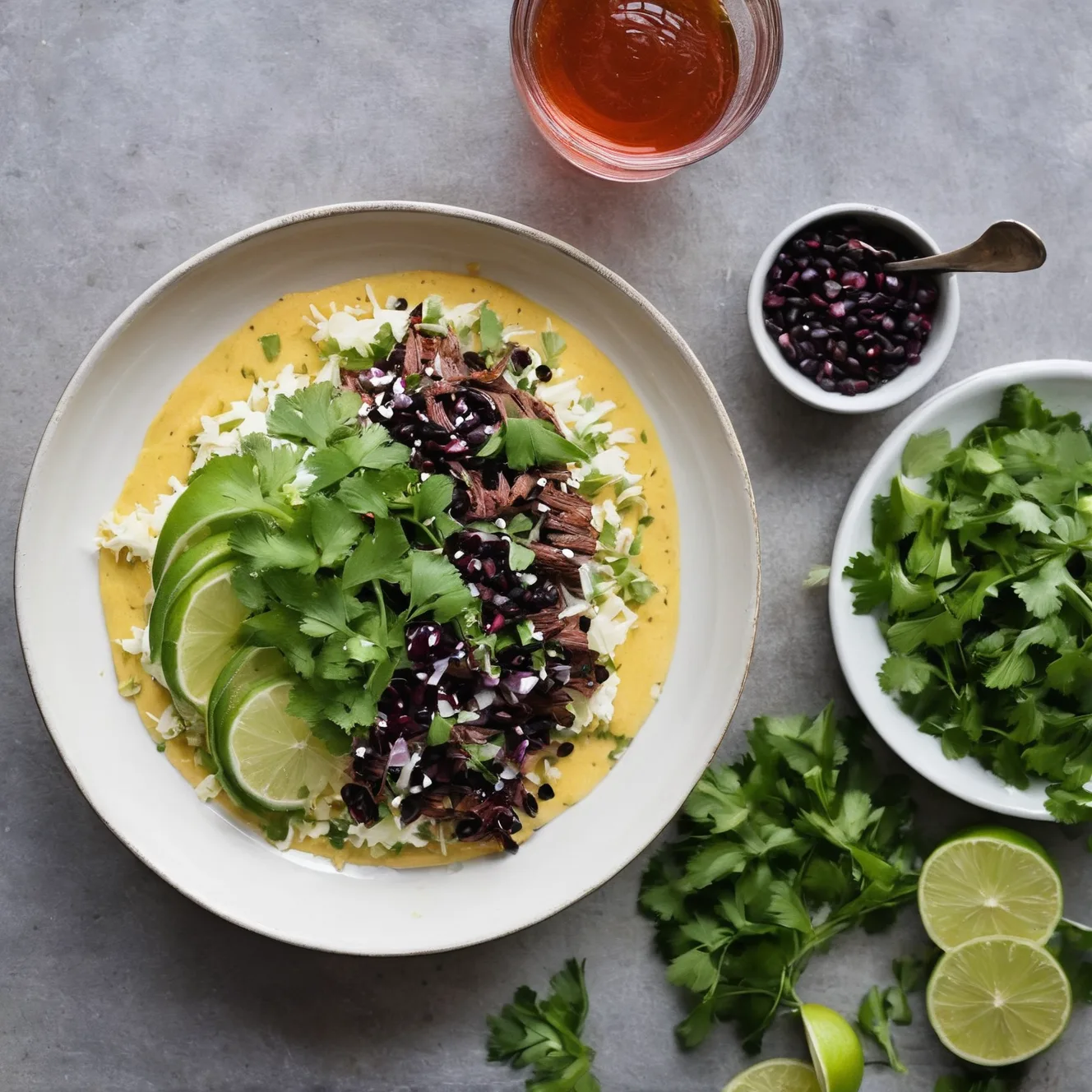
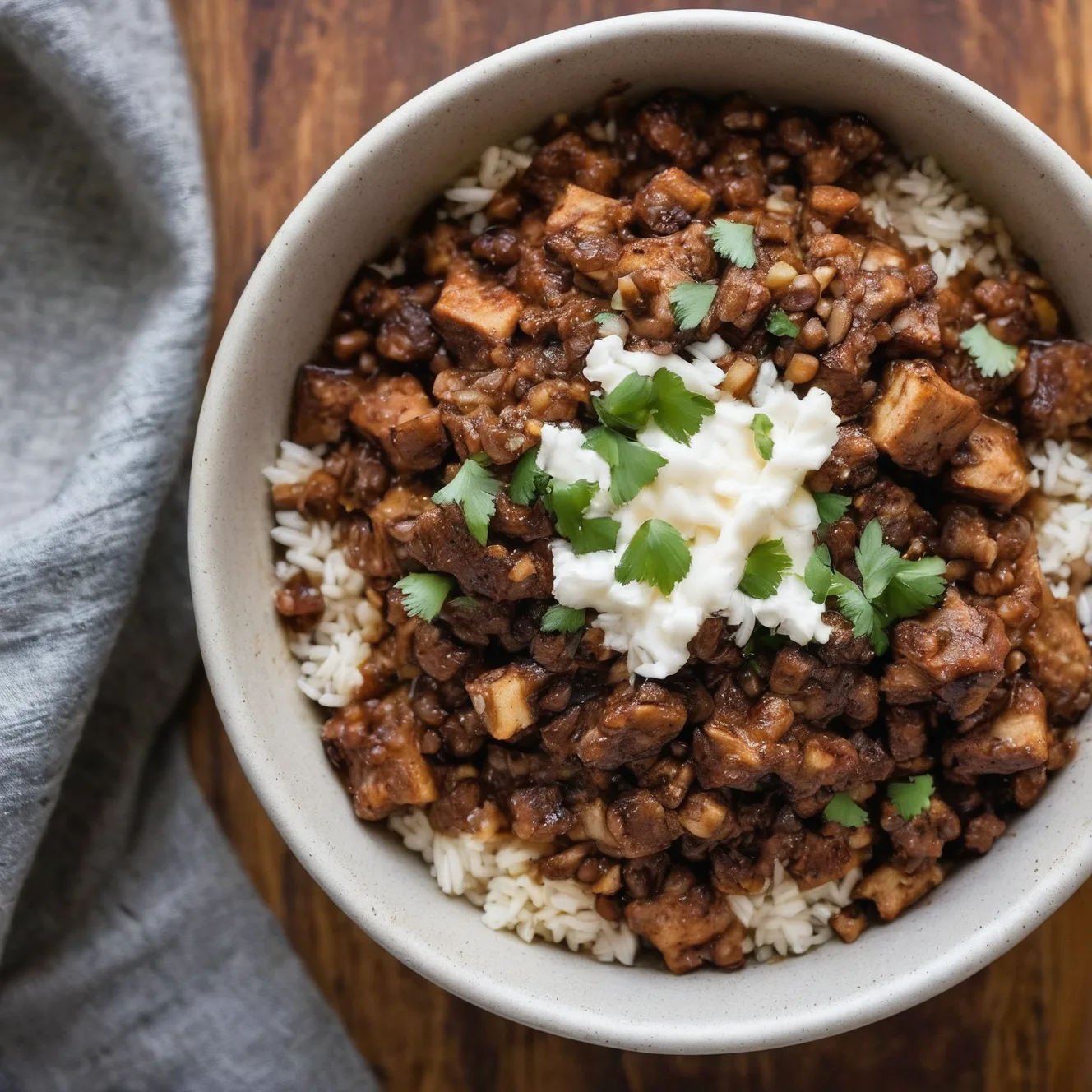
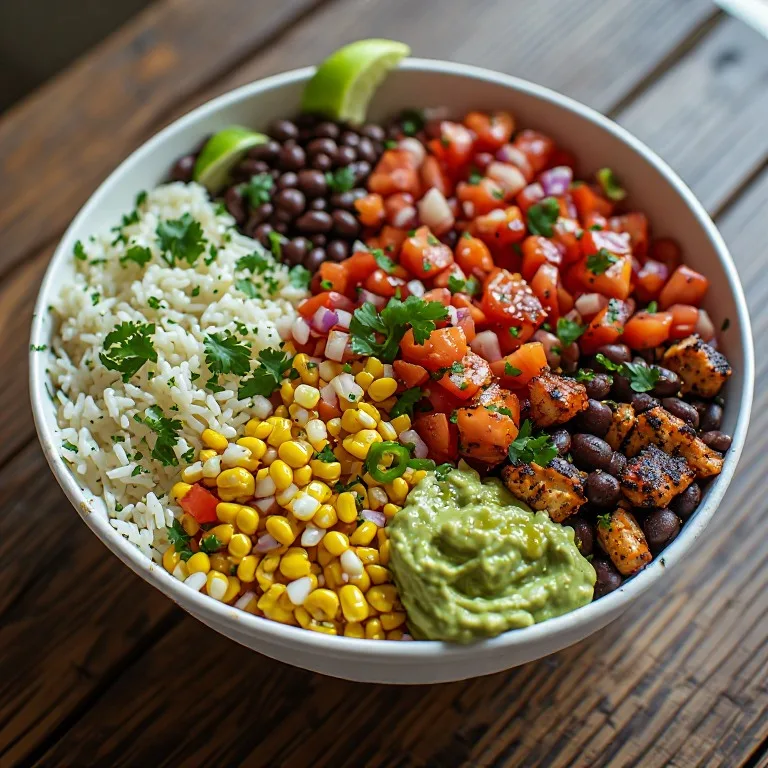
Pollo Asado’s citrus-forward character makes it the most flexible of Chipotle’s proteins when it comes to bowl building. It doesn’t need heavy, rich components to compensate for anything. A rice base, black beans, corn salsa, fresh tomato salsa, and guacamole is the natural pairing — the sweet corn echoes the ancho’s mild fruitiness, the tomato salsa’s acidity mirrors the lime, and the guac provides the fat element without overwhelming the fresh flavor.

See all Chipotle copycat recipes →
🥗

Make It Healthier

Love Chipotle Pollo Asado but want a lighter version? Try these simple swaps:

  • ✓Skip the guacamole and save ~150 calories — the chicken is flavorful enough to carry the bowl without a rich fat component.
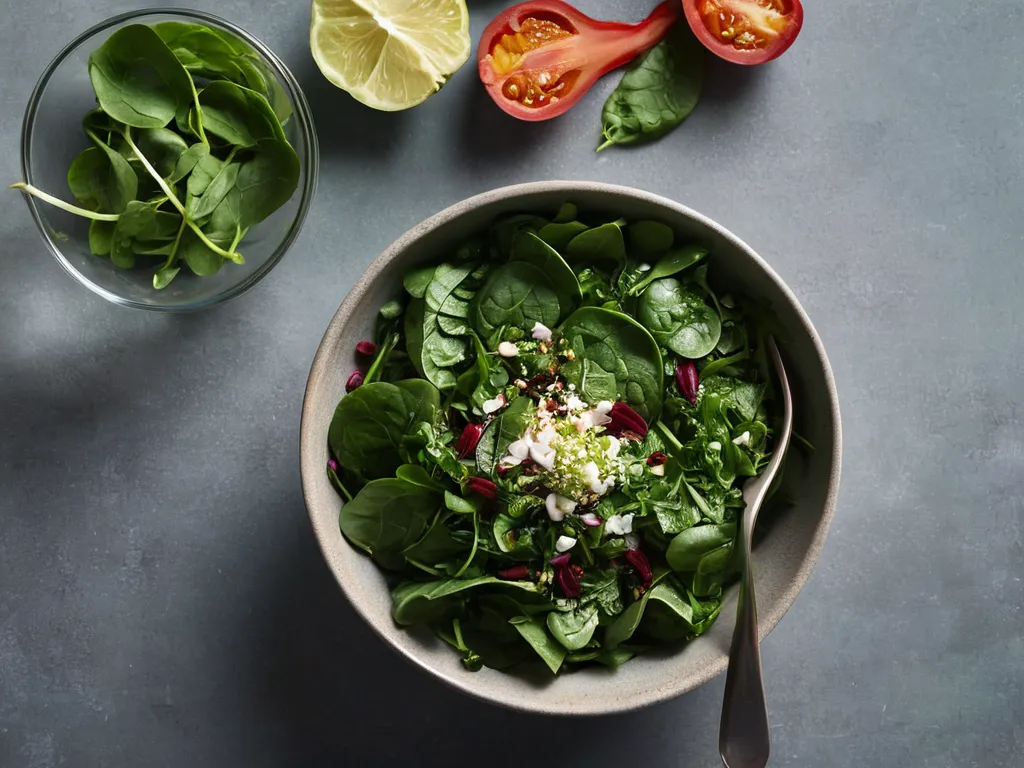
  • ✓Use supergreens (romaine + baby spinach) in place of rice for a lighter base. The citrus-forward chicken works particularly well over greens because the brightness reads as a dressing-like note.
  • ✓The marinade doubles as a vegetable glaze — brush it onto zucchini or bell peppers and grill alongside the chicken for a full bowl with no additional prep.

Frequently Asked Questions

What's the difference between Chipotle's Pollo Asado and their regular chicken?

Regular Chipotle chicken is the standard: dark-marinated in chipotle peppers in adobo, cumin, and garlic. It reads as smoky, savory, and earthy — a reliable base but not a distinct flavor. Pollo Asado is lighter, brighter, and more citrus-forward. It uses dried ancho chile (milder and fruitier than chipotle) rather than a heavy adobo soak, prominent orange and lime juice, and the fresh-cilantro hot-toss finish that regular chicken never gets. On the plate, Pollo Asado is noticeably more herbaceous and has a fresher, cleaner taste. The color is also different: regular chicken is dark brown-red; Pollo Asado is a lighter brick-red with visible cilantro throughout.

What's different about the 2026 'new recipe' vs the original Pollo Asado?

Chipotle describes the 2026 Pollo Asado as a fresh take on the protein with updated seasoning and a more pronounced citrus-and-cilantro finish. The 2022 original used ancho chiles as the dominant flavor with citrus in a supporting role. The 2026 version re-centers the profile around the citrus-garlic-cilantro combination — the ancho is still there for color and mild heat, but the orange and lime are prominent from the first bite rather than a back-note. The hand-cut cilantro stirred in while hot is specifically called out in Chipotle's marketing and appears to be more generous in the new version. The result tastes crisper and more 'grilled outdoors' than the earthier 2022 version.

Is Chipotle's Pollo Asado available right now?

Yes, as of this writing. Pollo Asado launched across the U.S. and Canada on August 31, 2026 as a limited-time offering. Chipotle has not announced an end date, but LTOs at Chipotle typically run 10–14 weeks before rotating off. The last run of Pollo Asado (a different recipe) ended in 2022. Chipotle debuted Chili Lime Chips the same day — its first-ever branded chip — though the chips were Chipotle Rewards members-only at launch and opened to all guests on September 4.

Can I use chicken breasts instead of thighs?

You can, but thighs are strongly preferred for two reasons. First, the high-heat sear needed for genuine char marks will dry out a breast before the exterior caramelizes. Second, the fat in thighs carries the citrus marinade flavor more effectively — you taste the ancho and lime more clearly with a slightly richer base meat. If you must use breasts, pound them to an even 3/4-inch thickness, reduce cook time by 1–2 minutes per side, and pull the instant the thermometer reads 165°F.

Why does the marinade use both ancho and chipotle chiles?

They do different jobs. The ancho chile (dried poblano) provides a mild, fruity heat and a brick-red color that photographs well. On its own, it's slightly sweet and not very spicy. The single chipotle in adobo adds a layer of smokiness and savory depth — just enough that the marinade doesn't taste purely bright and fruity. Using only chipotle in adobo (as many copycat recipes do) pushes the flavor toward Chipotle's regular chicken. Using only ancho produces a marinade that tastes mild and one-dimensional. The combination gives you a profile that's citrus-forward but not flat.

Why do I add the cilantro while the chicken is still hot?

Cilantro's flavor compounds — particularly the aldehydes that give it its distinctive herbal-soapy-bright character — are volatile. They bloom when exposed to heat and bond to the cooking fats on the surface of the chicken. Cold cilantro scattered on top of a finished dish provides crunch and visual green, but the flavor stays on the surface of the leaf. Hot cilantro tossed into sizzling chopped chicken releases its essential oils onto every cut surface of the meat. This is why Chipotle adds cilantro while the protein is still steaming on the plancha, not as a cold garnish at serving. The amount you use also matters: 1/2 cup (before wilting) is the right proportion for 2 pounds of chicken — most copycat recipes use 2–3 tablespoons, which is not enough to be a flavor element rather than a decoration.

How does Pollo Asado pair with Chipotle's salsas?

The brightness of the chicken makes it the most flexible protein for salsa pairing. Fresh tomato salsa (pico de gallo) echoes the acidity. Tomatillo-red chili salsa provides fruity heat that builds on the ancho notes. Tomatillo-green salsa is the most common choice: its tartness mirrors the lime in the marinade and keeps the overall bowl very light. The corn salsa (roasted chili-corn) is the recommended pairing — the sweet corn counterbalances the lime and makes the herbal cilantro pop. Skip sour cream if you want to keep the fresh, citrusy profile clean.

Love this recipe? Share it!

Free PDF: our 12 most-wanted copycat recipes — instant download.

Made it? Buy us a coffee

Every recipe here is free, with no paywalls. If this one was a hit at your table, a small tip keeps new copycats coming.

$

Chipotle is a trademark of its owner, used here only to describe the dish this recipe recreates. This is an independent copycat written in our own words — Copycat Spices is not affiliated with, endorsed by or sponsored by Chipotle.

Ratings & Reviews

—
No ratings yet

Rate this recipe

Click a star to rate

Leave a Review

0/500

CS

Copycat Spices Editorial

Researched + fact-checked. Every recipe on Copycat Spices is built from published sources — official ingredient lists, brand-published recipes, interviews and food-science references — and fact-checked before it goes live, then written as clear, step-by-step instructions for home cooks of all skill levels.

Learn more about our mission →