Pin It

Copycat Chipotle Smoked Brisket (The Serrano-Chipotle Sauce Secret)

Copycat Chipotle Smoked Brisket (The Serrano-Chipotle Sauce Secret)
Jump to Recipe
Prep 20 min (plus 4–8 hr dry-brine) Cook 10–12 hours (smoke + rest) Serves 8
Quick answer: Chipotle Smoked Brisket uses two specific chili peppers most copycats miss: smoked serrano chile and chipotle chile — named in Chipotle's official 2024 press release. The brisket is pre-smoked off-site before arriving at restaurants (Chipotle doesn't smoke in-store) then seared on the plancha and finished in a savory brisket sauce made from those same smoked chilis. To replicate at home: rub a 5–6 lb brisket flat with smoked serrano powder, chipotle powder, cumin, garlic powder, and coriander. Smoke at 225°F over oak or hickory for 4–6 hours to 165°F internal, wrap in butcher paper, and continue to 200–205°F (2–4 more hours). Rest wrapped in a cooler 1–2 hours. Meanwhile simmer the brisket sauce: chipotle peppers in adobo + beef broth + smoked serrano (if available) + a touch of brown sugar. Chop the brisket into ½–¾-inch chunks — never shred — and toss with the warm sauce. Eight servings cost $30–50 in groceries ($4–6 per serving) vs. $12.50 per bowl at the restaurant.

Copycat Chipotle Smoked Brisket (The Serrano-Chipotle Sauce Secret)

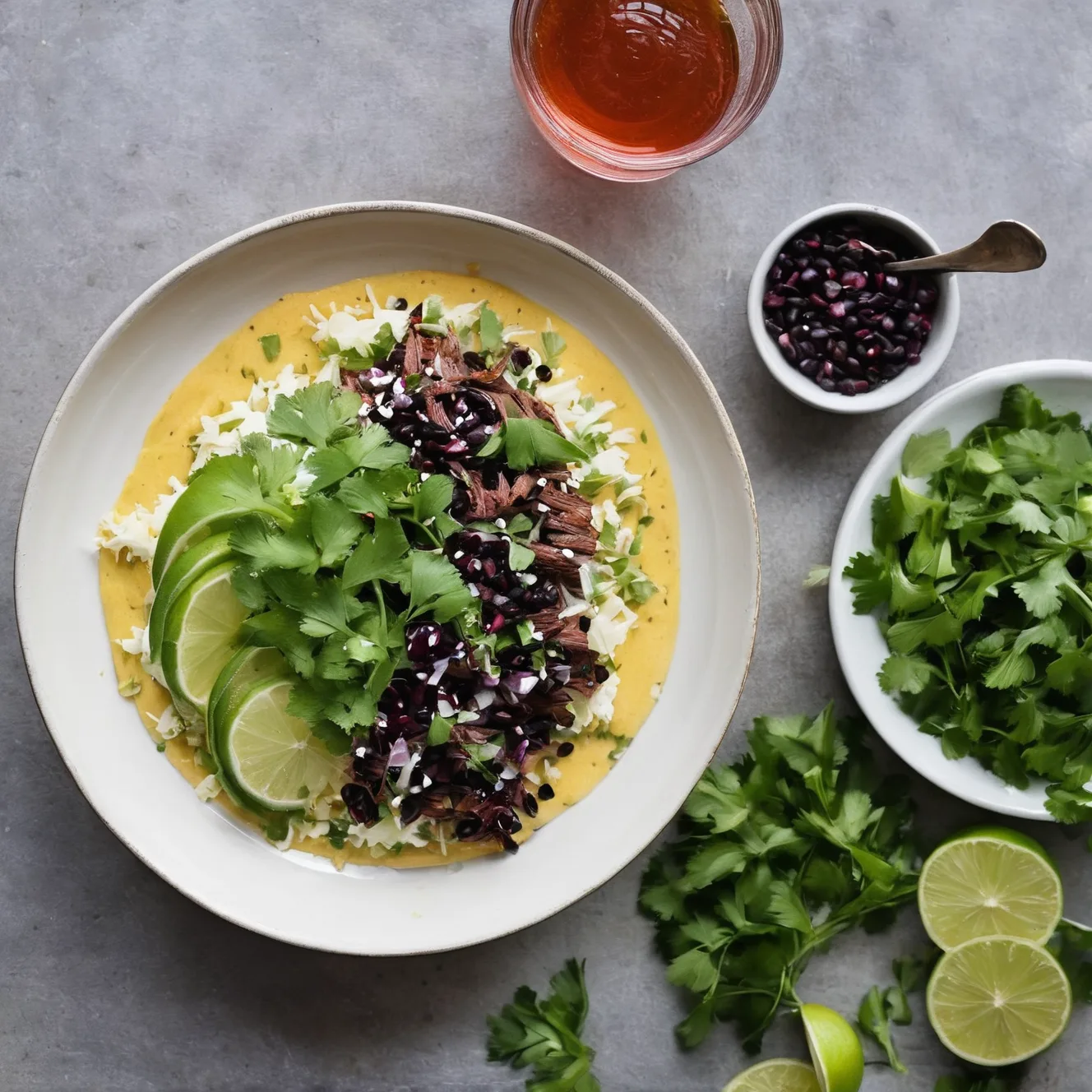
Chipotle's smoked brisket uses two chili peppers most copycats miss — smoked serrano and chipotle — plus a finishing brisket sauce. Smoke at 225°F with oak or hickory, chop (never shred), toss in the sauce. 8 servings for roughly $4–7 each vs. $12.50 at the restaurant.

Medium Prep: 20 min (plus 4–8 hr dry-brine) Cook: 10–12 hours (smoke + rest) Total: 20h 20m8 servings ~$4.50/serving
Prep20 min (plus 4–8 hr dry-brine)
Cook10–12 hours (smoke + rest)
Total20h 20m
Servings
8
At home~$4.50/serving
vs
Restaurant~$20.25/serving
You save ~78%

Ingredients

Instructions

💡
Pro tip: This recipe tastes even better the next day. The flavors need time to meld together in the fridge.
❄️
Storage: Keeps in an airtight container in the fridge for up to 2 weeks. Freezer-friendly for up to 3 months.
~300-500 cal/serving

The Story Behind the Recipe

Copycat Chipotle Smoked Brisket

Prep: 20 min (plus 4–8 hr dry-brine) | Cook: 10–12 hours | Serves: 8 | Cost: ~$4–6 per serving vs. $12.50 at Chipotle

Chipotle sold out its entire brisket supply weeks ahead of plan after the 2021 launch. CFO Jack Hartung called it one of the company’s best-performing menu items to date. Former CEO Brian Niccol cited it as the most requested menu item to bring back. When it returned on September 12, 2024, Chipotle paired the launch with a free-delivery offer (Sept 12–29) on app and website orders that included brisket.

That level of response is not about novelty. It’s because brisket delivers something Chipotle’s standard proteins — chicken, steak, barbacoa — genuinely cannot: deep, complex smoke flavor from an actual fatty, collagen-rich cut that becomes tender and rich in a way lean proteins never can.

The good news: Chipotle doesn’t actually smoke their brisket in-store. It arrives pre-smoked from a supplier and gets seared on the plancha. When you smoke a whole brisket flat at home, you are making something more authentic than what the restaurant serves.

TL;DR:

  • Two chili peppers distinguish this recipe: smoked serrano + chipotle (from Chipotle’s official press release — most copycats use only one)
  • Smoke at 225°F with oak or hickory, 165°F → wrap in butcher paper → 200–205°F → 1–2 hr rest
  • Make the brisket sauce while it rests: chipotle in adobo + beef broth + smoked serrano
  • Chop, don’t shred — ½–¾-inch rough chunks
  • Oven alternative with liquid smoke works if you don’t have a smoker

The Two Chili Peppers Most Copycats Miss

Chipotle’s 2024 press release names the spices explicitly: “smoked serrano chili pepper and chipotle chili pepper.” Every major copycat site I checked used only chipotle powder. That misses half the flavor equation.

Chipotle chile powder (or chipotle in adobo): This is dried, smoked jalapeño. Deep, earthy, moderate heat (2,500–8,000 Scoville). The familiar Chipotle flavor backbone.

Smoked serrano chile powder: Serrano peppers are jalapeño cousins but significantly hotter (10,000–23,000 Scoville) with a brighter, slightly fruity, grassier heat. In smoked form, they add a sharp heat layer on top of the chipotle’s earthier burn. This combination — deep smoky earth underneath, bright sharp heat on top — is the actual flavor of Chipotle’s brisket.

Dried smoked serranos are available at Latin grocery stores and online. If you can’t find them: add an extra ½ teaspoon chipotle powder plus ¼ teaspoon cayenne. The heat is there but the flavor nuance is different.


Flat vs. Point: Buy the Right Half

A whole beef brisket is two muscles connected by a fat seam. The flat (first cut) is lean, uniform, and rectangular — about ½–¾ inch thick throughout. The point (second cut or deckle) is thicker, heavily marbled, and irregular in shape. Burnt ends come from the point.

For this recipe: buy the flat. Chipotle needs uniform protein portions — consistent pieces come from the flat, not the irregular point. The flat also chops more cleanly into the ½–¾-inch chunks the recipe requires.

Ask your butcher for a trimmed brisket flat with about ¼ inch of fat cap left on. Fully trimmed flats (common at some warehouse stores) can dry out over a long cook. You want a thin layer of fat to baste the meat as it renders.

A 5–6 lb flat is the right starting size. After trimming, smoking (moisture loss), and rest, expect 3–3.5 lbs of finished, choppable meat — roughly 8 Chipotle-style 4-oz servings.


The Smoke Setup

Temperature: 225°F, maintained consistently. Low and slow is not a guideline — it’s how collagen in beef brisket converts to gelatin. Above 275°F, the surface dries before the interior reaches the target temperature; below 200°F, the cook takes too long and the bark (the flavorful crust) never sets properly.

Wood: Oak or hickory — or a blend. Oak gives neutral, classic BBQ smoke; hickory adds a stronger, slightly sweet smoke note. Avoid mesquite for brisket — it’s aggressive at long exposures and can make the exterior bitter. Use 3–4 chunks (not chips) placed at the start of the cook. The chunks smolder slowly throughout rather than burning off quickly.

Fat cap: Place the brisket fat-cap-up on the grate. As the fat renders, it bastes the meat below it. Fat-cap-down works too (the fat acts as a heat shield) — both methods have defenders. Fat-cap-up is more forgiving if your heat source runs hot from below.


The Stall: Don’t Panic, Don’t Adjust

Around 150–160°F internal temperature, brisket stalls — the temperature stops rising and may even drop slightly. This can last 1–3 hours. It happens because evaporating moisture cools the surface at the same rate the smoker heats it.

Do not raise the temperature. Do not wrap early. Wait it out.

The stall is where the bark forms. If you wrap at 150°F, you get a softer, paler exterior. Let it stall, let the bark set, and wrap at 165°F.


Wrap at 165°F — Butcher Paper, Not Foil

The wrap (the “Texas Crutch”) gets the brisket through the final stretch faster and prevents the exterior from drying out. Pull at exactly 165°F, wrap tightly in two layers of pink (uncoated) butcher paper, and return it to the smoker.

Butcher paper vs. foil: Foil seals moisture completely — the brisket braises in its own liquid, which makes the interior softer but softens the bark significantly. Butcher paper is breathable — steam can escape while moisture is retained, which preserves a better crust. If bark matters to you (and it should — the bark carries most of the smoke flavor), use butcher paper.


The Rest Is Non-Negotiable

Pull the brisket at 200–205°F and do the probe test: the thermometer should slide in with almost no resistance — like pushing it into warm butter. If you feel distinct resistance, add 30 minutes and check again.

Rest the wrapped brisket in a cooler (no ice) for a minimum of 1 hour, up to 2. During the rest:

  • Muscle fibers relax and reabsorb juices that migrated outward during cooking
  • The temperature continues to equalize throughout the flat
  • The collagen that converted to gelatin sets slightly, giving the meat a silky, cohesive texture rather than waterlogged, stringy fibers

Cutting into brisket immediately after the smoker loses up to 30% of the moisture that would otherwise stay in the meat.


The Brisket Sauce: The Part Everyone Skips

Chipotle finishes their brisket in “a savory brisket sauce made with smoky chili peppers.” The meat alone, without the sauce, doesn’t replicate the restaurant experience.

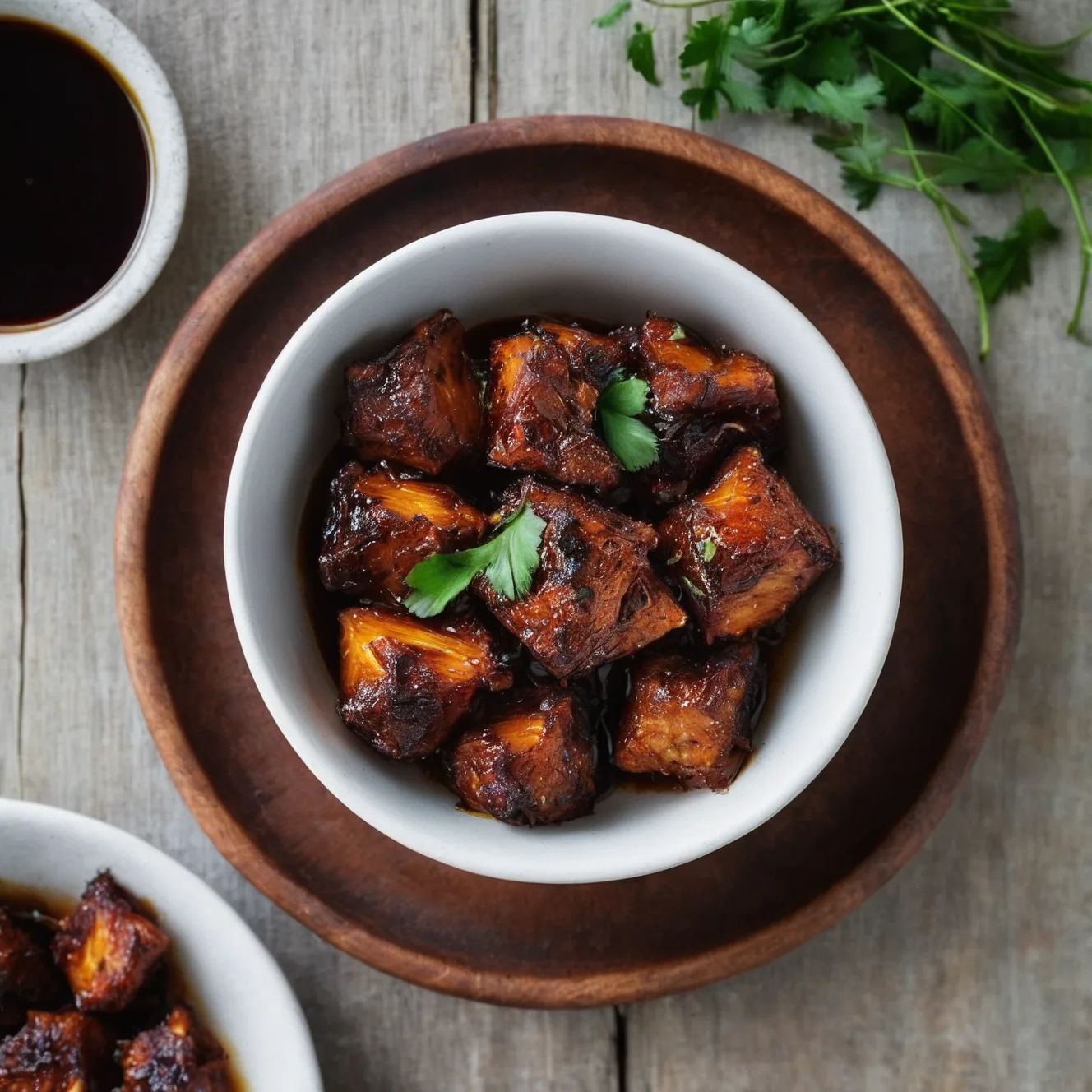
The sauce is simple — 10 minutes — and makes a significant difference. It ties the two chili pepper layers together, adds a slightly sweet-savory gloss, and gives each piece of chopped brisket that distinctly sauced quality you notice at the restaurant but can’t quite place.

Use the sauce in two ways: toss the chopped brisket in 3–4 tablespoons of it, and serve the remainder on the side. People who want more heat (the serrano component is noticeable) can pour it on; people who don’t can stay with the smoke from the meat alone.


How to Chop — And Why Shredding Is Wrong

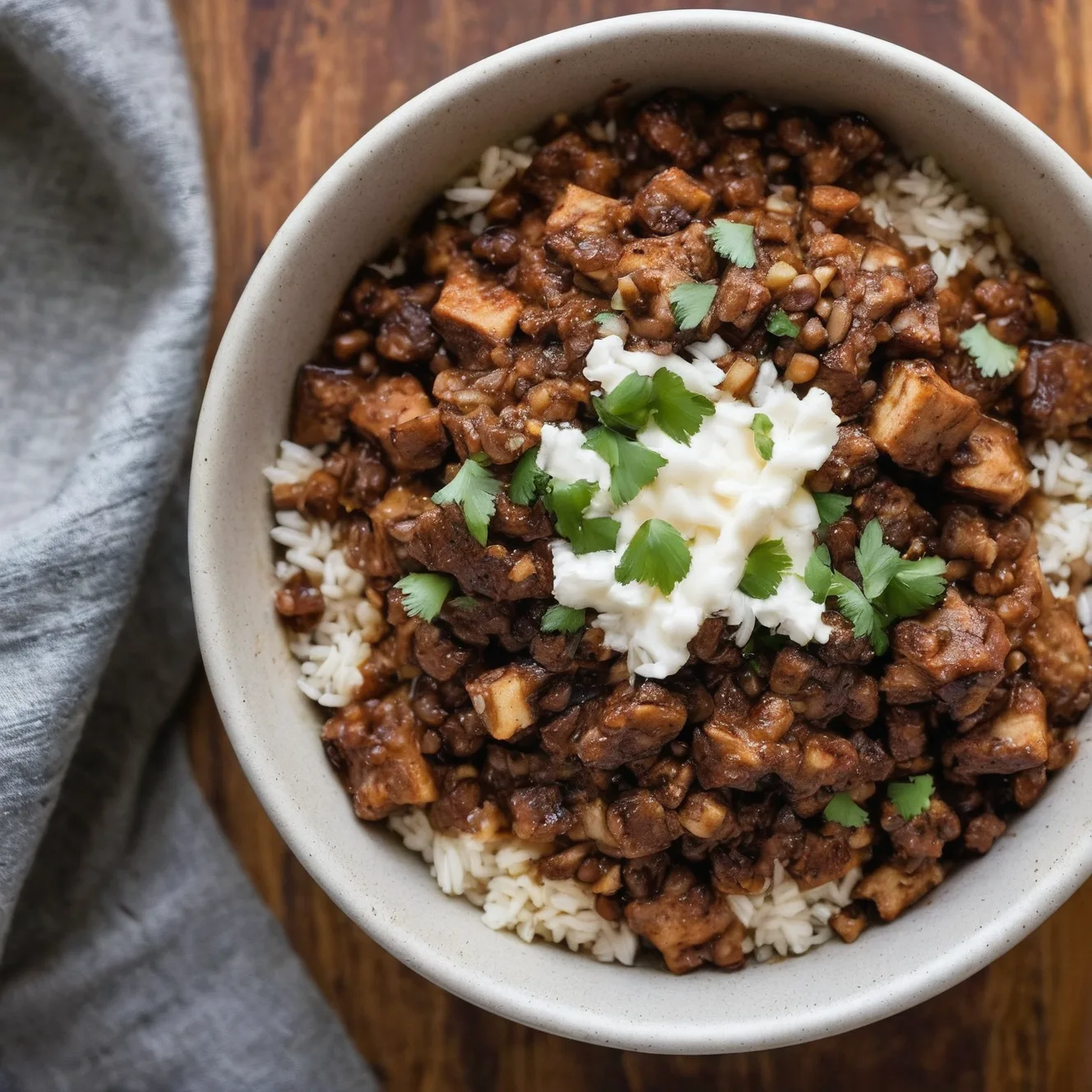
Chipotle says “hand-chopped.” That’s the operating instruction. Slice the rested brisket flat against the grain into ½-inch slices, then chop those slices into ½–¾-inch rough chunks.

The irregular surfaces and angles on chopped pieces trap the sauce in crevices in a way pulled shreds don’t. Shredded brisket also squeezes out interior juice as you pull the fibers apart — chopping does not.


Building the Bowl

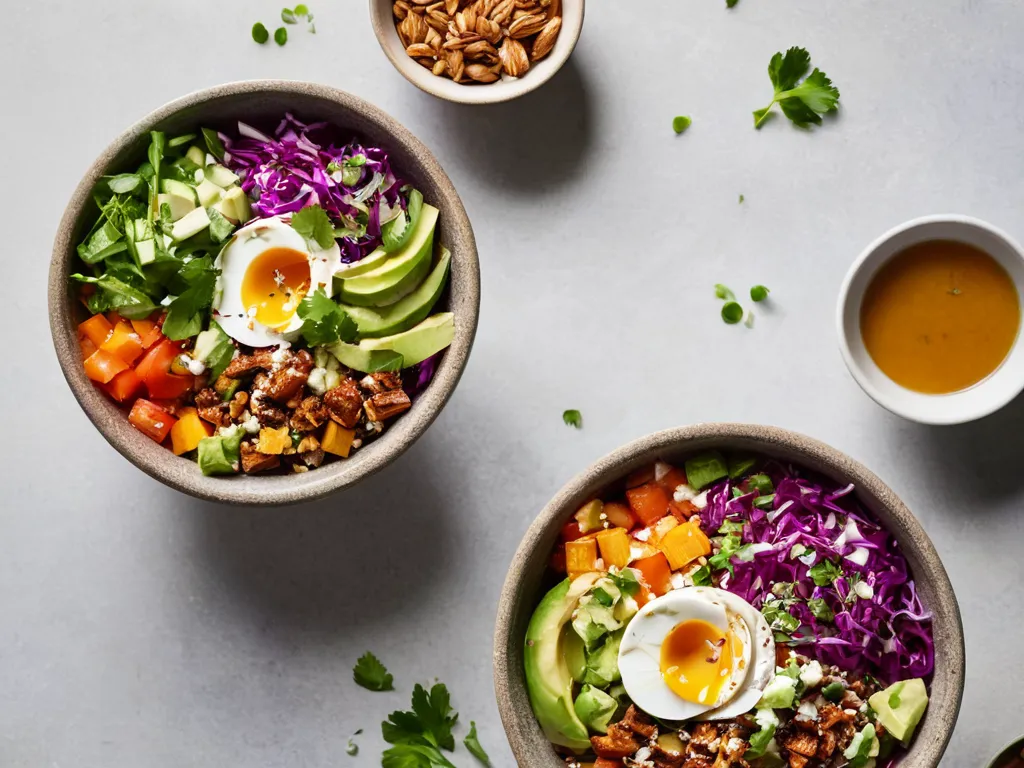
Chipotle’s Smoked Brisket works in any combination, but these pairings are particularly good:

The Classic: White rice + black beans + brisket + fresh tomato salsa + sour cream + cheese. The rice’s neutral starch offsets the deep smoke.

The Keto Build: Supergreens base (romaine + baby kale + baby spinach) + brisket + tomatillo-red chili salsa + guacamole + extra brisket sauce. No rice, no beans. At 360 calories for the protein, this is the highest-fat Chipotle protein per gram — ideal for fat-heavy keto macros.

The Smoke-Forward: Just brisket, corn salsa (the sweetness contrasts the smoke perfectly), fresh tomato salsa, and Monterey Jack. No rice, no beans — nothing to compete with the smoke.


Cost Comparison
ChipotleHomemade
Price per bowl~$12.50~$4–6
Protein per serving~4 oz~4 oz
Brisket smoked in-store?No (pre-smoked)Yes
8 bowls total~$100~$35–50

A 5–6 lb brisket flat costs approximately $30–50 depending on your area ($6–9/lb for Choice grade; $8–12/lb for Prime). After smoking and trimming, 8 servings at $4–6 each — one-third to one-half the restaurant price, and with more authentic smoke.


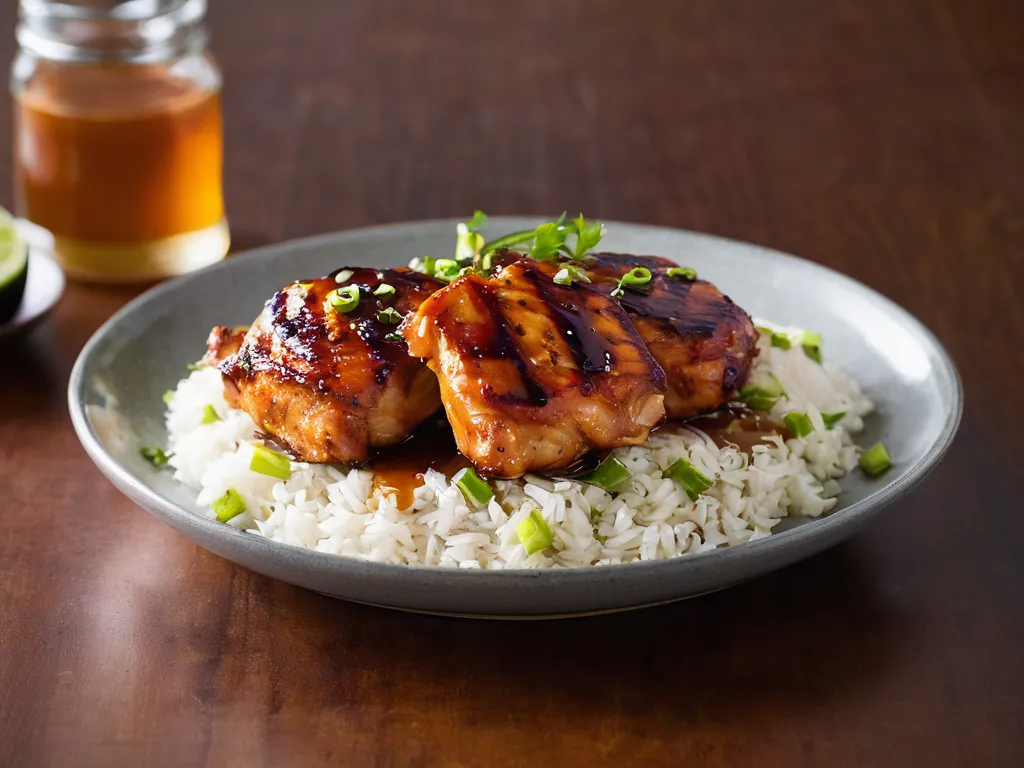
For more Chipotle proteins at home, the copycat Chipotle barbacoa uses a similar low-and-slow approach but braised rather than smoked. For the quickest Chipotle protein weeknight option, copycat Chipotle chicken comes together in under 30 minutes. If you want to compare brisket directly against the newest Chipotle protein, the Honey Chicken copycat uses the same plancha sear with a completely different sweet-smoky marinade. For the full bowl, see Chipotle cilantro-lime rice and Chipotle corn salsa.
Nutrition Facts

Per serving (8 servings)
Calories360
Total Fat27g
Total Carbs6g
Dietary Fiber0g
Sugars5g
Protein22g
Sodium390mg

* Estimated values based on standard recipe preparation. Actual values may vary.

🥗

Make It Healthier

Love Chipotle Smoked Brisket (The Serrano-Chipotle Sauce Secret) but want a lighter version? Try these simple swaps:

  • Use the brisket flat only (not the fattier point) and trim the fat cap to ⅛ inch before rubbing. This reduces rendered fat significantly.
  • Skip the finishing sauce or reduce the Worcestershire and brown sugar — the smoke and spice rub carry the brisket on their own if you want a lower-carb profile.
  • Serve over the Supergreens base (romaine + baby kale + baby spinach) instead of rice to cut about 200 calories and 40g carbs from the bowl.

Equipment You'll Need

Offset smoker, pellet grill, or kettle grill with 2-zone setup

Runs at 225°F with indirect heat for 8–10 hours. Oven alternative described below if you don't have one.

Instant-read thermometer

Target 165°F for the wrap point, then 200–205°F for the final pull — brisket texture lives and dies by these numbers

Butcher paper (uncoated pink/peach)

Wraps the brisket for the final push to 200–205°F. Foil works but produces a softer bark; butcher paper preserves crust texture.

Cooler or 200°F oven

For the mandatory 1–2 hour rest after cooking. The rest redistributes moisture and is non-negotiable.

Cast-iron skillet or heavy-bottomed pan

For making the brisket sauce and optionally charring chopped brisket at the end for restaurant-style sear marks

Frequently Asked Questions

Does Chipotle actually smoke their brisket in-store?

No — this is one of the most important things to understand about Chipotle's process. Chipotle's brisket arrives pre-smoked from a supplier, not smoked at the restaurant. In-store, the brisket is seared on the plancha (a flat-top griddle) to order and finished in the brisket sauce made with smoked chili peppers. This means that when you smoke a whole brisket at home, your version is closer to the original smoking source than what Chipotle actually serves. Home smokers get the full benefit of real wood smoke; restaurant guests get plancha-seared pre-smoked brisket.

What are the two chili peppers in Chipotle's brisket — and why do most copycats get it wrong?

Chipotle's 2024 press release specifically names 'smoked serrano chili pepper and chipotle chili pepper' as the seasoning. Most copycat recipes use only chipotle powder or chipotles in adobo — which gets one of the two right. The smoked serrano is the missed layer. Serranos are hotter than jalapeños (the base of a chipotle) and have a brighter, grassier heat. The smoked version adds a distinct sharp, slightly fruity heat on top of the deeper, earthier chipotle smokiness. You can find dried smoked serranos at Latin grocery stores or online; in a pinch, substitute an extra ½ teaspoon of chipotle powder plus a pinch of cayenne, but the flavor profile won't be identical.

Should I use brisket flat or brisket point?

Use the flat (also called the 'first cut'). The flat is leaner, more uniform in thickness, and slices/chops more cleanly than the point, which is fatty, heavily marbled, and best for burnt ends. Chipotle uses the flat cut specifically — consistent protein portions require uniform pieces, which the flat provides. A trimmed flat with about ¼-inch fat cap will cook predictably, produce clean chopable bites, and leave you with less rendered fat to discard. Budget for 5–6 lbs of flat; after trimming, smoking, and moisture loss, you'll end up with about 3–3.5 lbs of finished meat — enough for 8 servings.

What wood should I use to smoke brisket for this recipe?

Oak or hickory — ideally a blend of both. Oak produces a mild, neutral smoke that pairs well with the savory chili rub without overwhelming it. Hickory adds a stronger, bacon-adjacent smoke note that complements the beef fat. Top Secret Recipes (Todd Wilbur) uses an oak/hickory blend for this specific copycat. Avoid mesquite for a full brisket cook — mesquite burns very hot and the flavor can turn acrid over a 10-hour cook time. For pellet grills, a competition blend (oak-hickory-cherry) works well. Chipotle has not officially disclosed their supplier's wood type.

Can I make this without a smoker?

Yes. The oven method gets you 80–85% of the way there. Mix 1 tablespoon of liquid smoke into the dry rub before applying (reduce salt by ¼ teaspoon to compensate). Sear the rubbed brisket flat in a cast-iron skillet over high heat, 3–4 minutes per side, to develop a crust. Transfer to a Dutch oven or roasting pan, add ¼ cup beef broth, cover tightly with foil or the lid, and cook at 250°F for 7–9 hours until an internal probe reads 200–205°F and meets little resistance. Let rest 1 hour covered. The result is tender and flavorful, though it lacks the deep bark and authentic smoke ring of a real smoke. Finish by quickly charring the chopped pieces in a dry cast-iron skillet over high heat for 60–90 seconds — this adds the plancha-sear layer that Chipotle applies in-store.

Why is Chipotle Smoked Brisket so much higher in calories than their other proteins?

It's the cut. Beef brisket is one of the fattiest cuts Chipotle uses — approximately 360 calories per 4-oz serving, 27g fat, 11g saturated fat. For comparison, Chipotle's chicken is about 180–200 calories per 4 oz at roughly 7–8g fat, and their steak is approximately 150 calories at 6g fat. Brisket's flavor reputation comes entirely from that fat — the intramuscular fat (marbling) and rendered fat cap give it the tender, rich, deeply meaty quality that made it their most-requested LTO. If you're watching calories, the Supergreens base and no-cheese, no-sour-cream bowl is the way to go; if you're doing keto, brisket is actually one of Chipotle's most macro-compatible proteins.

Is Chipotle Smoked Brisket currently available in 2026?

It depends on your location and timing. Brisket launched as an LTO in September 2021 and ran out of inventory in mid-November 2021 due to overwhelming demand — CFO Jack Hartung called it 'one of the company's best-performing menu items to date.' It returned in September 2024. As of mid-2026, some sources show it on active menus at ~$12.50 per bowl, but Chipotle has historically cycled it on and off as a limited-time offering. Check Chipotle.com or the Chipotle app before heading in. Whether it's on the menu or not, the home version is genuinely better — real whole-brisket smoke versus pre-smoked protein seared on a plancha — and at roughly $4–6 per serving versus $12.50 at the restaurant.

How long does the smoked brisket keep and can I freeze it?

Refrigerate chopped brisket (stored with a bit of sauce) in an airtight container for up to 4 days. Freeze in portions for up to 3 months — brisket freezes exceptionally well because the fat content protects the meat from drying out during freezing and thawing. Thaw overnight in the refrigerator and reheat gently in a skillet over medium-low heat with a splash of beef broth. Brisket is ideal for batch cooking: smoke once, portion into meal-size containers, and build bowls throughout the week without reheating an entire cut.

Love this recipe? Share it!

Shop the tools

Gear matched to this recipe's equipment list. We may earn a small commission if you buy through these links — at no extra cost to you.

As an Amazon Associate, Copycat Spices earns from qualifying purchases.

Free PDF: our 12 most-wanted copycat recipes — instant download.

Ratings & Reviews

No ratings yet

Rate this recipe

Click a star to rate

Leave a Review

0/500

CS

Copycat Spices Test Kitchen

Every recipe on Copycat Spices is developed and tested in our home test kitchen. We reverse-engineer beloved restaurant dishes and refine each one until the flavors and the instructions work reliably for home cooks of all skill levels.

Learn more about our mission →