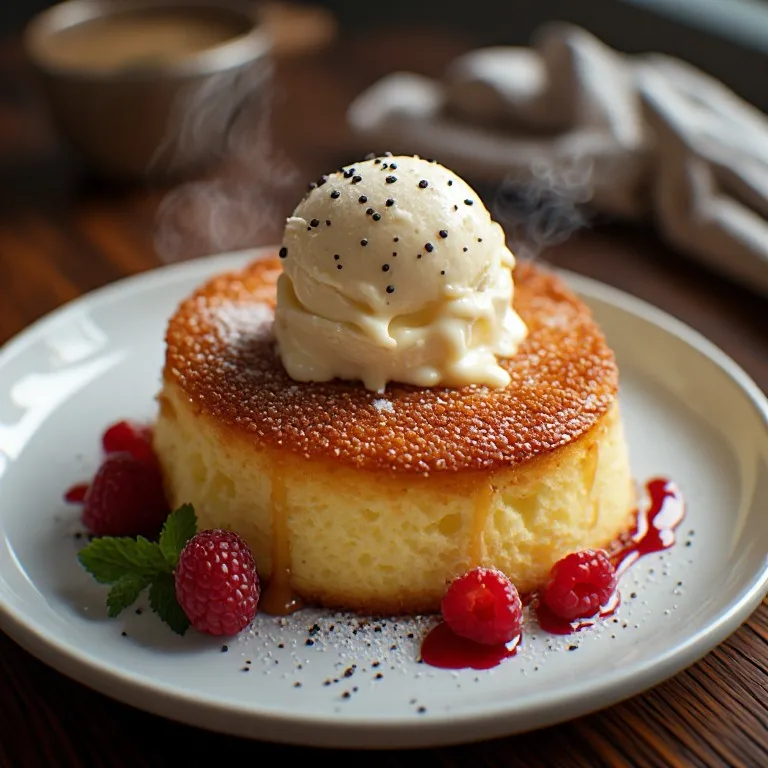


Del Frisco’s Double Eagle Butter Cake (The Warm One)
Prep time: 15 min Cook time: 50 min Servings: 12
The Del Frisco’s name goes back to 1981, when Dale “Del Frisco” Wamstad and Dee Lincoln started out in the restaurant business. The big, clubby Double Eagle Steakhouse that defined the brand took root in Dallas and became the template for the Texas power-dinner steakhouse — USDA prime beef, mahogany booths, a wine list that needs its own table, and servers who have been there long enough to know your order before you sit down. Landry’s acquired the company in 2019. There are now more than a dozen Double Eagle locations.
The Warm Butter Cake has been on the menu through all of it.
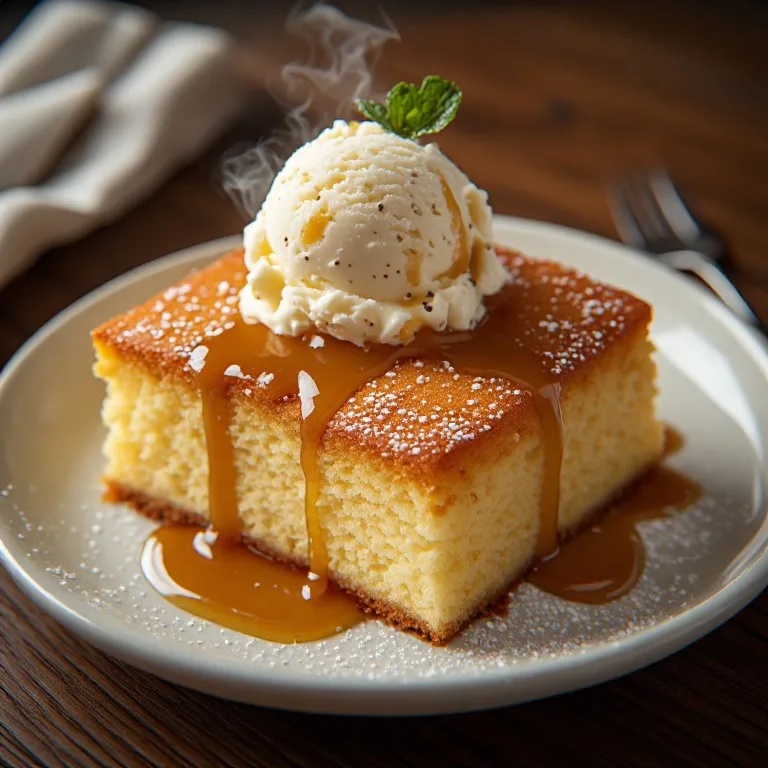
It’s not complicated. Butter, cream cheese, sugar, eggs, flour — mixed in one bowl, poured into a large pan, baked at 350°F, sliced warm, served with vanilla ice cream and caramel sauce. A single order at the restaurant runs $14 to $17 and is large enough for two people. The full pan at home costs $4 to $5 and feeds twelve, or two people across three very good days.
What makes it work is what the cream cheese does to the batter: it lowers the temperature at which the interior sets, so the edges finish before the center does, and the center stays soft and gooey even when the cake is fully baked. It’s not underbaking, it’s architecture. You pull a cake where the edges are golden and set, the top is pale and barely colored, and the center still has that faint give — and that give is the whole point.
How This Differs from Mastro’s Butter Cake
Both are steakhouse butter cakes made with cream cheese. Both are served warm with vanilla ice cream. They’re doing different things.
Del Frisco’s bakes the batter in a large pan and slices to order. It’s a shareable table dessert — one square each, a scoop of ice cream, a drizzle of caramel. Mastro’s bakes in individual ramekins (turbinado-sugar-coated), inverts them onto individual plates, and drizzles raspberry sauce. Del Frisco’s cream cheese goes directly into the batter, so the gooeyness is distributed throughout. Mastro’s uses a separate cream cheese dollop placed on top of the batter that sinks to create a concentrated gooey pocket in the center of an otherwise set cake. The experiences are different: Del Frisco’s is warm slab comfort food, every bite even. Mastro’s is a composed individual dessert with a specific gooey-center moment.
If you’ve already made one, the other is worth making.
The One Thing Most Home Recipes Get Wrong
Room temperature ingredients. Both the butter and the cream cheese must be genuinely soft — not cool, not slightly firm, not “close enough.” Cold cream cheese does not beat smooth; it forms lumps that persist through the whole mixing process and bake into dense spots. Cold butter doesn’t aerate properly and produces a cake that’s heavy rather than tender.
Set both out 1 to 2 hours before baking. If you’re rushed: cut the cream cheese into 1-inch cubes and microwave on low in 10-second bursts until it feels like soft putty (not warm, not melted). Repeat for the butter. This takes 2 minutes and the cake is better for it.
What to Serve Alongside
Caramel sauce: The restaurant version uses a pourable caramel — fluid enough to pool around the base of the square and drizzle over the ice cream. Trader Joe’s fleur de sel caramel, Smuckers caramel topping, or Ghirardelli caramel all work. For homemade, see the FAQ above.
Vanilla bean ice cream: Full-fat, with real vanilla bean specks. Häagen-Dazs or Talenti. The quality matters because the temperature contrast between cold ice cream and the warm cake is the structural mechanism of the dessert — you want the ice cream to still be cold when you serve it, and only melt at the contact point with the cake. Soft-serve collapses too fast.
Optional — fleur de sel: A small pinch of flaky salt (Maldon, fleur de sel) on top of the ice cream just before serving amplifies everything. Del Frisco’s doesn’t do this officially, but many who’ve recreated the dessert add it, and it works.
Variations
Chocolate Butter Cake: Del Frisco’s serves a chocolate version at some locations. Add 1/4 cup Dutch-process cocoa powder to the flour mixture and increase sugar by 2 tablespoons to compensate for the cocoa’s bitterness. Proceed exactly as the base recipe. Serve with vanilla ice cream and chocolate sauce instead of caramel.
Bourbon Pecan: Add 2 tablespoons bourbon with the vanilla extract, and fold 1/2 cup chopped toasted pecans into the batter before baking. The bourbon note is warm and barely perceptible — it suits the Texas steakhouse context without making this a bourbon dessert.
Cast-Iron Skillet: The 9x13 pan is the standard, but a 10- or 12-inch cast-iron skillet produces one of the best results in this recipe. The direct-contact heat from cast iron caramelizes the bottom more aggressively than a light aluminum pan, creating a slightly crisp base that contrasts with the gooey top. Bake times are similar; serve from the skillet at the table.
The Restaurant Math
| Del Frisco’s | Home | |
|---|---|---|
| Dessert price | $14–17 (serves 2) | $4–5 (serves 12) |
| Per serving | ~$7–8 | ~$0.35 |
| Ice cream | House vanilla | Depends on brand |
| Format | Single square, plated | Sliced from pan |
| Caramel | House-made | Store-bought or homemade |
The home version is not a compromise. The cake is the same cake. What you’re paying for at the restaurant is the room — the booth, the service, the occasion. Those are worth buying when the occasion calls for it. On a Tuesday in October when you want warm butter cake with ice cream and caramel, the home version is the right call.
More Famous Steakhouse Recipes
- Copycat Mastro’s Butter Cake — the individual ramekin version with turbinado crust and the cream cheese topping dollop technique: a different format, a different gooeyness architecture, the same essential pleasure
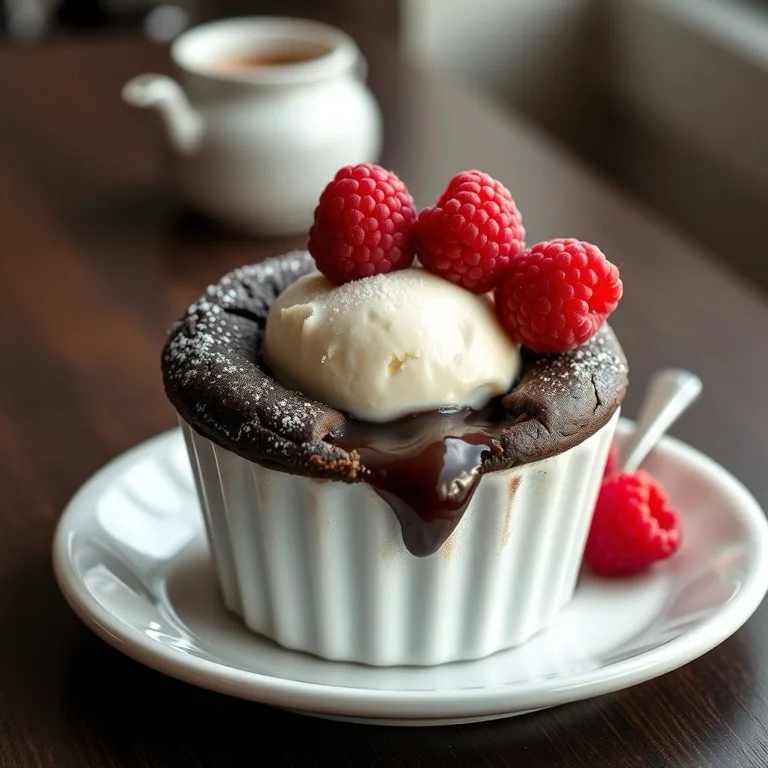
- Copycat Morton’s Legendary Hot Chocolate Cake — the molten lava cake format from another storied American steakhouse chain, a completely different dessert technique
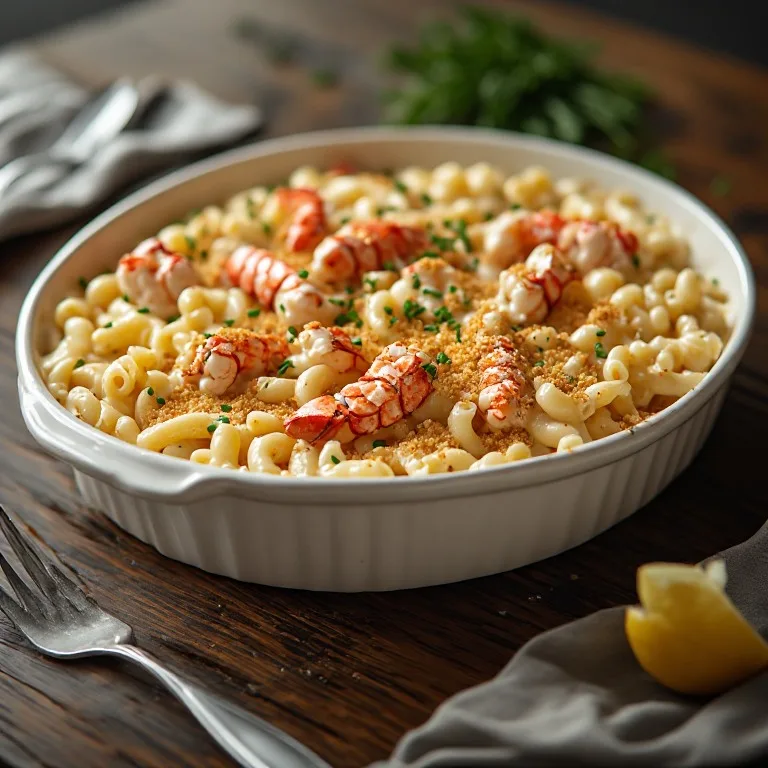
- Copycat The Capital Grille Lobster Mac and Cheese — the most famous upscale steakhouse side dish, reproduced with the same cream, lobster-stock base, and brioche breadcrumb crust the restaurant uses
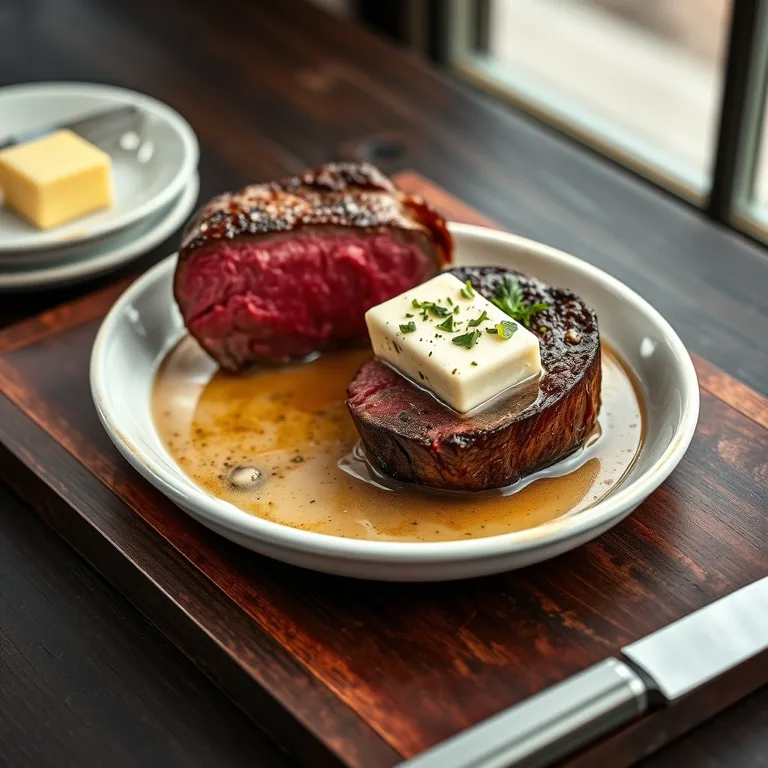
- Copycat Ruth’s Chris Filet Mignon — the 500°F plate technique that makes Ruth’s Chris filet the specific experience it is, brought home
- Copycat Texas Roadhouse Prime Rib — the slow-roasted prime rib technique for a crowd, from the Texas chain that has sold more prime rib than almost any other restaurant in America