


Pin It

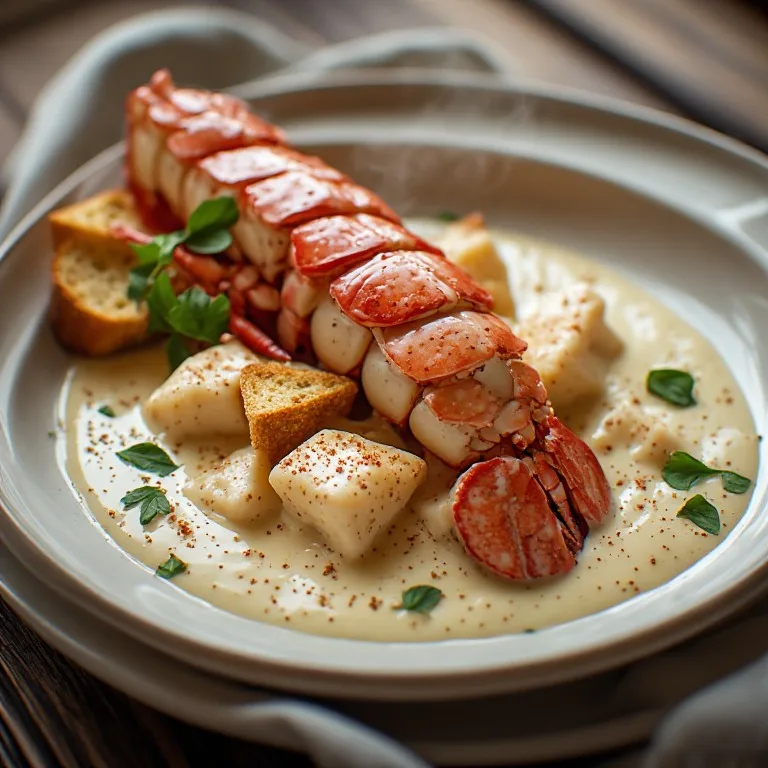
Delmonico's Lobster Newburg

Delmonico's Lobster Newburg
Jump to Recipe
Prep 20 min Cook 25 min Serves 4
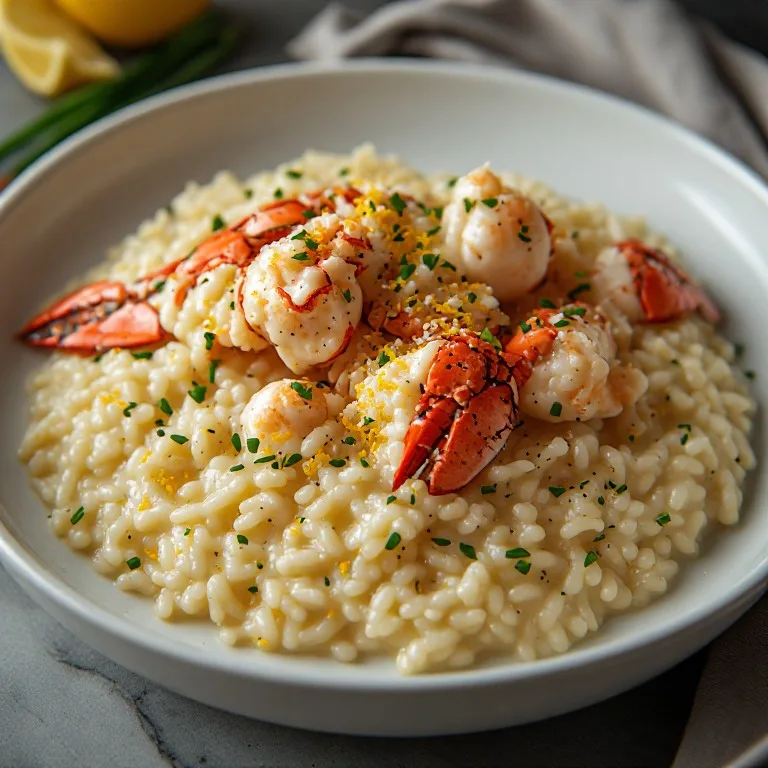
Quick answer: Split 4 lobster tails (about 6 oz each) lengthwise, season with salt, and poach in simmering salted water 5 to 6 minutes until just cooked through; extract the meat and cut into 1.5-inch pieces, then pat completely dry. Heat 3 tablespoons unsalted butter in a wide sauté pan over medium-high and sauté the lobster pieces 90 seconds per side until lightly golden; remove to a plate. Reduce heat to medium, add 2 tablespoons cognac to the hot pan and let it simmer 60 seconds to cook off the alcohol (or carefully tilt toward an open burner flame to flambé, letting the flames die naturally). Add 3 tablespoons dry Madeira or dry sherry and simmer 30 more seconds. Add another 3 tablespoons butter and let it melt, then pour in 1 cup heavy cream. Bring to a gentle simmer and cook, stirring occasionally, until reduced by about one third — 6 to 8 minutes. Remove the pan from heat. Whisk 3 large egg yolks (at room temperature) with 1/4 teaspoon cayenne and a small pinch of freshly grated nutmeg in a bowl. Slowly ladle the hot cream into the yolk bowl about 1/4 cup at a time, whisking constantly after each addition — do this 3 to 4 times before pouring the tempered mixture back into the pan. Return the pan to medium-low heat and cook, stirring gently, until the sauce reaches 140°F on an instant-read thermometer and coats the back of a spoon in a flowing ribbon — about 3 to 4 minutes. Never let it boil. Return the lobster to the sauce, fold gently, and heat 1 minute. Season with white pepper and fine sea salt. Spoon over buttered toast points, garnish with fresh tarragon, and serve immediately. The dish at Delmonico's in 2026 is approximately $59; at home with lobster tails the total runs about $14 to $17 per serving.

Shop the tools

Gear matched to this recipe. These are Amazon affiliate links — we may earn a small commission if you buy, at no extra cost to you.

As an Amazon Associate, Copycat Spices earns from qualifying purchases. Product images are generic illustrations, not the exact item listed.

Delmonico's Lobster Newburg

The dish born from a grudge — lobster sautéed in butter, flambéed with cognac, then finished in cream and egg yolks with a whisper of cayenne. The full Wenburg-to-Newburg backstory, Charles Ranhofer's original 1894 method, and the one technique (the egg-yolk temper) that separates a silky sauce from scrambled eggs.

Advanced Prep: 20 min Cook: 25 min Total: 45 min4 servings ~$4.50/serving
Prep20 min
Cook25 min
Total45 min
Servings
4
At home~$4.50/serving
vs
Restaurant~$20.25/serving
You save ~78%

The Story Behind the Recipe

In 1876, a sea captain and fruit trader named Ben Wenburg walked into Delmonico's with a copper chafing dish and an idea. Wenburg had made his fortune running ships between New York and Havana, and somewhere along the way he had worked out a preparation for lobster that he wanted to show off: sautéed in butter, flamed with cognac, finished in cream with egg yolks and a good measure of cayenne. He made it tableside for Charles Delmonico. Chef Charles Ranhofer was watching. Within weeks, "Lobster à la Wenberg" was on the menu, and the dining room of Gilded Age New York — Vanderbilts, Astors, Diamond Jim Brady — ordered it in quantity. Then Wenburg got into a loud public altercation at the restaurant, embarrassing the Delmonico family. Charles Delmonico had the dish pulled. The protests from regulars were immediate and persistent, so it came back — but with the first three letters of the name reversed. Wenburg became Newburg.

Delmonico's at 56 Beaver Street in Manhattan's Financial District is still open in 2026, which makes it one of the very few restaurants that can honestly trace its lineage to 1837. The Lobster Newberg on their current menu — priced around $59 — is served with cognac, tarragon, and lobster coral, a modern refinement of Ranhofer's original. His recipe, printed as recipe No. 1037 in his 1894 cookbook "The Epicurean," is essentially what this recipe follows: live lobster cooked in butter, reduced in cream, finished with Madeira, egg yolks, and cayenne. At home the total cost with lobster tails is $14 to $17 a serving. The one technique that makes or breaks the dish is the egg-yolk temper: the hot cream must go into the cold yolks slowly, not the other way around — drizzle and whisk rather than dump and scramble.

Nutrition Facts

Per serving (4 servings)
Calories590
Total Fat42g
Total Carbs16g
Dietary Fiber1g
Sugars3g
Protein36g
Sodium720mg

* Estimated values based on standard recipe preparation. Actual values may vary.

Ingredients

  • For the lobster
  • For the Newburg sauce
  • For serving

Instructions

💡
Pro tip: This recipe tastes even better the next day. The flavors need time to meld together in the fridge.
❄️
Storage: Keeps in an airtight container in the fridge for up to 2 weeks. Freezer-friendly for up to 3 months.
🎃 Free Halloween cookbook — download now The Copycat Halloween Cookbook A ready-made, photo-illustrated PDF of our best halloween copycat recipes — free to download, no building required. Pay what you want to support if you love it.

Free PDF — instant download. We'll also send new seasonal copycat recipes now and then; unsubscribe anytime. Or just download it →

Delmonico’s Lobster Newburg


What Makes This Different from a Basic Cream Sauce

Most lobster cream sauces are just reduced heavy cream. Lobster Newburg is a cream liaison — the egg yolks thicken the sauce through gentle heat rather than reduction, producing a texture that is silky and flowing rather than thick and cloying. The cayenne provides warmth without competing with the lobster’s sweetness. The cognac and Madeira give the sauce a depth that plain cream never achieves.

The dish looks simple on paper, and it mostly is, but there is one genuinely unforgiving step: the egg-yolk temper. If you rush it or cook the sauce too hot after the yolks go in, you get scrambled eggs in cream. If you do it slowly and watch the temperature, you get one of the great Gilded Age restaurant sauces.


How to Make Delmonico’s Lobster Newburg at Home

See the ingredient list and step-by-step instructions above. The full method takes about 45 minutes start to finish, with most of the work in the sauce itself.


The Egg-Yolk Temper: What It Is and Why It Matters

The temper is the technique that makes this sauce fundamentally different from a simple cream sauce. Here is how it works:

Egg yolks thicken liquids through two mechanisms: the proteins coagulate under heat (which gives the sauce body) and the lecithin emulsifies the fat (which gives it gloss). Both of these happen at 140°F. Above 160°F, the proteins over-coagulate and the sauce breaks into grainy, scrambled egg curds floating in butter.

The problem is that when you are standing over a hot pan, that 20-degree window closes fast. The temper solves it by pre-warming the yolks gradually before they go into the hot liquid — you bring the yolks up to the sauce temperature rather than dropping cold yolks into a 180°F pan.

The mechanics: ladle hot cream into the yolk bowl slowly, whisking the whole time. After 3 to 4 additions the yolks are at roughly 110°F. Now they can go back into the pan without risk of immediate scrambling, and you have time to heat them the remaining 30 degrees at medium-low while watching your thermometer.


Frequently Asked Questions

See the FAQ section above for the full Wenburg history, spirit substitutions, advance prep, and the Newburg-vs-Thermidor comparison.


Serving Suggestions

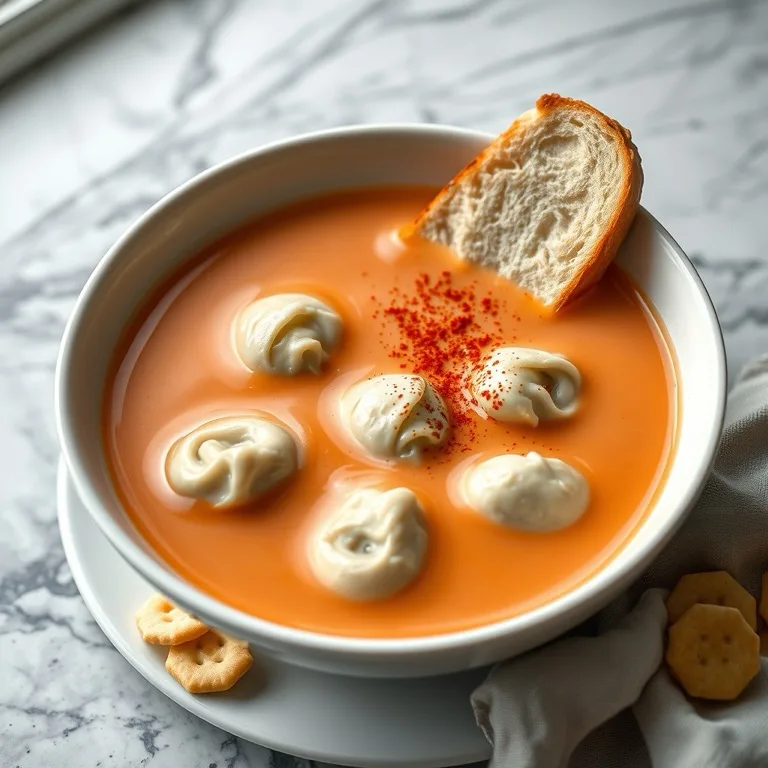
Lobster Newburg is traditionally served over buttered toast points — thick white bread, lightly toasted and cut into triangles. They are the most historically accurate base and soak up the cream sauce well. Short-grain or sticky rice is an excellent alternative and soaks up even more sauce, while a split, buttered, griddled brioche roll turns it into an indulgent lobster-roll riff. Avoid pasta here — the sauce is too delicate and rich to compete with flour-thickened noodles.

A green salad dressed simply with lemon juice and olive oil before or alongside cuts the richness of the cream without competing for attention. Champagne or a white Burgundy (Chablis premier cru, white Mâcon) are the classic pairings — acidity cleans the palate between bites.
🥗

Make It Healthier

Love Delmonico's Lobster Newburg but want a lighter version? Try these simple swaps:

  • ✓Replace half the lobster with large sea scallops (sear them separately in butter and add at the same stage) — scallops take to cream sauce in the same way at a fraction of the cost, and halving the lobster cuts the per-serving price by roughly 40 to 50%.
  • ✓Swap half the heavy cream (1/2 cup) for whole milk to reduce the fat by about 20g and the calories by roughly 120 per serving. The sauce will be slightly thinner but the egg-yolk liaison still provides a silky body.
  • ✓Use 2 egg yolks instead of 3 and whisk 1 teaspoon cornstarch into the cream before heating — the starch compensates for the missing yolk's thickening power at essentially zero extra fat or calories.
  • ✓Serve over roasted cauliflower florets (spread on a sheet pan, 425°F, 20 minutes) instead of buttered toast points — this removes about 30g of refined carbs and adds fiber without changing the flavor of the main event.

Frequently Asked Questions

What is the actual story behind the name change from Wenberg to Newburg?

Ben Wenburg was a sea captain who had made money in the Cuban fruit trade and was a regular at Delmonico's in the 1870s. In 1876 he brought in a recipe he claimed to have learned on his travels — lobster sautéed in butter, flambéed with cognac, enriched with cream, egg yolks, and cayenne. He demonstrated it tableside for Charles Delmonico and the chef, Charles Ranhofer. Ranhofer put it on the menu as 'Lobster à la Wenberg.' It became extremely fashionable. Then Wenburg had a very public argument at the restaurant — accounts vary on the exact nature of the incident, but it was embarrassing enough that Charles Delmonico had the dish removed from the menu as a rebuke. Patrons complained so loudly that Delmonico had to restore it, but he reversed the first three letters of Wenburg's name before putting it back: Wen became New. The dish has been Lobster Newburg (or Newberg — both spellings appear) ever since.

Should I use Madeira, sherry, or cognac — and what is the authentic choice?

The original Ranhofer recipe from 1894 specifies Madeira wine and cognac — Madeira to deglaze and provide the wine's nutty depth, cognac for the initial flambé. Over the following century, dry sherry largely replaced Madeira in American recipes because Madeira became harder to find; the flavor is similar but sherry is leaner and less oxidized. Most modern recipes default to dry sherry with a splash of cognac or brandy. The current Delmonico's preparation uses cognac as the primary spirit. For the most faithful result, use dry Madeira (Sercial or Verdelho, not sweet Malmsey or Bual) along with cognac. If you can only find sherry, use a dry one (Fino or Manzanilla) — the sweetness of a cream sherry will push the sauce toward dessert territory. Brandy is an acceptable substitute for cognac.

Can I use frozen lobster tails instead of live lobster?

Yes, and for a home kitchen frozen tails are actually more practical. Thaw them completely in the refrigerator overnight — 12 to 24 hours. Do not thaw at room temperature or under running water; both accelerate bacterial growth in shellfish. Once thawed, use kitchen shears to cut down the top shell lengthwise; pull the meat out in one piece and cut into 1.5-inch chunks. The flavor of frozen tails is measurably less complex than live Maine lobster, but the texture holds up well in cream sauce and the difference is less obvious than it would be if you were serving the lobster plain. If you can find fresh or live lobster at a reasonable price — particularly in summer when Maine lobster is in season — the dish rewards the upgrade.

How do I prevent the egg yolks from scrambling in the cream sauce?

The egg-yolk temper is the step that separates Lobster Newburg from an ordinary cream sauce, and it fails in one of three ways: adding the yolks to a pan that is too hot, adding them too fast, or letting the sauce boil after the yolks go in. The prevention is straightforward. First, use room-temperature yolks — cold yolks curdle faster when they hit hot liquid. Second, pull the pan off heat before you start tempering. Third, ladle the hot cream into the yolk bowl — not the other way around — adding about 1/4 cup at a time while whisking constantly. After 3 or 4 ladlefuls the yolks are warm enough to go back into the pan safely. Fourth, once the tempered mixture is back in the pan, cook over medium-low heat and use an instant-read thermometer: pull the sauce at exactly 140°F. Below that it is under-thickened; above that the yolks begin to tighten and the sauce breaks into a grainy, buttery mess. If you do not own a thermometer, watch for the sauce to coat the back of a spoon cleanly — run a finger through it and the line should hold. The moment that happens, remove from heat.

Can I make Lobster Newburg ahead for a dinner party?

In parts, yes. You can cook the lobster and make the cream sauce (before the egg yolks) up to 4 hours ahead; hold the sauce in a double boiler over barely simmering water, covered, at around 130°F. Do not add the egg yolks or the lobster until you are ready to serve. When guests sit down, heat the cream sauce gently until hot, temper in the egg yolks as directed, add the lobster, heat 1 minute, and serve. What you cannot do is make the fully assembled, egg-yolk-finished sauce more than 20 minutes ahead — the liaison does not hold well on the stovetop and reheating it risks breaking the sauce or overcooking the lobster.

What is the difference between Lobster Newburg and Lobster Thermidor?

Both are classic French-influenced preparations of lobster in cream sauce, but the techniques and flavor profiles are distinctly different. Lobster Newburg is a liaison sauce: cream thickened with egg yolks, spiked with cognac and Madeira, seasoned only with cayenne and a hint of nutmeg. There is no cheese, no mustard, no garlic. The result is pure and delicate — the lobster and cream dominate. Lobster Thermidor is a béchamel-based sauce with Dijon mustard, tarragon, and Gruyère, spooned back into the shell and finished under the broiler until golden and bubbling. It is more assertive — the mustard and browned cheese push forward — and the texture is stiffer. Newburg is a purer, richer, more restrained dish. Thermidor is more dramatic and forgiving. If you are cooking for someone who does not love the richness of a pure cream-egg liaison, Thermidor is the safer choice.

Does Delmonico's still serve Lobster Newburg, and is it the same as the original?

Yes, Delmonico's at 56 Beaver Street is open as of 2026 and Lobster Newberg remains on their menu at approximately $59 (listed as market price, which can fluctuate seasonally). The current preparation has evolved from Ranhofer's 1894 original: the signature version is now served with cognac, fresh tarragon, and lobster coral rather than the traditional toast points, and the restaurant also lists a Classic Lobster Newberg with Sauce à la Wenberg, American sturgeon caviar, and black truffle. The core of the dish — lobster in a cream sauce enriched with egg yolks, spiked with spirits, and spiced with cayenne — is unchanged. If you visit for reference, the Financial District location at the corner of Beaver and William Streets is the original building.

Why is it spelled both Newburg and Newberg in different recipes?

Both spellings appear in print going back to the 1880s and neither is definitively 'correct.' The name was coined by reversing the first three letters of Wenburg — whether that produces Newburg or Newberg depends on where you stop counting letters. The dish appears as Lobster Newberg in most academic culinary references (including Ranhofer's The Epicurean and the current Delmonico's menu) and as Lobster Newburg on the majority of American restaurant menus and cookbooks published after World War I. Functionally, both spellings refer to the same dish and the same preparation; the variation is purely typographic convention.

Love this recipe? Share it!

Free PDF: our 12 most-wanted copycat recipes — instant download.

Made it? Buy us a coffee

Every recipe here is free, with no paywalls. If this one was a hit at your table, a small tip keeps new copycats coming.

$

Delmonico's is a trademark of its owner, used here only to describe the dish this recipe recreates. This is an independent copycat written in our own words — Copycat Spices is not affiliated with, endorsed by or sponsored by Delmonico's.

Ratings & Reviews

—
No ratings yet

Rate this recipe

Click a star to rate

Leave a Review

0/500

CS

Copycat Spices Editorial

Researched + fact-checked. Every recipe on Copycat Spices is built from published sources — official ingredient lists, brand-published recipes, interviews and food-science references — and fact-checked before it goes live, then written as clear, step-by-step instructions for home cooks of all skill levels.

Learn more about our mission →