


Copycat Grand Central Oyster Bar Pan Roast
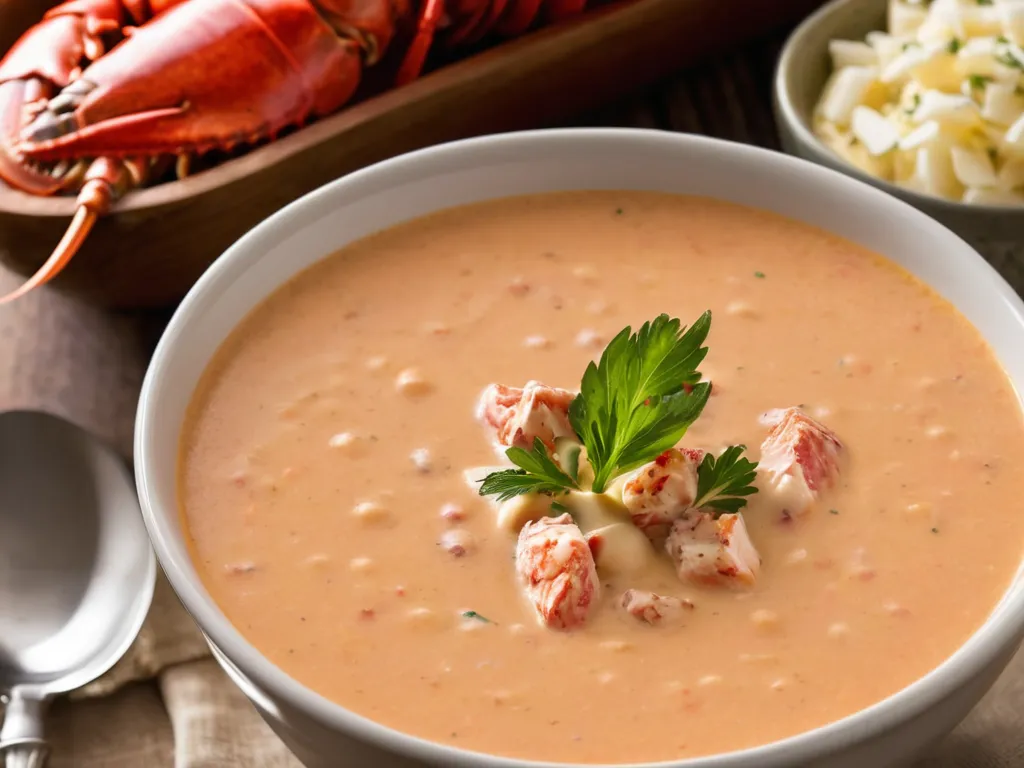
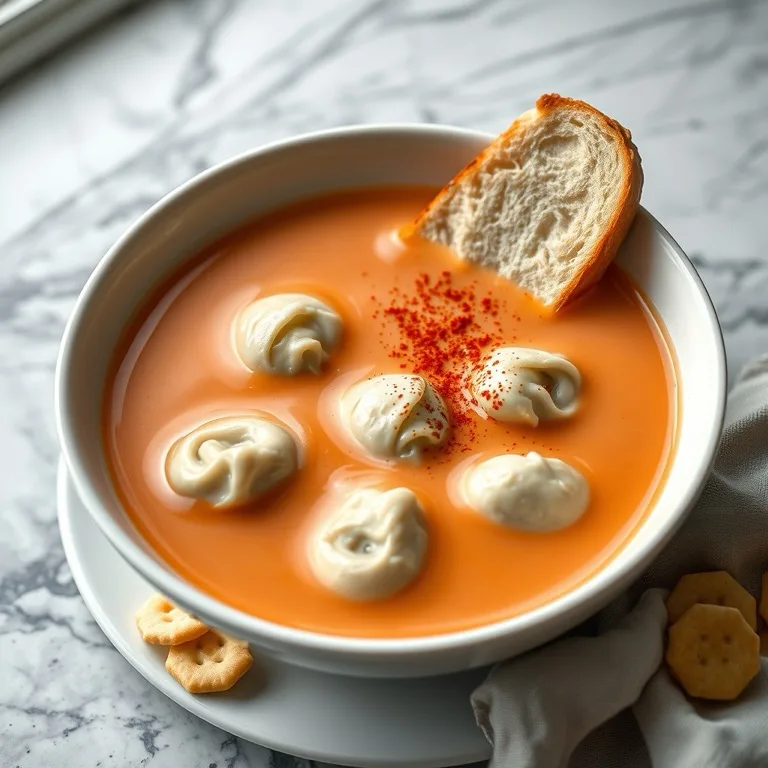
The Grand Central Oyster Bar pan roast is one of the most copied and most misunderstood dishes in New York. People describe it as a cream soup, a thick stew, a shellfish bisque — it is none of these. It is a light, drinkable broth: thin enough to lift the bowl and drink when the oysters are gone. The broth is the color of a sunset — a warm pink-orange from the Heinz Chili Sauce — and savory in a way that is hard to place at first: briny, slightly tangy, with a deep Worcestershire undercurrent and the particular sweetness of good fresh oysters.
It has been made the same way in the same place since 1913.
Three Things Most Copycat Recipes Get Wrong
1. The chili sauce. The original recipe, published by the restaurant’s longtime owner Jerry Brody, calls for 1 tablespoon of chili sauce per serving. This is Heinz Chili Sauce — a mild, sweet-tangy, tomato-based condiment sold on the ketchup aisle of most American supermarkets. It is not sriracha. It is not Thai sweet chili sauce. It is not ketchup. The distinction is critical: Heinz Chili Sauce gives the pan roast its signature color and a quiet tomato depth. Sriracha sits on top of the flavor and burns rather than integrates. Ketchup is flat and too sweet. Many people try the recipe with these substitutes, wonder why it tastes like dressed-up oyster stew, and assume they did something else wrong.
2. Heavy cream. The Grand Central pan roast is a thin, drinkable broth. The restaurant uses half-and-half, heated gently to just below a simmer. Recipes that call for heavy cream produce a different dish — thick, coating, and rich enough to be filling after the first few spoonfuls. The half-and-half stays fluid, carries the flavors of the chili sauce and oyster liquor without muffling them, and is far easier to manage over gentle heat without curdling or separating.
3. Overcooking the oysters. The restaurant makes every pan roast in a tilting steam kettle — a commercial appliance with gentle, perfectly even indirect heat. At that temperature, oysters are done in under 60 seconds. Their edges curl; the center is barely set; the texture is silky. Home recipes that say to cook until “fully opaque” or for 3 to 5 minutes produce rubbery, shrunken, overcooked shellfish. The oyster window is 30 to 45 seconds from when the broth becomes hot enough to cook them. Beyond that, they tighten.
The Double Boiler Technique
The tilting steam kettle at Grand Central heats the kettle walls with steam from the outside — there is no direct flame and no hot spots. A double boiler is the home approximation: a heatproof bowl or smaller pan set over simmering water, heated indirectly. It is slower than a direct burner, but it produces the result the dish is designed for: broth that never scorches, half-and-half that never curdles, and oysters that cook in the heat of the liquid rather than over a flame.
If you use a direct burner instead, use the lowest possible setting and stir constantly. The broth should steam, not boil.
The Toast Is Not Optional
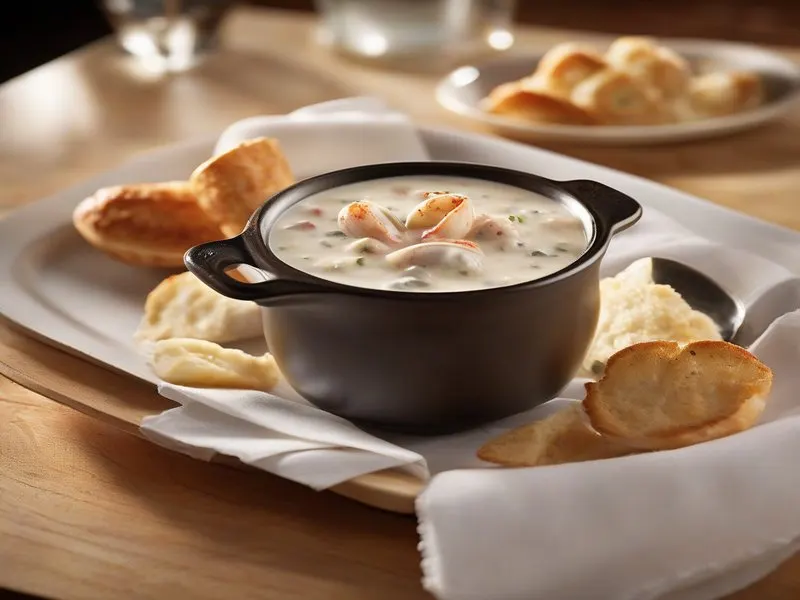
Every pan roast at Grand Central comes over a slice of white toast. The toast is placed in the bowl first, then the oysters on top, then the hot broth poured over until the bowl is nearly full. By the time you have eaten the oysters, the bottom portion of the toast has absorbed the broth and softened into something between a savory bread pudding and a thick porridge. Regulars call this the best part. Without the toast, the last third of the bowl is a cup of warm broth. With it, the dish changes texture as you eat through it — from thin broth on top to soft oyster in the middle to the sodden, savory toast below.
Shellfish Options
The menu lists oyster, clam, shrimp, lobster, and combination pan roasts — the base is identical for all. A combination of oysters, clams, and shrimp (three or four of each per serving) is what many regulars order. Shrimp take about 2 minutes rather than 30 seconds; add them earlier in the half-and-half step. Lobster meat should go in last, just to warm through — 30 seconds maximum.