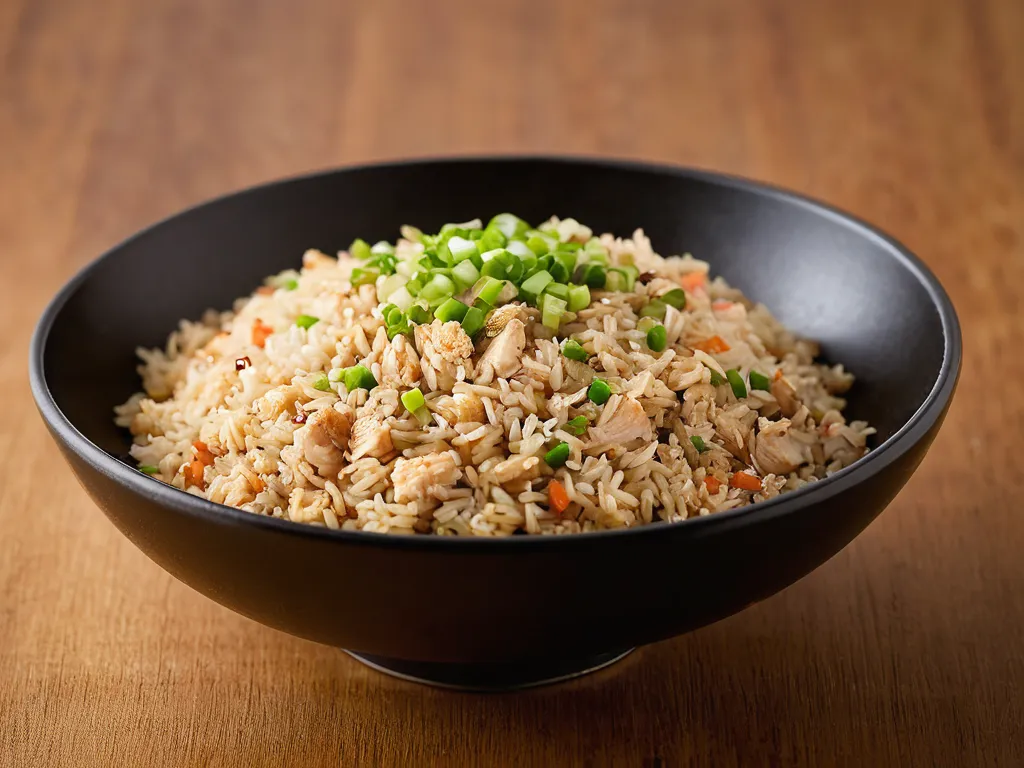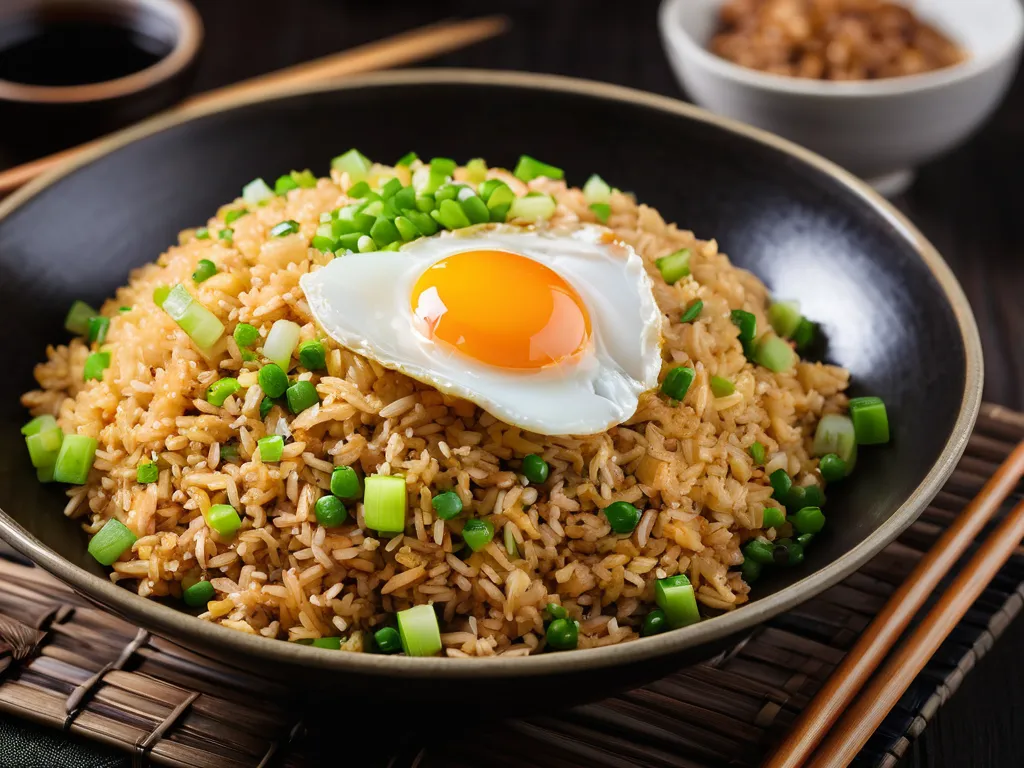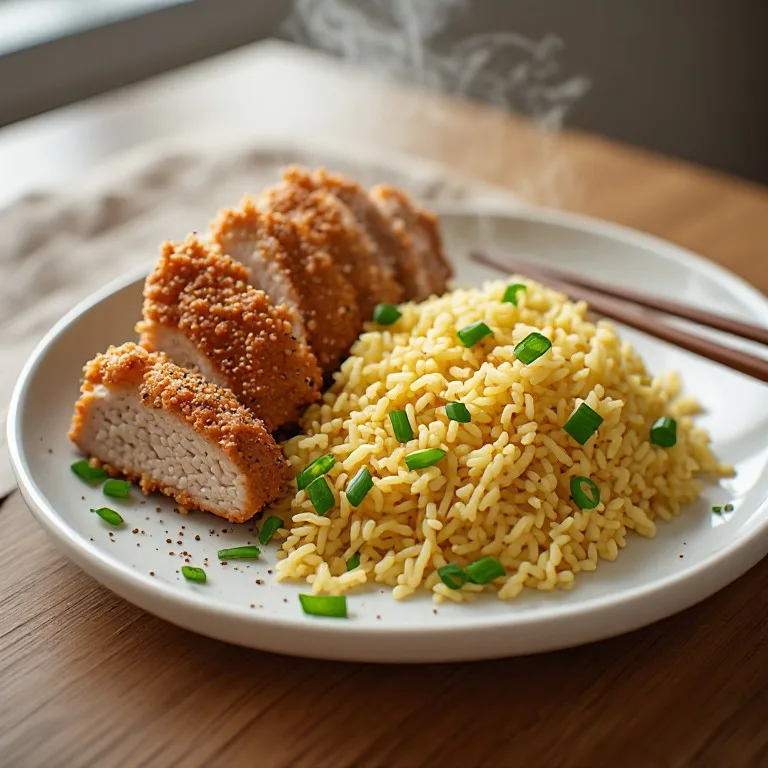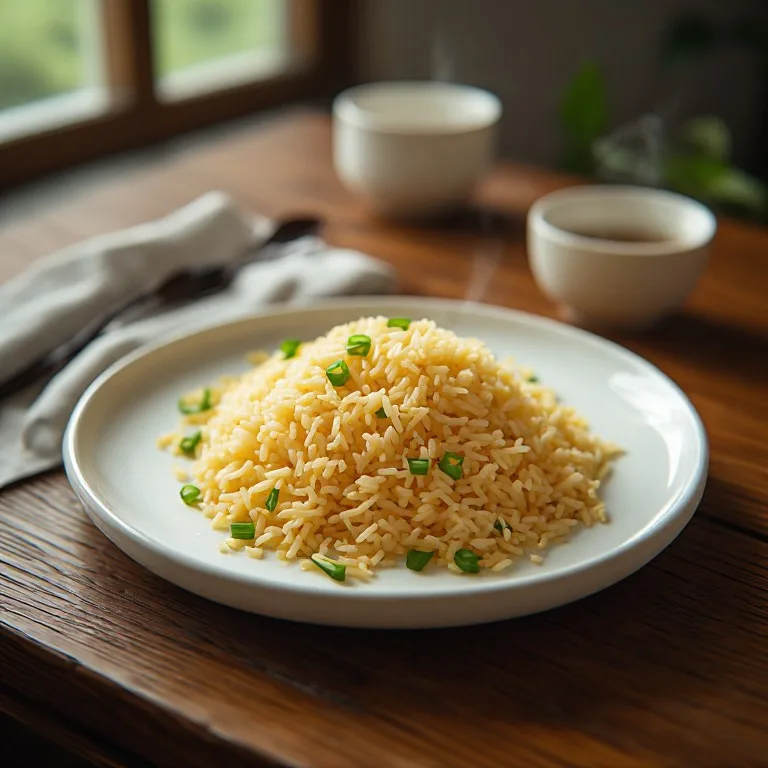


Din Tai Fung’s fried rice costs about $14 to $18 at most locations and arrives looking distinctly different from every other fried rice you have eaten: pale yellow, not brown; individual grains that are separate and lightly crisp at the edges; no chunks of scrambled egg visible anywhere. Most people assume this comes from a commercial wok burner running at 150,000 BTU that no home stove can match. The wok helps, but it is not the reason. The reason is an egg technique that almost no home cook uses — and that most copycat guides online describe incorrectly.
The egg-coating technique
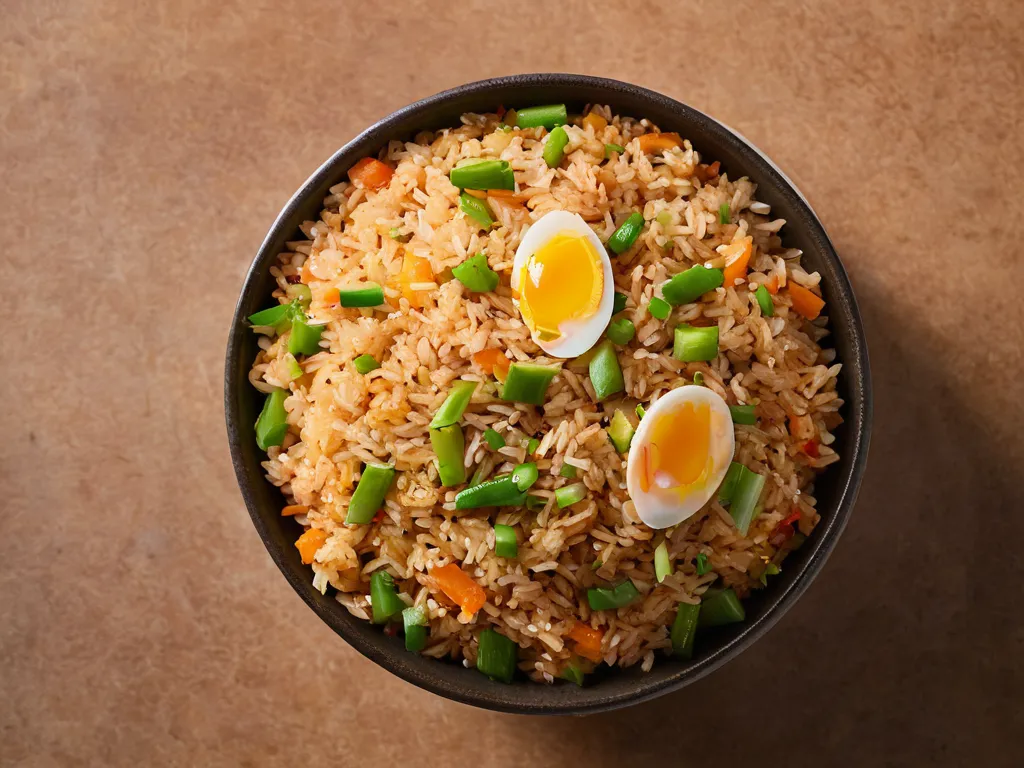
In standard fried rice recipes, eggs are scrambled in the pan first, pushed to one side, and rice is added to the other side before everything is mixed together. This produces visible egg pieces dispersed through the rice — a perfectly good dish, just not DTF’s dish.
Din Tai Fung’s method is different. Whole unbeaten eggs go into hot oil. A spatula or chopsticks break up the yolks and move the eggs for 3 to 5 seconds — no longer. At that point the eggs are maybe 20 to 30 percent set: the whites are beginning to opacify but the mixture is still mostly liquid. Cold rice goes in immediately. As you toss the rice against the hot pan in the next 60 to 90 seconds, the semi-liquid egg wraps around each individual grain instead of forming curds or chunks. The result is that the rice itself turns pale golden-yellow — each grain coated — rather than brown rice with egg mixed in.
The timing is the entire technique. Three seconds too long and the eggs set into solid pieces before the rice goes in. Too short and there is not enough coagulation for the egg to adhere to the rice on tossing. The 3-to-5-second window is real.
Why day-old cold rice is non-negotiable
Freshly cooked rice carries surface moisture that turns to steam in a hot pan. That steam creates a humid environment that prevents the egg from adhering, prevents the grains from crisping, and causes the rice to clump. Refrigerating overnight allows that surface moisture to evaporate and causes starch retrogradation — the starch crystallizes as it cools, making the grains firm, non-sticky, and capable of taking on high heat without softening into paste.
If you refrigerate the rice uncovered (rather than wrapped), it dries out more completely. The grains should feel slightly hard and separate before you cook them. Break up any cold clumps with your fingers before the pan gets hot — you will not have time to do this once the egg is in.
Wok-hei at home
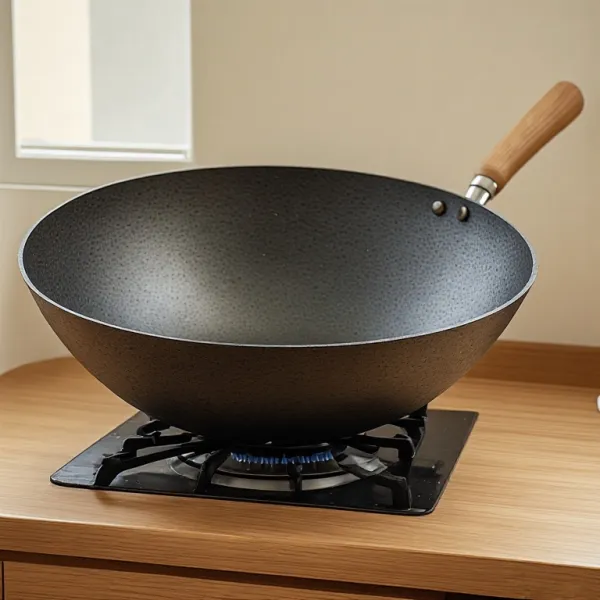
Wok-hei — the “breath of the wok,” the faintly smoky, almost caramelized flavor that characterizes restaurant wok cooking — requires heat levels that most home stoves cannot reach. A commercial wok burner running at 100,000 to 150,000 BTU is producing about 30 to 50 times the output of a standard home burner. You cannot fully replicate wok-hei at home.
What you can do: preheat the heaviest pan you have (cast iron is best, a thick carbon steel wok second, a nonstick last and least) over the highest heat your stove offers for at least 2 minutes before adding oil. Do not crowd the pan — cook no more than 2 cups of cooked rice at a time. Work fast once the egg goes in. These steps narrow the gap significantly, and the DTF egg-coating technique produces a recognizable result even without true wok-hei.
The simplicity of the seasoning
DTF’s fried rice is not heavily sauced. The flavor comes primarily from the egg, the jasmine rice’s floral aroma, and white pepper — not from a complex sauce. The light soy sauce adds salt and a mild savory depth; the white pepper adds a sharp, clean heat that black pepper cannot substitute (white pepper has a different chemical profile, more floral and sharp, less woody). MSG, if you use it, rounds out the savory quality without adding more salt. The scallions go in last, off heat, to stay bright and slightly raw.
That restraint is intentional. DTF’s fried rice is a supporting dish designed to complement their dumplings and cucumbers, not a starred main. The pale, clean flavor is the point.