

Copycat Din Tai Fung Soup Dumplings (Xiaolongbao, Made at Home)
Prep time: 2 hours 30 minutes (includes aspic setting time) Cook time: 8 minutes Servings: About 24 dumplings (4 servings)
Din Tai Fung started as a cooking oil shop in Taipei in 1958. Yang Bing-Yi and his wife Lai Pen-Mei ran a retail business on Xinyi Road, selling cooking oil. The name is a portmanteau: “Din” from the Din Mei oil company that supplied them, and “Tai Fung” from Heng Tai Fung, the firm where Yang had previously worked. By 1972, canned and bottled oil had upended their trade and the shop was failing. They cleared half the shelves, installed a few tables, and began selling handmade xiao long bao and noodles on the side.
The pivot saved the company. In 1993, the New York Times named Din Tai Fung one of the 10 best restaurants in the world. The Hong Kong branch has held a Michelin star across multiple years. The first US location opened in Arcadia, California in March 2000. Yang Bing-Yi died in March 2023, at age 96, having watched those original tables expand into a chain operating in more than a dozen countries.
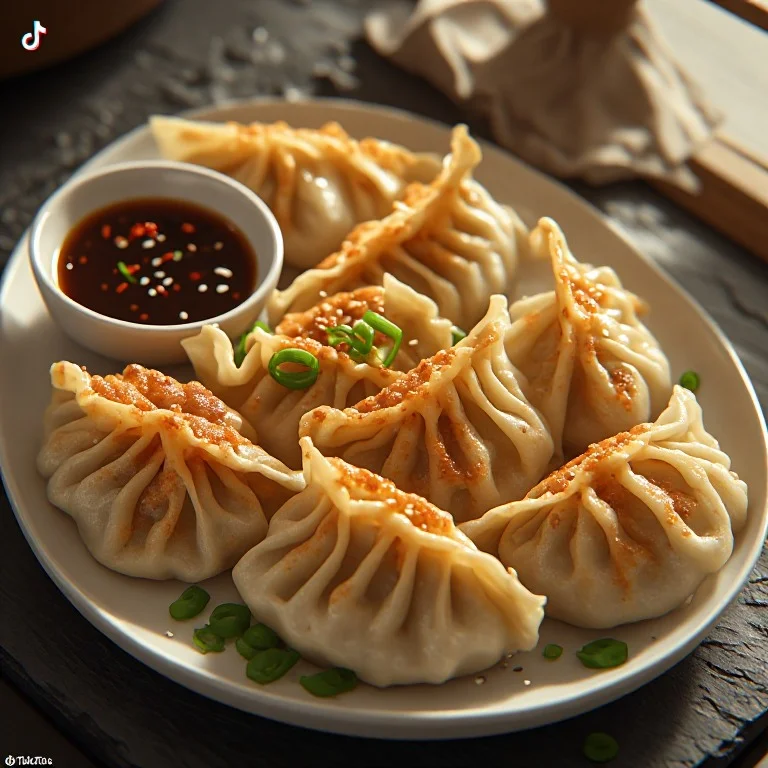
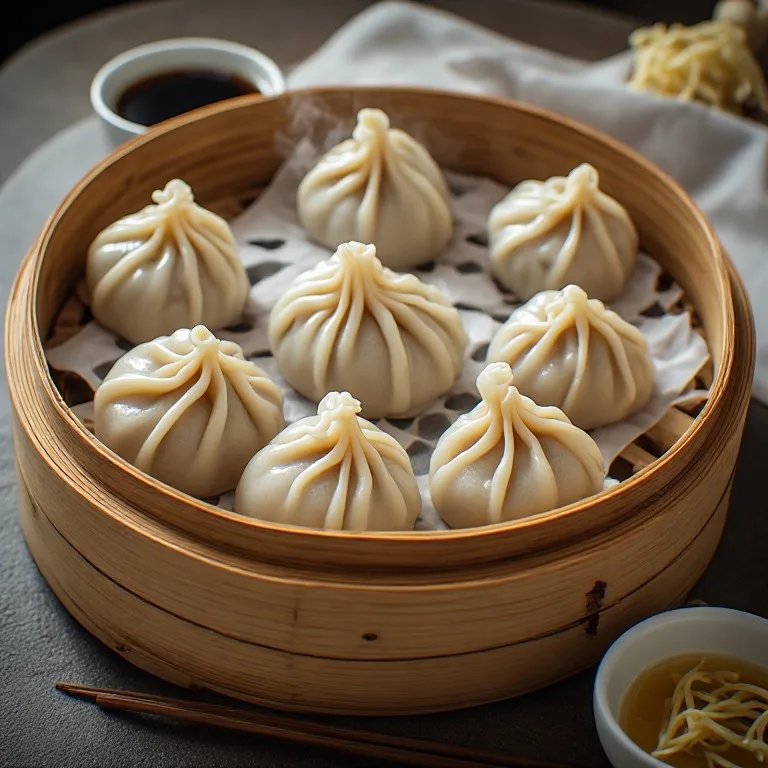
The xiao long bao is Din Tai Fung’s signature. Every dumpling is weighed: 5 grams of wrapper, 16 grams of filling, 21 grams total. Every dumpling is folded into exactly 18 pleats. Each is inspected before leaving the kitchen. A skilled DTF chef completes one in about 8 seconds.
You will not hit their standard on your first try. But you will understand how the soup gets inside — which most people who eat there do not know — and you will produce soup dumplings that are genuinely excellent.
The Aspic Secret — How the Soup Actually Gets Inside
This is the thing that surprises most people who make soup dumplings for the first time: the soup does not go in as liquid. You cannot pour hot broth into raw dumpling dough — the wrapper would dissolve, the filling would float, and you would have a wet mess impossible to pleat.
Instead, you cook a collagen-rich stock, chill it until it sets solid, cut it into small cubes, and fold those cubes into the raw pork filling. At refrigerator temperature, the aspic holds its shape like firm gelatin and mixes into the meat like any other solid ingredient.
When the sealed dumpling hits steam at high heat, two things happen simultaneously: the pork cooks, and the gelatin melts back into hot liquid. Because the wrapper is sealed with 18 tight pleats, the liquid has nowhere to go. It collects at the bottom of the dumpling as a small pool of intensely flavored broth. Lifting the dumpling releases it — which is why you set it on a spoon first and nibble a hole before biting.
Traditional aspic is made from simmering pork bones and skin for hours, which extracts natural collagen that gels on its own when chilled. The shortcut uses unflavored gelatin powder dissolved in good chicken broth — it works well and is how most home cooks produce their first successful batch.
Hot Water Dough: Why the Wrapper Works
Standard all-purpose flour mixed with cold water produces a tough, elastic dough that fights back when you roll it thin — it keeps springing back to its original thickness and tears under the stress of pleating. This is the right dough for potstickers or pierogi, where you want a chewier, more resilient wrapper.
Xiaolongbao requires a different dough. When you pour near-boiling water into flour, the heat gelatinizes a portion of the starch granules — the same way cornstarch thickens a sauce. These gelatinized starches make the dough soft, smooth, and much more pliable at room temperature. The result rolls thinner without tearing and stretches to accommodate pleating without splitting at the folds.
The target is a wrapper approximately 1 to 1.5mm thick and about 3 inches in diameter. Held up to light, it should be slightly translucent. You should be able to see your hand through it faintly. At this thickness, the wrapper is strong enough to hold steaming pressure for 8 minutes without splitting, while being thin enough that it does not overwhelm the filling and soup.
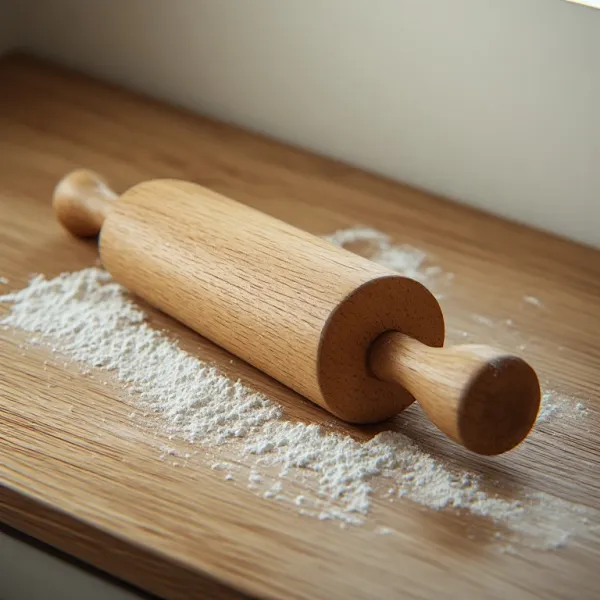
The 30-minute rest is not optional. It relaxes the gluten that forms during kneading, making the dough cooperate when rolled. Skipping it means fighting a dough that springs back to half its thickness with every pass of the rolling pin.
The 18 Pleats (And What to Aim For at Home)
Din Tai Fung’s kitchen counts the pleats on every dumpling. Eighteen is the standard — each pleat equal in depth and spacing, gathered into a tight top knot that seals without a gap. Their chefs fold instinctively, in 8 seconds per dumpling, without looking at their hands.
The first time you pleat a soup dumpling, budget about 90 seconds per dumpling and expect something between 10 and 14 pleats. This is fine. What matters is not the count but the seal. A fully closed 12-pleat dumpling is superior to a partially-open 18-pleat one.
The mechanics: hold the wrapper in your non-dominant hand, slightly cupped. Add filling and aspic. With your dominant hand, pinch one edge of the wrapper up. Using the thumb and index finger of your non-dominant hand, fold a small pleat in the wrapper against your pinch, then hold. Repeat — pleat and press, pleat and press — rotating the dumpling slightly with each fold until you have circled the perimeter. The last pleats gather together at the center top. Press and twist firmly to close.
Work cold. The aspic cubes soften within about 10 to 15 minutes at room temperature. Set up your assembly station before pulling the filling from the refrigerator, and return assembled dumplings to a floured, parchment-lined tray in the refrigerator between batches.
The 5-Step Eating Method (Official DTF Instructions)
Din Tai Fung published their correct technique, and the reason behind each step makes sense once you have bitten into a dumpling wrong and had scalding pork broth hit your chin.
- Prepare the dipping sauce. Black vinegar, light soy sauce (3:1 ratio), ginger matchsticks. The vinegar cuts the richness of the pork and provides acid contrast. The ginger adds bite and aroma. Soy gives salt and umami depth.
- Lift the dumpling by its pleated top. Not by the side. The top knot is the strongest point of the dumpling. Use chopsticks and be gentle — the filled, steamed wrapper is delicate.
- Transfer to a ceramic soup spoon. The spoon catches the broth when you open the dumpling and keeps it from burning you or landing on the tablecloth.
- Nibble a small hole at the side of the wrapper. Not the top, which is thicker and chewier where the pleats are gathered. The side wall of the wrapper is thin. Nibble a hole the size of a pea. Let the broth drain into the spoon.
- Drink the broth from the spoon. Then eat the rest of the dumpling with some ginger from the sauce. The dumpling should be eaten in one bite if possible — it is sized for this.
The broth is the most concentrated flavor in the dumpling. Do not skip drinking it before eating the wrapper and filling.
DTF vs. Home: What the Numbers Look Like
| Din Tai Fung (US) | Homemade (24 dumplings) | |
|---|---|---|
| Price | Under $10 total (~$0.42/dumpling) | |
| Wait time | 30–90 min queue + seating | 2.5 hrs (mostly inactive) |
| Wrapper thickness | ~1mm, hand-rolled | ~1–1.5mm, hand-rolled |
| Pleat count | 18 (standard) | 12–15 (home target) |
| Dumpling weight | 21g (5g wrapper, 16g filling) | Approximately matched by weight |
| Aspic method | Traditional pork skin gelatin | Gelatin powder + broth shortcut |
The DTF queue at the Seattle University Village, NYC Hudson Yards, or LA Century City locations regularly runs 45 to 90 minutes before you are seated. Your total active hands-on time making these at home is about 45 minutes — the rest is the gelatin setting in the refrigerator and the dough resting. The project takes an afternoon, not a day.
Internal Links to More Asian Recipes
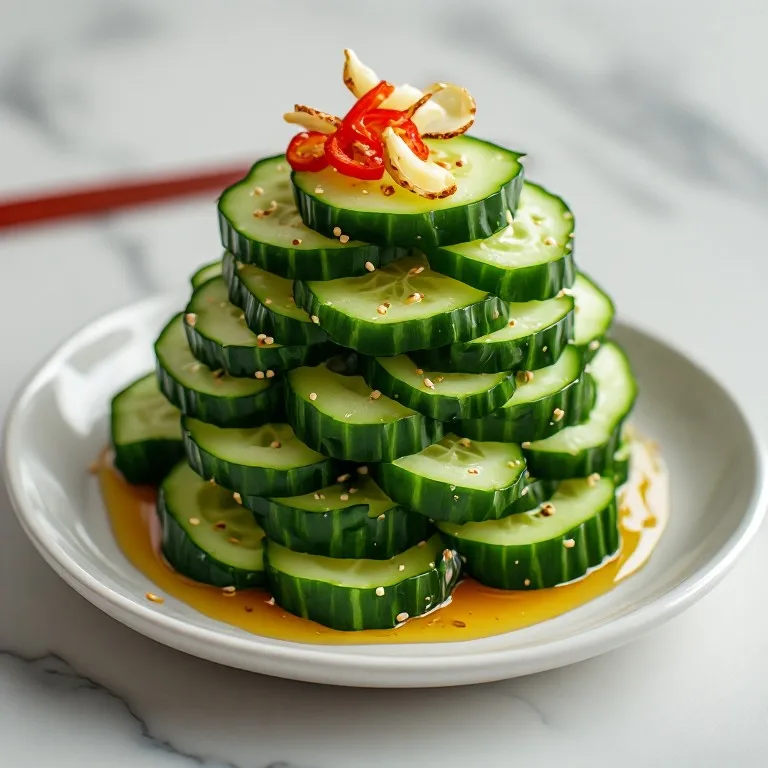
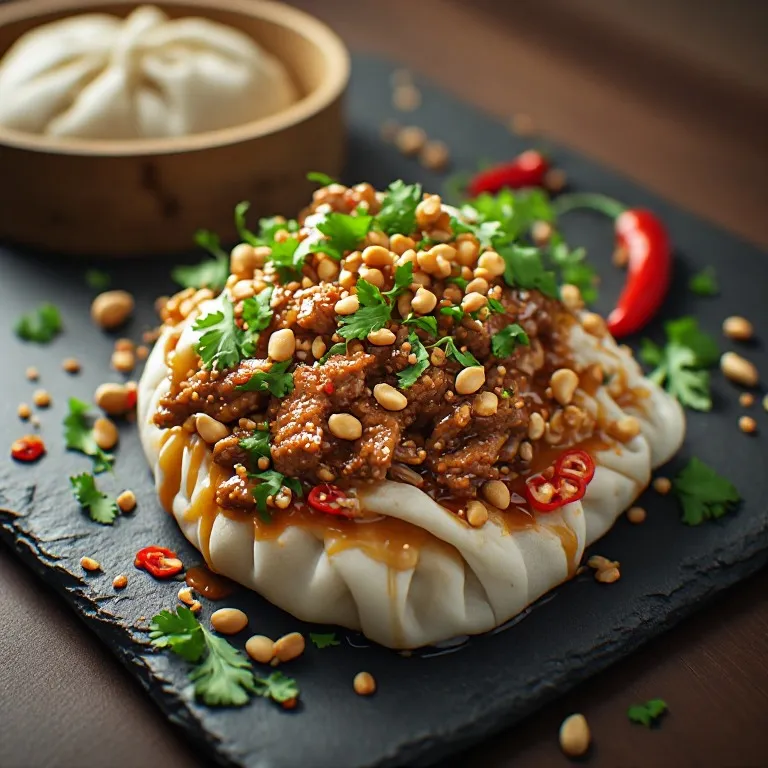
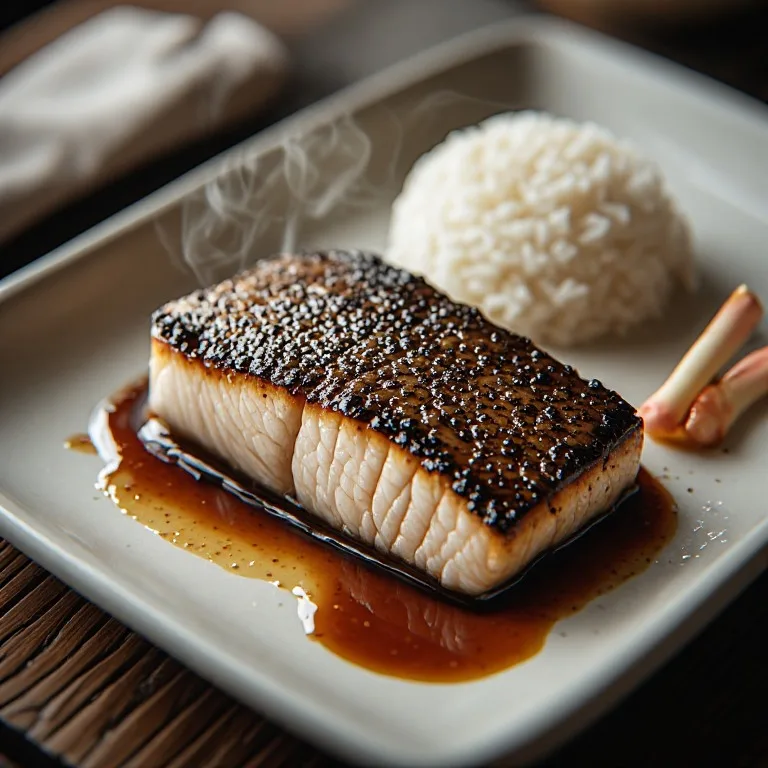
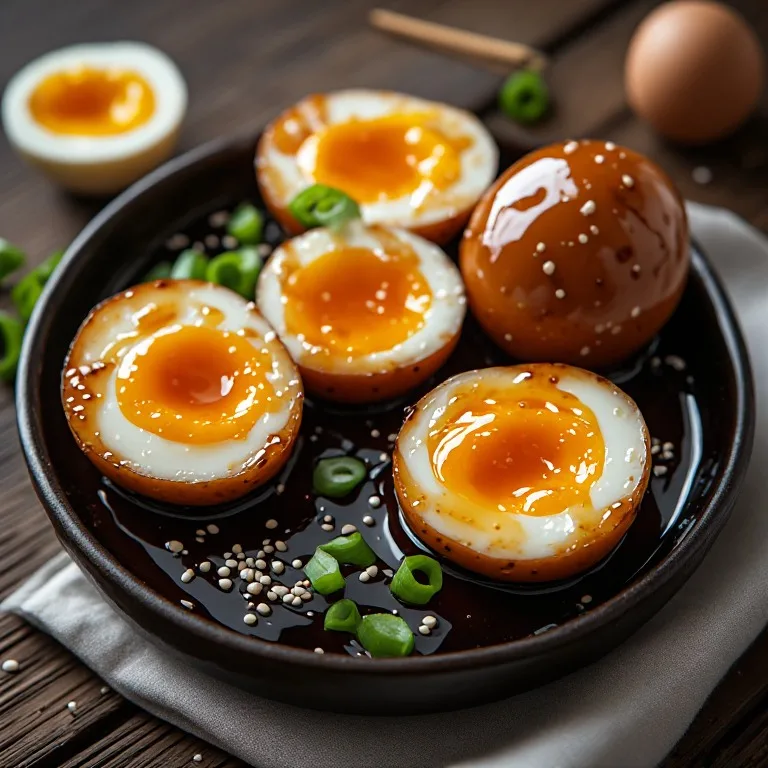
The cucumber salad is Din Tai Fung’s other iconic starter — the DTF cucumber salad recipe uses the same salt-drain technique on Persian cucumbers and comes together in 45 minutes. For another famous steamed bao, see the gua bao (Taiwanese pork belly buns). For more restaurant-grade Asian techniques, Nobu’s black cod miso and Momofuku soy sauce eggs follow similar precision-over-shortcut principles.