

Pin It

Fogo de Chão Picanha (Brazilian Rock Salt Sirloin at Home)

Fogo de Chão Picanha (Brazilian Rock Salt Sirloin at Home)
Jump to Recipe
Prep 20 min (plus 30 min salting rest) Cook 18 min Serves 4
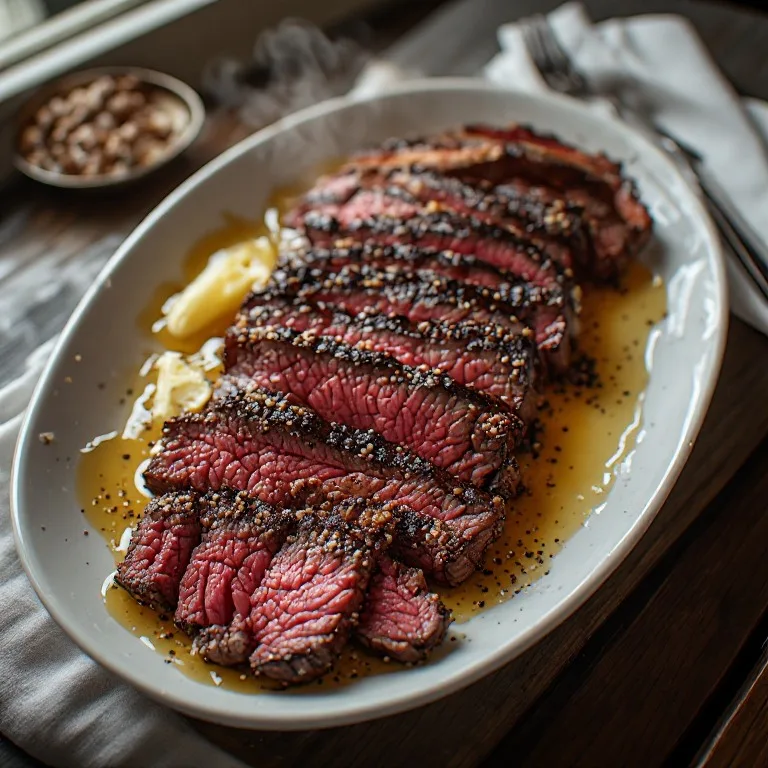
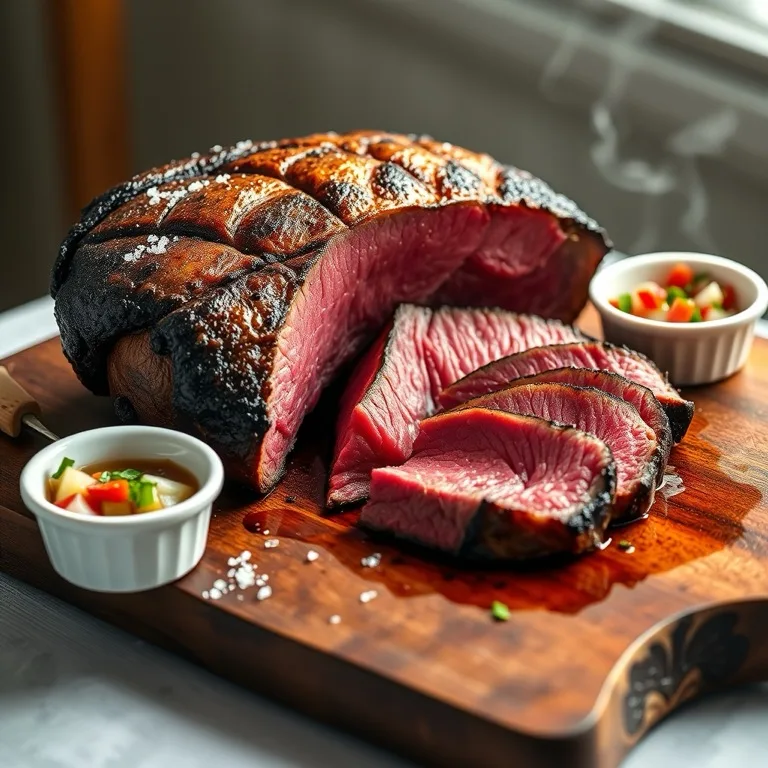
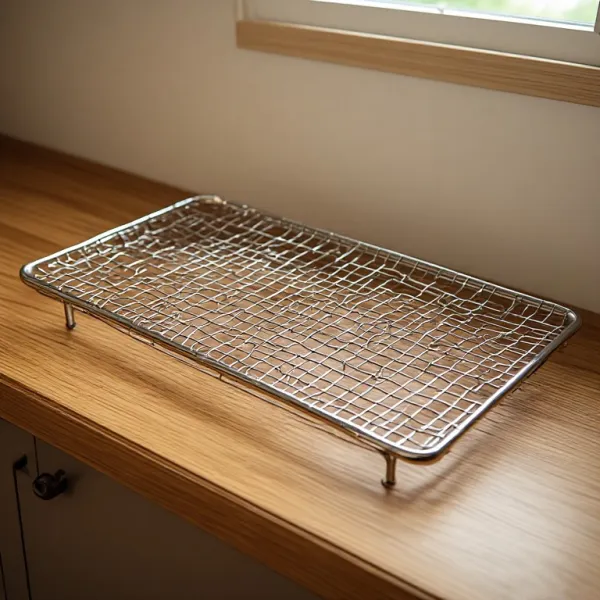
Quick answer: Fogo de Chão's picanha is top sirloin cap (also called culotte or rump cap) grilled with its fat cap intact after pressing with rock salt. Cut the picanha into 3–4 thick steaks crosswise (against the grain of the fat cap but with the grain of the muscle — reverse of how you'd normally cut). Score the fat cap in a crosshatch (1/4 inch deep, 1 inch apart). Press kosher salt generously onto all surfaces — especially the fat cap — and let it rest uncovered on a rack for 30 minutes. Grill over the hottest fire you can build: start fat-cap-down over direct heat for 3–4 minutes to render and char, then flip and cook 4–5 minutes per side to medium-rare (130°F internal). Rest 8 minutes, then slice thin, across the grain. The fat cap is the whole point — do not trim it. Serve with molho campanha (diced tomato, onion, bell pepper, parsley, olive oil, and red wine vinegar).

Shop the tools

Gear matched to this recipe. These are Amazon affiliate links — we may earn a small commission if you buy, at no extra cost to you.

As an Amazon Associate, Copycat Spices earns from qualifying purchases. Product images are generic illustrations, not the exact item listed.

Fogo de Chão Picanha (Brazilian Rock Salt Sirloin at Home)

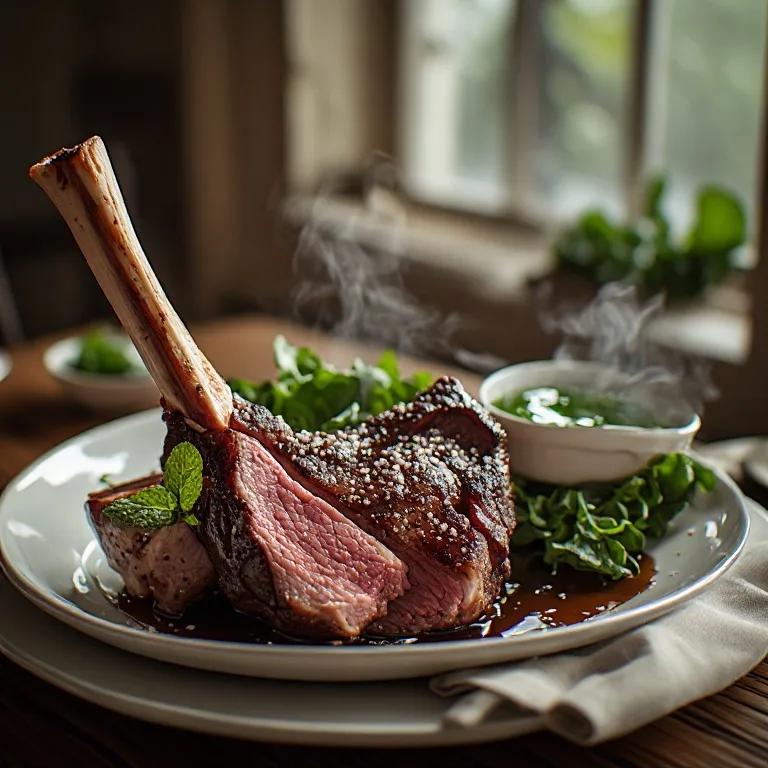
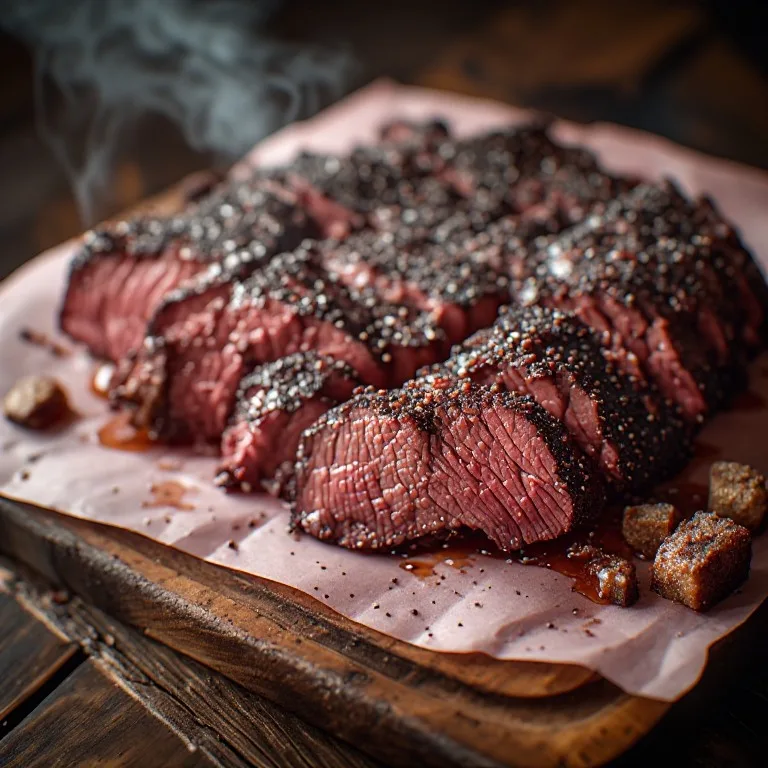
The famous Fogo de Chão picanha at home: top sirloin cap with its fat cap intact, pressed with rock salt and grilled over high heat until the outside is mahogany and the inside is rose-pink. About $14 per person versus $65–95 at the restaurant.

Medium Prep: 20 min (plus 30 min salting rest) Cook: 18 min Total: 38 min4 servings ~$4.50/serving
Prep20 min (plus 30 min salting rest)
Cook18 min
Total38 min
Servings
4
At home~$4.50/serving
vs
Restaurant~$20.25/serving
You save ~78%

The Story Behind the Recipe

The Coser brothers — Arri, Jair, Albair, and Jorge — opened Fogo de Chão in Porto Alegre, Rio Grande do Sul, in 1979, drawing on the gaucho ranching tradition of southern Brazil where whole beef cuts are cooked over open fire on long metal skewers called espetos. They brought the concept to the United States in 1997 with a Dallas location, and it spread to 70+ locations in the U.S., Brazil, and beyond. The dining experience is a parade: gauchos in traditional baggy pants move through the dining room carrying skewers of 15 different cuts, slicing portions tableside until guests flip their token from green to red. Dinner runs $65–95 per person before drinks. The picanha is the only cut where regulars specifically ask the gaucho to stop and carve.

Picanha (pronounced pee-KAHN-yah) is the top sirloin cap, a triangular muscle that sits above the rump with a thick crescent of fat on one side. In the United States this fat cap is almost always trimmed off before the cut reaches the meat case — which is why American cooks have never understood what they were missing. The fat cap is not cosmetic: it renders during cooking and continuously bastes the muscle from above, keeping the lean interior moist while the exterior chars. Brazilian churrascaria cooks press rock salt directly into the fat cap and the cut surfaces before grilling — the large salt crystals draw a thin film of moisture to the surface, which evaporates quickly in the heat and creates a mahogany crust. Most of the salt is brushed off or falls away before serving; the steak tastes seasoned, not salty. Getting picanha with the fat cap intact is the entire challenge of making this at home — call ahead to a butcher, or order online from a Brazilian or Argentine specialty butcher.

Nutrition Facts

Per serving (4 servings)
Calories460
Total Fat33g
Total Carbs3g
Dietary Fiber1g
Sugars2g
Protein38g
Sodium680mg

* Estimated values based on standard recipe preparation. Actual values may vary.

Ingredients

  • Picanha
  • Molho Campanha (Brazilian Vinaigrette)

Instructions

💡
Pro tip: This recipe tastes even better the next day. The flavors need time to meld together in the fridge.
❄️
Storage: Keeps in an airtight container in the fridge for up to 2 weeks. Freezer-friendly for up to 3 months.
🎃 Free Halloween cookbook — download now The Copycat Halloween Cookbook A ready-made, photo-illustrated PDF of our best halloween copycat recipes — free to download, no building required. Pay what you want to support if you love it.

Free PDF — instant download. We'll also send new seasonal copycat recipes now and then; unsubscribe anytime. Or just download it →

What Makes Fogo de Chão’s Picanha Different

At Fogo de Chão, the picanha arrives on a long curved espeto skewer carried by a gaucho who stops at your table, positions the skewer over your plate, and uses a long knife to shave thin slices directly from the grilled meat. The cut has just been removed from the churrasqueira — a custom wood-fire grill burning Brazilian hardwood charcoal at temperatures that exceed most American grills. The fat cap faces outward on the skewer, scorched and crackling; the interior of each folded piece is rose-pink.

The reason this tastes different from every American steakhouse experience is the fat cap. American butchers trim it. Brazilian churrascaria cooks treat it as non-negotiable. During grilling, the fat renders slowly, dripping down over the muscle and keeping it basted from outside. By the time the interior reaches 130°F, the fat cap has partially crisped into something between crackling and a seared crust, and the meat beneath it has absorbed rendered beef fat in a way that a trimmed steak simply cannot replicate.

The Two Things That Actually Matter

Get picanha with the fat cap intact. This requires calling ahead to a butcher. Brazilian markets, Latin American specialty butchers, and whole-animal operations that buy full primals are your best options. If you ask for “top sirloin” or “coulotte” at a standard supermarket, the fat cap will be gone. Specify: “top sirloin cap, fat cap on, at least half an inch of fat.”

Don’t rush the fat cap. Start the steaks fat-cap-down over direct high heat and leave them for the full 3–4 minutes. The rendering takes time — you want the fat to go from white and waxy to golden and crackling before you flip. If you rush this step, the fat cap stays soft and greasy rather than crisping. The flare-ups from dripping fat are normal and correct; brief ones create the char that makes the crust.

What to Serve With It

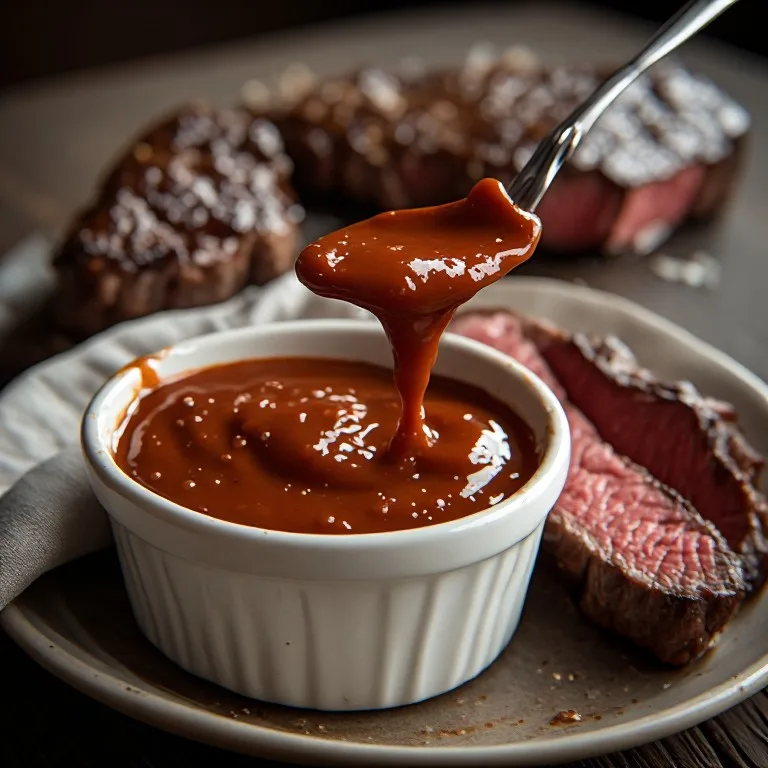
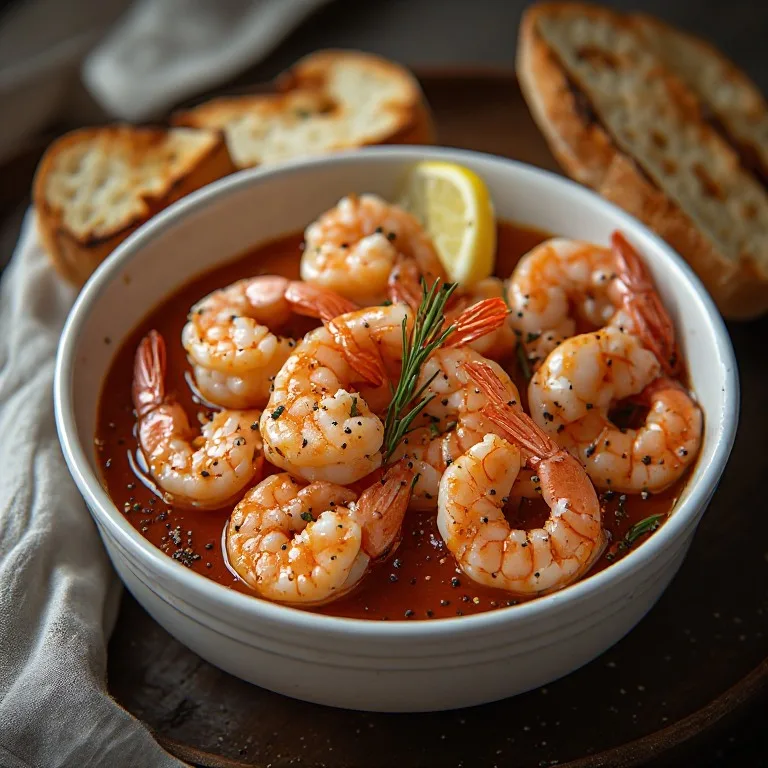
Picanha is rich, so the plate wants acid and freshness alongside it. The molho campanha in this recipe does most of that work, but a churrasco spread traditionally rounds it out with white rice, black beans, farofa (toasted cassava flour), and a simple tomato-and-onion salad. If you want a steakhouse sauce on the table too, the tangy Peter Luger steak sauce plays well with grilled beef, and for a bigger surf-and-turf spread the Ruth’s Chris New Orleans BBQ shrimp makes a rich appetizer. If picanha is out of reach at your butcher, the Keens Steakhouse mutton chop is another fat-forward, high-heat cut worth learning.
Frequently Asked Questions

What cut of beef is picanha and where do I find it?

Picanha is the top sirloin cap, also called rump cap, coulotte, or NAMP 184C. It is a crescent-shaped muscle that sits directly above the rump. The entire cut weighs 1.5–2.5 lbs and is bounded on one side by a continuous fat cap that should be at least 1/2 inch thick. In the United States, most commercial butchers trim this fat cap entirely before selling the cut as a 'top sirloin roast' or break it into individual steaks with no fat. To get picanha intact, call ahead to a Brazilian market, an Argentine or Latin-American butcher, or a whole-animal butcher and ask specifically for 'picanha with fat cap' or 'top sirloin cap, fat cap on.' Online sources like LaBella Brazilian Meats, Gaucho Ranch, or Snake River Farms sometimes carry it. If your butcher says they don't have it, they may have the whole top sirloin primal (NAMP 184) and can cut the cap off the top for you.

Should I cook picanha with or against the grain?

Picanha is unusual: you cut it into steaks with the grain (so each steak has a parallel-running muscle fiber through its center) but you slice it for serving against the grain (so each bite crosses the fibers and feels tender). This is the opposite of most steak advice. The reason is that the fat cap runs across the grain of the muscle — if you cut the steaks against the grain you get very thin steaks that have no fat-cap coverage per portion. Thick steaks cut with the grain give you a larger surface area of fat per portion, which is the whole point. At Fogo de Chão the gauchos skewer the full piece and carve thin slices directly from the skewer — those slices automatically cross the grain as they come off.

What is molho campanha and how do I make it?

Molho campanha is the Brazilian table sauce served alongside most churrasco cuts — a cross between a salsa and a vinaigrette. Standard recipe: combine 2 medium tomatoes (seeded and finely diced), half a medium white onion (finely diced), half a green bell pepper (finely diced), 3 tablespoons of flat-leaf parsley (finely chopped), 3 tablespoons of olive oil, 2 tablespoons of red wine vinegar, 1/2 teaspoon of salt, and a few cracks of black pepper. Stir to combine and let it sit at room temperature for at least 15 minutes before serving — the vinegar softens the raw onion bite. The sauce should taste bright, acidic, and fresh. It cuts through the rich fat of picanha perfectly. Some versions add finely diced jalapeño or a splash of Tabasco.

Can I make picanha without a charcoal grill?

Yes — the goal is maximum heat, and you can get there several ways. Gas grill: preheat all burners on high for 15 minutes, then cook over direct flame; you won't get the wood-smoke note but the sear is equivalent. Cast iron + oven: heat a cast-iron skillet over high heat until it smokes, sear the fat-cap side for 3–4 minutes, then transfer to a 425°F oven and roast to 130°F internal (roughly 10–12 minutes depending on thickness). Broiler: place seasoned steaks on a broiler pan 4 inches from the heating element, fat-cap-up, for 6–8 minutes per side — the broiler mimics the intense overhead heat of the churrasqueira fire. The fat cap renders in any of these methods as long as the heat is high enough. The one thing that does not work: low and slow cooking. Picanha is meant to be cooked hot and fast, like a regular steak.

What does the rock salt actually do — can I use regular kosher salt?

Rock salt (large coarse crystals) and kosher salt both work for the same reasons — the crystal size just affects how quickly they dissolve. The point of pressing salt into the fat cap before cooking is twofold: first, the salt draws a thin bead of moisture to the surface of the fat, which, when it hits a very hot grill, evaporates immediately and takes surface heat away — that controlled evaporation slows the exterior from burning before the fat has time to render. Second, the salt penetrates the top surface of the muscle during the 30-minute rest, seasoning the outermost layer before heat seals it. Most of the salt falls or brushes off during cooking; what remains seasons the crust. Kosher salt works fine — Diamond Crystal is the standard for this application in American kitchens. What does not work: fine table salt, which dissolves instantly, draws too much liquid, and makes the surface wet rather than crusty.

How much does picanha cost versus eating at Fogo de Chão?

A whole 2-lb picanha at a specialty butcher runs $18–30 depending on grade and region (USDA Choice is around $10–13/lb; Prime or dry-aged is $15–20/lb). That serves 4 people as a main course — roughly $6–8 per person in beef alone, or $12–16 per person including the molho campanha, grilling charcoal, and sides. Fogo de Chão's 'Full Churrasco Experience' at dinner runs $65–95 per person before drinks and gratuity, typically landing $100–120+ all-in per person. The home version costs 10–15% of the restaurant price. The gap comes from Fogo's unlimited-carved experience, imported Brazilian hardwood charcoal, and the restaurant's overhead — but the picanha itself, made correctly, is genuinely comparable.

Love this recipe? Share it!

Free PDF: our 12 most-wanted copycat recipes — instant download.

Made it? Buy us a coffee

Every recipe here is free, with no paywalls. If this one was a hit at your table, a small tip keeps new copycats coming.

$

Fogo de Chão is a trademark of its owner, used here only to describe the dish this recipe recreates. This is an independent copycat written in our own words — Copycat Spices is not affiliated with, endorsed by or sponsored by Fogo de Chão.

Ratings & Reviews

—
No ratings yet

Rate this recipe

Click a star to rate

Leave a Review

0/500

CS

Copycat Spices Editorial

Researched + fact-checked. Every recipe on Copycat Spices is built from published sources — official ingredient lists, brand-published recipes, interviews and food-science references — and fact-checked before it goes live, then written as clear, step-by-step instructions for home cooks of all skill levels.

Learn more about our mission →