

Pin It

Husk Shrimp and Grits (The Famous Lowcountry Recipe, Made at Home)

Husk Shrimp and Grits (The Famous Lowcountry Recipe, Made at Home)
Jump to Recipe
Prep 20 min Cook 55 min Serves 4
Quick answer: Start the grits first — they take 45 to 50 minutes. Bring 4 cups of water (or 2 cups water + 2 cups whole milk) to a boil in a heavy pot. Add 1 tsp kosher salt and whisk in 1 cup stone-ground white grits in a thin stream. Reduce to the lowest heat possible and cook, stirring frequently — every 3 to 5 minutes — until the grits are fully swollen, creamy, and pull away slightly from the sides when stirred, about 45 to 50 minutes. Thin with more hot water as needed to keep them moving. Off heat, stir in 2 tbsp unsalted butter, ½ cup grated sharp white cheddar, and 2 tbsp heavy cream. Taste and season. Cover to keep warm. For the shrimp: pat 1 lb large shrimp (16-20 count, peeled and deveined) dry and season lightly with salt and cayenne. In a large skillet over medium heat, cook 3 oz diced country ham in 1 tbsp butter, stirring, until the ham is lightly crisped and has rendered some fat — about 3 minutes. Add 1 cup sliced cremini mushrooms and cook undisturbed for 2 minutes, then stir and cook until lightly browned, about 2 more minutes. Add 2 minced garlic cloves and 1 minced shallot and cook, stirring, for 1 minute. Push everything to the edges of the pan, raise the heat to medium-high, and add the shrimp in a single layer. Cook 90 seconds without moving, then flip each shrimp. Pour in ¼ cup dry white wine and scrape up any fond. Add ½ cup chicken or shrimp stock. Let it bubble for 1 minute. Remove from heat, squeeze in 1 tbsp fresh lemon juice, add ¼ tsp red pepper flakes, and swirl in 1 tbsp cold unsalted butter to make the sauce glossy. Spoon grits into warm bowls, top with shrimp and pan sauce, and finish with sliced fresh chives and a dash of hot sauce.

Shop the tools

Gear matched to this recipe. These are Amazon affiliate links — we may earn a small commission if you buy, at no extra cost to you.

As an Amazon Associate, Copycat Spices earns from qualifying purchases. Product images are generic illustrations, not the exact item listed.

Husk Shrimp and Grits (The Famous Lowcountry Recipe, Made at Home)

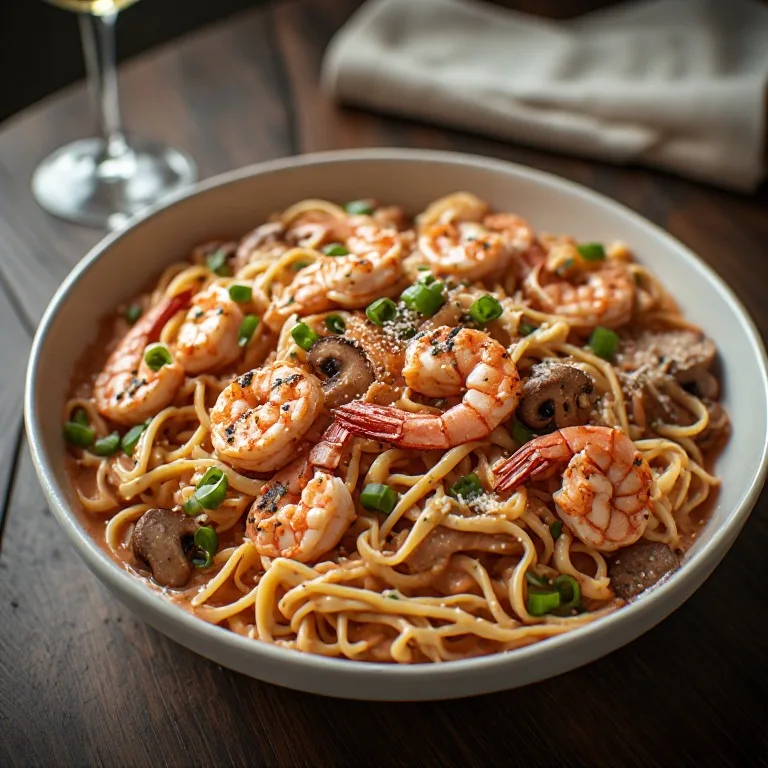
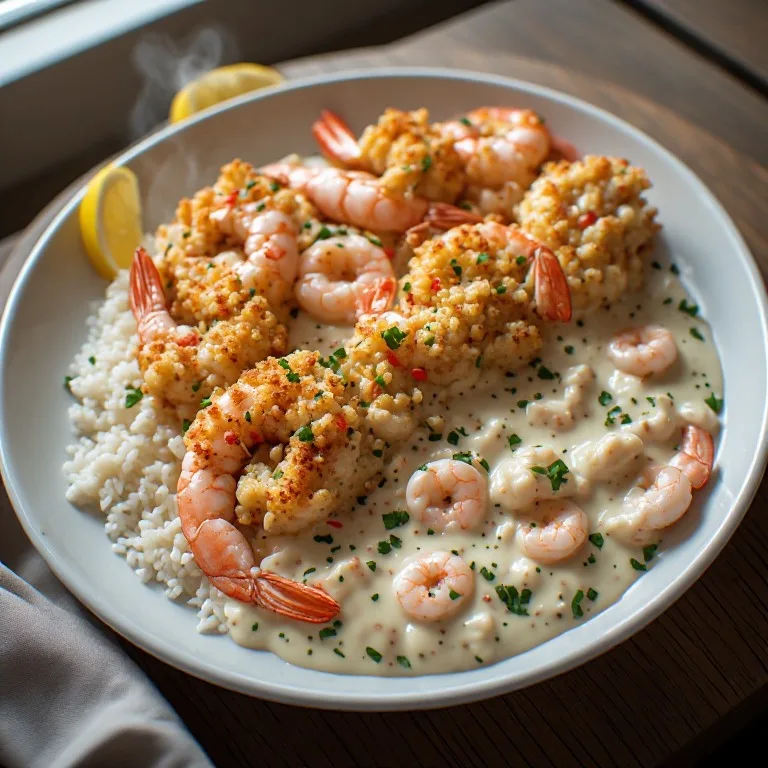
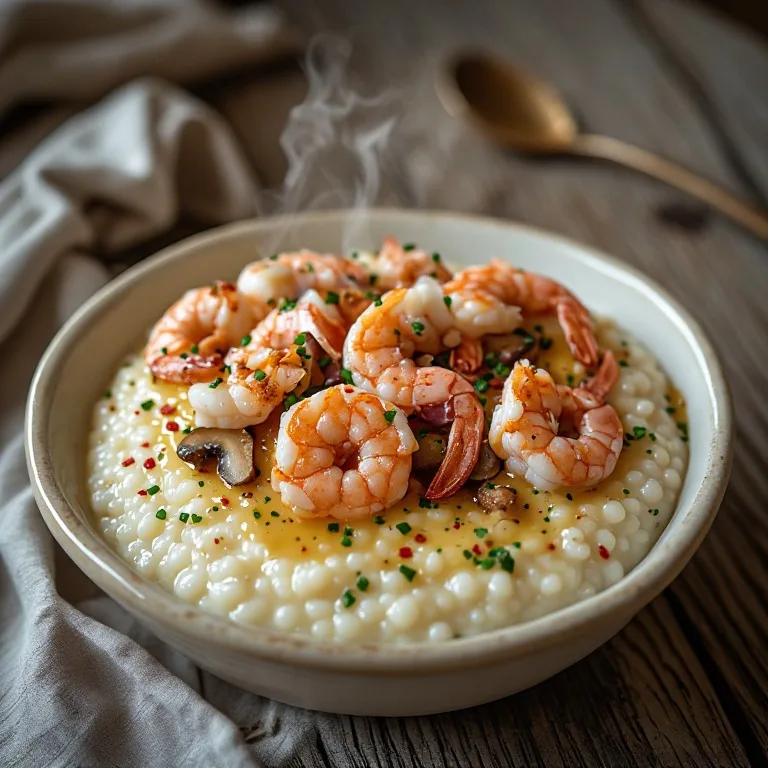
Sean Brock's shrimp and grits from Husk in Charleston: Anson Mills stone-ground white grits cooked slow with sharp cheddar, and wild Carolina shrimp in a country ham and mushroom pan sauce with white wine and lemon. The dish that put Lowcountry cooking on the national map, made at home.

Medium Prep: 20 min Cook: 55 min Total: 1h 15m4 servings ~$4.50/serving
Prep20 min
Cook55 min
Total1h 15m
Servings
4
At home~$4.50/serving
vs
Restaurant~$20.25/serving
You save ~78%

The Story Behind the Recipe

Shrimp and grits began as a fisherman's breakfast on the South Carolina and Georgia coast — shrimp hauled fresh from the marsh, cooked down in butter over a cast-iron skillet, served over the stone-ground cornmeal porridge that had been a Southern staple since colonial times. It was working food, not restaurant food. That changed in 1982 when North Carolina chef Bill Neal put a refined version on the menu at Crook's Corner in Chapel Hill. In 1985 Craig Claiborne wrote about it in the New York Times and the dish went national. By the time Sean Brock opened Husk on Queen Street in Charleston in November 2010, shrimp and grits had been on menus across the South for a generation — but Brock's version was different: Anson Mills stone-ground white grits, slow-cooked to a creamy density that took 45 minutes on the lowest possible heat; wild Carolina shrimp when in season; and a pan sauce built on rendered country ham, not just bacon, with cremini mushrooms and a white wine finish. Bon Appétit named Husk Best New Restaurant in America in 2011, and the shrimp and grits became the dish most ordered on the lunch menu. A lunch plate at Husk runs $28. The recipe at home — including Anson Mills grits ordered online, local shrimp, and a small piece of country ham from a Southern smokehouse — costs about $18 for four generous portions. The grits are the most time-demanding part: they need real attention, not babysitting, for 45 to 50 minutes. Everything else comes together in under 15 minutes while the grits finish. The one technique that matters most is getting the country ham in the pan first — its rendered fat flavors the mushrooms, the shallots, and ultimately the shrimp in a way no amount of seasoning added after the fact can replicate.

Nutrition Facts

Per serving (4 servings)
Calories490
Total Fat22g
Total Carbs36g
Dietary Fiber1g
Sugars2g
Protein38g
Sodium980mg

* Estimated values based on standard recipe preparation. Actual values may vary.

Ingredients

  • Stone-ground grits
  • Shrimp and pan sauce

Instructions

💡
Pro tip: This recipe tastes even better the next day. The flavors need time to meld together in the fridge.
❄️
Storage: Keeps in an airtight container in the fridge for up to 2 weeks. Freezer-friendly for up to 3 months.
🎃 Free Halloween cookbook — download now The Copycat Halloween Cookbook A ready-made, photo-illustrated PDF of our best halloween copycat recipes — free to download, no building required. Pay what you want to support if you love it.

Free PDF — instant download. We'll also send new seasonal copycat recipes now and then; unsubscribe anytime. Or just download it →

Shrimp and grits began as a fisherman’s breakfast — a practical meal on the South Carolina and Georgia coast, cooked in a cast-iron pan with butter over a wood fire before a long day on the water. It stayed regional food for most of a century. The version you find on fine-dining menus across the country today traces back to one restaurant, one chef, and one specific technique: slow-cooked stone-ground grits finished with sharp cheddar and country ham, the way Sean Brock does it at Husk in Charleston.

What Makes Husk’s Version Different

When Brock opened Husk in 2010, he committed to a rule that sounds simple and is actually radical: every ingredient had to come from the American South. That constraint shaped this dish from the ground up.

The grits are Anson Mills stone-ground white corn, cooked low and slow for 45 to 50 minutes — not quick-cook grits, not instant, not even the 20-minute stone-ground version from the grocery aisle. The long cook time is not ceremony: stone-ground grits need extended heat and frequent stirring to fully hydrate and develop their characteristic creaminess. Rushing them produces a grainy bowl; patience produces something that is genuinely different from any other porridge.

The sauce is built on country ham — dry-cured Southern ham — rendered before anything else goes into the pan. Country ham fat is more complex than bacon fat: saltier, more mineral, with a faint age that bacon doesn’t have. It flavors the mushrooms that cook in it, the shallots and garlic that follow, and ultimately the shrimp that finishes in the pan. No amount of seasoning added later can replicate what happens when you build on that fat from the beginning.

The Grits: The Part Most People Rush

The single most common mistake in shrimp and grits at home is undercooked grits. Stone-ground grits need real time — 45 to 50 minutes at very low heat — and they need to be stirred frequently. You are not hovering over them, but you are not ignoring them either. Every 3 to 5 minutes, stir and check: if they’re sticking and pulling from the sides of the pot, add 2 tablespoons of hot water and stir. They should bubble gently throughout the cook.

You will know they are done when a spoonful holds its shape momentarily before spreading — and when tasting one reveals no gritty crunch at all, just a smooth, dense, sweet corn flavor.

The milk-water split: Using half water, half whole milk produces richer, more dessert-adjacent grits. Using all water produces a cleaner, corn-forward flavor that lets the ham sauce stand out. Both are correct; it’s a preference call. Husk has used both in different periods. If you’ve never made stone-ground grits before, start with all water and add a splash of milk at the end if you want more richness.

Building the Pan Sauce

The sauce comes together in under 15 minutes, but the sequence matters.

Country ham first. Render it in butter until it crisps at the edges — 3 to 4 minutes. You’ll see golden, aromatic fat accumulate in the pan. Don’t drain it.

Mushrooms in the ham fat. The cremini absorb the rendered fat and develop a savory depth that plain sautéed mushrooms don’t have. Let them cook undisturbed for 2 minutes before stirring — you want browning, not steaming.

Shrimp seared quickly. Once the shrimp go in, the entire cook takes about 3 minutes. Flip when the underside shows pink; the shrimp should be in a loose C shape when done — a tight O means you’ve gone 30 seconds too far.

White wine deglaze. Pour the wine in immediately after flipping. The browned bits on the pan bottom dissolve into the sauce in seconds — this is where most of the flavor lives.

Cold butter to finish. Off heat, swirl in cold butter. The temperature difference creates an emulsion that makes the sauce glossy and slightly thickened — a technique called monter au beurre. Skip this step and the sauce is thin and oily; include it and the sauce coats the shrimp and grits properly.

At Husk vs. at Home

A lunch plate at Husk runs about $28. Reservations for weekend lunch fill within hours of opening. The version made at home — including Anson Mills grits ordered online and good-quality wild shrimp from a fishmonger — costs about $18 for four full portions.

The one ingredient worth sourcing: Anson Mills grits. They can be ordered directly from ansonmills.com and arrive vacuum-packed. The flavor difference from standard grocery-store stone-ground grits is noticeable — more mineral, more distinctly corn — and they are specifically what Brock built this dish around.

Storage and Reheating

Grits: Stone-ground grits thicken significantly in the refrigerator and will be nearly solid the next day. To reheat, add a generous amount of milk or water — more than seems necessary — and warm over low heat, stirring frequently. They come back to their original creaminess.

Shrimp: Do not store cooked shrimp for more than 24 hours. They overcook when reheated and become rubbery. If cooking ahead, make the pan sauce up to the point before the shrimp go in and refrigerate it; cook the shrimp fresh at serving time, which takes 3 minutes.
🥗

Make It Healthier

Love Husk Shrimp and Grits (The Famous Lowcountry Recipe, Made at Home) but want a lighter version? Try these simple swaps:

  • ✓Skip the heavy cream in the grits and reduce the butter to 1 tbsp — the cheddar carries enough richness on its own. Savings: about 80 calories and 7g fat per serving.
  • ✓Use 2 oz country ham instead of 3 oz and substitute the butter in the sauce with 1 tsp olive oil for finishing — the ham still flavors the pan, the sauce is just slightly less rich.
  • ✓Serve over cauliflower grits (steam and mash a full head of cauliflower with a splash of milk and 2 tbsp cheddar) to reduce carbs to under 15g per serving while keeping the shrimp and pan sauce.
  • ✓Swap country ham for 2 oz turkey bacon, which halves the sodium from the cured meat and reduces saturated fat by about 4g per serving — the smoke and salt are reduced but the pan sauce still works.

Frequently Asked Questions

What are Anson Mills grits, and do I need them specifically?

Anson Mills is a small grain mill in Columbia, South Carolina that grows and mills heirloom varieties of Southern grains — including Carolina Gold rice and several heritage corn varieties — using stone milling. Their stone-ground white grits are coarser, nuttier, and more mineral-tasting than the mass-market yellow or white grits most grocery stores carry. The difference from instant grits is significant: instant grits are pre-cooked and dehydrated, and no amount of extra butter makes them taste like anything other than what they are. The difference between stone-ground from Anson Mills and stone-ground from a decent grocery brand is real but smaller. If you can order Anson Mills grits online before you cook this dish, they are worth it — they produce a grits bowl with a distinct corn flavor that the dish is built around. A respectable alternative is any coarse stone-ground grits from a Southern brand: Logan Turnpike Mill, McEwen & Sons, or Palmetto Farms. Whatever you buy, avoid 'quick' or 'instant' labeled products. White or yellow doesn't matter much — Husk uses white.

Why does it take 45 to 50 minutes to cook the grits? Can I speed it up?

Stone-ground grits take time because the coarser grain particles need extended heat and moisture to fully swell and become creamy — they are much denser than quick or instant versions. Trying to speed them up by raising the heat produces grits that are gluey on the outside and still grainy in the center. The low-and-slow approach — barely any heat, frequent stirring, adding small amounts of hot water when they tighten — produces the even, creamy texture that defines a good grits bowl. A few shortcuts that are legitimate: you can soak the dry grits in cold water for 4 to 8 hours before cooking (reduces active cook time to about 30 minutes while improving texture). You can also cook them in a double boiler to eliminate any risk of scorching. An Instant Pot on high pressure for 10 minutes with natural release produces a good result — not identical but close. The approach to avoid is the microwave.

What is country ham, and can I substitute regular bacon or prosciutto?

Country ham is an American dry-cured ham — the South's answer to prosciutto di Parma. It is salt-cured for weeks to months, then hung to age. The result is intensely salty, deeply savory, and very different from wet-cured (city) ham or bacon. Smithfield ham from Virginia and Broadbent's from Kentucky are two widely distributed brands; in Charleston, Brock sourced from local producers. For this dish, the country ham does two things regular bacon cannot: it renders a more complex, less smoky fat that flavors the pan sauce without dominating it, and its texture when diced and crisped provides a salty, meaty contrast to the shrimp. If you genuinely cannot find country ham, thick-cut prosciutto cut into 1/4-inch dice is the best substitute — it has a similar cure profile, though it is milder and leaner. Regular smoked bacon works and is good but shifts the flavor profile noticeably toward a smoked bacon sauce rather than a country ham pan sauce. Use the bacon fat as you would the ham fat.

What shrimp should I use? Does the size matter?

At Husk, Brock uses wild Carolina shrimp — specifically from the coastal shrimping operations along the South Carolina coast. Wild-caught Gulf or Atlantic shrimp have more flavor than farmed shrimp from Southeast Asia, though both work in this recipe. Size matters for the technique: 16-20 count (meaning 16 to 20 per pound, so each shrimp weighs about an ounce) is the right size — large enough to cook in the pan without curling into a tight ball immediately, but not so large that they need significant additional time after the flip. Jumbo 13-15 count shrimp can work but require an additional minute per side. Smaller 21-25 count shrimp overcook very easily at this heat. Fresh shrimp (never frozen) from a fishmonger will always beat frozen, but high-quality frozen shrimp that have been thawed overnight in the refrigerator — not quick-thawed under running water — are a genuine option.

What wine should I use for the sauce?

Any dry white wine you would actually drink works here — a Pinot Grigio, Vermentino, unoaked Chardonnay, or dry Muscadet. Avoid anything labeled 'cooking wine,' which is salted, or anything sweet or off-dry, which will make the sauce taste sweet. The wine is in the pan for 60 to 90 seconds and reduces significantly — its primary role is to deglaze the browned fond from the ham and mushrooms, add a bright acidity that the rich grits need, and contribute a faint vinous complexity to the finished sauce. A $12 grocery-store Pinot Grigio is perfect. You will use only ¼ cup, so any bottle you're already opening for dinner at the table is fine.

How do I keep the grits warm while I cook the shrimp?

The best approach is to cook the grits to just before their ideal texture, then cover the pot tightly and set it over the lowest possible heat or completely off the heat. Stone-ground grits stay hot and continue hydrating off heat for 10 to 15 minutes, especially in a heavy pot. If they tighten up while you're finishing the shrimp, add a splash of hot water and stir vigorously — they loosen easily. Another option: after finishing the grits, transfer them to a bowl set over a pot of barely simmering water (double-boiler style) and cover. The residual heat keeps them at serving temperature without cooking further. What you want to avoid is leaving them over direct heat without stirring — stone-ground grits can scorch on the bottom quickly once they are fully cooked.

Can I add cheese besides cheddar? What about Gruyere or Parmesan?

At Husk, the grits are finished with sharp white cheddar — a Southern dairy product that fits the 100% Southern sourcing ethos of the restaurant. Cabot Extra Sharp White Vermont Cheddar and Tillamook Sharp White are the easiest widely available versions that match the flavor profile: tangy, slightly crumbly, assertive. Gruyere produces excellent grits — nuttier and more complex — and is a reasonable swap if that's what you have. Parmesan is not traditional but works well if you want a more savory, less tangy result; use it in combination with a small amount of cheddar if possible. Gouda (especially aged) is very good. The one approach to avoid is processed American cheese — it melts beautifully but gives the grits a flat, artificial dairy flavor.

What is Husk restaurant, and why is the shrimp and grits so famous?

Husk opened in November 2010 at 76 Queen Street in Charleston, South Carolina, in a restored 1893 Queen Anne house. Sean Brock, who had spent years at McCrady's in Charleston building his technique, opened Husk with a single organizing principle: every ingredient on the menu had to come from the American South. No foreign olive oil, no Vermont butter, no Pacific salmon — if it could not be traced to a Southern farm, ranch, or fishing boat, it did not come through the kitchen door. That constraint, radical at the time, forced Brock and his team to rediscover lost Southern ingredients: heirloom seed grains milled at Anson Mills, heritage breed pork from small farms, Sea Island red peas from Daufuskie Island. Bon Appétit named Husk Best New Restaurant in America in 2011. Brock published Heritage in 2014, a cookbook documenting Southern ingredients and technique that won the James Beard Award for American Cooking. The shrimp and grits concentrated everything the restaurant was doing: Anson Mills grits for the grain component, wild local shrimp for the protein, country ham for the Southern cured meat tradition. It was the most Instagrammed lunch dish on the menu and the most requested recipe from the cookbook.

Love this recipe? Share it!

Free PDF: our 12 most-wanted copycat recipes — instant download.

Made it? Buy us a coffee

Every recipe here is free, with no paywalls. If this one was a hit at your table, a small tip keeps new copycats coming.

$

Husk is a trademark of its owner, used here only to describe the dish this recipe recreates. This is an independent copycat written in our own words — Copycat Spices is not affiliated with, endorsed by or sponsored by Husk.

Ratings & Reviews

—
No ratings yet

Rate this recipe

Click a star to rate

Leave a Review

0/500

CS

Copycat Spices Editorial

Researched + fact-checked. Every recipe on Copycat Spices is built from published sources — official ingredient lists, brand-published recipes, interviews and food-science references — and fact-checked before it goes live, then written as clear, step-by-step instructions for home cooks of all skill levels.

Learn more about our mission →