


Husk opened in Charleston in November 2010 with a rule that sounds simple and is actually radical: if it does not come from the South, it does not come through the door. Every ingredient on Sean Brock’s menu — the flour, the cornmeal, the butter, the cheese, the cured meat — had to trace back to a Southern farm or producer.
The pimento cheese was an appetizer. It is still one of the most requested recipes from the restaurant.
What Husk’s Pimento Cheese Actually Is
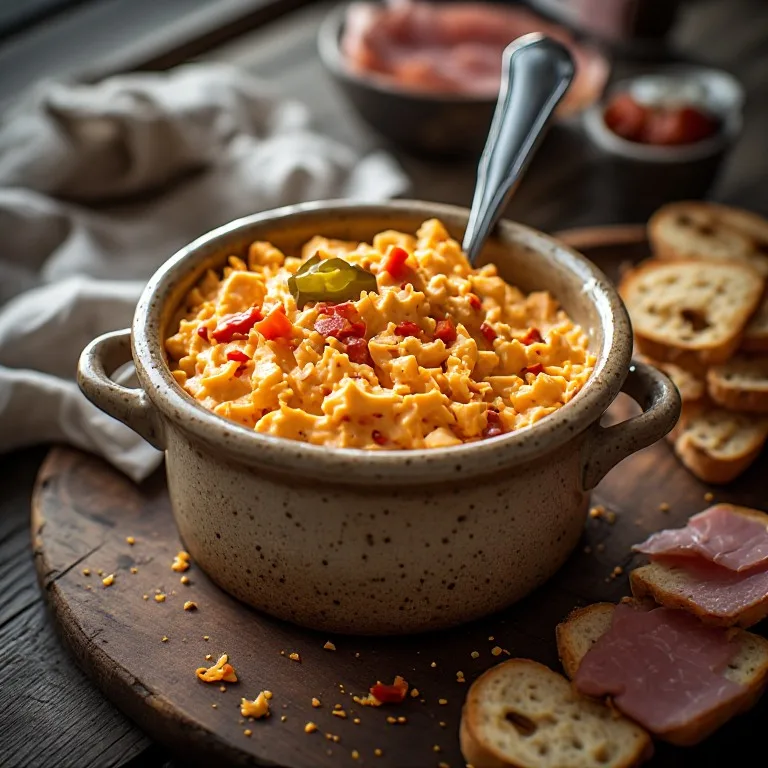
This is not the mayonnaise-heavy supermarket version of pimento cheese, and it is not the classic Southern grandmother version either. It sits between them: substantial and chunky like the traditional preparation, but more complex, with specific layers of flavor that most versions lack.
The spread uses roasted red peppers instead of canned pimentos, bread-and-butter pickle brine as a background acid, white pepper for heat that doesn’t show, and Duke’s mayonnaise, which has more tang and fewer sugars than the national brands.
Brock published this recipe in his 2014 book Heritage, and it appeared in Garden & Gun. The exact recipe has been in circulation for over a decade — but most people make two mistakes when they follow it: they use a food processor (which destroys the texture), and they skip the pickle brine (which flattens the flavor).
The Three Things That Separate This From Generic Pimento Cheese
1. Roasted red peppers, not canned pimentos. Jarred roasted reds have a lightly charred sweetness and firmer texture. They add a subtle smokiness that canned pimentos do not have. Drain them well and pat dry — excess liquid will water down the spread.
Pro tip — the restaurant version: At Husk, the kitchen has roasted its own peppers fresh (and, in season, folded in pickled ramps for a garlicky bite). If you want to close the gap between the jarred-pepper home recipe and the restaurant plate, roast two red bell peppers directly over a gas flame or under the broiler until blackened all over, steam them covered for 10 minutes, then peel, seed, and dice. Fresh-roasted peppers are sweeter and smokier than jarred and are the single biggest upgrade you can make. The published recipe uses jarred because it is what most people can reliably buy — but fresh is better if you have 15 extra minutes.
2. Bread-and-butter pickle brine. You add both the diced pickles and a tablespoon of the brine from the jar. The pickles add crunch and sweet-tart flavor. The brine seasons the entire cream cheese base with a diffuse, background acidity that reads as depth. Skip the brine and the spread is noticeably flatter.
3. Hand-mixed, never processed. Grating the cheddar on the large holes of a box grater and folding it in by hand keeps the cheese shreds distinct. The texture that results — creamy base with chunks of cheese and pepper throughout — is what makes this feel like something, not a dip.
Ingredient Notes
Duke’s mayonnaise: The specific Southern mayo that Brock uses. It has no added sugar and a higher egg yolk ratio than Hellmann’s, giving it more tang and richness. If you cannot find Duke’s, use Hellmann’s and reduce the sugar to a pinch. Duke’s is widely available at Harris Teeter, Publix, Food Lion, and Amazon.
Sharp cheddar: Grate your own. Pre-shredded cheddar is coated with anti-caking agents that prevent it from integrating into the base. Cabot Extra Sharp, Tillamook Sharp, or any aged sharp block cheddar works.
Hot sauce: The recipe calls for ½ tsp of a vinegar-based hot sauce. Crystal and Texas Pete are the classic Southeastern options. Tabasco works. Frank’s RedHot is fine. The acidity matters as much as the heat.
How Husk Serves It
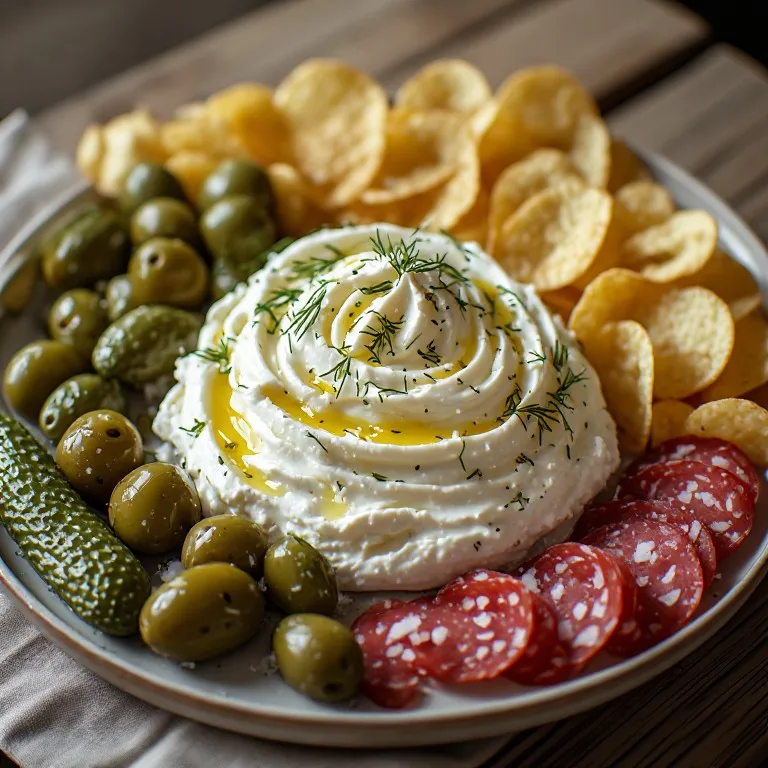
At the restaurant, pimento cheese comes as an appetizer with grilled crostini, pickle relish, crispy country ham pieces, and chives. To replicate: brush thin baguette slices with olive oil and grill or broil until golden. Pan-fry thin slices of prosciutto or country ham until crisp. Scatter both over the spread. Fresh chives on top.
Alternatively — and this is the traditional South Carolina presentation — spread it on white sandwich bread.
Pimento cheese is the anchor of a Southern spread, so build the rest of the table around it: our copycat Sylvia’s Restaurant fried chicken for the main event, warm copycat Cracker Barrel biscuits to smear it on, and a baked copycat Boston Market mac and cheese to round out the plate.
Make-Ahead and Storage
This improves with time. Make it at least an hour before serving; overnight is better. The flavors integrate and the cream cheese base absorbs the brine and seasonings more completely. It keeps for up to 3 days tightly covered in the refrigerator.
Pull it out 10 minutes before serving. Straight from the fridge it is too stiff — you want it slightly below room temperature so it spreads easily.