
Pin It

Jon & Vinny's Spaghetti al Pomodoro (The 4-Ingredient LA Version That Uses More Olive Oil Than You Expect)

Jon & Vinny's Spaghetti al Pomodoro (The 4-Ingredient LA Version That Uses More Olive Oil Than You Expect)
Jump to Recipe
Prep 10 min Cook 40 min Serves 4
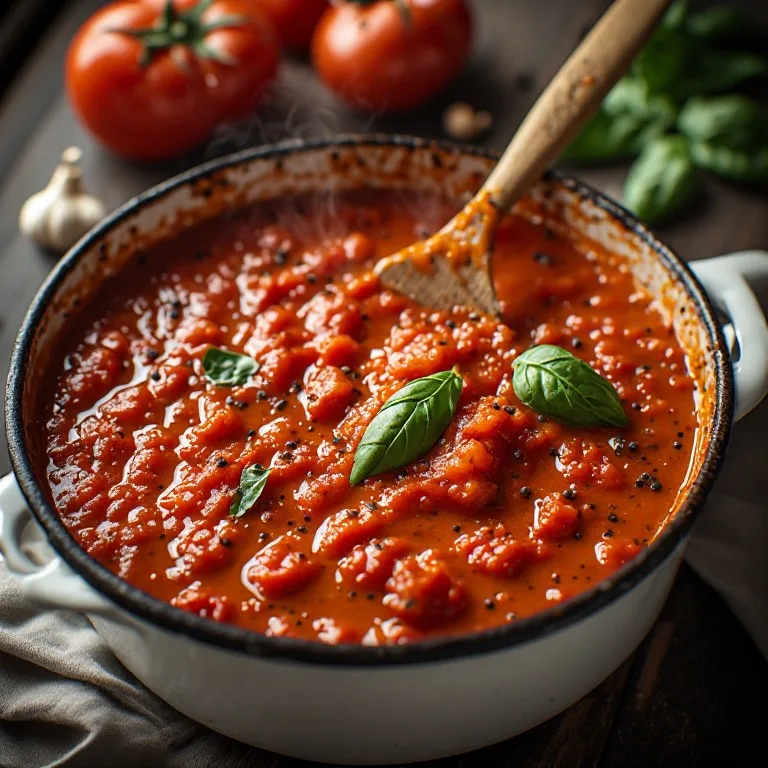
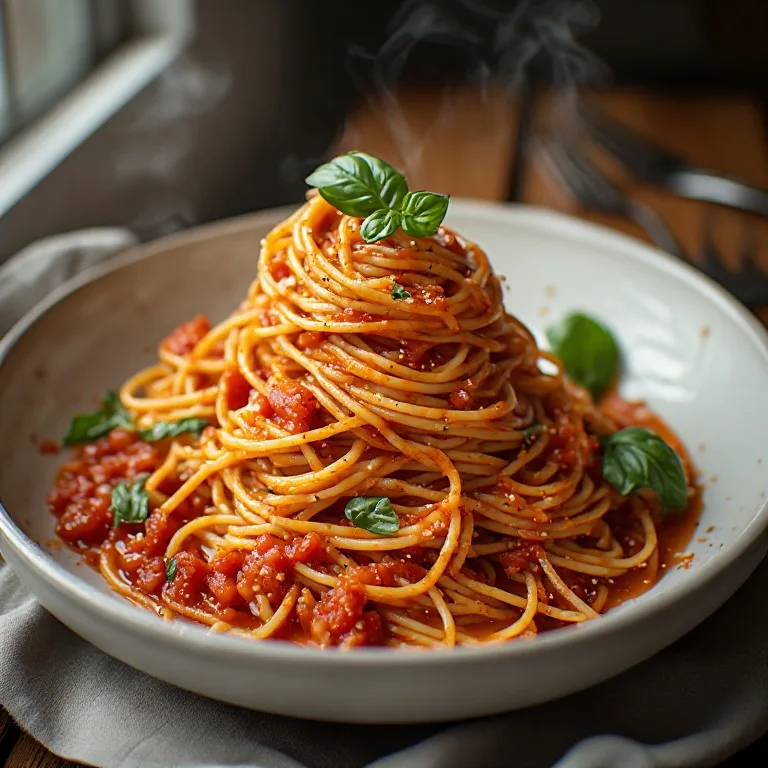
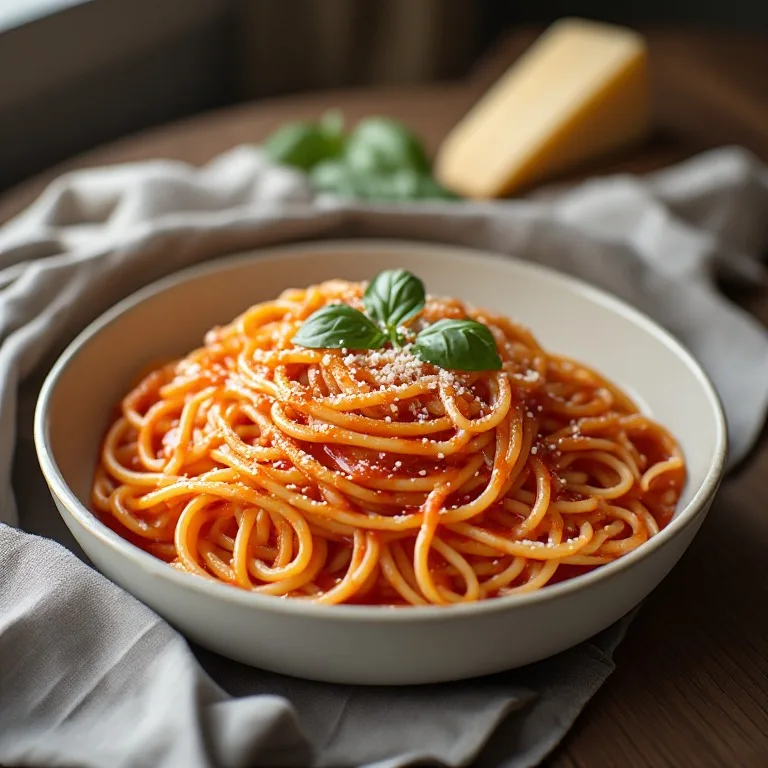
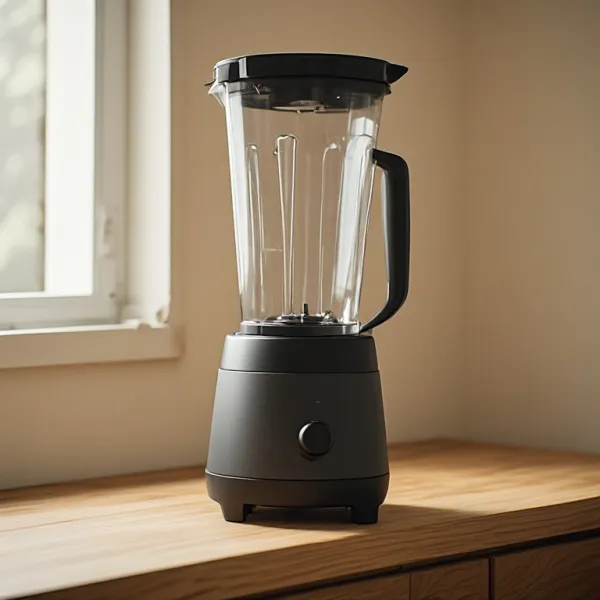
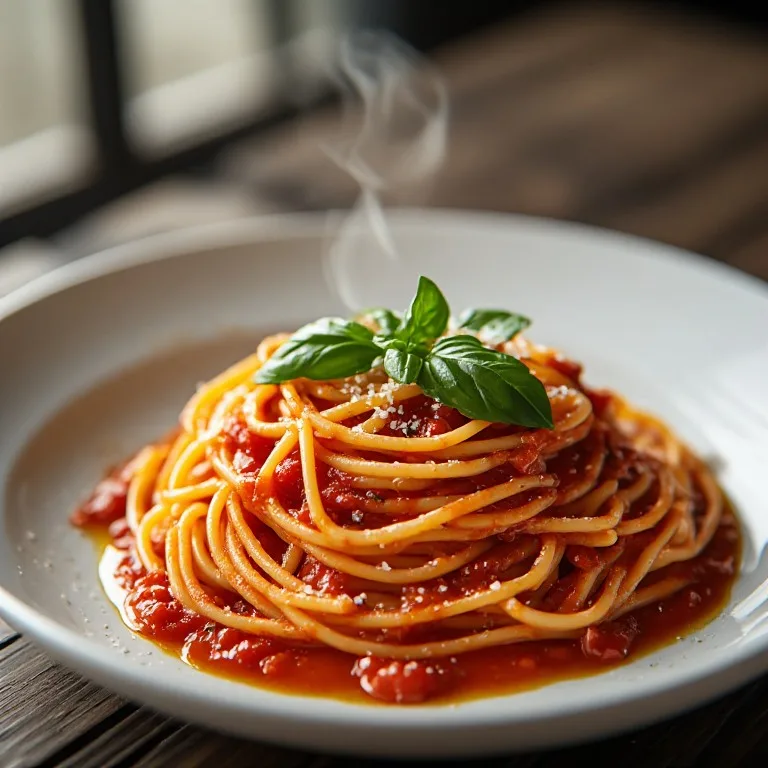
Quick answer: Warm 1 cup extra-virgin olive oil and 12 thinly sliced garlic cloves in a wide skillet over medium-low heat — you want the garlic to turn faintly golden at the edges, not brown, which takes about 6 to 8 minutes. Add 1½ teaspoons crushed red pepper flakes, stir for 30 seconds, then add two 7-ounce cans of Bianco DiNapoli crushed tomatoes (or one 14-ounce can — if Bianco DiNapoli is unavailable, use DOP San Marzano whole tomatoes crushed by hand). Season with 1 teaspoon kosher salt. Reduce the heat to low and cook, stirring frequently, for 30 to 35 minutes until the sauce darkens slightly and thickens. Transfer to a blender or use an immersion blender and blend completely smooth — this step is not optional; the blended sauce is what gives Jon & Vinny's its silky, restaurant coating rather than a chunky home result. Return to low heat, taste for salt, and keep warm. Cook 1 pound of bronze-die spaghetti in heavily salted boiling water, pulling it 2 minutes before the package time. Reserve 1 cup of pasta water. Drain the pasta and immediately add it directly to the skillet with the sauce over medium heat. Add ¼ cup of the pasta water and toss continuously — the heat is on, the pasta is moving — for 60 to 90 seconds. The surface starch in the pasta emulsifies with the oil and tomato, pulling the sauce into a glossy, unified coating. Divide between warm bowls. Finish with freshly grated Parmigiano-Reggiano and a few torn fresh basil leaves. At Jon & Vinny's on Fairfax the dish runs $21.95. At home, with Bianco DiNapoli and a good olive oil, it costs about $7 to $8 to feed four.

Jon & Vinny's Spaghetti al Pomodoro (The 4-Ingredient LA Version That Uses More Olive Oil Than You Expect)

Jon & Vinny's spaghetti al pomodoro uses ¾ cup of olive oil per can of tomatoes — not as a drizzle, but as the fat base the sauce emulsifies into. Then it gets blended completely smooth. Most home versions do neither. Made at home for under $8.

Easy Prep: 10 min Cook: 40 min Total: 50 min4 servings ~$3.15/serving
Prep10 min
Cook40 min
Total50 min
Servings
4
At home~$3.15/serving
vs
Restaurant~$14.17/serving
You save ~78%

The Story Behind the Recipe

Jon & Vinny's spaghetti al pomodoro uses ¾ cup of olive oil per can of tomatoes — not as a drizzle, but as the fat base the sauce emulsifies into. Then it gets blended completely smooth. Most home versions do neither. Made at home for under $8.

Nutrition Facts

Per serving (4 servings)
Calories720
Total Fat37g
Total Carbs82g
Dietary Fiber4g
Sugars6g
Protein16g
Sodium620mg

* Estimated values based on standard recipe preparation. Actual values may vary.

Ingredients

  • To finish and serve

Instructions

💡
Pro tip: This recipe tastes even better the next day. The flavors need time to meld together in the fridge.
❄️
Storage: Keeps in an airtight container in the fridge for up to 2 weeks. Freezer-friendly for up to 3 months.
🎃 Free Halloween cookbook — download now The Copycat Halloween Cookbook A ready-made, photo-illustrated PDF of our best halloween copycat recipes — free to download, no building required. Pay what you want to support if you love it.

Free PDF — instant download. We'll also send new seasonal copycat recipes now and then; unsubscribe anytime. Or just download it →

Jon & Vinny’s spaghetti al pomodoro is listed on the menu at $21.95 as four ingredients: heirloom tomato, basil, olive oil, parmesan. There is no listed technique. No mention of how much olive oil. No mention of the blender. The minimalism on the menu is the whole point — Jon Shook and Vinny Dotolo built the restaurant in 2015 around the idea that stripping food to its core is harder than adding to it. Most home cooks spend twenty years adding things; the Jon & Vinny’s challenge is doing the opposite.

The three things most copycat versions get wrong:

Wrong 1: They use 2 tablespoons of olive oil. Standard pasta sauce tutorials call for 2 to 3 tablespoons of olive oil for aromatics. Jon & Vinny’s uses ¾ cup per 7-ounce can of tomatoes — not as a drizzle, not as a finishing touch, but as the fat base the tomatoes cook into and emulsify with. At this ratio, the sauce is not a tomato sauce with some olive oil; it is a tomato-and-olive-oil emulsion where neither dominates and both contribute equally. Cut the oil to a few tablespoons and you get a slightly enriched tomato sauce. Use the full amount and you get a completely different texture: velvety, round, almost silky. The recipe below calls for 1 cup across two cans — already far more than any standard sauce, and a touch restrained for the home cook; push it to the full 1½ cups (¾ cup per can) if you want exactly what the restaurant serves.

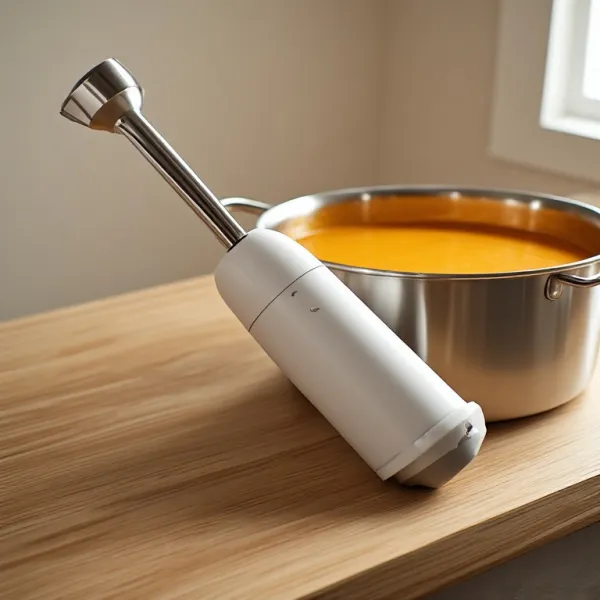
Wrong 2: They skip the blender. Most home pomodoro recipes end with some texture — crushed pieces of tomato, flecks of garlic, irregular pools of oil. Jon & Vinny’s blends the sauce completely smooth after the 30-minute cook. This is what produces the lacquered coating on the spaghetti: a fully emulsified, silky sauce that adheres evenly to every strand rather than sitting in the bottom of the bowl. The immersion blender is not optional here.

Wrong 3: They plate the pasta and pour the sauce over it. The pasta finishes in the sauce in the pan for 90 seconds of vigorous tossing over heat. The surface starch from the pasta integrates with the olive oil and tomatoes, building a glossy emulsion that clings rather than pools. Drain the pasta, plate it, and pour the sauce on top: two separate objects in a bowl. Finish it in the pan: one unified dish.

Why “heirloom tomato” on a menu that uses canned tomatoes

Jon & Vinny’s uses Bianco DiNapoli crushed tomatoes — a California-grown, organic canned brand co-founded by Chris Bianco of Pizzeria Bianco fame. The tomatoes are grown in the San Joaquin Valley, harvested at peak ripeness, and canned within hours, which produces a noticeably sweeter, less acidic result than standard Italian or domestic canned tomatoes. “Heirloom” on the menu refers to the tomato variety and growing method rather than the preservation format. The dish is consistently available year-round because it relies on a premium canned product, not seasonal fresh tomatoes. If Bianco DiNapoli is unavailable, DOP San Marzano whole tomatoes (drained, crushed by hand before adding) are the closest substitute — the goal is sweet, low-acid, bright-flavored tomatoes.

The olive oil matters

This recipe works with a good bottle of olive oil, not a great one — the tomatoes and garlic carry most of the flavor. But because olive oil is such a large proportion of the sauce, cheap olive oil with off-flavors will be noticeable in a way it wouldn’t be in a recipe that uses 2 tablespoons. Use a clean, bright-flavored extra-virgin oil that tastes good on its own. California Olive Ranch, Kirkland Organic (Costco), and most store-brand Italian imported extra-virgin olive oils are all fine. The restaurant uses a house-sourced California extra-virgin; match that general character rather than worrying about brand.

About Jon & Vinny’s

Jon Shook and Vinny Dotolo opened Jon & Vinny’s on North Fairfax Avenue in Los Angeles in October 2015 — their fourth restaurant after Animal, Son of a Gun, and Petit Trois. Both chefs trained at the Florida Culinary Institute, cooked together at Chadwick in Beverly Hills, and became known at Animal for nose-to-tail cooking with 30-ingredient dishes. Jon & Vinny’s was the deliberate inverse: Italian-American food they wanted to eat, stripped to its essential components. The restaurant earned a Michelin Bib Gourmand and has expanded to Studio City, Beverly Hills, and Brentwood. The spaghetti al pomodoro has been on the menu since opening, unchanged.

Storing and reheating

The sauce freezes well for up to 3 months in an airtight container. Thaw overnight in the refrigerator and rewarm gently in a skillet before adding freshly cooked pasta. Do not refrigerate or reheat already-finished pasta in this sauce — it clumps and loses its coating. Make the sauce ahead; finish the pasta fresh.
🥗

Make It Healthier

Love Jon & Vinny's Spaghetti al Pomodoro (The 4-Ingredient LA Version That Uses More Olive Oil Than You Expect) but want a lighter version? Try these simple swaps:

  • ✓Reduce the olive oil to ¾ cup instead of 1 cup. The sauce will be slightly thinner and less rich but still significantly more oil-forward than a standard home pasta, and the core technique still works. You save roughly 60 calories per serving.
  • ✓Use 12 oz spaghetti instead of a full pound and divide into 4 servings — reduces the carbohydrate per portion by roughly 15g and saves around 80 calories per serving without changing the sauce or technique.
  • ✓Skip or halve the Parmesan topping if reducing fat and sodium. The dish is complete without it — the sauce is the star — and this saves about 60 calories and 220mg sodium per serving.

Frequently Asked Questions

Why does Jon & Vinny's use so much olive oil — ¾ cup for a single 7-ounce can of tomatoes?

The olive oil in this recipe is not a condiment or a finishing drizzle. It is the fat base that the sauce emulsifies into. Classic marinara uses 2 to 3 tablespoons of olive oil to sauté aromatics before tomatoes go in; the tomatoes become the primary component and the oil is background. Jon & Vinny's inverts that ratio. The olive oil cooks the garlic first, and then the tomatoes are added to a skillet that is already filled with warm, garlic-infused olive oil. During the 30-minute cook, the tomatoes break down and their water evaporates, leaving a concentrated pulp suspended in the oil. The immersion blender then fully emulsifies this into a single, velvety sauce where oil and tomato are one component rather than two separate ones. The result is a sauce with a pronounced richness and a silky mouthfeel that a low-oil version cannot produce. Jon Shook and Vinny Dotolo built the restaurant around radical ingredient restraint: four ingredients, premium sourced, applied at the correct ratio. Cutting the olive oil in half to feel healthier produces a different sauce entirely. The recipe below uses 1 cup of oil for two cans — already a huge amount by normal standards, but slightly restrained versus the restaurant's true ¾-cup-per-can ratio (which would be 1½ cups here). Cook it at 1 cup for a rich but manageable home version, or step up to the full 1½ cups for the exact restaurant result. If you want to use less oil for dietary reasons, drop toward ¾ cup and expect a lighter, more acidic sauce — which is good, just different.

What are Bianco DiNapoli tomatoes, and is there a substitute?

Bianco DiNapoli is a California canned tomato brand founded by Chris Bianco — the James Beard Award-winning pizza maker behind Pizzeria Bianco in Phoenix — in partnership with organic California tomato growers. The tomatoes are grown in the San Joaquin Valley, harvested at peak ripeness, and packed within hours, which produces a notably sweeter, less acidic result than most Italian or domestic canned tomatoes. Jon & Vinny's uses them throughout the menu, including for the pizza tomato. They are sold at Whole Foods, Williams-Sonoma, and many specialty grocers; 7-ounce cans are available at Amazon as well. The cans are small — a single 7-ounce can makes sauce for 2 servings, so this recipe calls for two cans or one 14-ounce can if you can find it. If Bianco DiNapoli is unavailable, the closest substitute is DOP-certified San Marzano whole tomatoes (Italian, with the Denominazione di Origine Protetta seal): buy whole, drain lightly, and crush by hand before adding to the pan. The goal is sweet, low-acid tomatoes with bright flavor. Standard grocery-store crushed tomatoes — Hunt's, Muir Glen basic, generic store brand — are more acidic and will produce a sharper sauce. They will work, but the finished dish will not have the same sweetness.

Why blend the sauce smooth? Most pasta sauce recipes leave it textured.

The texture of the sauce changes what it does to the pasta. A chunky sauce, with irregular pieces of tomato and pools of olive oil, coats pasta in an uneven layer — some bites get a piece of tomato, some get mostly oil, some get a thin coating of both. A fully blended sauce is completely emulsified: oil and tomato exist as one smooth, uniform fluid that adheres evenly to every strand of spaghetti. When the pasta finishes in the pan and the starch integrates, that uniform emulsion pulls into a glossy coating rather than sliding to the bottom of the bowl. Jon & Vinny's spaghetti al pomodoro looks like pasta that has been lacquered — each strand is coated, not sitting in a pool. That result requires the blend. The texture loss is minimal: crushed tomatoes that have cooked for 30 minutes are nearly fully broken down anyway. What the blender adds is smoothness; what it removes is any residual tomato fiber and irregularity. Use an immersion blender directly in the skillet (off the heat and slightly cooled to avoid hot splatter) or transfer to a standard blender in batches.

How is this different from Scarpetta's spaghetti al pomodoro?

Two restaurants on opposite coasts, same four-word dish name, fundamentally different techniques. Scott Conant's Scarpetta version — the $34 dish served under a cloche at 88 Madison Avenue — is built on a two-stage structure: garlic and basil are steeped separately in olive oil (they never touch the tomatoes), the tomatoes are cooked alone with a masher to preserve irregular texture, and the flavors merge only when the infused oil is added at the pasta-finishing stage. Cold butter goes in off-heat at the end for gloss. The result is savory-herbaceous, with visible tomato body and a butter-enriched finish. Jon & Vinny's version cooks garlic and tomatoes together in a single pan, blends everything smooth, uses no butter, and relies on olive oil volume for richness. The flavor is sweeter, rounder, and more olive-oil forward. Neither is better — they are different expressions of the same concept. The Scarpetta version is more classical Italian in structure; the Jon & Vinny's version is simpler and more technique-focused. If you have cooked the Scarpetta version, cooking this one is a useful comparison of how much a single technique difference changes the same core ingredient list.

Can I use a different pasta shape?

You can, but spaghetti is the correct shape for this sauce. The blended, emulsified sauce is thin and smooth — it coats long, thin strands better than it fills the ridges of a rigatoni or the tubes of a penne. Rigatoni, paccheri, and similar short tubular shapes work best with chunkier, heavier sauces that can get inside the tube. With a very smooth, fluid sauce like this one, those shapes end up with sauce coating only the outside and pooling in the bowl. Spaghetti holds the sauce on its surface through contact. Bronze-die spaghetti is important: the rough, slightly porous surface created by bronze-die extrusion catches and holds the sauce in a way that smooth Teflon-die spaghetti (standard Barilla blue-box) cannot. Look for 'trafilata al bronzo' or 'bronze-cut' on the package. Rustichella d'Abruzzo, Setaro, Rummo, and De Cecco's Al Bronzo line are widely available and all work well. Jon & Vinny's uses Rustichella d'Abruzzo spaghetti.

Does Jon & Vinny's add anything else — cheese, butter, fresh basil?

At the restaurant, the spaghetti al pomodoro arrives finished with grated Parmigiano-Reggiano and fresh basil. There is no butter in the sauce or at the finish (Scarpetta uses cold butter off-heat; Jon & Vinny's does not). No cream. No wine. The restraint is the whole point — Jon Shook and Vinny Dotolo built the restaurant explicitly around stripping out the 30- and 40-ingredient complexity of their earlier Animal and Son of a Gun concepts: 'The more you add, the more you can hide. Once you strip it back, you see more.' The pomodoro is the purest expression of that philosophy: four ingredients in the sauce, premium sourced, applied correctly. Butter at the finish is a legitimate variation for richness, and a small splash of dry white wine after the garlic is a reasonable addition, but neither is in the original.

Why cook the pasta in the sauce for the last 90 seconds instead of just plating?

Starch and heat together build the coating. Pasta releases surface starch throughout cooking — when the pasta finishes in the sauce in a hot pan, that starch blends with the olive oil and tomato and thickens the liquid into a glossy emulsion that clings to each strand. Pasta plated first with sauce poured on top keeps the pasta and sauce as two separate objects in the bowl. The sauce sits underneath and pools; the pasta doesn't absorb anything. With the 90-second pan finish, the sauce and pasta become one: every strand is evenly coated, the dish holds together, and it stays glossy for several minutes rather than separating immediately. This technique — mantecatura in Italian — appears in nearly every serious Italian pasta restaurant. It is the step that most clearly distinguishes a restaurant pasta from a home pasta made with the same ingredients.

What is the price at Jon & Vinny's, and is it worth the cost to recreate at home?

The spaghetti al pomodoro is currently $21.95 at the Fairfax location. For comparison, this recipe costs roughly $7 to $8 to make at home for four servings when using Bianco DiNapoli tomatoes and a quality olive oil — about $2 per serving. The ingredient quality difference is real: Bianco DiNapoli and a premium olive oil from a specialty grocer match what the restaurant uses. The gap between home and restaurant versions of this dish is smaller than it is for something like a Michelin-starred tasting menu. The technique is accessible, the ingredients are findable, and the dish is intentionally simple. Getting the olive oil ratio right, blending the sauce, and finishing properly in the pan are all learnable with one practice run. The main thing a home cook cannot replicate is Jon & Vinny's specific olive oil (reportedly a house-sourced California extra-virgin), the very fresh pasta water chemistry of a professional kitchen making 300 portions a night, and the precise calibration of their stove burners. The home version will be close.

Love this recipe? Share it!

Free PDF: our 12 most-wanted copycat recipes — instant download.

Made it? Buy us a coffee

Every recipe here is free, with no paywalls. If this one was a hit at your table, a small tip keeps new copycats coming.

$

Jon & Vinny's is a trademark of its owner, used here only to describe the dish this recipe recreates. This is an independent copycat written in our own words — Copycat Spices is not affiliated with, endorsed by or sponsored by Jon & Vinny's.

Ratings & Reviews

—
No ratings yet

Rate this recipe

Click a star to rate

Leave a Review

0/500

CS

Copycat Spices Editorial

Researched + fact-checked. Every recipe on Copycat Spices is built from published sources — official ingredient lists, brand-published recipes, interviews and food-science references — and fact-checked before it goes live, then written as clear, step-by-step instructions for home cooks of all skill levels.

Learn more about our mission →