
Pin It

Semma's Gunpowder Dosa (Podi Dosa)

Semma's Gunpowder Dosa (Podi Dosa)
Jump to Recipe
Prep 30 min (plus 8–12 hr fermentation) Cook 40 min Serves 4 (8–10 dosas)
Quick answer: The Semma Gunpowder Dosa has four main components you build in stages. The batter must ferment overnight: soak 2 cups idli rice plus ½ cup urad dal plus 2 tablespoons chana dal plus ½ teaspoon fenugreek seeds for 6 hours, blend smooth with just enough water, then ferment at room temperature for 8 to 12 hours until slightly sour and bubbly. The molaga podi (gunpowder) is made by dry-roasting ¼ cup urad dal, ¼ cup chana dal, 8 dried red chilies, 2 tablespoons sesame seeds, 10 curry leaves, and ¼ teaspoon hing separately until fragrant, then cooling and grinding coarse. The potato masala is boiled Yukon Gold potatoes roughly crushed, tempered in oil with mustard seeds, curry leaves, urad dal, onion, green chili, ginger, and turmeric. To cook the dosa: heat a cast-iron skillet or tawa on medium-high until a drop of water evaporates immediately, wipe lightly with an oiled paper towel, pour ¼ cup batter in the center, and spread outward in a thin spiral to about 10 inches. Drizzle ½ teaspoon ghee around the edges and dot the surface. Mix 1½ teaspoons podi with 1 teaspoon ghee into a paste and spread across the entire surface of the dosa. Add a spoonful of potato masala in the center, let the edges turn golden and crispy (about 2 minutes), fold, and serve with coconut chutney and sambar. The podi-ghee paste is what makes this a Gunpowder Dosa — do not skip it.

Shop the tools

Gear matched to this recipe. These are Amazon affiliate links — we may earn a small commission if you buy, at no extra cost to you.

As an Amazon Associate, Copycat Spices earns from qualifying purchases. Product images are generic illustrations, not the exact item listed.

Semma's Gunpowder Dosa (Podi Dosa)

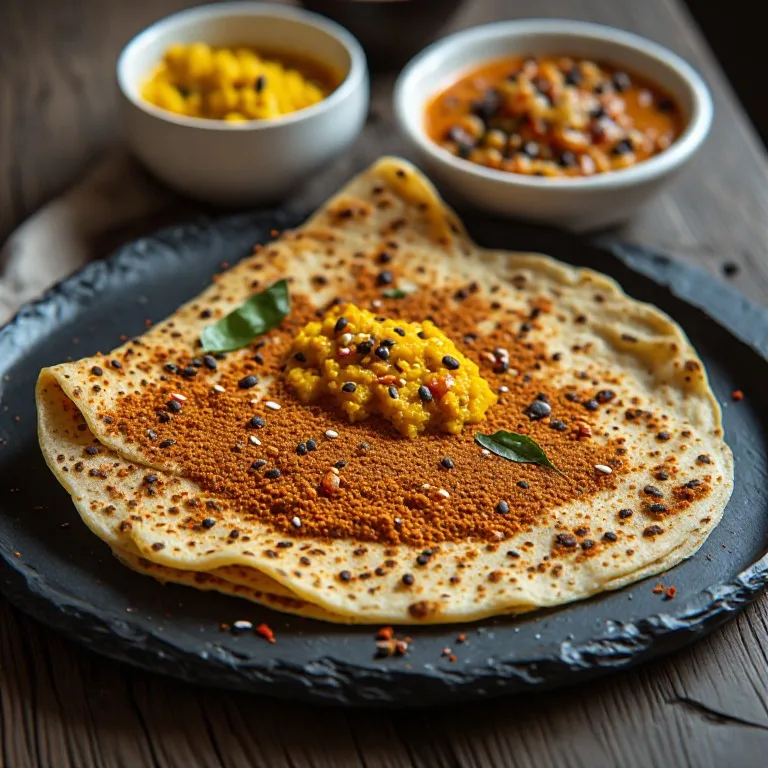
Semma's Gunpowder Dosa at home — NYC's No. 1 restaurant's signature dish: a lacquer-thin, crispy South Indian crepe spread with ghee-laced molaga podi (gunpowder spice blend) and filled with potato masala. Overnight fermented batter, 30-minute cook. Serves 4 for about $6 vs. $26 a plate at Semma.

Medium Prep: 30 min (plus 8–12 hr fermentation) Cook: 40 min Total: 13h 10m4 (8–10 dosas) servings ~$4.50/serving
Prep30 min (plus 8–12 hr fermentation)
Cook40 min
Total13h 10m
Servings
4
At home~$4.50/serving
vs
Restaurant~$20.25/serving
You save ~78%

The Story Behind the Recipe

Semma opened in October 2021 at 60 Greenwich Avenue in New York's West Village — a small, warmly lit room with a menu built entirely from the food Chef Vijay Kumar ate growing up in Tamil Nadu. "Semma" is Tamil slang for excellent, superlative, the best version of something. In 2025 The New York Times named it New York City's best restaurant — the first time a South Indian restaurant ever topped the list — and that same year Kumar won the James Beard Award for Best Chef: New York State. Michelin has given it a star every year since 2022. A reservation requires refreshing the website for weeks. The dish that most defines it is the Gunpowder Dosa: a single plate that arrives at the table as a long, impossibly thin lacquered crepe, mahogany from the spice paste spread into its surface while it cooked, with a stubby column of potato masala at the center and small dishes of coconut chutney and sambar to dip and spoon. It costs $26. It takes about two bites to understand why.

The dosa is South India's everyday food — eaten at breakfast, as a quick dinner, from street carts and in tiny family restaurants across Tamil Nadu, Karnataka, and Kerala. What elevates Semma's version is specificity: Chef Kumar's molaga podi, the dry-roasted lentil-and-chili spice blend whose South Indian nickname translates literally to "gunpowder," is mixed with ghee and spread on the dosa as it cooks so the spice embeds itself into the surface rather than sitting on top. The potato masala is made with Yukon Golds crushed (not mashed) so chunks remain, tempered with mustard seeds that have to pop before anything else goes into the pan. At home, the same batch of fermented batter makes 8 to 10 dosas — a full dinner for four people — for about $6 in ingredients.

Nutrition Facts

Per serving (4 (8–10 dosas) servings)
Calories430
Total Fat14g
Total Carbs69g
Dietary Fiber6g
Sugars4g
Protein11g
Sodium650mg

* Estimated values based on standard recipe preparation. Actual values may vary.

Ingredients

  • For the dosa batter (make the night before — yields 8–10 dosas)
  • For the molaga podi (gunpowder spice blend — makes ¾ cup, far more than you need; keeps 2 months)
  • For the potato masala (aloo bhaji)
  • For the quick coconut chutney
  • For cooking the dosa

Instructions

💡
Pro tip: This recipe tastes even better the next day. The flavors need time to meld together in the fridge.
❄️
Storage: Keeps in an airtight container in the fridge for up to 2 weeks. Freezer-friendly for up to 3 months.
🎃 Free Halloween cookbook — download now The Copycat Halloween Cookbook A ready-made, photo-illustrated PDF of our best halloween copycat recipes — free to download, no building required. Pay what you want to support if you love it.

Free PDF — instant download. We'll also send new seasonal copycat recipes now and then; unsubscribe anytime. Or just download it →

Copycat Semma Gunpowder Dosa

Prep time: 30 min active + 8–12 hr fermentation
Cook time: 40 min
Servings: 4 (8–10 dosas)

The short version: Soak idli rice, urad dal, chana dal, and fenugreek seeds for 6 hours, blend smooth, ferment at room temperature overnight. Make the molaga podi by dry-roasting urad dal, chana dal, dried chilies, sesame, and curry leaves separately, then grinding coarse. Make potato masala by tempering crushed Yukon Golds with mustard seeds, curry leaves, and onion in ghee. To cook each dosa: heat cast iron hot, spread ¼ cup batter thin to a 10-inch crepe, drizzle ghee, spread a paste of podi and ghee across the surface, add potato masala, fold, serve immediately.

Semma is the West Village restaurant that The New York Times named New York City’s best in 2025. Chef Vijay Kumar built its menu from the food of Tamil Nadu — where he grew up — and the Gunpowder Dosa is its signature dish: a single, long, lacquered-dark crepe, mahogany from the molaga podi baked into its surface, filled with a rough potato masala tempered with mustard seeds and curry leaves, served with coconut chutney and sambar. It costs $26 at the restaurant; the same batter makes 8 to 10 dosas at home for about $6.

The Four Components

The Gunpowder Dosa is not one recipe — it is four, assembled at the stove.

1. The fermented batter

Dosa batter is a mixture of rice and urad dal (black gram lentils), soaked, ground smooth, and left to ferment at room temperature. The fermentation — driven by naturally occurring wild yeasts on the rice and lactic acid bacteria on the dal — produces the batter’s defining characteristic: a mild, complex sourness that no shortcut can fully replicate, plus tiny bubbles of CO2 that make the dosa light and porous rather than dense.

The fenugreek seeds (methi) added during soaking do two things: their mucilage helps the batter hold together during spreading, and they accelerate fermentation. They are not optional.

At Semma, Chef Kumar uses a batter fermented for the specific humidity and temperature of his kitchen. At home, 8 to 12 hours at room temperature in summer, 12 to 16 in a cool apartment in fall, is the target. If it hasn’t fermented by morning, the oven-with-light-on trick consistently finishes the job.

2. Molaga podi (gunpowder)

The spice blend that names the dish. In Tamil Nadu households, a jar of molaga podi lives on the counter like salt — it’s mixed into hot ghee and eaten with idli and dosa at breakfast. The blend is made by dry-roasting each component separately (they brown at different rates) until fragrant, cooling completely, then grinding coarse. The result is a grainy, sandy mixture of roasted lentil nuttiness, chili heat, sesame depth, and the faint sulfurous-savory note of asafoetida. Mixed with ghee and spread on the dosa as it cooks, it embeds itself into the surface.

3. Potato masala (aloo bhaji)

The filling. Its technique is a sequence: the mustard seeds must pop before the urad dal goes in; the curry leaves must be added before the chili and ginger so they crisp in the oil; the onion must soften before the potato is added. The potato is crushed — not mashed — so chunks remain in the final bite. Lemon juice at the end brightens everything.

4. Coconut chutney

The classic accompaniment. Made from fresh or frozen grated coconut blended smooth, then tempered with mustard seeds, curry leaves, and dried red chili in hot oil. The sambar traditionally served alongside can be homemade (a tamarind-and-lentil soup seasoned with sambar powder) or purchased ready-made from an Indian grocery.

The Critical Technique: Spreading the Dosa

A dosa is not a pancake — the batter is not poured and left to set, but actively spread the moment it hits the pan. Pour ¼ cup of batter at the center, then immediately use the back of a ladle to spread outward in a thin spiral before the batter grips. The window is about 4 seconds. Work fast the first few times; it becomes intuitive.

The pan must be properly hot (water vaporizes on contact) but not screaming. Between dosas, wipe the surface with a lightly oiled towel — enough to prevent sticking, not enough to pool. A pan that’s slightly cool makes spreading easier but produces a paler, softer dosa; a properly hot pan produces the dark, lacquered crispness Semma achieves.

What Goes Wrong (and Why)

Batter won’t spread: Too thick. Add water by the tablespoon until the batter flows off a spoon like thin pancake batter. Or the pan is too hot — lower the heat slightly.

Dosa tears when spreading: Batter is underfermented or under-blended. Blend an extra 2 minutes; if the batter is still grainy, it will tear.

Podi burns on the surface: The pan is too hot when you add the podi paste, or the ghee content is too low. Add slightly more ghee to the paste, and lower the heat the moment you start spreading.

Dosa sticks: Pan isn’t seasoned or properly preheated. Wipe with oiled towel between dosas. A non-stick pan should only go to medium-high, not high.

Serving

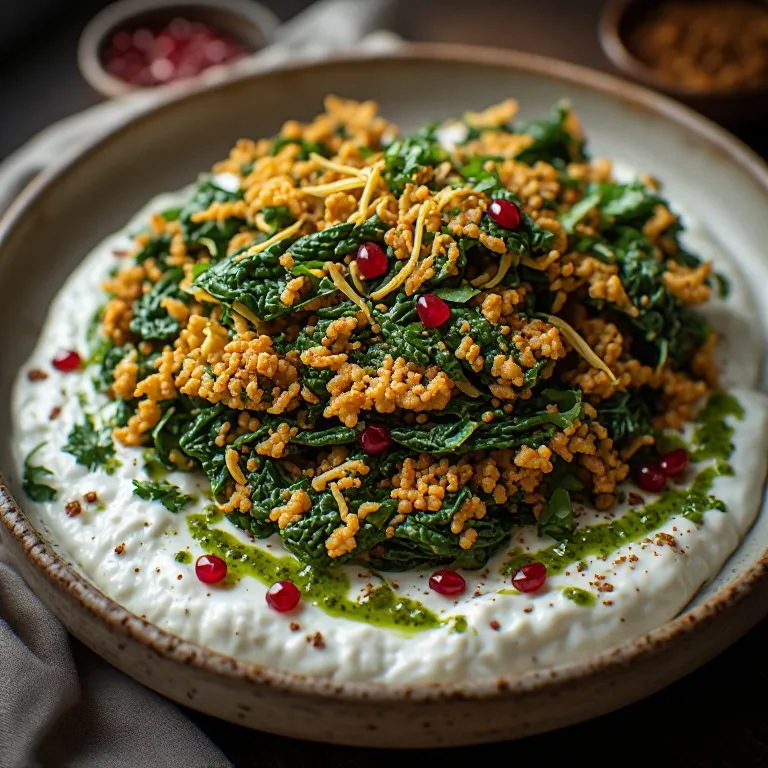
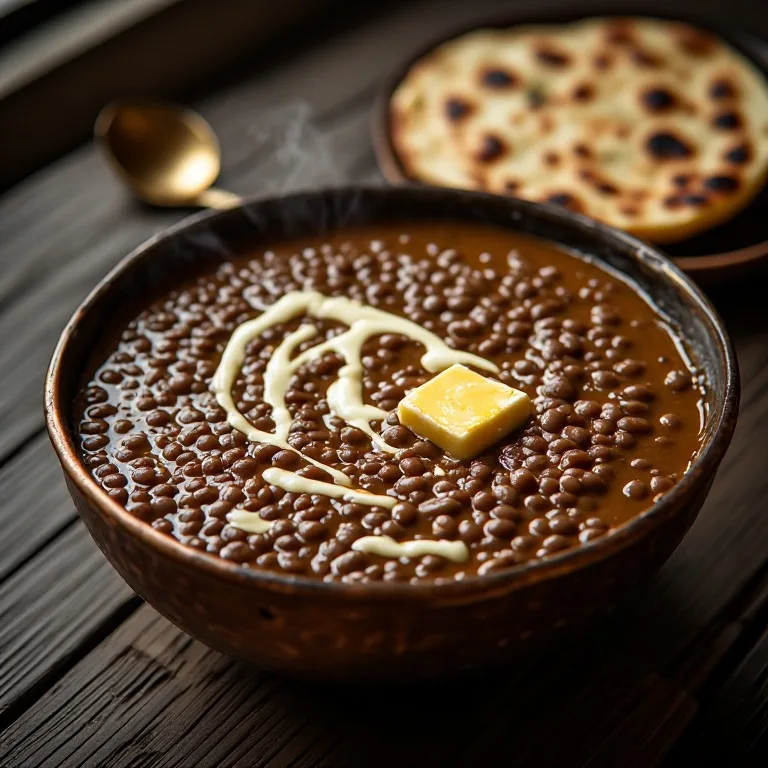
Serve each dosa as it comes off the pan — they soften within minutes. For a full Semma-style South Indian breakfast, pair with sambar (homemade or store-bought), the coconut chutney from this recipe, and strong South Indian filter coffee (brewed dense and combined with warm whole milk and sugar). The Rasika Palak Chaat and Dishoom Black Dal make a natural Indian feast if you’re cooking a larger spread.
🥗

Make It Healthier

Love Semma's Gunpowder Dosa (Podi Dosa) but want a lighter version? Try these simple swaps:

  • ✓Use half the ghee by swapping the cooking ghee for a light brush of neutral oil — the dosa still crisps beautifully on cast iron, saving about 40 calories per serving without changing the podi paste (which keeps its ghee).
  • ✓Add vegetables to the potato masala: fold in ½ cup frozen peas or finely diced carrots with the potato for extra fiber and color — they cook through with just the residual heat.
  • ✓Make the chutney without coconut oil tempering (just blend and serve without the tadka) to shave another 30 calories per serving, especially if serving multiple dishes.
  • ✓Serve one dosa per person with a generous portion of sambar (lentil and vegetable soup, either homemade or store-bought) instead of two dosas — sambar adds protein and fiber while keeping total calories below 350.

Frequently Asked Questions

What does 'gunpowder' mean in Gunpowder Dosa?

Gunpowder refers to molaga podi — a South Indian dry spice blend made from dry-roasted lentils, dried red chilies, sesame seeds, curry leaves, and asafoetida, all ground together coarsely. 'Molaga' means chili in Tamil; 'podi' means powder. The name 'gunpowder' is a colloquial translation of the blend's appearance (grayish-brown, grainy) and its assertive heat. In Tamil Nadu households, a jar of molaga podi lives on the counter the way salt and pepper do in Western kitchens — it's mixed with ghee or sesame oil and eaten with idli and dosa at breakfast. Semma's Gunpowder Dosa makes this everyday condiment the centerpiece: a ghee-podi paste is spread on the dosa while it cooks so the spice bakes into the surface.

Can I use store-bought dosa batter instead of fermenting my own?

Yes — store-bought dosa batter, sold refrigerated at Indian grocery stores (look for brands like Grand Sweets, ID Fresh, or Ashoka), is the most practical shortcut. Bring it to room temperature for 30 minutes before cooking. The texture will be slightly less complex than a home-fermented batter, but the technique — thin spread, ghee, podi paste, potato masala — is identical. One 2-pound container of store-bought batter makes 8 to 10 dosas.

What pan do I need for dosa — do I need a special tawa?

A flat cast-iron tawa (the traditional South Indian dosa pan, available online for $20–$30) gives the best results because its flat, smooth surface makes spreading the batter easy in all directions. A regular 12-inch cast-iron skillet works nearly as well — the slight lip doesn't interfere much. A non-stick skillet also works, though the dosa will be slightly less crispy and the non-stick coating can struggle over high heat. The one pan to avoid is stainless steel — the batter sticks before it has a chance to set and crisp. Whatever pan you use, it must be fully preheated and lightly oiled between each dosa.

Why won't my dosa spread into a thin crepe?

Two common causes: (1) The batter is too thick. Fresh-fermented batter thickens overnight as the starches absorb moisture — add water tablespoon by tablespoon and stir until the batter flows off a ladle like thin pancake batter. (2) The pan isn't hot enough. If batter hits a cool surface, it grips and won't spread. The pan needs to be hot enough that a drop of water evaporates on contact — not smoking, but properly heated through. A non-stick pan that's too slick will also make spreading difficult; wipe the surface with a very lightly oiled paper towel between dosas (too much oil and the batter slides instead of spreading controllably).

How long does the fermented batter keep?

Fermented dosa batter keeps for 4 to 5 days in the refrigerator and actually improves on days 2 and 3 as the fermentation deepens and the flavor gets more complex. After day 5 it becomes too sour for most palates, though some cooks prefer it. Before each use, bring the batter to room temperature for 30 minutes and stir well — the batter separates in the fridge. You can also make a large batch of molaga podi; stored in an airtight container at room temperature, it keeps for 2 months.

Where do I find idli rice, urad dal, and asafoetida (hing)?

All three are stocked at any Indian grocery store — and increasingly at well-stocked Asian supermarkets (H Mart, 99 Ranch, Patel Brothers). Idli rice is a short-grain parboiled rice (look for any brand labeled 'idli rice' or 'par-boiled rice'); in a pinch, regular short-grain sushi rice works but produces a slightly thicker, less crispy dosa. Urad dal (black gram lentils, husked and split) looks like a small, ivory-colored lentil. Asafoetida (hing) is a pungent fermented resin sold in small bottles near the spice section — a tiny amount goes a long way. All are also available on Amazon. Skip asafoetida only as a last resort; it provides the molaga podi's background depth that rounds out the chili heat.

Can I make the components ahead of time for a dinner party?

Yes — all the components except the cooked dosa itself can be made 1 to 3 days ahead. The molaga podi keeps 2 months at room temperature. The potato masala keeps 3 days refrigerated; reheat in a covered pan with a splash of water. The coconut chutney keeps 3 days refrigerated. Sambar (if making from scratch) keeps 4 days and actually deepens in flavor. The batter keeps 4 to 5 days refrigerated. The only thing to do at serving time is cook the dosas — each takes about 2 minutes — which makes this a manageable dish for guests.

Love this recipe? Share it!

Free PDF: our 12 most-wanted copycat recipes — instant download.

Made it? Buy us a coffee

Every recipe here is free, with no paywalls. If this one was a hit at your table, a small tip keeps new copycats coming.

$

Semma is a trademark of its owner, used here only to describe the dish this recipe recreates. This is an independent copycat written in our own words — Copycat Spices is not affiliated with, endorsed by or sponsored by Semma.

Ratings & Reviews

—
No ratings yet

Rate this recipe

Click a star to rate

Leave a Review

0/500

CS

Copycat Spices Editorial

Researched + fact-checked. Every recipe on Copycat Spices is built from published sources — official ingredient lists, brand-published recipes, interviews and food-science references — and fact-checked before it goes live, then written as clear, step-by-step instructions for home cooks of all skill levels.

Learn more about our mission →