


Pin It

La Taqueria Carnitas Burrito (America's Best Burrito, Made at Home)

La Taqueria Carnitas Burrito (America's Best Burrito, Made at Home)
Jump to Recipe
Prep 20 min Cook 3 hr 45 min Serves 4 burritos
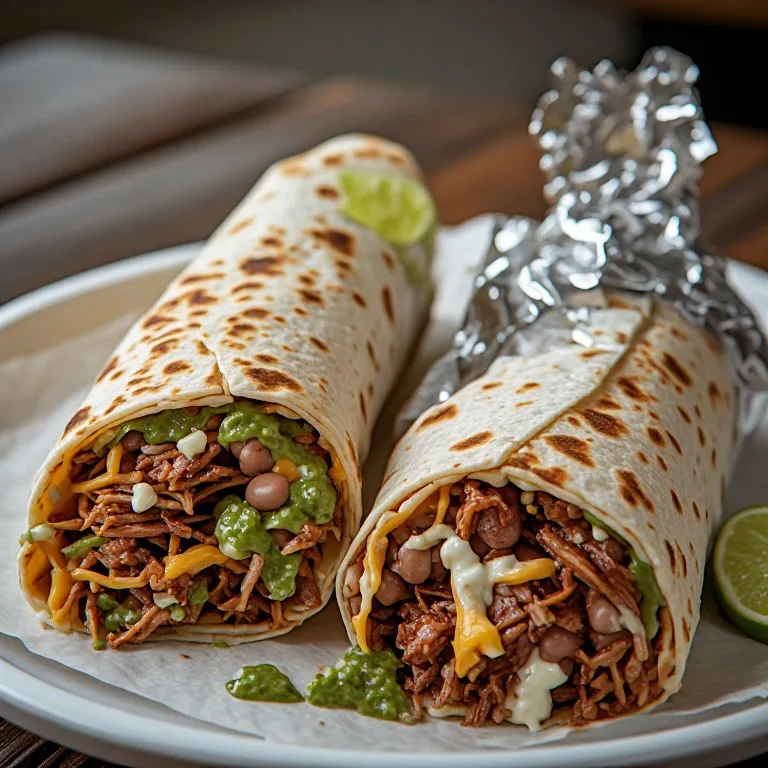
Quick answer: La Taqueria's carnitas use a two-step method most home cooks skip. First, simmer 3 lbs pork shoulder in water with an onion, 2 celery stalks, 4 garlic cloves, 2 bay leaves, and 1 teaspoon dried thyme for 2½ to 3 hours until fork-tender. Drain and transfer the pork to a 13×9-inch roasting pan. Pour ½ cup whole milk over the pieces. Roast uncovered at 325°F for 45–60 minutes, stirring every 15 minutes, until the pork is caramelized and the drippings are browned. The milk's proteins caramelize at lower heat than plain lard, producing the signature crispy-yet-moist texture. Shred roughly. To build: warm a large flour tortilla in a dry skillet. Spread ⅓ cup warm refried pinto beans across the lower third, leaving a 1-inch border. Top with 4 oz carnitas, 2 tablespoons crumbled Cotija or shredded Monterey Jack, 2 tablespoons salsa verde, and 2 tablespoons Mexican crema. No rice — this is La Taqueria's founding distinction, the reason FiveThirtyEight named it America's Best Burrito in 2014: more filling per bite, zero filler. Fold the bottom up over the filling, fold in both sides tightly, roll forward firmly. Wrap in foil. Press on a hot dry griddle 1–2 minutes per side until toasted through the foil.

Shop the tools

Gear matched to this recipe. These are Amazon affiliate links — we may earn a small commission if you buy, at no extra cost to you.

As an Amazon Associate, Copycat Spices earns from qualifying purchases. Product images are generic illustrations, not the exact item listed.

La Taqueria Carnitas Burrito (America's Best Burrito, Made at Home)

La Taqueria's famous carnitas burrito at home: pork shoulder simmered tender, then roasted in milk until caramelized and crispy, packed into a flour tortilla with refried beans and cheese — no rice, just like the original. At La Taqueria in San Francisco, the burrito runs $12–15. At home, you can feed four for under $25.

Medium Prep: 20 min Cook: 3 hr 45 min Total: 4h 5m4 burritos servings ~$4.50/serving
Prep20 min
Cook3 hr 45 min
Total4h 5m
Servings
4
At home~$4.50/serving
vs
Restaurant~$20.25/serving
You save ~78%

The Story Behind the Recipe

Miguel Jara opened La Taqueria at 2889 Mission Street in San Francisco's Mission District in 1973, a few blocks from the heart of the neighborhood's Mexican immigrant community. For three decades it was a local institution — lines at lunchtime, foil-wrapped burritos passed through a small window, no tables. In 2004, the James Beard Foundation awarded it an America's Classics designation, the honor reserved for beloved regional restaurants with "timeless appeal." A decade later, FiveThirtyEight ran a 64-burrito bracket spanning the entire country — Anna Maria Barry-Jester's "Burrito Bracket" — and crowned La Taqueria's carnitas burrito the best in America, explaining specifically that the absence of rice was a structural and flavor advantage: every bite is carnitas, beans, cheese, and crema, with nothing to dilute the density or absorb moisture. In 2026, the burrito runs $12–15. The recipe has not changed.

The technique that separates La Taqueria's carnitas from every slow-cooker version you've tried is the milk. After simmering the pork until tender, the Jara family drains it, lays it in a roasting pan, and pours a half cup of whole milk over the top before it goes into the oven. The lactose and casein proteins in the milk caramelize at lower temperatures than plain drippings alone, wrapping each chunk of pork in a thin, golden-brown crust while the inside stays moist and tender. It is the one step most home carnitas recipes omit, and it explains the texture. The simmering stage builds the depth; the milk roast builds the crust; skipping either produces something that tastes fine but doesn't land the same way.

Nutrition Facts

Per serving (4 burritos servings)
Calories880
Total Fat38g
Total Carbs72g
Dietary Fiber9g
Sugars6g
Protein48g
Sodium1240mg

* Estimated values based on standard recipe preparation. Actual values may vary.

Ingredients

  • For the carnitas
  • For the burritos (makes 4)

Instructions

💡
Pro tip: This recipe tastes even better the next day. The flavors need time to meld together in the fridge.
❄️
Storage: Keeps in an airtight container in the fridge for up to 2 weeks. Freezer-friendly for up to 3 months.
🎃 Free Halloween cookbook — download now The Copycat Halloween Cookbook A ready-made, photo-illustrated PDF of our best halloween copycat recipes — free to download, no building required. Pay what you want to support if you love it.

Free PDF — instant download. We'll also send new seasonal copycat recipes now and then; unsubscribe anytime. Or just download it →

La Taqueria’s famous carnitas burrito — crowned America’s best burrito by FiveThirtyEight’s 2014 nationwide “Burrito Bracket,” a 64-burrito showdown across the country — starts with a two-step carnitas technique that most home cooks skip. The pork shoulder is simmered tender first, then roasted in a little whole milk, whose proteins caramelize into the golden, crispy-edged crust that defines the texture. The burrito itself is simple: carnitas, refried pinto beans, cheese, salsa, crema. No rice — that’s the founding decision, and the reason every bite is dense with flavor instead of filler.

What makes it work: The milk roast is the technique (see How the Milk Changes the Carnitas below). The no-rice decision is the philosophy. The foil toast at the end is the finish that makes it feel like the real thing.

How the Milk Changes the Carnitas

Most carnitas recipes rely on the pork’s own fat to brown the exterior during frying or roasting. Fat-based browning happens at higher temperatures and tends to dry out the outer layer before the inside is properly cooked. The Jara family’s technique is different: they pour whole milk over the already-tender pork before the oven stage.

Milk contains lactose — a sugar — and casein proteins. Both undergo Maillard browning reactions at lower temperatures than plain fat, which means the milk begins to caramelize and brown before the pork’s own drippings would. The result is a thin, golden-brown layer that forms around each chunk of pork while the interior stays moist. Every 15-minute stir during the roast moves the browned solids around and distributes them across the pork pieces, building more crust as the liquid reduces.

When the milk is fully reduced and the pan drippings are sticky and dark, the carnitas are done. Scrape everything from the pan onto the pork — those browned drippings are the most concentrated flavor in the entire batch.

Build It Like La Taqueria

The tortilla needs to be warm and pliable before anything else goes on it. A 12-inch flour tortilla gets 30 seconds per side in a dry skillet on medium heat — just until it’s soft and slightly puffed. If it’s stiff or room temperature, it will tear.

The beans go down first, spread thick across the lower third. Refried pinto beans are the right choice — their creaminess acts as a binder and keeps the filling from shifting inside the burrito. Whole beans don’t provide the same structural function.

The filling stays compact: carnitas, a little cheese, salsa, crema. The total footprint should be no wider than a fist. Overstuffed burritos break; a disciplined fill rolls cleanly.

No rice. This is not a modification — it is the recipe. Miguel Jara built the burrito this way in 1973 and it has not changed.

The foil toast at the end is the step most home cooks skip but shouldn’t. Two minutes per side on a dry griddle, pressing the foil-wrapped burrito flat, tightens the roll, crisps the exterior, and heats everything through evenly. It also creates the slight resistance when you unwrap it — the feeling that you’re opening something.
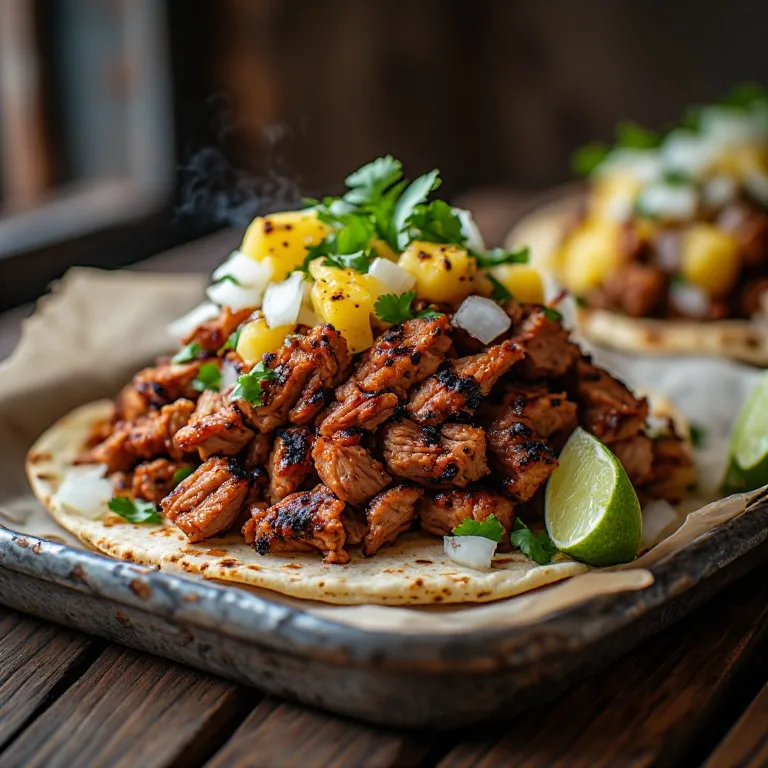
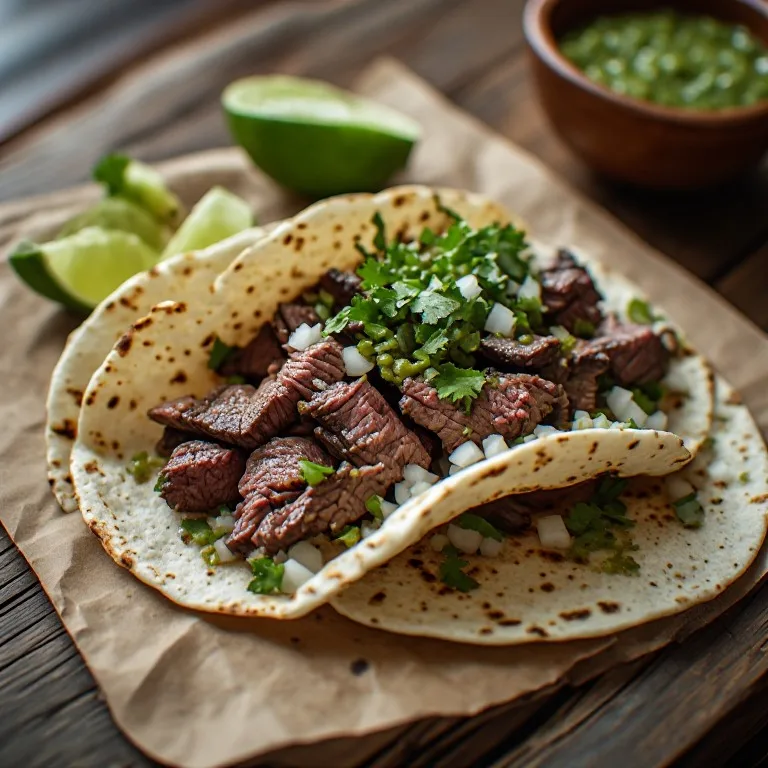
🥗

Make It Healthier

Love La Taqueria Carnitas Burrito (America's Best Burrito, Made at Home) but want a lighter version? Try these simple swaps:

  • ✓Use a whole wheat or low-carb 10-inch tortilla to save roughly 60 calories and 15g refined carbs versus the standard 12-inch flour version
  • ✓Trim visible exterior fat from the pork shoulder before simmering — you lose a small amount of richness but the milk still caramelizes the crust
  • ✓Replace full-fat Mexican crema with 2% Greek yogurt thinned with a squeeze of lime — same tang, 8g less fat, and 3g more protein per burrito
  • ✓Build a half-portion bowl instead of a full burrito: same carnitas and beans over rice or lettuce, no tortilla, cuts about 280 calories while keeping all the flavor

Frequently Asked Questions

Why does La Taqueria not put rice in their burritos?

Miguel Jara's original philosophy was that a burrito should be filling without filler. Rice absorbs the carnitas juices and crema, creating a wetter, blander interior, and it adds volume without flavor. Without it, the ratio shifts entirely toward the seasoned pork, creamy refried beans, and salsa — every bite is substantive. When FiveThirtyEight crowned La Taqueria America's best burrito in 2014, the no-rice build was central to its reputation — a tighter, denser burrito that holds together without the steam pocket and dilution rice tends to create. Many SF taquerías now offer no-rice as an option; La Taqueria never offered it any other way.

What does the milk actually do to the carnitas, and can I skip it?

The milk is the core technique and should not be skipped. Whole milk contains lactose (a sugar) and casein proteins, both of which undergo Maillard browning reactions at lower temperatures than the fat in the pork drippings alone. When you pour it over the cooked pork before roasting, it creates a thin film that caramelizes first, before the pork exterior begins to dry out. The result is a crispy outer layer on each chunk of pork with a moist, tender interior — the dual texture that defines La Taqueria's carnitas. Drip-roasting without milk produces carnitas that are either crispy-dry or tender-wet, never both. A half cup is all it takes; more than that makes the drippings too liquid to brown.

Can I use the Instant Pot or slow cooker instead of simmering on the stove?

Yes for the tenderizing stage, but keep the oven roast. For an Instant Pot: combine pork, onion, celery, garlic, bay leaves, thyme, salt, and enough water to barely cover. Cook on High Pressure for 50 minutes with a natural pressure release. Then transfer to the roasting pan, add milk, and roast at 325°F exactly as written — the oven stage is where the texture is built and cannot be replicated under pressure. For a slow cooker: cook on Low for 7–8 hours or High for 4–5 hours, then proceed with the oven stage. Skipping the oven entirely and just using the slow cooker produces tender, pullable pork that is good for tacos but lacks the caramelized crust.

What is the difference between La Taqueria's carnitas and Chipotle's?

Chipotle's carnitas are braised in aromatics with Mexican Coke and citrus, then pulled and finished briefly. The result is soft, uniformly tender, and slightly sweet — designed for high-volume consistency. La Taqueria's carnitas are simmered in a more savory broth (no citrus, no sweetener), then roasted in milk, which produces more textural variation: some pieces are crispy-edged, others are soft and juicy. La Taqueria's version has a deeper savory flavor and more varied texture; Chipotle's is more consistent and sweeter. Neither is wrong — they serve different purposes — but if you want the Mission District taqueria experience, the milk-roast method is not optional.

What salsa should I use and how does La Taqueria make theirs?

La Taqueria serves a salsa verde (tomatillo-based) and a salsa roja (chile-based). For homemade salsa verde: char 6 tomatillos, 1 jalapeño, and 3 garlic cloves in a dry cast-iron skillet over high heat, turning occasionally, about 8–10 minutes until blackened in spots. Blend with a small handful of cilantro, ½ teaspoon salt, and the juice of 1 lime. For a quick salsa roja: blend 3 Roma tomatoes, 2 dried guajillo chiles (soaked in hot water 15 minutes), 2 garlic cloves, and ½ teaspoon cumin with salt to taste. A good store-bought tomatillo salsa (Herdez Green Salsa) is entirely acceptable and what many home cooks use. What to avoid: pico de gallo (too watery and chunky for a burrito filling) and jarred enchilada sauce (too thick and sweet).

How do I keep the burrito from falling apart?

Three things matter: tortilla temperature, filling temperature, and rolling technique. First, warm the tortilla until fully pliable — 30 seconds in a dry skillet on each side, until it stretches without cracking. A cold tortilla tears. Second, make sure the filling components are warm, not hot — filling that is too hot makes the tortilla steam and go limp. Third, the fold: place filling in the lower third of the tortilla, leaving 1 inch of border on all three sides. Fold the bottom third up over the filling, press it down firmly, then fold in both sides — create a tight rectangular package. Roll forward firmly with consistent pressure. The foil wrap that follows compresses the burrito and holds the shape while it toasts. If the burrito is large enough that rolling cleanly is difficult, switch to a 12-inch tortilla and reduce filling volume slightly rather than overstuffing a 10-inch.

How far in advance can I make the carnitas?

The carnitas are ideal for make-ahead cooking. The simmered pork (before the oven stage) keeps refrigerated for up to 3 days — just drain, cool, refrigerate, then proceed with the milk-roast step when you're ready to serve. Fully cooked carnitas refrigerate for 4–5 days and reheat well: spread in a single layer on a baking sheet and roast at 375°F for 8–10 minutes to restore some crispiness, or reheat in a cast-iron skillet over medium-high heat. The carnitas also freeze well for up to 2 months — freeze in a single layer on a sheet first, then transfer to a zip bag so pieces don't stick. Do not freeze with the simmering liquid; freeze only the cooked, shredded meat.

Love this recipe? Share it!

Free PDF: our 12 most-wanted copycat recipes — instant download.

Made it? Buy us a coffee

Every recipe here is free, with no paywalls. If this one was a hit at your table, a small tip keeps new copycats coming.

$

La Taqueria is a trademark of its owner, used here only to describe the dish this recipe recreates. This is an independent copycat written in our own words — Copycat Spices is not affiliated with, endorsed by or sponsored by La Taqueria.

Ratings & Reviews

—
No ratings yet

Rate this recipe

Click a star to rate

Leave a Review

0/500

CS

Copycat Spices Editorial

Researched + fact-checked. Every recipe on Copycat Spices is built from published sources — official ingredient lists, brand-published recipes, interviews and food-science references — and fact-checked before it goes live, then written as clear, step-by-step instructions for home cooks of all skill levels.

Learn more about our mission →