

Nobu Sushi Rice (The Best Short-Grain Rice Technique at Home)
Prep time: 45 min (including 30-min drain) Cook time: 20 min Servings: 6
The best sushi rice recipe is not about exotic ingredients — it is about three technique steps that Japanese sushi training teaches and most home recipes skip. Short-grain Koshihikari rice, unseasoned rice vinegar, sugar, and salt are the entire ingredient list. What separates Nobu’s rice from ordinary cooked rice is the 30-minute post-wash drain, the cut-not-stir seasoning motion, and serving the finished rice at body temperature. Each of those steps has a reason behind it. Here is the full technique, explained the way a sushi apprentice learns it.
The Rice: Why Short-Grain Matters and What to Buy
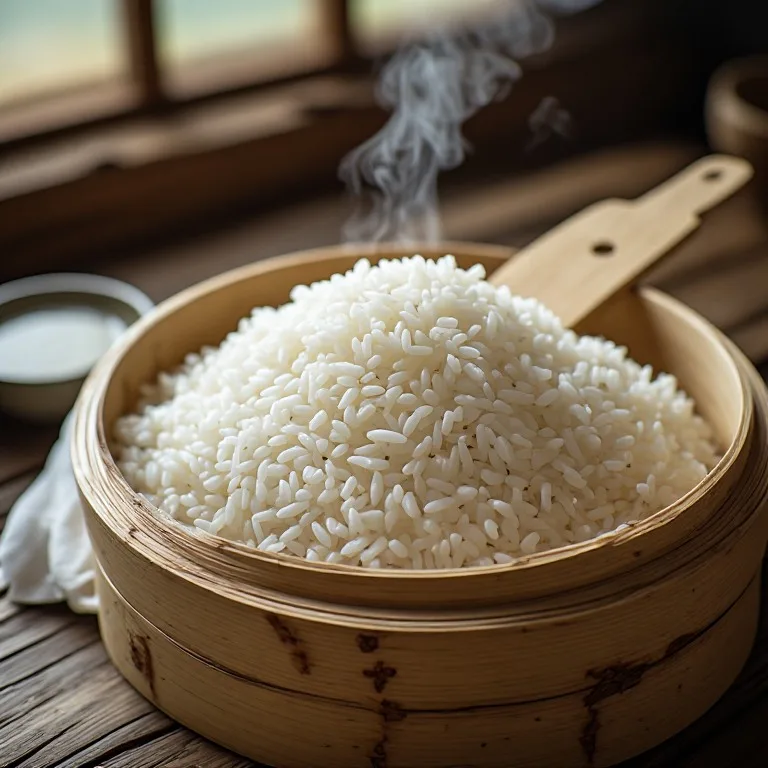
Sushi rice must be short-grain Japanese rice. The starch structure of short-grain rice — specifically the ratio of amylose to amylopectin — determines whether the cooked grain sticks together under gentle pressure (the property that holds a piece of nigiri together) while still separating cleanly when eaten. Medium-grain and long-grain rice contain more amylose, which keeps grains separate and fluffy. Perfectly fine for a rice bowl; wrong for sushi.
Koshihikari (コシヒカリ) is the standard for high-end sushi in Japan and the United States. Originally developed in Niigata Prefecture in the 1950s, it has a slightly sweet natural flavor, a glossy surface when cooked, and the right sticky-but-separable texture. California-grown Koshihikari — cultivated in the Sacramento Valley and sold in the US under the Nishiki and Tamaki Gold brands — is the same cultivar and performs identically to Japanese-imported Koshihikari in texture and flavor. You do not need to order imported rice.
Calrose rice, a medium-grain Japanese-American variety, is a reliable substitute available at most grocery stores. The texture is slightly less sticky than true Koshihikari, but the difference in the final rice is small.
Do not use arborio (wrong starch profile for sushi — made for risotto), jasmine, basmati (too fluffy and aromatic), or any parboiled or converted rice.
The Sushi-zu: Nobu’s 4:2:1 Ratio
Sushi-zu (寿司酢) is the seasoned vinegar liquid that turns plain cooked rice into sushi rice. Chef Nobu Matsuhisa has described his restaurant’s formula as a 4:2:1 ratio — four parts rice vinegar to two parts sweetener to one part salt. Scaled to 2 cups dry rice, that is 3 tablespoons vinegar : 1.5 tablespoons sweetener : 3/4 tablespoon (2 1/4 teaspoons) salt. The 4:2:1 principle scales to any quantity; once you know the ratio, you can adjust the batch size precisely. One honest caveat: a literal 4:2:1 runs saltier than most published sushi-zu recipes (which use closer to 1 teaspoon of salt per 2 cups rice). The amount below uses a milder 1.5 teaspoons of salt for balanced, broadly appealing rice — step up to the full 2 1/4 teaspoons if you want the assertive, restaurant-forward seasoning.
What Nobu actually uses in the restaurants: akazu, a red rice vinegar from the Edomae sushi tradition, aged longer than standard clear rice vinegar and with considerably more body and umami. He also uses monkfruit sweetener rather than white sugar. Both of these ingredients are available online and at Japanese grocery stores if you want the exact restaurant profile. For everyday home cooking, standard clear unseasoned rice vinegar and white sugar produce excellent sushi rice — the accessible version is genuinely good.
Use unseasoned rice vinegar, not seasoned. Seasoned rice vinegar (also labeled “sushi vinegar”) has sugar and salt pre-added. If you use it here and also add sugar and salt from this recipe, the rice will be over-sweet and over-salted with nothing to correct it. The bottle should say “rice vinegar” only, without any flavoring indication. Marukan and Mizkan are the most available unseasoned brands in US grocery stores.
Dissolve first, cool second. Warming the sushi-zu gently — just until the crystals dissolve, not simmering — produces more evenly seasoned rice than pouring undissolved crystals over the hot rice. Then let it cool to room temperature before use. Hot sushi-zu on hot rice steams the grains and makes them mushy. The sushi-zu keeps at room temperature for a week.
The Three Technique Steps That Matter
1. The 30-Minute Post-Wash Drain
Every serious sushi recipe calls for washing the rice until the water runs clear. Fewer explain what comes next: the 30-minute drain, which professional sushi chefs consider non-negotiable but home recipes almost universally skip.
After washing, the surface of each grain is wet from the rinse water. If you cook the rice immediately, the exterior cooks faster than the dry interior, producing a softer-outside, chalky-centered grain that does not compress well for nigiri. The 30-minute rest in a sieve allows the surface water to work its way into the grain evenly before cooking begins, so the entire grain hydrates at the same rate. The result is a cooked grain that is consistent from edge to center.
Do not shorten this step. Set a timer.
2. The Cut-and-Fold Motion
When the sushi-zu goes into the hot rice, the instinct is to stir. Do not stir.
Stirring rice in circles crushes the softened grains against each other and produces a dense, gluey paste rather than distinct coated grains. The correct motion is a cutting motion: the paddle goes straight down through the rice, then is pulled horizontally toward you, lifting and turning the grains. Think of it as slicing and turning rather than mixing. You are separating grains and coating each one individually, not combining them.
The first few passes will look like not much is happening. Continue. Within a minute of folding, the sushi-zu will have distributed evenly and the rice will begin to develop its sheen.
3. Body Temperature, Not Room Temperature
The target serving temperature for sushi rice is approximately 98°F (37°C) — body temperature. Not hot, not room temperature, not cold.
The reason: nigiri sushi is shaped by hand and placed on a piece of fish that should also be close to serving temperature. Rice that is much hotter or much cooler than your hand feels wrong when you eat it; the contrast is jarring. At body temperature, the rice and hand and fish all feel seamless.
Fanning the rice while folding brings it to body temperature faster than simply leaving it to cool, and simultaneously drives off the surface moisture added by the vinegar — which produces the glossy sheen. A probe thermometer tells you exactly when the rice is ready. It takes 5 to 8 minutes of fanning.
Cost Comparison: Nobu Omakase vs. Homemade
| Nobu NYC (omakase, 2026) | Homemade (serves 6) | |
|---|---|---|
| Dinner per person | ~$135 average check; $225 omakase + tax and service | — |
| Sushi rice as a component | included | ~$1.50 total (2 cups Koshihikari + vinegar) |
| Reservation | weeks to months out | not applicable |
The rice itself is genuinely cheap. What you are paying for at Nobu is decades of technique, sourcing, and service. The technique is learnable; the sourcing and ambiance are not. But the rice you make at home, using these exact steps, is the same category of rice.
Serving the Rice
For nigiri: use approximately 2 tablespoons of rice per piece. Wet your hands slightly with cold water between pieces to prevent sticking. Cup the rice gently in one palm and press with the fingertips of the other hand — 3 to 4 light compressions. The ball should hold together under pressure and still feel slightly yielding, not packed solid. Lay the fish on top; serve immediately.
For maki rolls: the rice should still be warm when you roll — cold rice is stiff and prone to cracking the nori. Work quickly once the rice is at body temperature.
For sushi bowls (chirashi): temperature matters less; the rice can be used anywhere from warm to room temperature. Arrange toppings over a bowl of sushi rice with a drizzle of soy sauce and a smear of wasabi.
More Nobu Techniques at Home
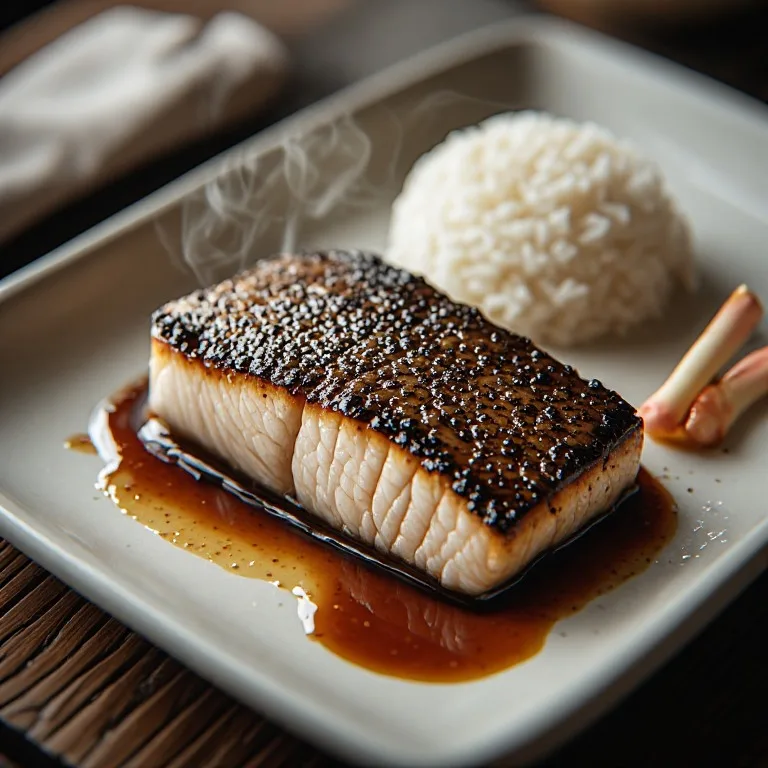
- Copycat Nobu Black Cod Miso — the 2-to-3-day Saikyo miso marinade that put Nobu on the map; this sushi rice is the traditional accompaniment
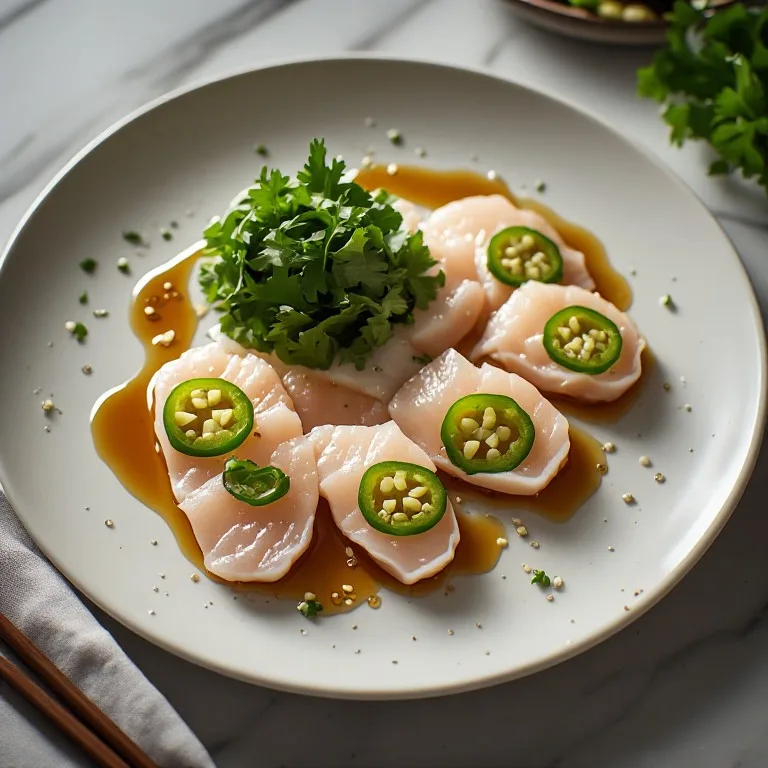
- Copycat Nobu Yellowtail Jalapeño — the thin-sliced yellowtail with jalapeño and yuzu soy, one of the dishes served with this rice
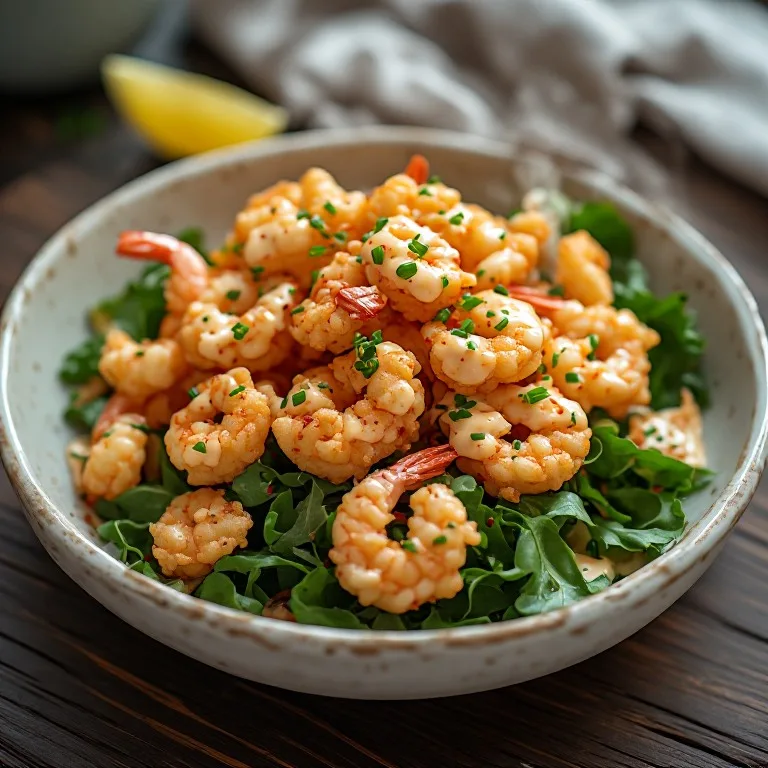
- Copycat Nobu Rock Shrimp Tempura — the creamy ponzu or spicy sauce-dressed tempura that launched a trend
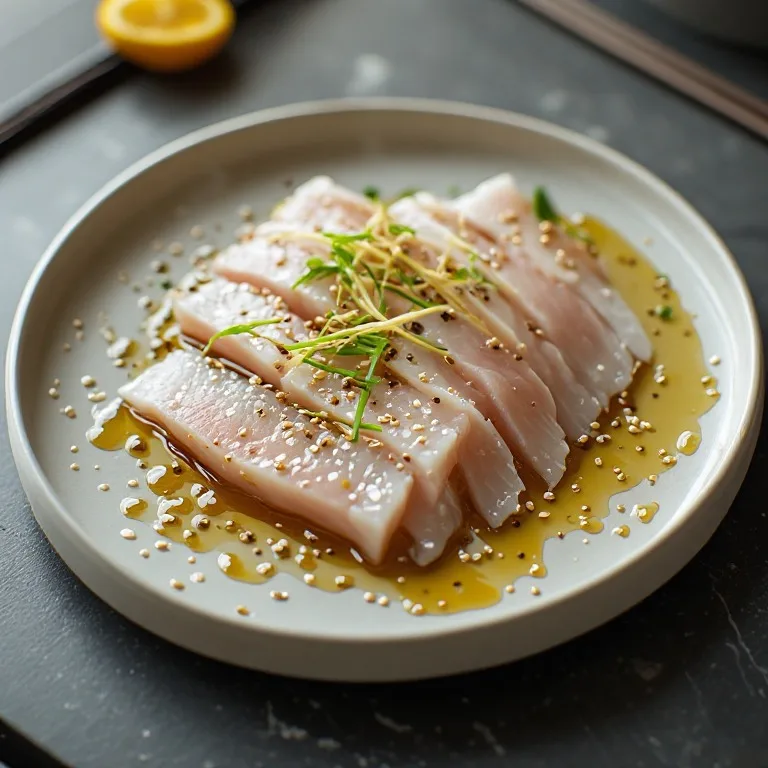
- Copycat Nobu New Style Sashimi — the hot sesame-ginger oil poured tableside, the other signature at the TriBeCa original
- Viral TikTok Sushi Bake — a crowd-serving casserole-style sushi using the same short-grain rice technique