Pin It

Copycat Olive Garden Spaghetti & Meatballs

Copycat Olive Garden Spaghetti & Meatballs
Jump to Recipe
Prep 25 min Cook 30 min Serves 4
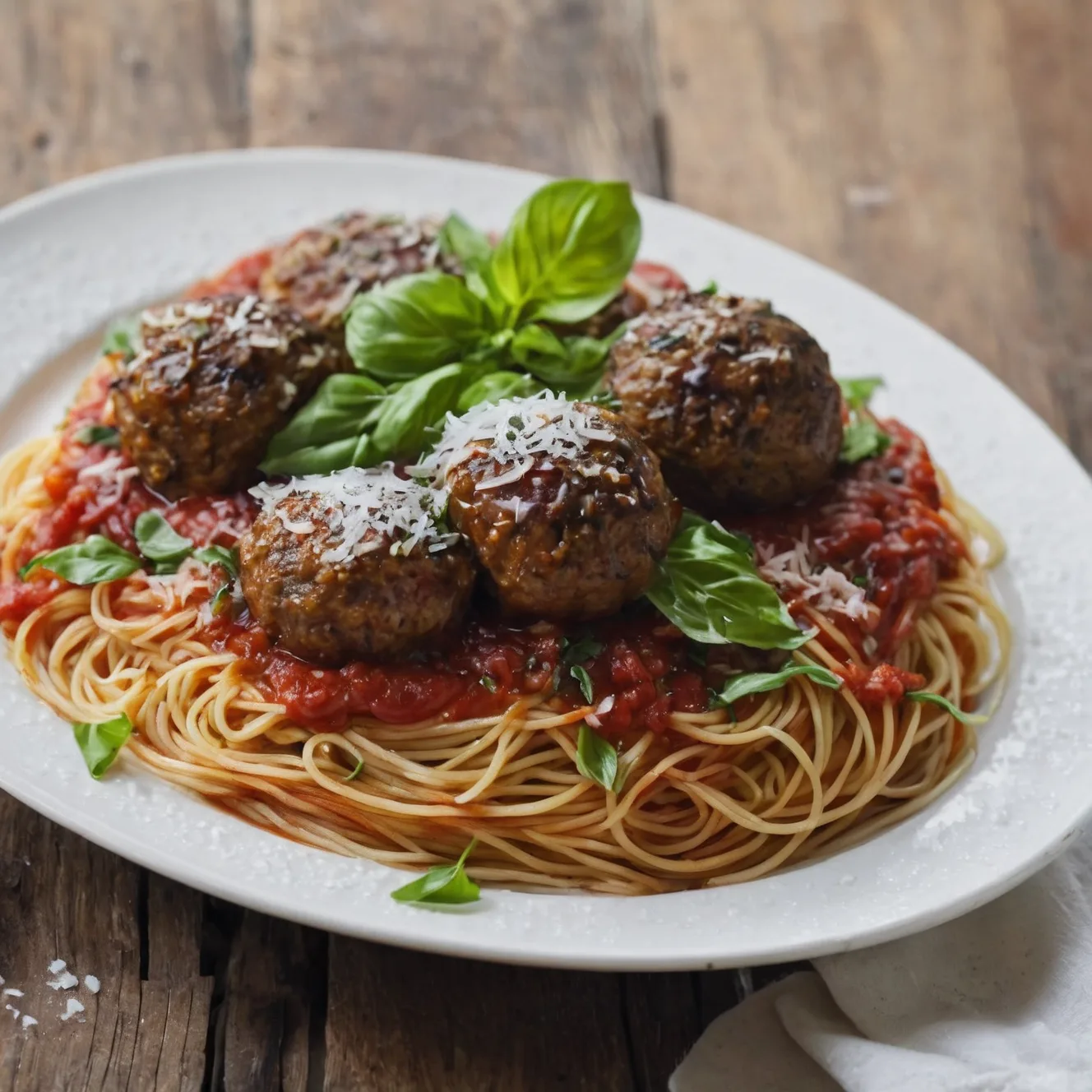
Quick answer: Olive Garden Spaghetti & Meatballs uses two large all-beef meatballs per plate — not the beef-pork blend most copycat recipes call for (confirmed by OG's own Pork & Alcohol chart, which lists the meatballs as pork-free). This copycat bakes them at 400°F rather than pan-frying, for a lighter, less greasy texture — the method credible copycat recipes use, though Olive Garden hasn't published its own. The flavor cue most home recipes miss is a half-teaspoon of fennel seeds in the meatball blend, which gives an Italian-sausage-adjacent note without any actual pork. The sauce comes in two options: marinara (~970 cal) or meat sauce (~1,120 cal) — and OG's Italian sausage lives in the meat sauce, not the meatballs. At home: mix 1½ lbs 80/20 ground beef with panko, milk, egg, garlic, Parmesan, Italian seasoning, and the fennel; roll into 8 large balls; bake at 400°F for 15 minutes; simmer in marinara 10 more minutes; serve over spaghetti. Restaurant price: ~$14–18. Home cost: ~$3–4 per serving.

Copycat Olive Garden Spaghetti & Meatballs

Olive Garden Spaghetti & Meatballs at home: two large baked all-beef meatballs (not beef-and-pork) in a garlic-forward marinara or hearty meat sauce. The differentiator most copycats miss: fennel seeds in the meatball blend, and baking instead of frying.

Easy Prep: 25 min Cook: 30 min Total: 55 min4 servings ~$4.50/serving
Prep25 min
Cook30 min
Total55 min
Servings
4
At home~$4.50/serving
vs
Restaurant~$20.25/serving
You save ~78%

Ingredients

Instructions

💡
Pro tip: This recipe tastes even better the next day. The flavors need time to meld together in the fridge.
❄️
Storage: Keeps in an airtight container in the fridge for up to 2 weeks. Freezer-friendly for up to 3 months.
~300-500 cal/serving

The Story Behind the Recipe

Copycat Olive Garden Spaghetti & Meatballs

Olive Garden’s Spaghetti & Meatballs is a permanent fixture on their menu — dinner or lunch, weekday or weekend — and one of the most copied dishes at home. Most copycat recipes get the meatballs wrong in at least one of three ways: they use pork when OG’s meatballs are all-beef, they pan-fry when the better-matching method is baking, or they leave out the fennel seeds that give these meatballs their Italian-sausage note without any pork. This version fixes all three.

What Makes OG Meatballs Different

All beef, not beef-pork. Olive Garden’s meatballs are pork-free. The pork flavor note in this dish — and it’s real — comes from the Italian sausage in the meat sauce option, not from the meatballs themselves. If you order marinara, you’re eating a genuinely pork-free plate (assuming no cross-contamination). Most copycat recipes don’t know this and call for a beef-pork blend, which produces a fattier, differently-flavored meatball.

Baked, not fried. Olive Garden has never published its cooking method, but the credible copycat consensus (CopyKat, Kitchen Divas) is that OG bakes rather than pan-fries — and baking fits the finished dish: a lighter exterior and a less greasy result than a pan-seared version. It also requires less active attention and works cleanly at the quantities needed for home cooking. If you prefer a darker, crispier crust, pan-searing is in the Variations section.

Fennel seeds. This is the ingredient most home versions skip, and it’s the most important flavor differentiator. Fennel is the seasoning that defines Italian sausage. Including a half-teaspoon in an all-beef meatball blend produces the Italian-sausage-adjacent flavor note without any pork. Crush the seeds lightly before adding them — a mortar and pestle, a spice grinder with a two-second pulse, or the flat of a knife all work. Whole seeds are fine too; they bloom in the oven.

The Panade: Moisture Inside the Meatball

The technique that keeps these meatballs tender is a panade: breadcrumbs soaked in liquid (here, panko and whole milk) mixed into the raw beef. As the meatball bakes, the hydrated crumbs release moisture slowly into the surrounding protein, preventing the beef from seizing into a dry, dense ball. Without the panade, a baked beef meatball loses most of its moisture to evaporation.

Let the panko and milk sit together for two minutes before mixing in the rest of the ingredients — fully saturated breadcrumbs distribute more evenly than dry crumbs that pick up moisture inconsistently. And mix with a fork, not your hands: hands warm the fat and compact the mixture, which makes the final meatball slightly tighter and denser than it should be.

Two Sauce Options: Marinara vs. Meat Sauce

Olive Garden offers this dish with either marinara or meat sauce:

Marinara (~970 cal): A fresh, garlic-forward tomato sauce with no meat. The meatballs are the only protein. This is the cleaner plate.

Meat sauce (~1,120 cal): A ground-beef-and-Italian-sausage ragu, where the meatballs sit on top. This is where the sausage in OG’s kitchen goes — not into the meatball. The result is two textures and two forms of beef in one bowl: the braise-finished meatballs plus the minced, sauce-integrated ground meat below.

The recipe below covers the marinara version. For the meat sauce, see Variations.

Sodium Note

The restaurant plate runs about 2,350mg of sodium for a dinner entrée — more than 100% of the daily recommended value before you add breadsticks or soup. The home version here is lighter (approximately 1,150mg) partly because home marinara and seasoning levels aren’t calibrated to restaurant standards of saltiness. If you’re cooking for a low-sodium diet, the healthier tips section covers additional reductions.

Variations

Meat sauce version: After the meatballs go into the oven, brown ½ lb 80/20 ground beef and ¼ lb Italian sausage (casings removed) in a saucepan over medium-high heat, breaking into small pieces. Drain off most of the fat. Add the marinara directly to the meat and simmer 15 minutes. Serve the meat sauce as the base; plate the meatballs on top.

Pan-seared meatballs (crisper exterior): Skip the baking step. Heat 2 tbsp olive oil in a large skillet over medium-high heat. Sear the meatballs in two batches, turning every 2 minutes, until browned on all sides and cooked through, about 10–12 minutes per batch. This produces a darker crust than baking — not OG’s method, but a preferred result for many people at home.

Make-ahead: Raw meatball mixture holds refrigerated up to 24 hours. Baked meatballs (without sauce) freeze for up to 3 months — freeze flat on a sheet pan first, then transfer to a bag. Reheat from frozen directly in simmering sauce, covered, for 20–25 minutes.

Cost Comparison
Olive GardenHomemade
Dinner entrée (per person)~$14–18
Full batch (4 servings)~$56–72~$13–16
Per serving~$15–16~$3–4

The home version saves significantly on cost while using nearly identical ingredients. Unlike some restaurant copycat dishes where the home version is substantially lighter, spaghetti and meatballs is calorically similar whether made at a restaurant or at home — the savings here are primarily financial.

Storage

Fridge: Meatballs in sauce keep 4–5 days, covered. Store leftover pasta separately — pasta continues absorbing sauce overnight and gets soft. Make fresh spaghetti when reheating.

Reheat: Warm meatballs and sauce in a saucepan over medium-low heat, covered, stirring occasionally. Add a splash of water if the sauce has thickened.

Freeze: Meatballs and sauce freeze well up to 3 months. Don’t freeze cooked spaghetti — it breaks down on thaw. Cook fresh pasta when ready to serve.

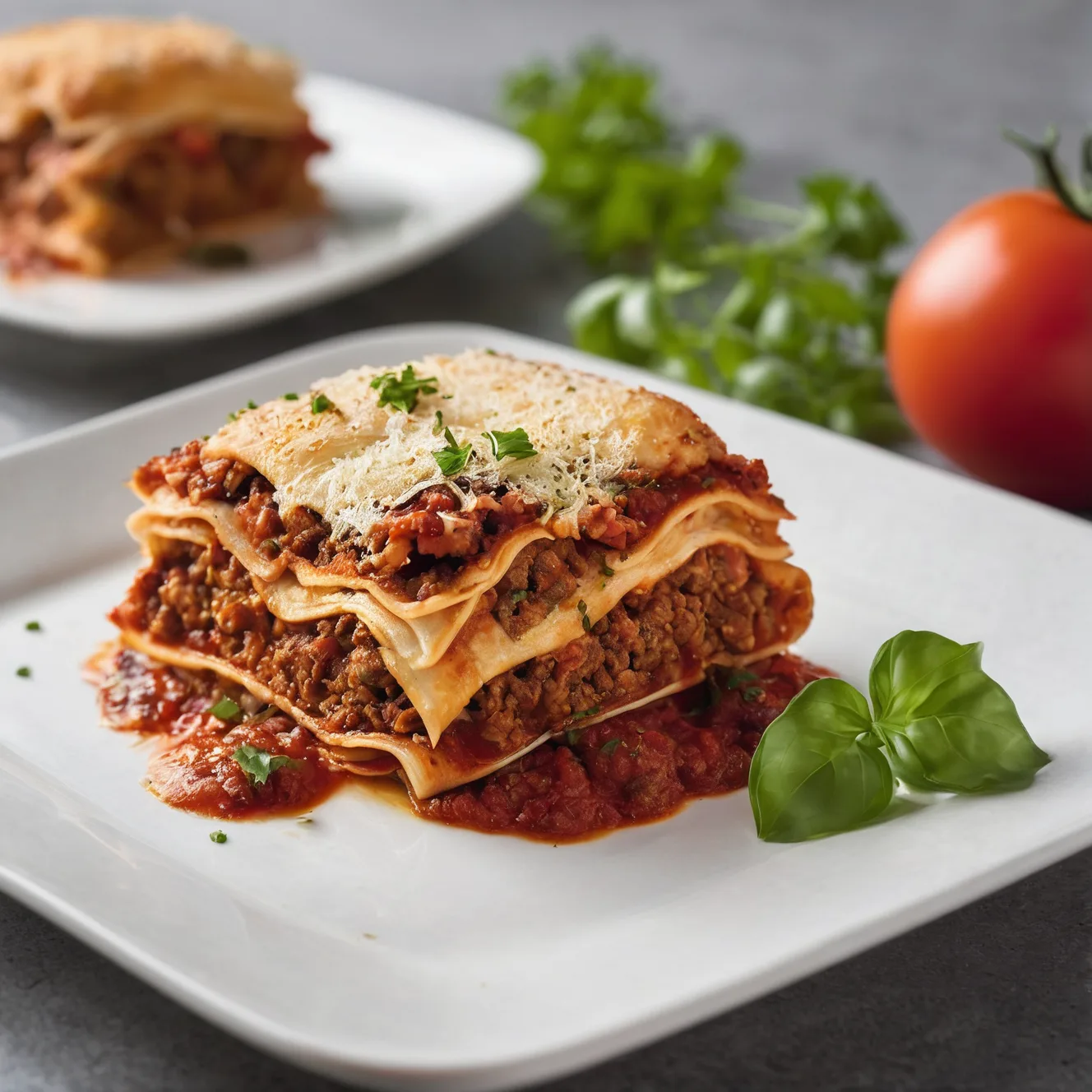
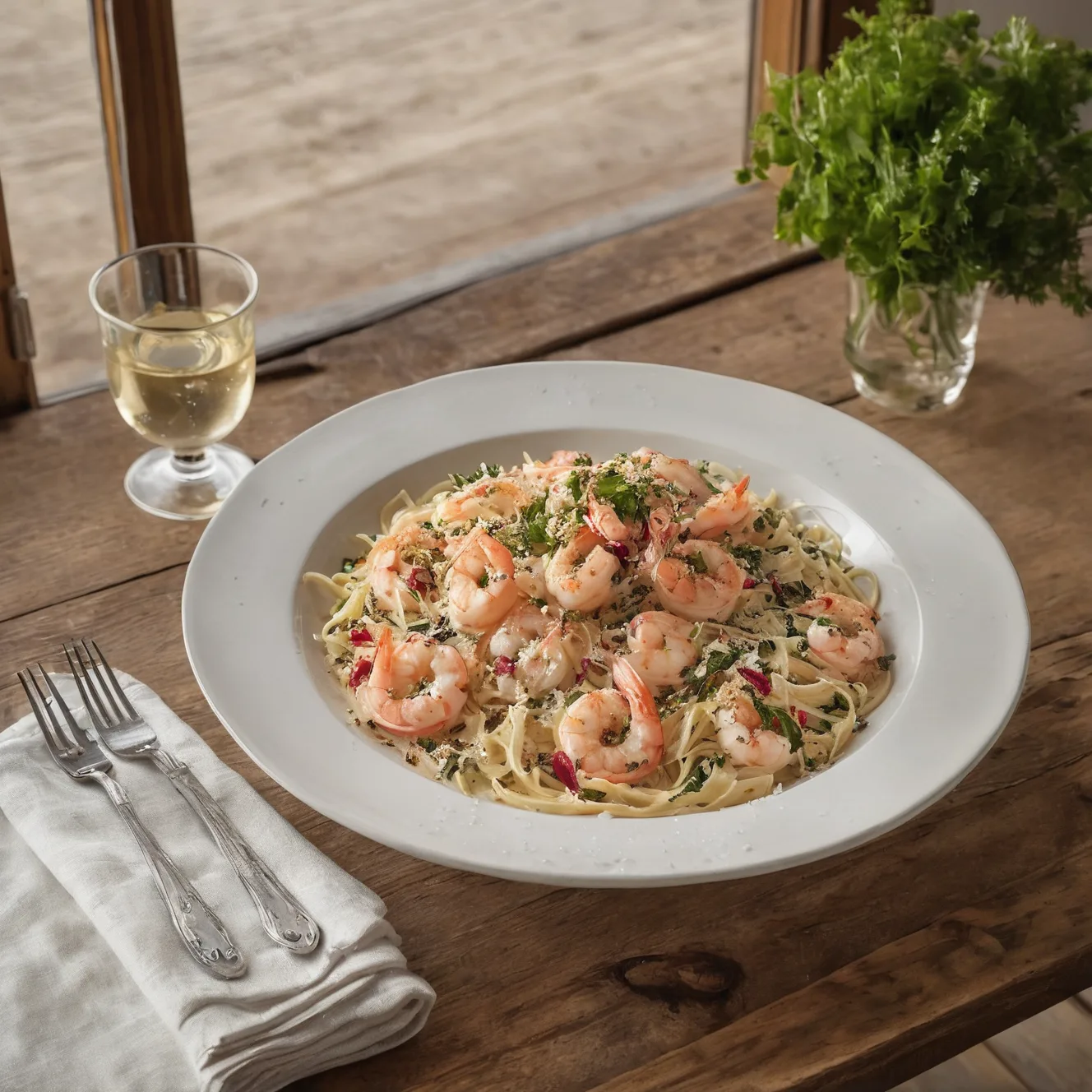
Pair with Olive Garden-style breadsticks, the house salad, and Zuppa Toscana or Pasta e Fagioli for the full OG experience at home. For other OG pasta dishes: Lasagna Classico, Chicken Scampi, Chicken Alfredo.

See all Olive Garden copycat recipes →
Nutrition Facts

Per serving (4 servings)
Calories980
Total Fat42g
Total Carbs100g
Dietary Fiber5g
Sugars9g
Protein45g
Sodium1,150mg

* Estimated values based on standard recipe preparation. Actual values may vary.

🥗

Make It Healthier

Love Olive Garden Spaghetti & Meatballs but want a lighter version? Try these simple swaps:

  • Use 90/10 lean ground beef — the panade provides enough moisture that the leaner beef still stays tender; cuts roughly 90 calories and 8g of fat per serving versus 80/20
  • Reduce pasta to 3 oz per serving (from 4 oz) and pair with a side salad — the two meatballs are the real centerpiece here
  • Use a low-sodium jarred marinara (Rao's Sensitive Formula or Mezzetta No-Salt-Added) — the restaurant version has about 2,350mg sodium per plate; this recipe's 1,150mg can drop further with a sodium-controlled sauce

Equipment You'll Need

Rimmed sheet pan with wire rack (optional)

The rack elevates the meatballs so they brown evenly underneath — without it, the bottom side can steam rather than brown against the foil

Instant-read thermometer

Meatballs look done before they are at 165°F; visual cues alone are unreliable for ground beef

Frequently Asked Questions

Does Olive Garden use beef and pork in their meatballs?

No — all beef. Olive Garden's meatballs are pork-free, confirmed by their own 'Pork and Alcohol Menu Information' pamphlet. This is the single most common error in copycat recipes: most home versions use a beef-pork blend (or a beef-pork-veal 'meatloaf blend') on the assumption that the restaurant does the same. They don't. The pork note in OG's Spaghetti & Meatballs comes from the meat sauce option — Italian sausage is in the SAUCE, not the meatball.

Where does the Italian sausage go in this dish?

Into the meat sauce option, not the meatballs. Olive Garden's meat sauce is a ground-beef-and-Italian-sausage ragu — similar to a Bolognese — cooked separately from the meatballs. The meatballs are placed on top. Many copycat recipes confuse this and add sausage to the meatball mixture, which produces a different flavor and texture. If you want the meat sauce version, see the Variations section — the meatball recipe stays the same.

Why do OG meatballs taste like Italian sausage if they're all-beef?

Fennel seeds. Fennel is the primary seasoning that gives Italian sausage its distinctive flavor, so a half-teaspoon in an all-beef blend reproduces that sausage-like note without any actual pork. Olive Garden has never published its meatball ingredient list, but fennel is the standard cue credible copycats (such as Kitchen Divas) use to hit the flavor. Lightly crushed or left whole, the seeds bloom during baking and give the meatball a more complex, anise-forward savoriness than a plain seasoned beef ball. Many home recipes skip fennel entirely, or only put it in the meat sauce variant — adding it to the meatball itself is what closes the gap.

Does Olive Garden bake or pan-fry their meatballs?

Bake. Olive Garden hasn't publicly stated its method, but the credible copycat consensus (CopyKat, Kitchen Divas) is that OG bakes rather than pan-fries — which fits the finished texture: a lighter, less-greasy exterior that browns in dry oven heat rather than crisping in oil, and a method that scales cleanly to a restaurant baking sheet. For this home version, baking at 400°F for 15 minutes produces that texture. Pan-searing is listed as an alternative in the Variations section — it creates a darker, crispier crust, which many people prefer at home.

How many meatballs does Olive Garden serve per order?

Two per dinner entrée — two large meatballs, which are genuinely large (each roughly 3 oz cooked). Lunch-sized portions may come with two smaller meatballs or a smaller portion of the same two. This recipe makes 8 meatballs (2 per serving across 4 servings), matching the restaurant count.

How many calories in Olive Garden Spaghetti & Meatballs?

Approximately 970 calories with marinara, or 1,120 calories with meat sauce, for a dinner entrée. Sodium is notably high at about 2,350mg for the dinner plate — over 100% of the daily recommended value. The lunch-sized version with marinara runs about 630–740 calories. This home recipe (marinara, 4 servings from 1½ lbs of 80/20 beef and 1 lb of pasta) is not meaningfully lighter — roughly 980 calories per serving. Spaghetti and meatballs is one of the few copycat dishes where the home version doesn't save you calories: the fatty ground beef and the pasta make it calorie-dense wherever it's made. Where you win at home is sodium — about 1,150mg here versus 2,350mg at the restaurant — because home marinara and seasoning aren't calibrated to restaurant saltiness.

Can I use jarred marinara for the sauce?

Yes. OG's marinara is a garlic-forward, freshly made tomato sauce — not sweet, not heavily herbed, and more aggressively garlicky than most American-style jarred tomato sauces. Rao's Homemade Marinara is the closest jarred match to OG's character: it's oil-forward and garlic-prominent without added sugar. Avoid sauces with a distinctly sweet, ketchup-adjacent flavor profile — they'll pull the dish in a direction OG's kitchen doesn't go. If making from scratch: bloom 4–5 cloves of minced garlic in ¼ cup olive oil over medium heat until fragrant (about 90 seconds), add 1 can (28 oz) crushed San Marzano tomatoes, season with salt and dried basil, and simmer uncovered 25 minutes.

Love this recipe? Share it!

Shop the tools

Gear matched to this recipe's equipment list. We may earn a small commission if you buy through these links — at no extra cost to you.

As an Amazon Associate, Copycat Spices earns from qualifying purchases.

Free PDF: our 12 most-wanted copycat recipes — instant download.

Ratings & Reviews

No ratings yet

Rate this recipe

Click a star to rate

Leave a Review

0/500

CS

Copycat Spices Test Kitchen

Every recipe on Copycat Spices is developed and tested in our home test kitchen. We reverse-engineer beloved restaurant dishes and refine each one until the flavors and the instructions work reliably for home cooks of all skill levels.

Learn more about our mission →