


What Makes These “Bites” Rather Than Mini Croissants
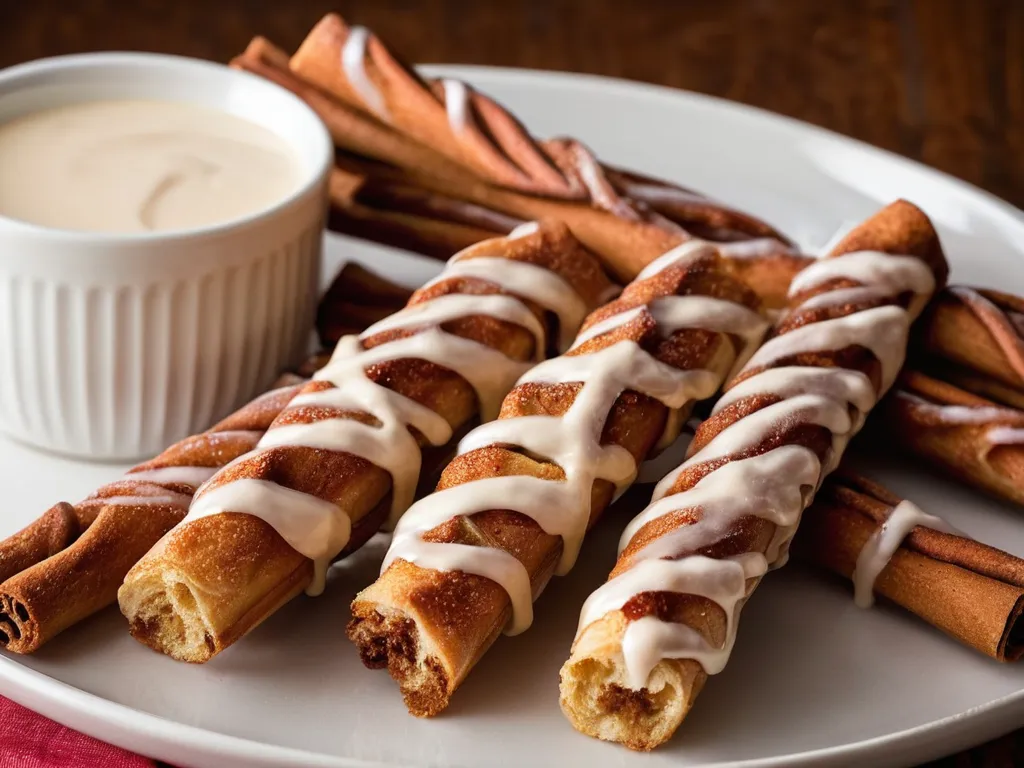
The difference is portion size and the icing format. A mini croissant is one self-contained item, typically served with butter. These are sized for a single two-bite piece — deliberately smaller than a table roll — and the icing is not drizzled over them the way a cinnamon roll gets frosted. It’s served separately, in a ramekin, as a dip.
That format changes how you eat them. You break off a warm bite, dunk it into the icing, and the thick vanilla sauce coats the flaky interior layers that the bite exposes when torn. If the icing were drizzled on top, it would just add sweetness. As a dip, it adds richness in proportion to how much of each bite you submerge — which is up to you.
The icing in this recipe is intentionally thicker than a standard drizzle. One cup of powdered sugar to only 2 tablespoons of liquid produces a dip that holds on a spoon for 2–3 seconds before falling. If you thin it to drizzle consistency, it slides right off a warm bite before you can get it to your mouth. Err thick.
Why Crescent Roll Dough Works Here
Real croissant dough requires 3-day lamination — alternating butter and dough layers folded 27 times. It’s not a weekday project. Refrigerated crescent roll dough is pre-laminated dough at a cruder level, but it contains the same basic logic: layers of fat-separated dough that steam and separate in the oven, producing flakiness.
For a bite-sized piece baked 11–14 minutes, crescent dough achieves roughly 70–80% of the flakiness of real croissant dough at 5% of the effort. The main visible difference is the interior: crescent roll bites have a slightly tighter, softer crumb compared to the open honeycomb of a professional croissant. From the outside — and especially once a cinnamon crunch topping is caramelized over the surface — the difference is minimal.
If you want to get closer: use Pillsbury Grands! Crescent Rolls (the larger size). The extra dough per triangle gives slightly more layering when rolled. Cut each large triangle into two, and the finished bites are noticeably more substantial than the standard 8-count tube.
For puff pastry: see the FAQ above. The texture is more authentically laminated at the cost of a slightly different shape (spiral rounds rather than crescent rolls), and the bake time stretches to 15–18 minutes.
The Icing as a Tool, Not an Afterthought
The cinnamon crunch topping carries the top of each bite. The icing handles the inside. When you dip a warm croissant bite into the thick vanilla icing, the icing seeps slightly into the warm flaky layers exposed by the break — you get warm, buttery dough + caramelized cinnamon crust + vanilla cream in the same bite.
Keep the icing warm enough to stay fluid. If the icing sits at room temperature for 20 minutes and tightens up, whisk in a teaspoon of cream to loosen it. If you’re making these for a group and want to keep the icing workable for longer, nestle the ramekin inside a slightly larger bowl with an inch of warm water at the bottom — the gentle heat keeps it at dipping consistency without thinning it.
The cream cheese variation (substituting softened cream cheese for part of the heavy cream) gives a tangier, thicker dip that leans toward Panera’s cream cheese spread territory. That’s worth trying once you’ve done the basic vanilla version — the tang offsets the sweetness of the cinnamon crunch topping in a way that plain vanilla doesn’t.
More Fall Panera Bakery Copycats
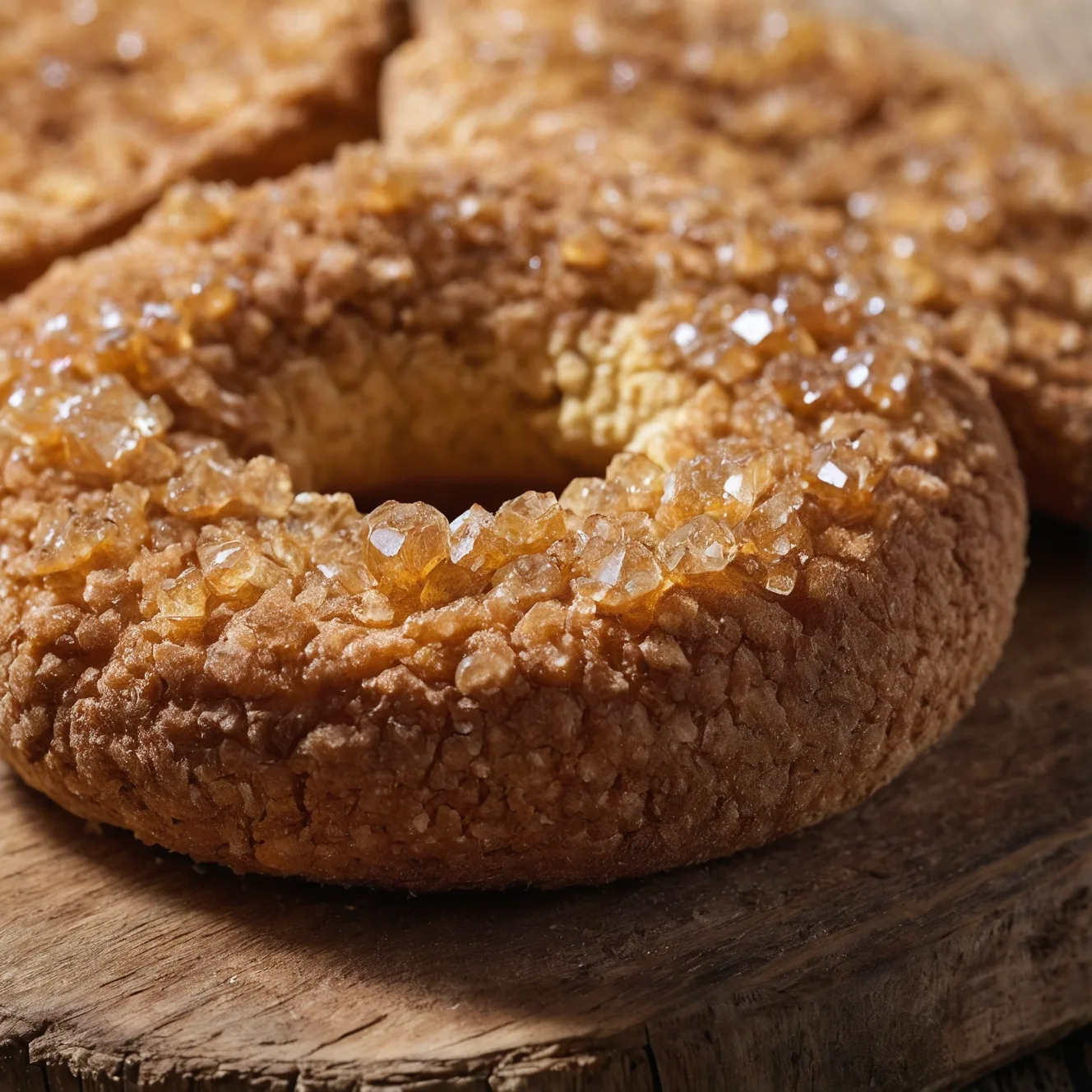
- Panera Cinnamon Crunch Bagel — the same coarse-sugar cinnamon crunch technique, on a boiled bagel
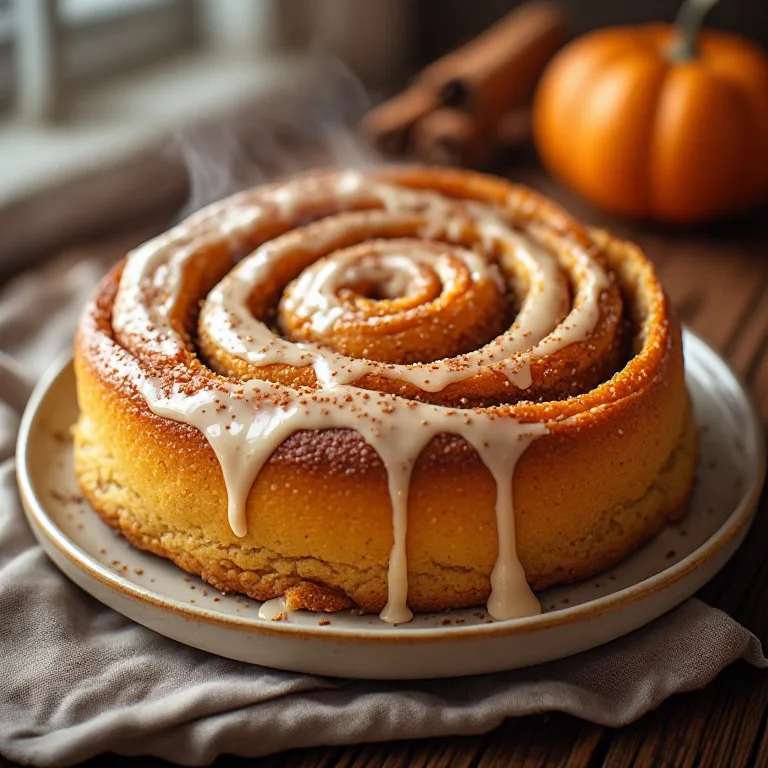
- Panera Pumpkin Cinnamon Roll — clove-forward pumpkin filling with poured cream cheese icing, fall 2026
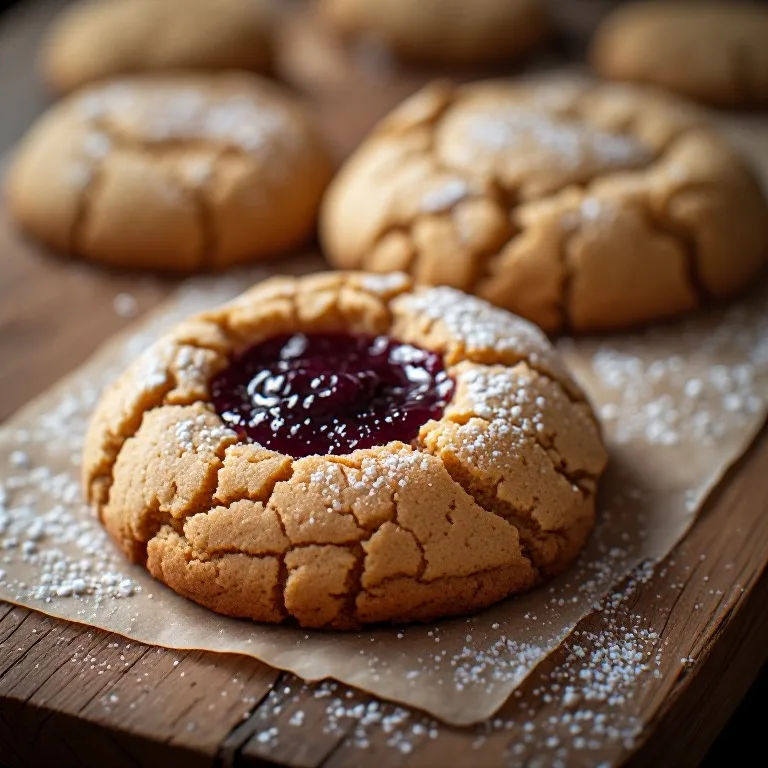
- Panera PB&J Cookie — soft peanut butter thumbprint with grape preserves center, also fall 2026
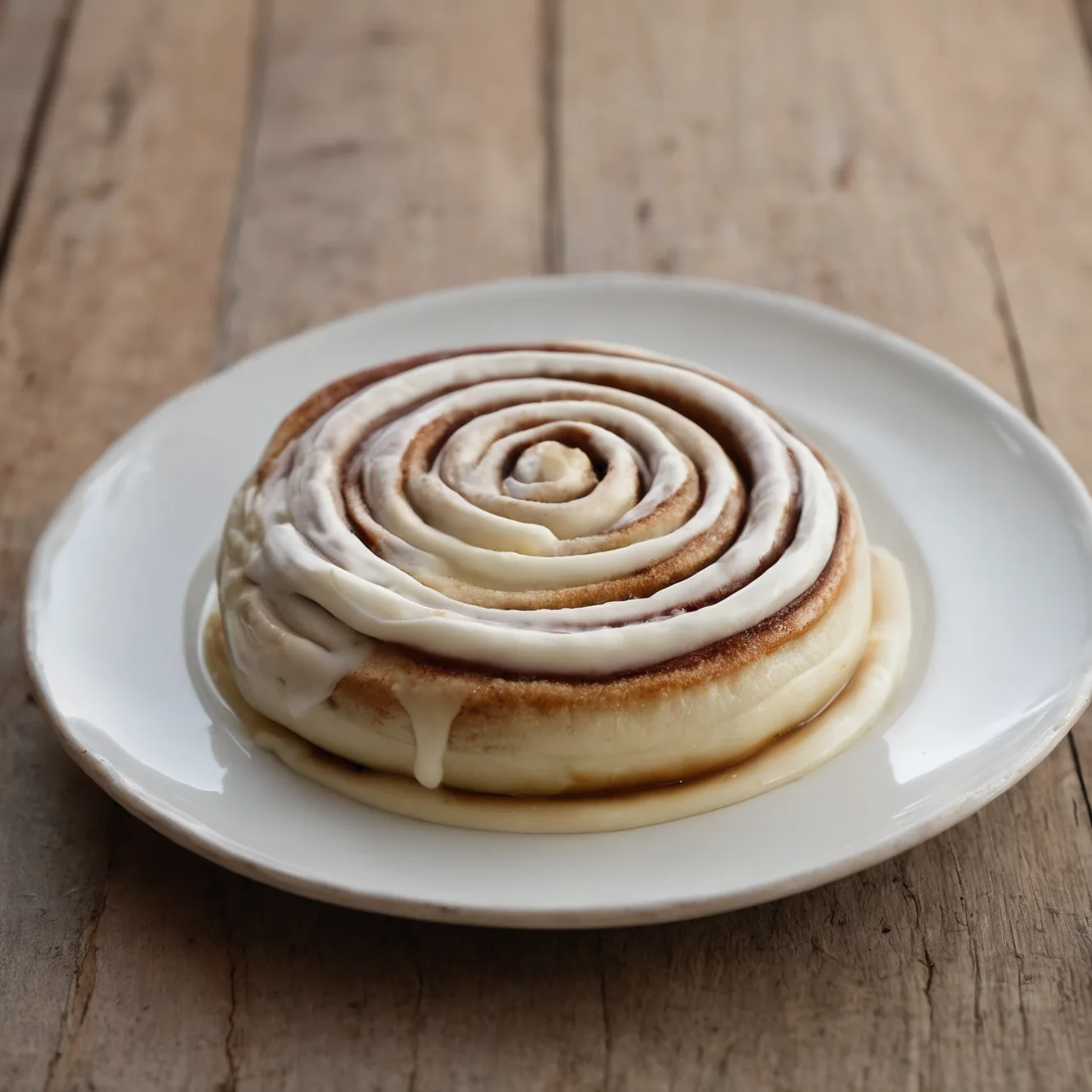
- Copycat Cinnabon Cinnamon Rolls — full-sized rolls if you want the deep dive on laminated sweet dough
- Cinnabon Cinnamon Sticks — same format as these bites, different flavor profile