

Peter Luger Extra-Thick Bacon Appetizer
Prep time: 5 min | Cook time: 12 min | Serves: 4 as an appetizer
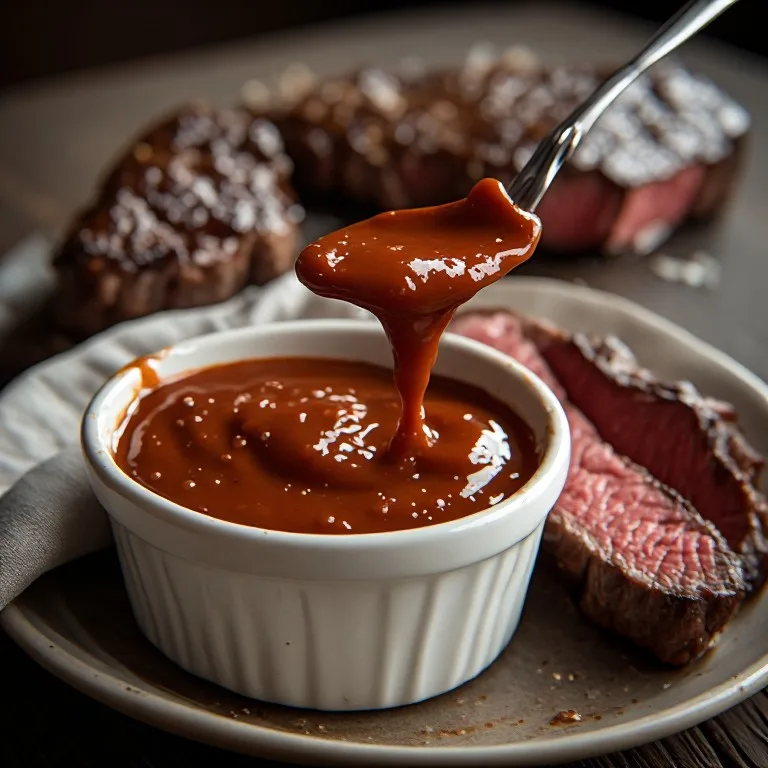
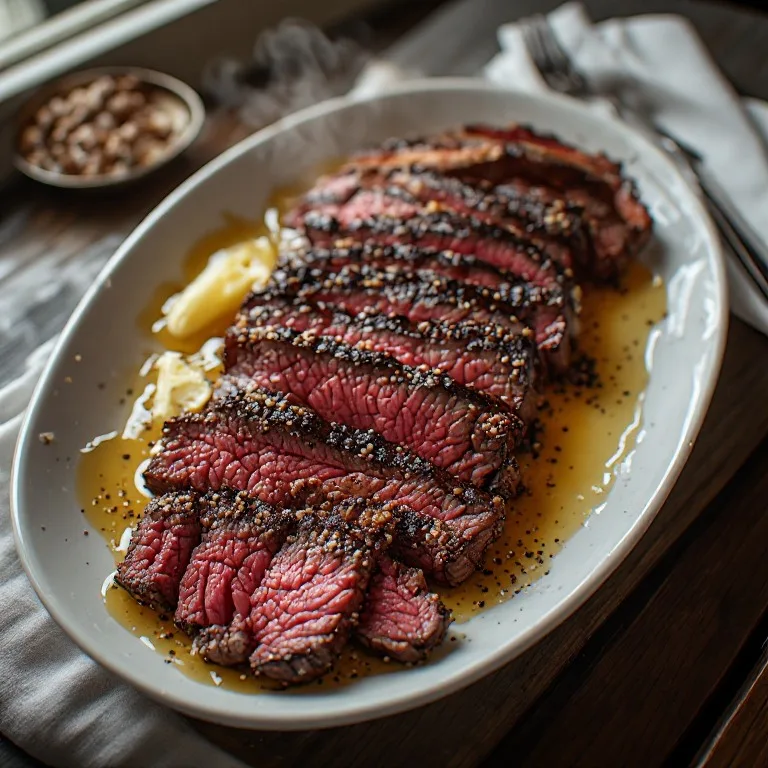
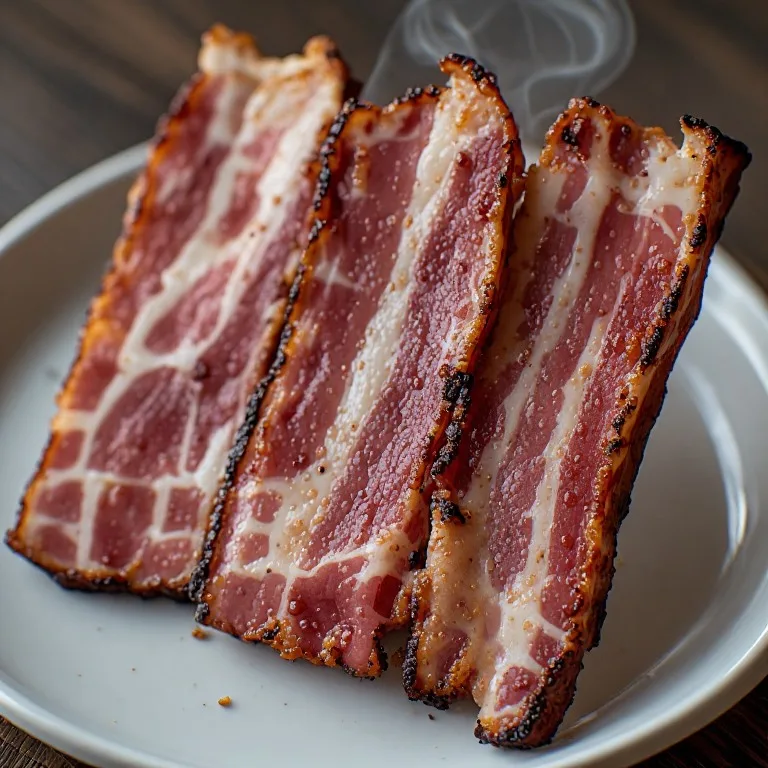
For decades, this was not on the menu — it was staff food. The extra-thick bacon at Peter Luger started as a kitchen perk, something the people cooking the $120 porterhouses got to eat before service. Word leaked to regulars, word spread further, and by the mid-1990s it was a permanent fixture: a plate of 3 to 4 slices of extra-thick applewood-smoked bacon, broiled until the fat edges caramelize to near-black and the center stays meaty-tender, served with the restaurant’s famous steak sauce. Today it’s one of the most iconic appetizers in New York.
The recipe is short. The technique is specific. Most homemade attempts fail not because the recipe is complex but because they start with the wrong bacon — 1/4-inch “thick-cut” from a grocery store instead of the 3/8-inch slab that makes the dish what it is. At the thinner cut, you get very good pan bacon. At 3/8 inches, the fat has enough mass to blacken at the edges while the center stays fatty-rich and tender — the contrast that is the whole point.
The Two Things That Matter
1. Thickness. Standard bacon is 1/16 inch. Most “thick-cut” at grocery stores is 3/16 to 1/4 inch. Peter Luger serves 3/8-inch slices. The only path to this at most stores is asking a butcher to slice slab bacon to order. Nueske’s sells thick-cut mail-order. Peter Luger sells their own product direct. None of these are expensive options — the expense is in the sourcing, not the ingredient.
2. A fully preheated broiler. The restaurant uses commercial salamander broilers at 700 to 900 degrees. A domestic broiler tops out around 500 to 550 degrees, but only if you let it preheat for 15 full minutes. Most home cooks preheat for 3 to 5 minutes, getting an element that is still warming up and produces uneven, steamy results. Fifteen minutes of preheat is the closest approximation of the caramelizing heat Peter Luger’s kitchen uses.
The Full Peter Luger Night at Home
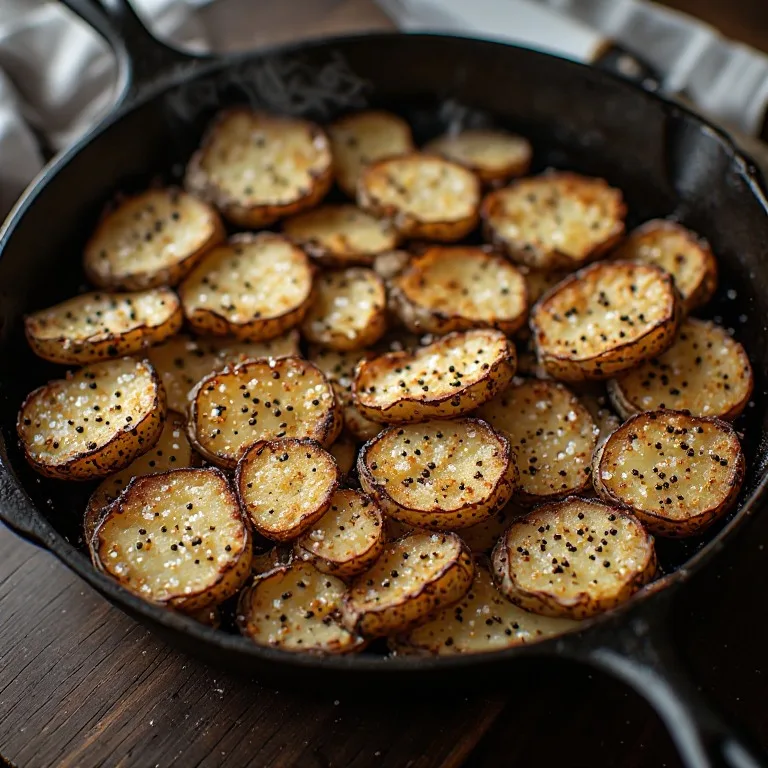
This bacon is the first course. The full sequence: bacon arrives while you’re still at the table, the porterhouse follows, German fried potatoes alongside, steak sauce present throughout. See the seeAlso links below for the porterhouse, German potatoes, and steak sauce recipes — they are built to be made together as a single dinner.