


Pin It

Quality Italian Chicken Parm Pizza (The Breaded Chicken Crust, Made at Home)

Quality Italian Chicken Parm Pizza (The Breaded Chicken Crust, Made at Home)
Jump to Recipe
Prep 20 min active, 1 hr freeze Cook 25 min Serves 2 to 3
Quick answer: Mix 1.5 lbs ground chicken with 1 egg, 1/3 cup Panko, 3 tablespoons grated Parmesan, 1 teaspoon each garlic powder and onion powder, 1 teaspoon dried oregano, 1 teaspoon kosher salt, and 1/2 teaspoon black pepper until combined. Line a sheet pan with parchment and lightly oil it. Press the chicken mixture out into a circle about 10 to 11 inches across and 1/2 to 3/4 inch thick — it should look like a hockey puck but wider. Freeze uncovered for 45 to 60 minutes until the disc is firm enough to handle without deforming. While it freezes, set up three breading dishes: all-purpose flour in the first, 2 eggs beaten with 2 tablespoons of water in the second, and 1.5 cups Italian-seasoned breadcrumbs (or Panko mixed with 2 teaspoons Italian seasoning and 1/2 teaspoon garlic powder) in the third. Take the disc from the freezer and bread it immediately — flour, then egg wash, then breadcrumbs, pressing the crumbs gently into the surface so they adhere. Heat 2 inches of neutral oil (vegetable or canola) in a wide Dutch oven or high-sided skillet to 350°F. Lower the disc carefully into the oil and fry for 5 to 6 minutes per side until deep golden brown and the internal temperature reads 165°F — the outside should be cracker-crisp, not pale. Transfer to a wire rack set over a sheet pan. Spread 1/2 cup of crushed San Marzano tomatoes over the surface in a thin layer, leaving a 1/2-inch rim. Top with 6 ounces of shredded low-moisture mozzarella and 3 ounces of fresh mozzarella torn into rough pieces. Finish with 1/4 cup of freshly grated Parmesan. Bake on a sheet pan in a 450°F oven for 6 to 8 minutes until the cheese is fully melted and beginning to brown in spots. Let rest for 2 minutes before slicing. Top with fresh basil and a drizzle of extra-virgin olive oil before serving.

Quality Italian Chicken Parm Pizza (The Breaded Chicken Crust, Made at Home)

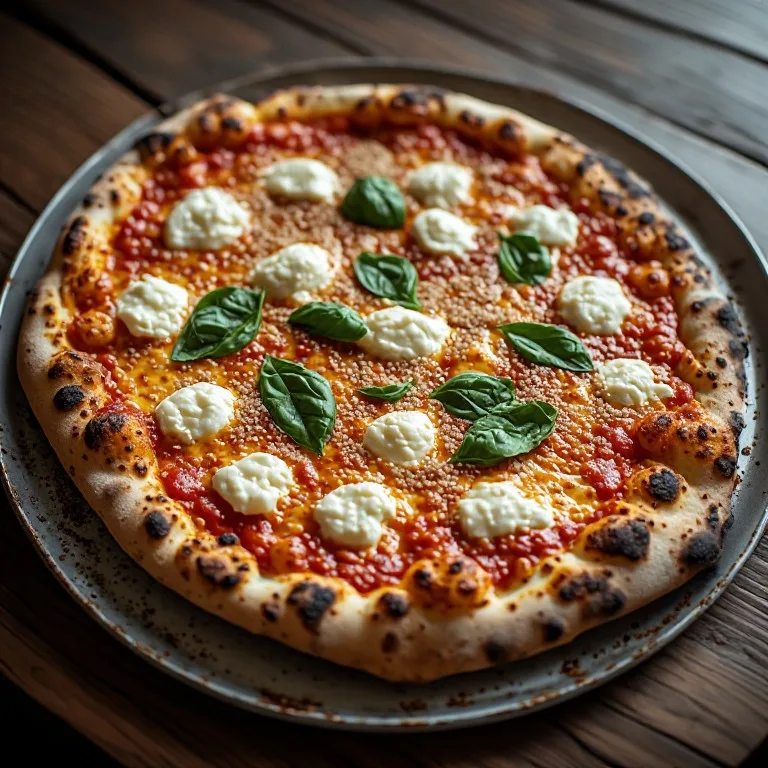
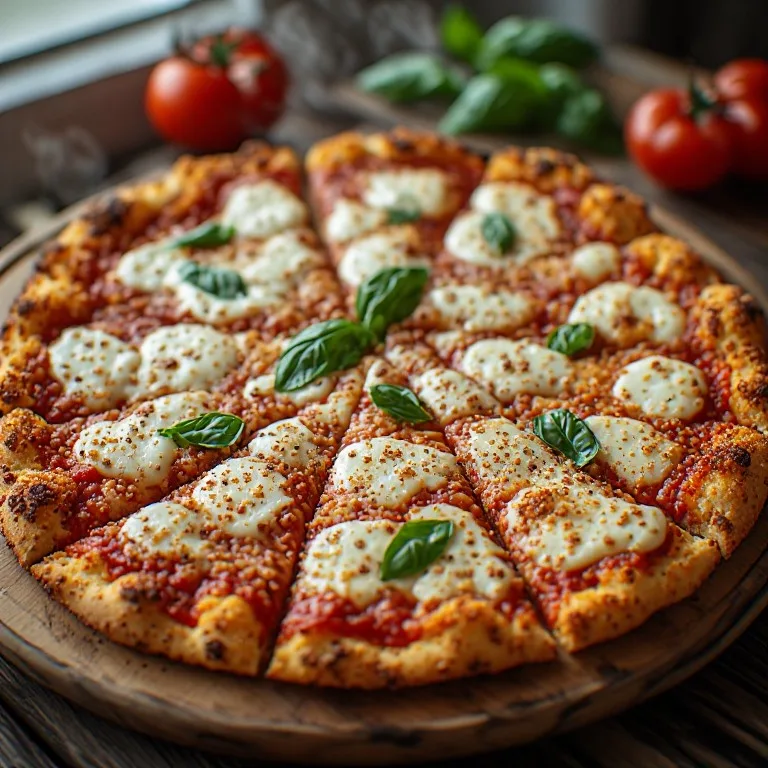
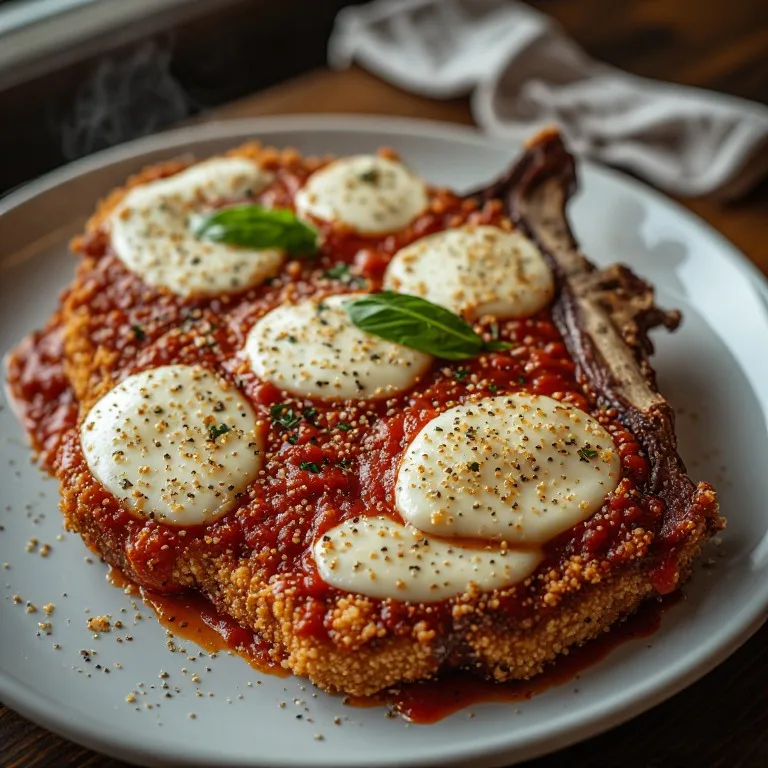
Quality Italian's chicken parm pizza uses a giant breaded ground chicken cutlet as the crust — no pizza dough. Ground chicken is seasoned with Italian spices, formed into a disc, frozen solid, breaded and deep-fried golden, then topped with San Marzano sauce and mozzarella and finished in a 450°F oven. This is the full home version of the dish LeBron James keeps coming back for.

Intermediate Prep: 20 min active, 1 hr freeze Cook: 25 min Total: 1h 45m2 to 3 servings ~$4.50/serving
Prep20 min active, 1 hr freeze
Cook25 min
Total1h 45m
Servings
2
At home~$4.50/serving
vs
Restaurant~$20.25/serving
You save ~78%

The Story Behind the Recipe

Quality Italian's chicken parm pizza uses a giant breaded ground chicken cutlet as the crust — no pizza dough. Ground chicken is seasoned with Italian spices, formed into a disc, frozen solid, breaded and deep-fried golden, then topped with San Marzano sauce and mozzarella and finished in a 450°F oven. This is the full home version of the dish LeBron James keeps coming back for.

Ingredients

  • Chicken crust
  • Breading
  • Toppings

Instructions

💡
Pro tip: This recipe tastes even better the next day. The flavors need time to meld together in the fridge.
❄️
Storage: Keeps in an airtight container in the fridge for up to 2 weeks. Freezer-friendly for up to 3 months.
~250-450 cal/serving · Lighter Option🥗
🎃 Free Halloween cookbook — download now The Copycat Halloween Cookbook A ready-made, photo-illustrated PDF of our best halloween copycat recipes — free to download, no building required. Pay what you want to support if you love it.

Free PDF — instant download. We'll also send new seasonal copycat recipes now and then; unsubscribe anytime. Or just download it →

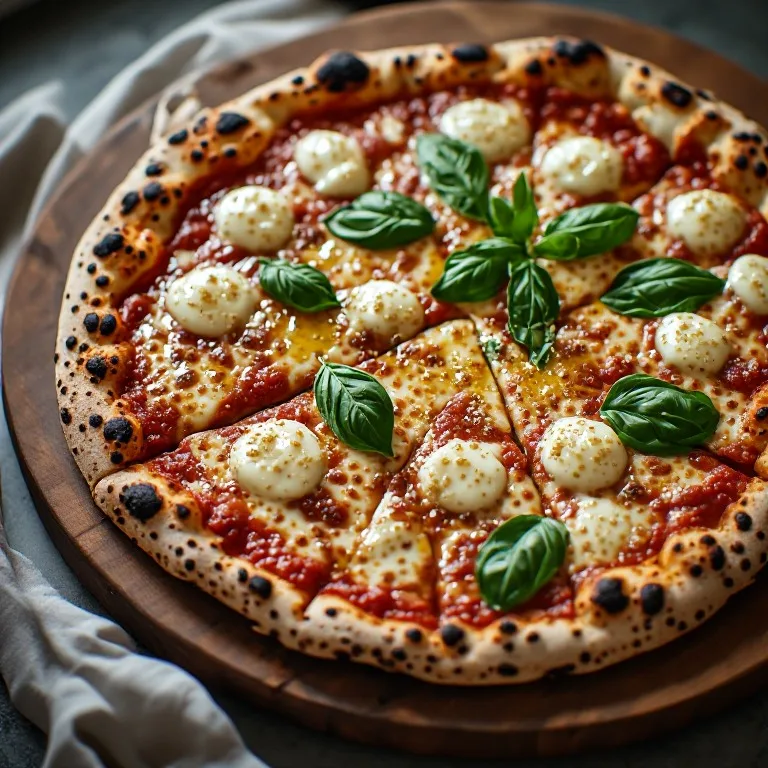
Quality Italian’s chicken parm pizza is one of New York City’s most recognizable restaurant dishes: a giant breaded ground chicken cutlet that serves as the entire crust, topped with San Marzano sauce and two kinds of mozzarella. No dough. No yeasting. Just a well-seasoned disc of ground chicken that gets frozen, breaded, deep-fried golden, and finished in a hot oven under bubbling cheese.

The restaurant has been serving it on West 57th Street since 2014. LeBron James is its most publicly documented fan. This is the full home version, with every step that makes it work.

What makes this different from regular chicken parm

Standard chicken parmesan is a pounded breast cutlet. This is ground chicken mixed with egg, Panko, Parmesan, and Italian seasoning, shaped into a wide disc, and frozen until solid enough to bread and fry without falling apart. Ground chicken holds together as a cohesive mass after cooking — it cuts cleanly and eats like a thick, dense cutlet from edge to center, which is exactly what you want in a dish that doubles as a pizza crust.

The freeze step is the part most home recipes skip and the reason home versions often fail. Unfrozen or merely chilled ground chicken will deform the moment it hits hot oil. Fully frozen, it sets a crust in the first two minutes of frying that locks the disc’s shape for the rest of the cook.

The tomato sauce: use less than you think

The chicken base is already fully cooked from frying. There is no raw dough underneath that needs heat and moisture. A heavy layer of sauce will steam the crust from the top down in the oven and undo the work you did frying it crispy. Use crushed San Marzano tomatoes seasoned with salt and a pinch of dried oregano, spread thin — closer to a coat of paint than a traditional pizza sauce layer. The cheese is the dominant topping, not the sauce.

Two-mozzarella setup

Use shredded low-moisture mozzarella for the base layer and torn fresh mozzarella on top. The low-moisture gives you stretch and coverage. The fresh gives you cream pockets and the slightly charred, blistered spots the oven creates. Either alone is the wrong choice: all low-moisture is plasticky and uniform; all fresh releases enough water to soak the crust. Combined, they behave the way the dish is supposed to.

How many it serves and what to pour alongside

One 10-to-11-inch disc cuts into 6 to 8 wedges and comfortably feeds 2 to 3 people as a main, or 4 as a shared starter. It is rich and chicken-forward, so a sharp, acidic side balances it: a simple arugula salad dressed with lemon and olive oil, or a plate of Caesar. To double the recipe, make two separate discs rather than one giant one — a disc much wider than 11 inches is nearly impossible to flip in the oil without cracking. Fry them one at a time, hold the first on a wire rack in a low oven, then top and bake both together. For wine, a medium-bodied Italian red like Chianti Classico or a Montepulciano cuts the richness the way it does with classic chicken parm.
Frequently Asked Questions

What exactly is Quality Italian's chicken parm pizza and why is it famous?

Quality Italian is a Midtown Manhattan Italian-American restaurant on West 57th Street, part of the Quality Branded restaurant group (which also runs Quality Meats and other New York restaurants). They opened in 2014 and the chicken parm pizza — which they officially call Chicken Parmigiana Pizza — became the dish that defined the restaurant almost immediately. The concept is straightforward but surprising: instead of pizza dough, the crust is a full breaded chicken cutlet large enough to serve as a pizza base. It is made from seasoned ground chicken pressed into a disc, frozen to hold its shape, then breaded and deep-fried before being topped with sauce, mozzarella, and Parmesan and finished in the oven. The dish reads like a visual joke on first glance — it looks exactly like a pizza until you cut into it and realize the base is chicken all the way through — but it eats like a very good chicken parmesan in pie format. LeBron James is the restaurant's most publicly documented fan and has been photographed and spotted there multiple times. The dish has been covered by ABC7 New York, Eater, and a dozen food media outlets and remains one of the most Googled restaurant signature dishes in New York City.

Why does the ground chicken disc have to be frozen before breading?

Ground chicken is much softer and stickier than a pounded breast cutlet. Unfrozen or merely chilled, the disc will deform when you try to pick it up for breading, and it will buckle or break apart when it hits the hot oil. Freezing the shaped disc for 45 to 60 minutes gives it enough structural integrity to survive the breading process and the first few minutes in the oil, at which point the outer crust sets and locks the shape. It does not need to be frozen solid — you are not making a chicken ice block — just firm enough that it holds its edges when you flip it gently in your hands. If you press your thumb into the center and leave an impression, it needs more time. If it feels rigid all the way through, it is ready. Work quickly once it comes out of the freezer and bread it within a few minutes of pulling it.

Can I use boneless chicken breasts instead of ground chicken?

Ground chicken is what Quality Italian uses and it is the right approach for this dish. A whole pounded chicken breast gives you a different texture — the meat fibers run in one direction, which means the crust can split or pull apart when cut, and pounding a breast to cover 10 to 11 inches while staying an even thickness is genuinely difficult. Ground chicken mixes with the egg and breadcrumbs into a cohesive mass that holds its shape cleanly after frying and cuts like a well-structured cutlet. That said, if you want to adapt: take three boneless skinless chicken breasts, place them between sheets of plastic wrap, and pound to an even 1/3-inch thickness, then arrange them overlapping slightly on the parchment to form a rough circle, pressing the overlapping edges to seal. Bread and fry as written. The result is closer to a schnitzel under the toppings — still good, just different. The ground chicken version is far more forgiving and closer to the restaurant's actual dish.

What kind of mozzarella should I use and does it matter?

Use both kinds, which is what the restaurant does. Low-moisture mozzarella — the kind sold in solid blocks or pre-shredded bags — melts smoothly, stretches, and provides the backbone of the cheese layer. Fresh mozzarella adds creaminess and moisture but, used alone, releases too much water and makes the crust soggy. By combining shredded low-moisture mozzarella (the majority) with torn fresh mozzarella (smaller, placed on top), you get clean stretch from the low-moisture cheese and the creamy pockets from the fresh. Do not use pre-shredded bagged mozzarella if you can avoid it — anti-caking agents coat the shreds and impede melting. Shred a block of low-moisture mozzarella yourself. For the fresh mozzarella, the standard water-packed balls (ciliegine or standard 8-oz balls) both work; dry them briefly on paper towels before using.

How do I keep the chicken from falling apart or breaking during frying?

Three things prevent this. First and most important: freeze until genuinely firm before breading — do not rush this step. Second: lower the disc into the oil gently. Use a wide, flat spatula or a spider/skimmer to slide it in at a slight angle so the whole surface contacts the oil rather than one side folding over the other. Do not drop it. Third: do not flip too early. The disc needs about 5 to 6 minutes on the first side to set the crust enough to flip without cracking. When the edges start to look golden and you can slide a wide spatula cleanly underneath without resistance, it is ready to flip. If it sticks, it needs more time. Use two spatulas for the flip — one to lift, one to guide — and work smoothly. The first fry is always more nerve-wracking than the second; the set crust makes the second side easier.

What oil should I use and how much?

Use a neutral oil with a high smoke point: vegetable, canola, or refined sunflower oil. You need enough oil to come about 2 inches up the sides of the pan — the disc is thick and frying it on the bottom only requires sufficient depth for the oil to climb partway up the sides and cook it evenly. In a 12-inch wide Dutch oven, that is roughly 1 to 1.5 quarts of oil. A candy or deep-fry thermometer is strongly recommended — 350°F is the target. Too low (below 325°F) and the crust absorbs oil and turns greasy; too high (above 375°F) and the outside browns before the center reaches 165°F. If you do not have a thermometer, drop a single breadcrumb into the oil: it should sizzle immediately and turn golden in about 30 seconds without burning. Let the oil return to temperature between sides — the disc drops the temperature when it goes in.

Why spread the tomato sauce thin? Can I use more?

The chicken cutlet base is already cooked before the sauce goes on — you are not baking dough that needs steam to rise. More sauce means more moisture on a surface that has no way to drain, which produces a soggy, wet base in the oven instead of a crisp one. The restaurant uses a notably light hand with the sauce, closer to a smear than a traditional pizza sauce layer, and that thinness is part of what makes the dish work as a pizza rather than as a plate of chicken under a puddle of tomato. Use crushed San Marzano tomatoes seasoned lightly with salt and a pinch of dried oregano — or a very good jarred marinara applied thinly. If you want more tomato flavor, add it as finishing drizzle of sauce on the plate rather than building it into the baked layer.

Can I make the chicken disc ahead of time?

Yes — the chicken disc can be mixed, shaped, and frozen up to 24 hours in advance. Keep it covered on the parchment-lined sheet once it has firmed up. Bread and fry it within an hour of pulling from the freezer for the best crust adhesion. You can also fry it completely a few hours ahead and hold it on a wire rack at room temperature, then add the toppings and bake just before serving — the brief oven blast at 450°F revives the exterior and melts the cheese. The baked, fully assembled pizza does not hold well; the crust softens once the cheese and sauce moisture penetrate. Plan to serve within 5 to 10 minutes of pulling from the oven.

What does Quality Italian's version taste like versus homemade chicken parm on a plate?

The most striking difference is texture by the bite: every cut through the pizza gives you crisp breaded crust, then dense, seasoned ground chicken all the way through, then sauce and molten cheese on top. It reads as more substantial than a standard chicken parm — ground chicken is denser than pounded breast — and the frying seals the exterior in a way that makes the edge pieces particularly good, almost like a chicken croquette. The cheese-to-chicken ratio is lower than on a traditional plate of chicken parm because the disc is wide and the topping layer is relatively thin, so this is more chicken-forward. The overall effect is genuinely its own thing — not quite pizza, not quite chicken parm — which is exactly why it has outlasted every trendy New York restaurant dish of the same era.

Love this recipe? Share it!

Free PDF: our 12 most-wanted copycat recipes — instant download.

Made it? Buy us a coffee

Every recipe here is free, with no paywalls. If this one was a hit at your table, a small tip keeps new copycats coming.

$

Quality Italian is a trademark of its owner, used here only to describe the dish this recipe recreates. This is an independent copycat written in our own words — Copycat Spices is not affiliated with, endorsed by or sponsored by Quality Italian.

Ratings & Reviews

—
No ratings yet

Rate this recipe

Click a star to rate

Leave a Review

0/500

CS

Copycat Spices Editorial

Researched + fact-checked. Every recipe on Copycat Spices is built from published sources — official ingredient lists, brand-published recipes, interviews and food-science references — and fact-checked before it goes live, then written as clear, step-by-step instructions for home cooks of all skill levels.

Learn more about our mission →