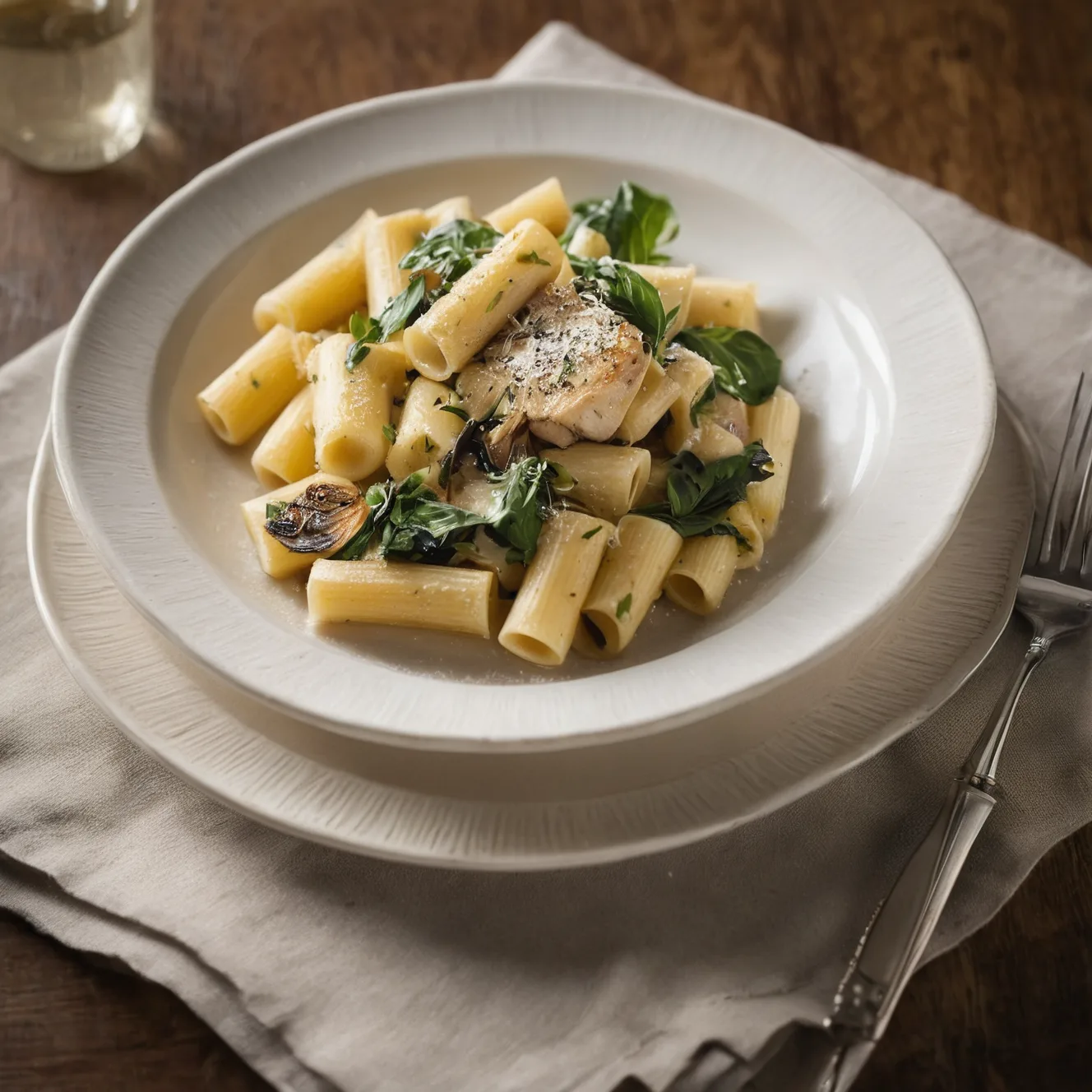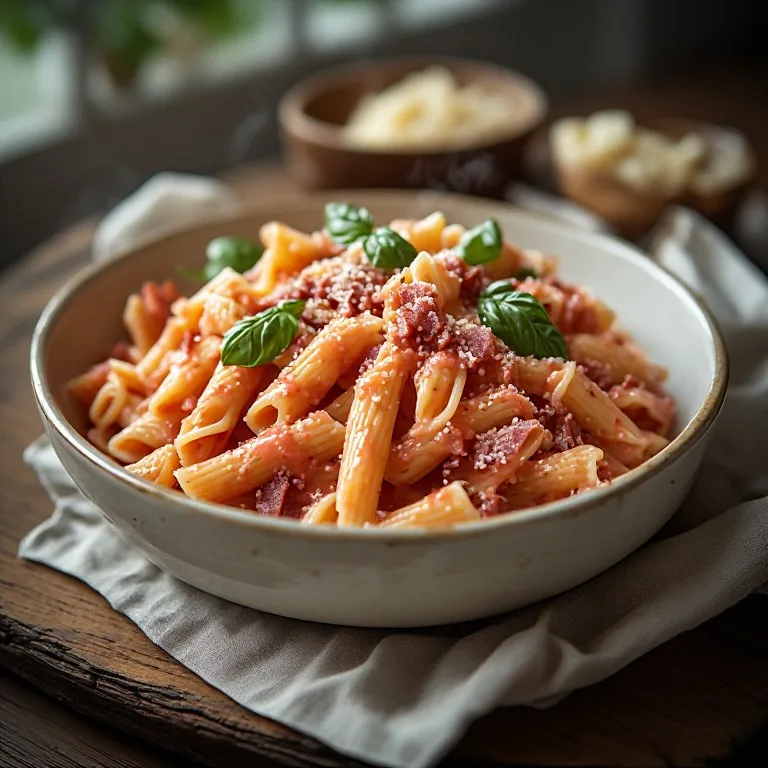



Copycat Rao’s Penne alla Vodka (The Famous Sauce, Made at Home)
Prep time: 10 min Cook time: 25 min Servings: 4 to 6 Difficulty: Easy
TL;DR: Render pancetta in butter + olive oil, soften a full onion in the fat until very soft, add vodka and cook 5 to 8 full minutes until the sharp alcohol smell is gone, add crushed San Marzano DOP tomatoes and simmer 10 to 12 minutes, stir in 3/4 cup heavy cream and cook until salmon-pink, then finish undercooked penne in the sauce with starchy pasta water and fold in Parmigiano + Pecorino Romano off heat. The steps that matter most: onion fully softened, vodka cooked off properly, San Marzano DOP, two-cheese finish. Total time is about 35 minutes.
Rao’s is the restaurant you cannot get into. Opened in 1896 at 455 East 114th Street in East Harlem, it has roughly 10 to 12 tables, seven of which are permanently held by longtime regulars who pass them down like property. The remaining seats are the entire public inventory. The jarred Rao’s Homemade sauces — which Campbell’s acquired in 2023 for about $2.7 billion — became the best-selling premium pasta sauce in the US by promising that the jar captures the restaurant’s flavors. It does, reasonably. But the restaurant technique, with rendered pancetta and a proper vodka cook-off, is what this recipe is after.
Penne alla vodka is not a dish Rao’s invented. It swept Italian-American restaurants in New York in the late 1970s and early 1980s, and its exact origin is genuinely disputed — competing accounts credit a New York chef named Luigi Franzese, an Italian producer marketing vodka to American diners, and a version served in Bologna. What is not disputed is that vodka pasta became a signature of Italian-American red-sauce cooking, and Rao’s rendition — built on San Marzano tomatoes, pancetta fat, and a short, lively cooking time — is the aspirational benchmark home cooks try to recreate.
The Three Steps That Matter
Home versions of penne alla vodka tend to fail in predictable ways. Three steps are where most of the gap between restaurant and home occurs.
1. Vodka cook-off time. Most recipes say “add vodka, stir briefly, continue.” That is not enough. Vodka carries harsh, astringent esters that taste sharp and one-dimensional when undercooked. Five to eight minutes over medium heat — stirring through it — is what actually converts the harsh alcohol to CO₂ and steam while leaving behind only the flavor compounds that integrate with the tomato and cream. The test: when you first pour in the vodka, the smell is sharp and boozy. After 5 to 8 minutes, it should smell sweet and slightly fruity. If it still smells like raw spirits, it needs more time. The underlying principle is simple: cook the vodka off properly rather than rushing it, and it stops tasting like alcohol and starts tasting like depth.
2. Tomato type. San Marzano DOP tomatoes are sweeter, less acidic, and more intensely flavored than standard American crushed tomatoes. In a sauce with this few ingredients, the tomato quality is audible. The DOP designation is not marketing — it means the tomatoes were actually grown in the protected volcanic valley near Naples, not in California labeled ‘San Marzano-style.’ Cento DOP is the most commonly available; La Valle and Bianco DiNapoli are also widely respected. If you can only find standard crushed tomatoes, the sauce needs an extra 5 minutes of cooking and perhaps a pinch of sugar to approximate the same balance.
3. Pancetta, not bacon. Bacon’s smoke and added sugar compete with the tomato and cream in a way that takes the sauce in a different direction — American rather than Italian-American. Pancetta renders into clean, neutral pork fat that carries the onion and garlic without imposing its own flavor. The cured-pork note is subtle but clearly pork, not campfire.
| Step | Most home versions | Rao’s technique |
|---|---|---|
| Cured pork | Bacon or skipped | Pancetta, rendered in butter + olive oil |
| Aromatics | Onion or shallot, briefly cooked | Yellow onion, fully softened (6–8 min) |
| Vodka | Brief stir (1–2 min) | 5 to 8 full minutes, stirring |
| Tomatoes | Standard crushed | San Marzano DOP |
| Cream amount | 1 to 1.5 cups | 3/4 cup — tomato-forward, not cream-forward |
| Cheese | Parmigiano only | Parmigiano + Pecorino Romano |
| Pasta finish | Drained, plated | Finished in the sauce with pasta water |
The Sauce is Quick by Design
One of the pleasures of this dish is the cooking time: the tomato sauce needs only 10 to 12 minutes, not the hour-plus of a Sunday gravy. Rao’s vodka sauce is not meant to be a deeply reduced, concentrated sauce — it is a bright, fresh, relatively lively tomato-cream. Short cooking time preserves the fruit quality of the San Marzano tomatoes; longer cooking makes them sweet and one-dimensional.
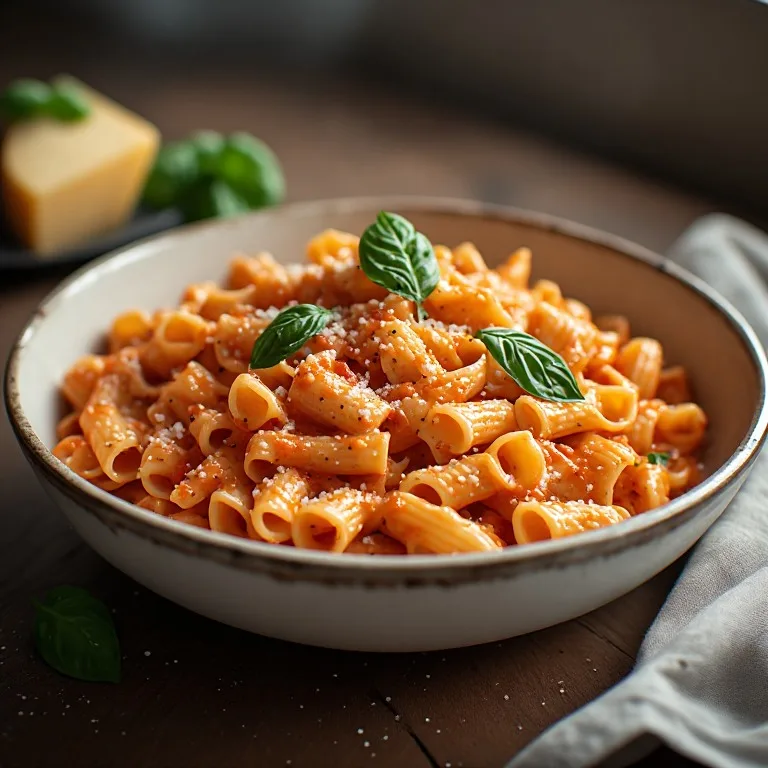
The cream — 3/4 cup for a full pound of pasta — goes in after the tomatoes have cooked down and only after the vodka is completely cooked off. The curdling risk is low as long as you reduce heat to medium-low before adding cream and don’t let it boil hard. Three minutes of gentle simmering after the cream is added is enough to integrate it with the sauce. The finished color is salmon-orange: clearly tomato, with cream evident in the body and sheen, not drowning the tomato.
Finishing in the Pan
The last step is the most important technique in Italian pasta cooking and the one most home cooks skip. Draining the pasta fully and spooning sauce over it produces separated components — pasta in a bowl, sauce sitting on top. Finishing in the pan with a splash of pasta water produces emulsification.
The process: cook the penne 2 minutes shy of package time, reserve a cup of pasta water, drain, and transfer the penne directly to the sauce over medium heat with a third of a cup of the starchy water. Toss with tongs for 2 minutes. The starch in the pasta water binds the fat (cream) with the water (tomato and vodka) into a unified coating that clings to every ridge of the penne. The result is glossy, cohesive, and nothing like plated pasta with sauce poured over.
Context
The vodka-pasta origin debate is genuinely contested, and no single claim has fully won out. What is not contested is that by the early 1980s, penne alla vodka was a fixture of New York Italian-American restaurants, from neighborhood red-sauce institutions through hard-to-book rooms like Rao’s — which is exactly why it became a dish home cooks want to reproduce.
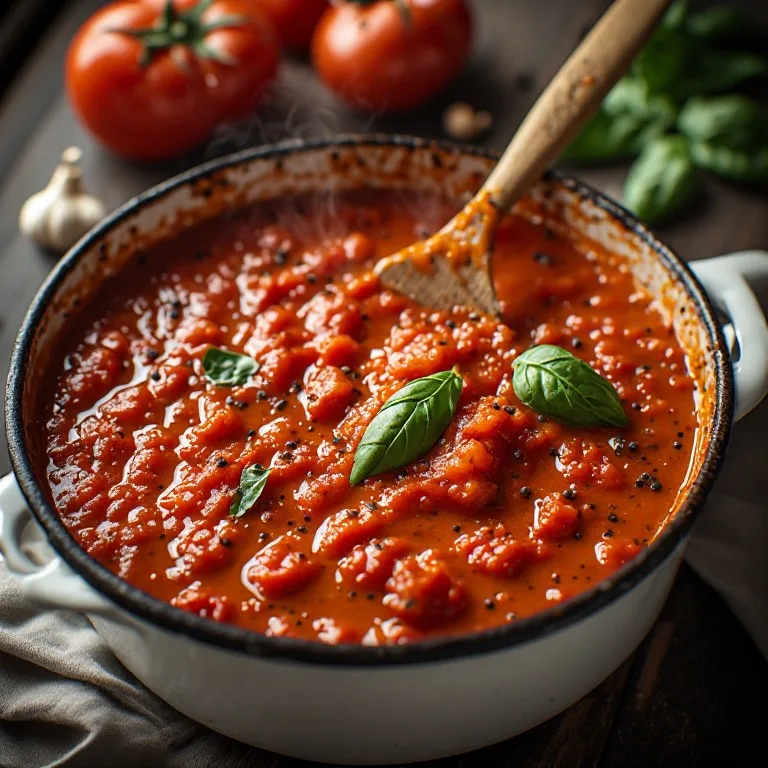
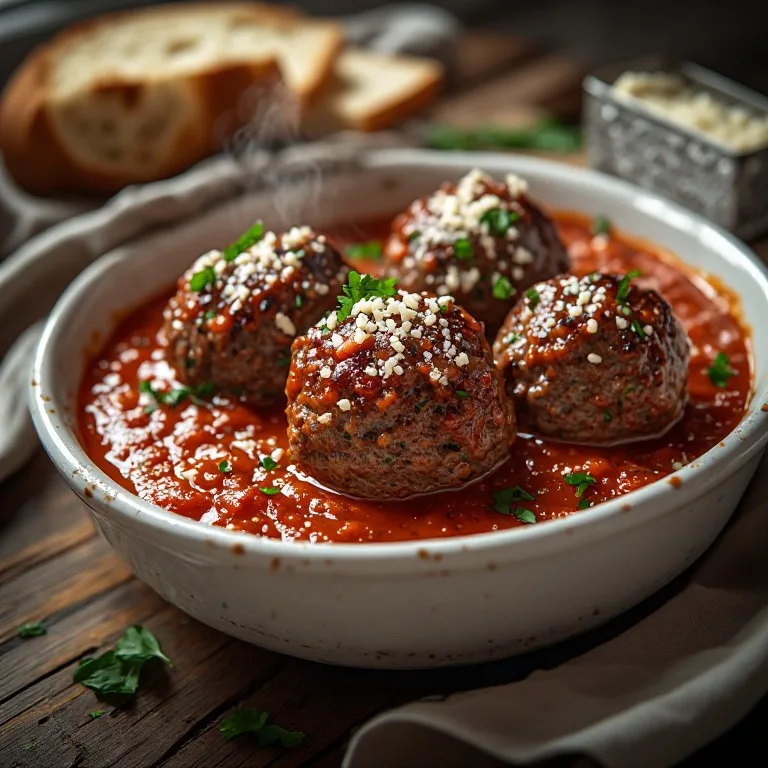
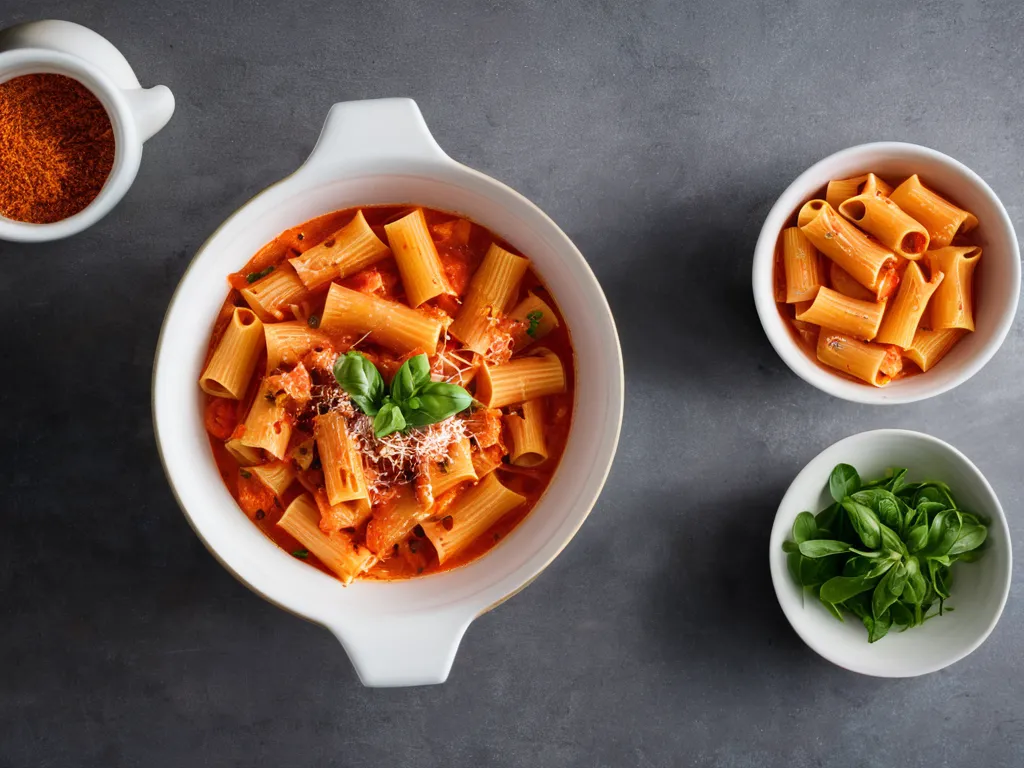
For the full Rao’s home menu, the Rao’s famous meatballs and Rao’s marinara sauce round out the table. For the Carbone version of vodka pasta — spicier, with rigatoni, and a heavier cream hand — the Carbone spicy rigatoni vodka is its own excellent recipe. For the viral at-home vodka pasta approach with shortcuts, the viral spicy vodka pasta covers that lane.