
Sant Ambroeus Principessa Cake (The Famous Pink NYC One, Made at Home)
Prep time: 60 min (plus pastry cream overnight) Cook time: 30 min Chilling: 2½ hours total Servings: 12 slices
Why the Principessa Looks Impossible to Replicate (and Isn’t)
The Sant Ambroeus Principessa is the cake people photograph before they eat it — that signature dome of pale pink marzipan is instantly recognizable. Individual slices run $16 to $19 depending on location. A 14-inch full cake starts at $200. CNN declared it “the world’s most fashionable dessert” in August 2026.
None of that elegance comes from complexity. The recipe has four components — lemon oil sponge, vanilla bean pastry cream, whipped cream dome, pink marzipan — and three of them are genuinely simple. The marzipan draping is the one thing that rewards a few minutes of attention.
The Sant Ambroeus version is not the Swedish princess cake it’s descended from. Gone: the raspberry jam layer, the green marzipan, the neutral sponge. In its place: bright lemon in both the sponge and the soaking syrup, a rich vanilla bean pastry cream rather than a lighter diplomat filling, and pink marzipan that’s thinner and more draped than the traditional dome shape. The Italian remixing is subtle but total.
The Sponge: Oil, Not Butter
Most Italian sponge cakes (pan di Spagna) use eggs alone for lift, with no fat in the batter. Sant Ambroeus specifies oil in their own ingredient list, which is deliberate: an oil-based sponge stays moist and tender when refrigerated, whereas a butter-based crumb firms up and can read as dry when pulled from the cold. Since the assembled cake needs at least 2 hours of refrigeration before serving — and is typically made the night before — oil is not a shortcut. It’s the reason the cake tastes fresh two days later.
The lemon flavor comes from zest and extract working together. Zest contributes the floral, aromatic oils that warm baking amplifies. Extract (or lemon emulsion, which Sant Ambroeus uses commercially) delivers the sour, citrus punch that the zest alone can’t sustain through refrigeration. Use both.
The Pastry Cream: Vanilla Bean Is Not Optional
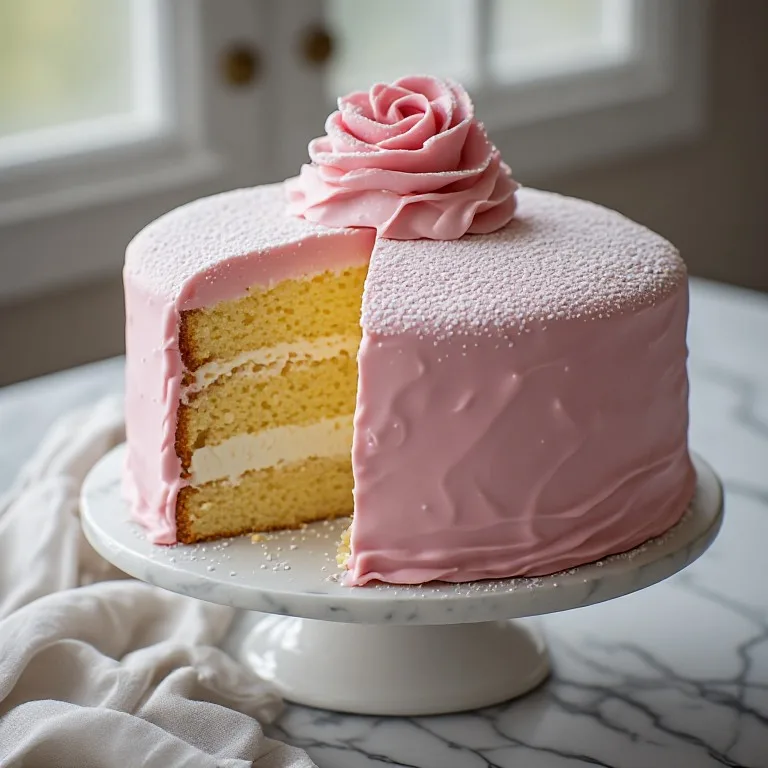
Sant Ambroeus’s Principessa uses a vanilla bean pastry cream — not vanilla extract, not vanilla paste, though extract works at home. The difference is visible: a pastry cream made with a real vanilla bean has thousands of tiny black specks suspended in the cream, which shows through the sponge layers when the cake is sliced. This is what makes the cross-section of a well-assembled Principessa look the way it does: a yellow-cream layer bracketed by pale gold sponge, spotted with vanilla seeds.
Make the pastry cream cold and thick before assembly. If it spreads and runs off the sponge, it hasn’t set. It should hold like a thick gel when you turn the bowl upside down — that consistency means it will stay as a defined layer between the sponge when the cake is cut.
The Dome: Mound High, Chill Hard
The whipped cream dome is what gives the Principessa its profile — that rounded top that the marzipan hugs. Two things make it work:
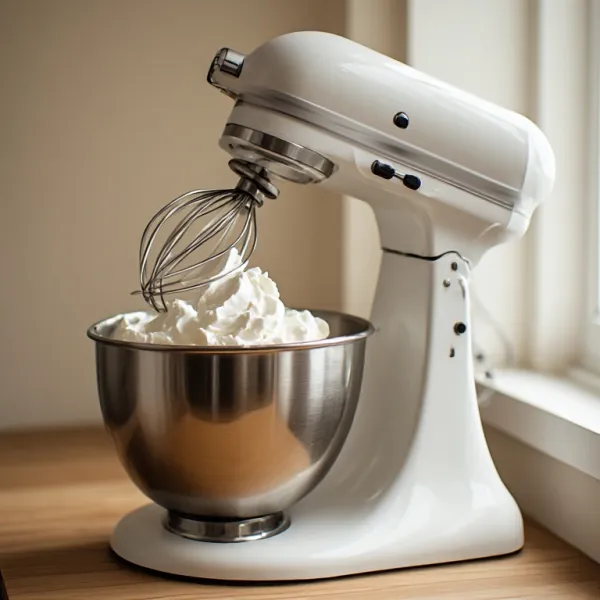
Mascarpone stabilization. Adding 2 oz of softened mascarpone to the cream before whipping gives it structure that keeps the dome from slumping under the weight of the marzipan. Mascarpone is nearly flavorless and disappears into the cream — what it leaves behind is a whipped cream that holds stiff peaks for hours rather than deflating within 30 minutes.
Chill before draping. The most common reason marzipan slides or the dome compresses is that the cream was too soft when the marzipan went on. After shaping the dome, refrigerate for at least 30 minutes. The surface should feel firm — not frozen, but resistant to a light press — before the marzipan touches it.
Marzipan: Roll Thin, Work Cold, Trim Clean
The single technique that separates a homemade Principessa that looks like the restaurant’s from one that doesn’t is the marzipan circle size. Measure before you start: 8-inch cake diameter + 2 × dome height (roughly 2.5 inches) = 13 inches of coverage needed, plus 1 to 2 inches of draping margin at the base. That means you need a circle at least 15 inches wide. Most home bakers roll it too small and then have to patch — patches always show.
Roll it ⅛ inch thick and roll it all the way to the edge of the circle. Marzipan that’s thicker at the edges pleats and creases when draped. Once on the cake, smooth from the dome apex downward and outward, never pulling upward or sideways. Trim flush with a single decisive cut.
The pink should be medium-deep — not pastel, not hot pink. Start with a small amount of gel coloring (a toothpick’s tip), knead until uniform, and judge from there. The color deepens slightly as the marzipan rests.