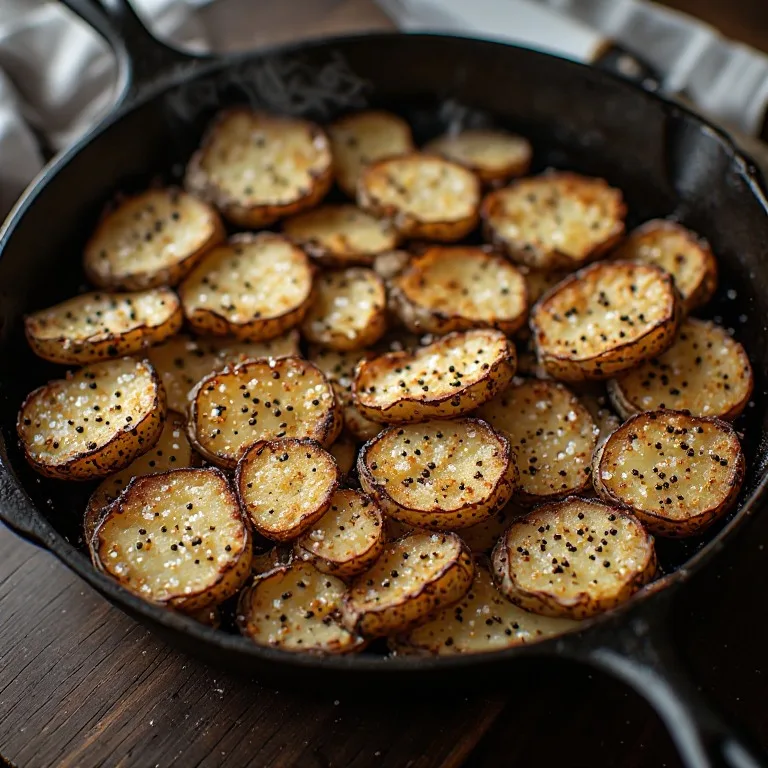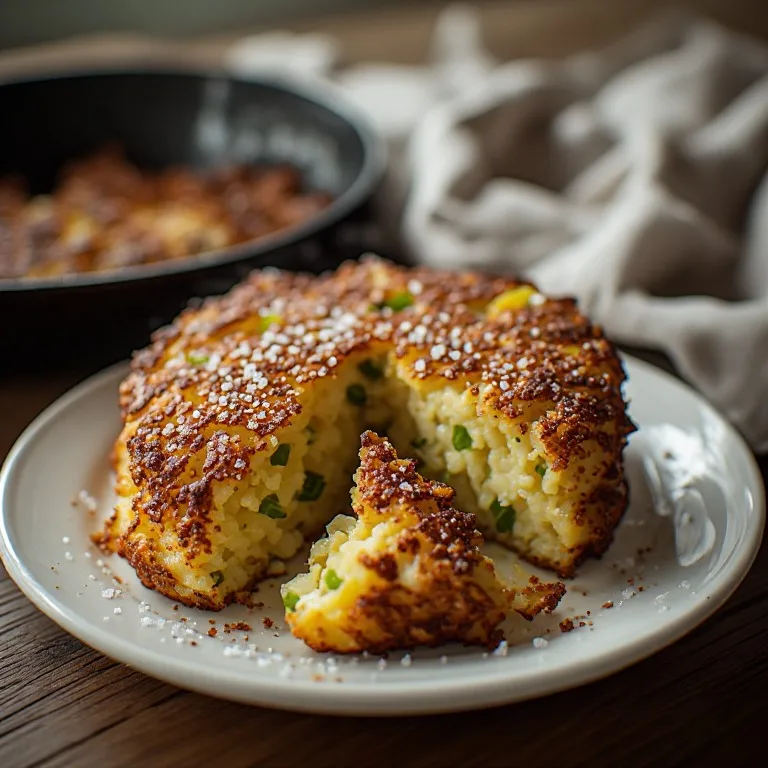


Smith & Wollensky’s hash browns are the most-asked-about side dish from one of New York’s oldest power-lunch addresses — a crisp, golden potato cake grated from cold overnight-parboiled Russets and fried in clarified butter. The hash browns at S&W go on the table alongside the steak whether you order them or not. At the restaurant, a side runs $16 to $18. The full recipe here costs about $4 and makes enough for four people — or two if you’re being honest about how many hash browns go alongside a dry-aged ribeye.
The One Technique That Makes These Work
The overnight refrigeration is not optional. A freshly boiled potato is full of water. Grate it directly and add it to a hot pan, and that moisture releases as steam before any crust can form — you get gray, sticky hash browns that weld themselves to the pan. After a night in the refrigerator, the surface moisture has evaporated and the starch inside the potato has recrystallized into a firmer structure (retrogradation). The cold, dry potato shreds take on a crust in minutes. This is the same reason day-old rice fries more cleanly than fresh.
The second difference is clarified butter. Standard whole butter browns at around 300°F; at the temperatures a cast-iron skillet hits over medium-high heat, the milk solids burn before the potato is done. Clarified butter — or ghee — removes those milk solids, raising the smoke point to about 450°F and producing a clean, evenly golden crust with no dark speckles.
What to Serve With These
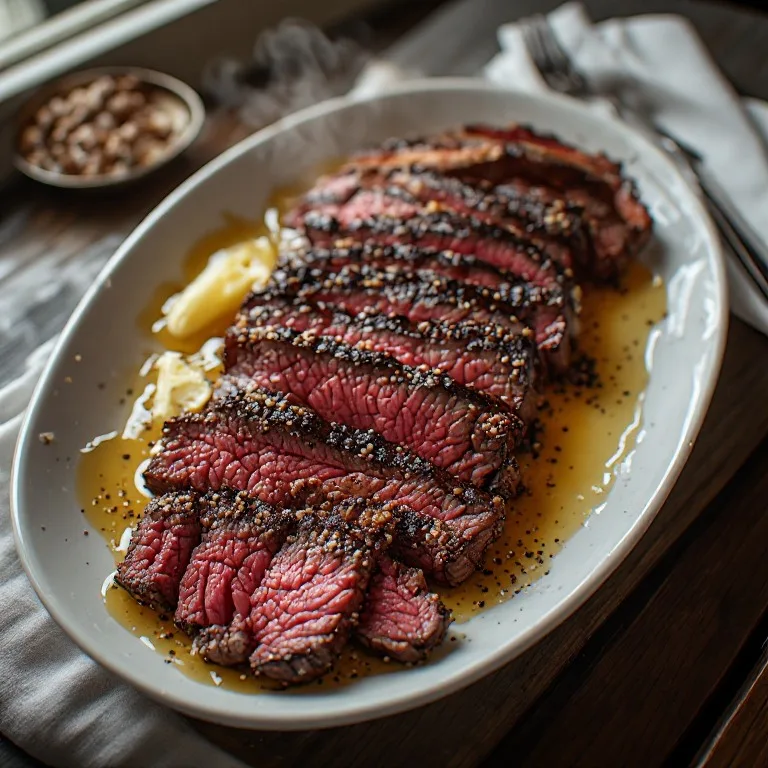
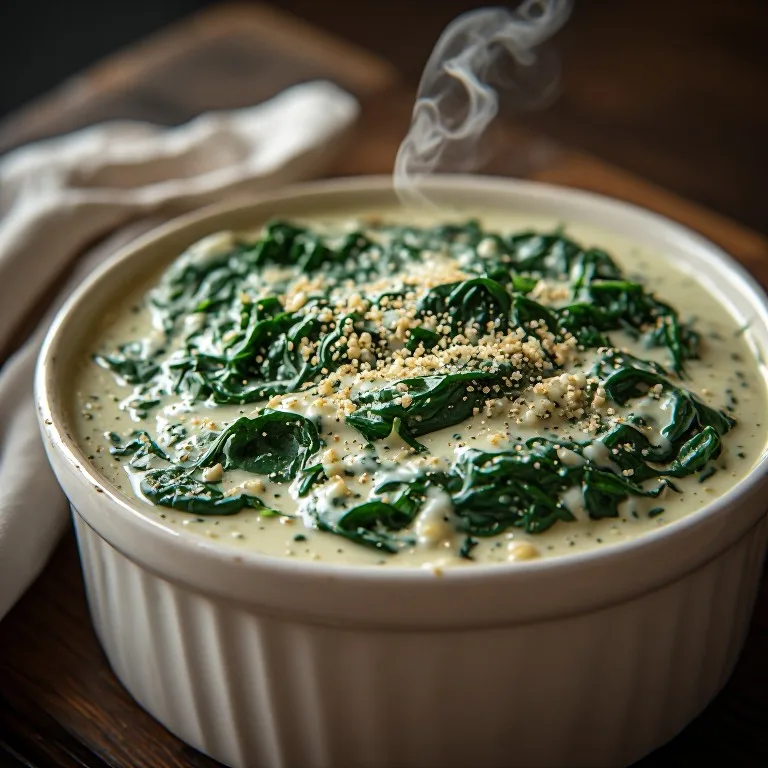
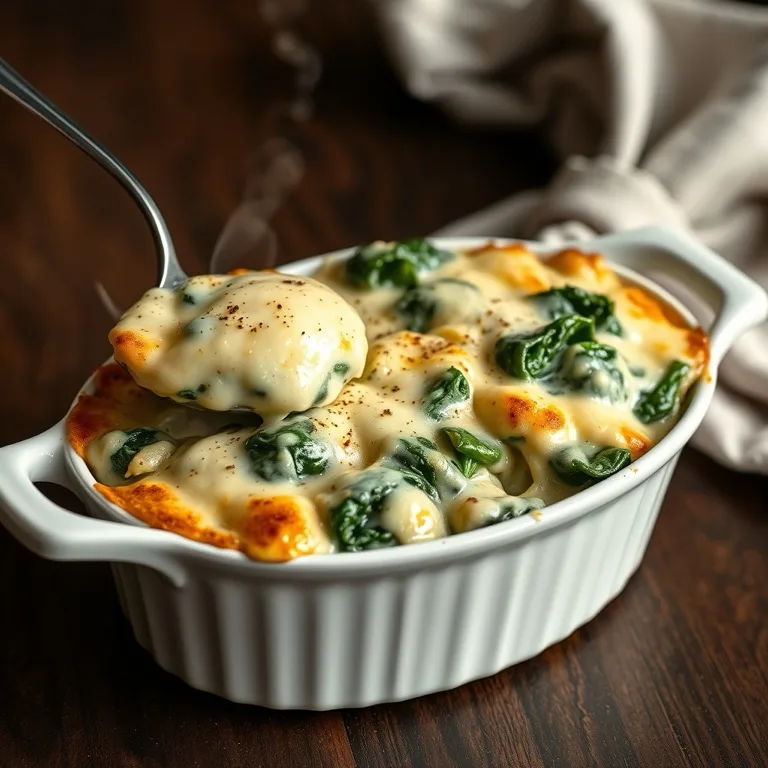
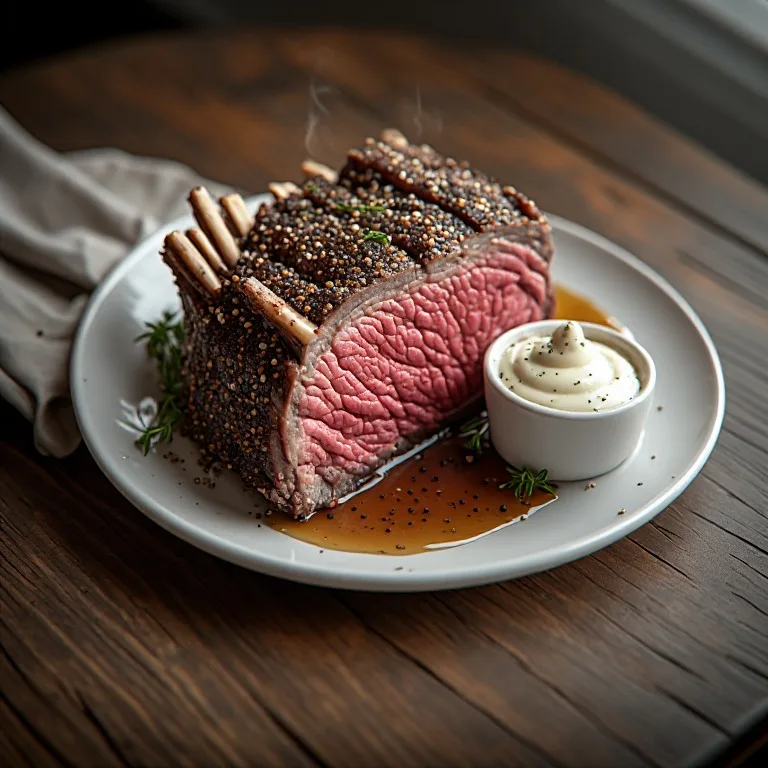
S&W’s classic table pairing: creamed spinach alongside a dry-aged porterhouse. If you want the full NYC steakhouse experience at home, the hash browns are the one side that will be more impressive than any other — they look like restaurant food, hold heat through a long dinner, and can be made almost entirely ahead (parboil 2 days early; fry the night of). For an upscale brunch, serve them alongside Peter Luger-style German fried potatoes to show off the two great New York potato traditions side by side.