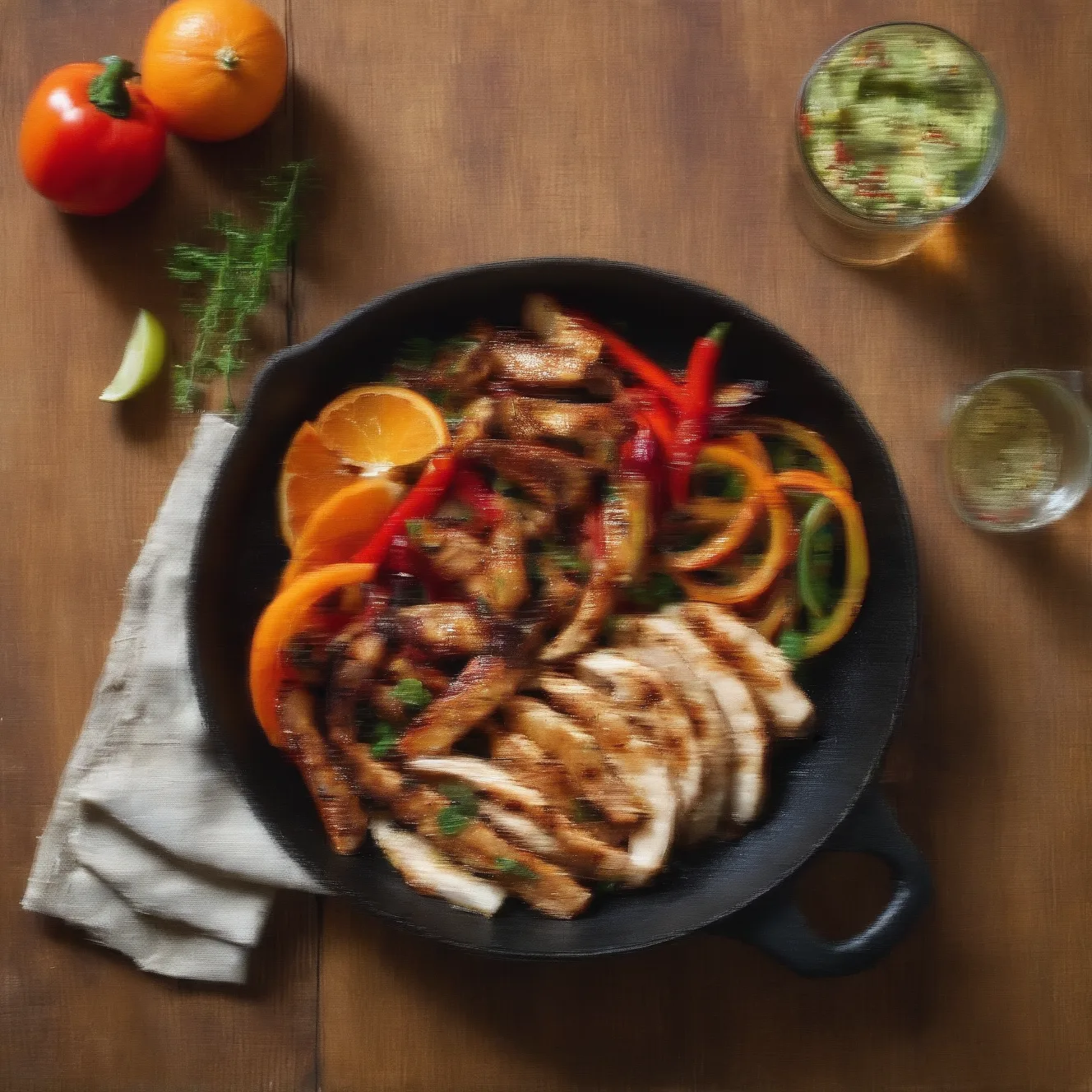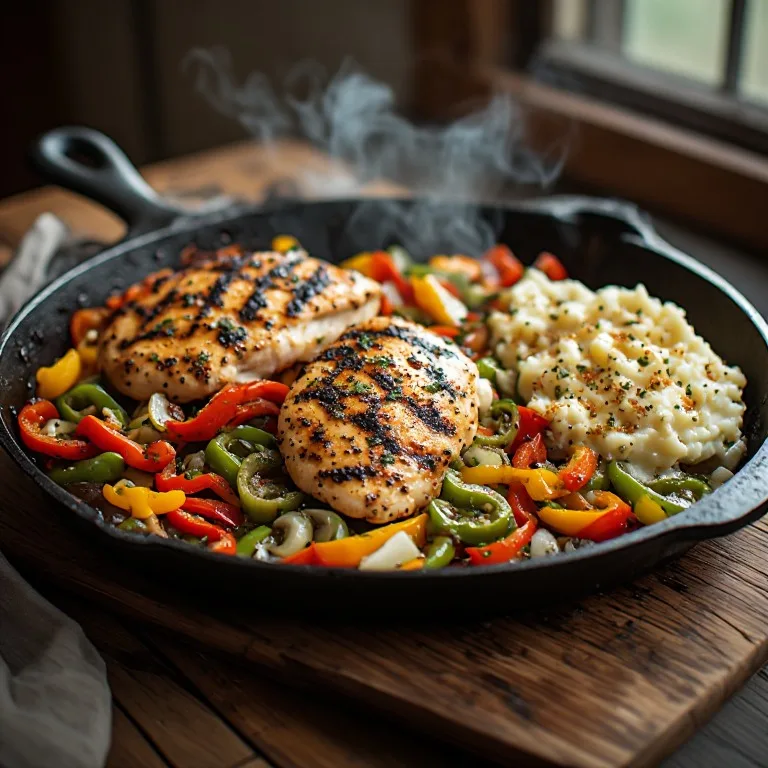



TGI Friday’s Sizzling Chicken & Cheese is one of those dishes that looks more complicated than it is. The tableside sizzle, the layered plate, the bubbling cheese — it reads as theatrical kitchen production. The technique is actually a single counterintuitive instruction: the cheese goes on first, not last.
Most home versions put cheese on top. That produces a perfectly good dish — melted cheese over chicken and peppers is always going to work. But it does not produce the sizzle. What you need to replicate is the sound and visual of a plate arriving at your table still actively bubbling, with the cheese layer fusing to the cast iron underneath rather than sitting inert on top of the food.
The way to do that: preheat a cast iron skillet in a 425°F oven until it is genuinely, radiantly hot. Then build the plate in this order — cheese directly on iron, mashed potatoes over cheese, peppers and onions over potatoes, sliced chicken on top. The cheese contacts the hot iron immediately, the remaining layers trap the heat, and the result arrives at the table the way the restaurant version does: sizzling from below.
The Cheese: Why Chihuahua and American
The restaurant uses a combination of Chihuahua cheese and American cheese. This combination is not accidental.
Chihuahua cheese (queso Chihuahua) is a mild, semi-soft Mexican melting cheese. It behaves like a slightly stretchier Monterey Jack — it melts completely on high heat without breaking into oil and solids, and it pulls into thin strands rather than clumping. The flavor is mild and slightly milky, which means it picks up flavor from the surrounding layers rather than dominating them.
American cheese provides the familiar gooey pull and salty creaminess that American consumers associate with melted cheese. It also acts as an emulsifier — the processed cheese formula resists breaking under heat, and mixing it with Chihuahua means the combined layer stays smooth and cohesive rather than separating.
If Chihuahua cheese is unavailable at your grocery store (it is increasingly common at stores with Latin food sections, and at Walmart and Kroger), Monterey Jack is the closest substitute: same mild flavor, similar melt quality, slightly less stretch. Block Monterey Jack, shredded at home, works better than pre-shredded (the anti-caking cellulose coating in bags interferes with the smooth melt).
Do not use cheddar as the primary cheese. At high heat on a cast iron surface, cheddar separates into greasy fat pooling and rubbery protein clumps rather than melting smoothly. It works as a finishing accent in a low-heat application; it is wrong for this dish.
The Italian Dressing Secret
The vegetables — red and green bell peppers, onion — are not just sautéed. They are sautéed in Italian dressing.
Many of the most-cited copycat recipes finish the peppers and onions this way, and it is the primary reason the vegetable layer tastes more complex than plain sautéed peppers. (Some versions use plain olive oil throughout; the Italian-dressing finish is the flavor upgrade worth making.) Italian dressing (Zesty Italian or similar bottled varieties) combines white wine vinegar, oil, garlic, herbs, and a small amount of sugar. When you add it to a pan of nearly-softened peppers and onions and let it reduce for 2–3 minutes, the vinegar cooks off and the oil, herbs, and residual sweetness coat the vegetables in a seasoned layer that penetrates the edges and crevices.
The result has a slight tang, a savory-herbaceous quality, and a gloss on each strip that straight-sautéed peppers lack entirely. Three tablespoons per batch is the right amount — enough to flavor everything, not so much that the vegetables become soggy from excess liquid.
Add the Italian dressing after the vegetables have started to soften (not at the beginning), and let it reduce until it nearly disappears. You want the flavor, not the liquid.
The Chicken Marinade
The chicken marinade is simple: olive oil, garlic, Italian herbs, parsley, crushed red pepper, salt, and black pepper. It is a thin, wet rub rather than a deep marinade — the olive oil carries the aromatics, the garlic and herbs flavor the surface, and the red pepper adds a low-level heat that the cheese layer later softens.
Twenty minutes is enough. The chicken sears in a very hot pan or grill pan — high heat and minimal movement give you a golden, slightly charred exterior that contrasts with the creamy cheese and peppers. Slice on a diagonal immediately before assembly; thin, angled cuts give more surface area for the cheese and vegetable flavors to interact with.
Cook to 165°F and pull immediately. Chicken breast dries out at higher temperatures, and this dish relies on the sear for texture since it does not cook any further after assembly.
The Mashed Potato Layer
The mashed potatoes serve a structural role as much as a flavor one. They sit between the sizzling cheese below and the peppers above, absorbing both as the dish is eaten. They need to be rich enough to hold their shape when spooned onto the hot cast iron, but not so thick that they resist mixing with the cheese.
Russet potatoes, butter, warmed cream, and sautéed garlic. Season aggressively with salt — underseasoned mashed potatoes will be the blandest layer in an otherwise well-seasoned plate. The warm cream prevents the potatoes from tightening up when it’s added; cold dairy shocks the starches and makes the mash gluey.
Mash by hand or with a potato ricer for the smoothest texture. An electric mixer overdevelops the starches in russets and produces gummy, library-paste mashed potatoes.
Assembly and the Sizzle
The timing of the final assembly matters. The cast iron should come out of the oven hot and go directly from oven to work surface to table. Every minute you spend with the skillet sitting empty costs heat.
The sequence: cheese on iron first (scattered evenly, not piled). Mashed potatoes over cheese, spread to the edges. Peppers and onions over potatoes. Chicken, sliced and fanned, on top.
Work fast. Set it on a trivet or folded kitchen towel and carry it to the table immediately. The sizzle is loudest in the first 2–3 minutes; the cheese layer continues to stay fluid for 5–7 minutes after.
Making the Full TGI Friday’s Experience
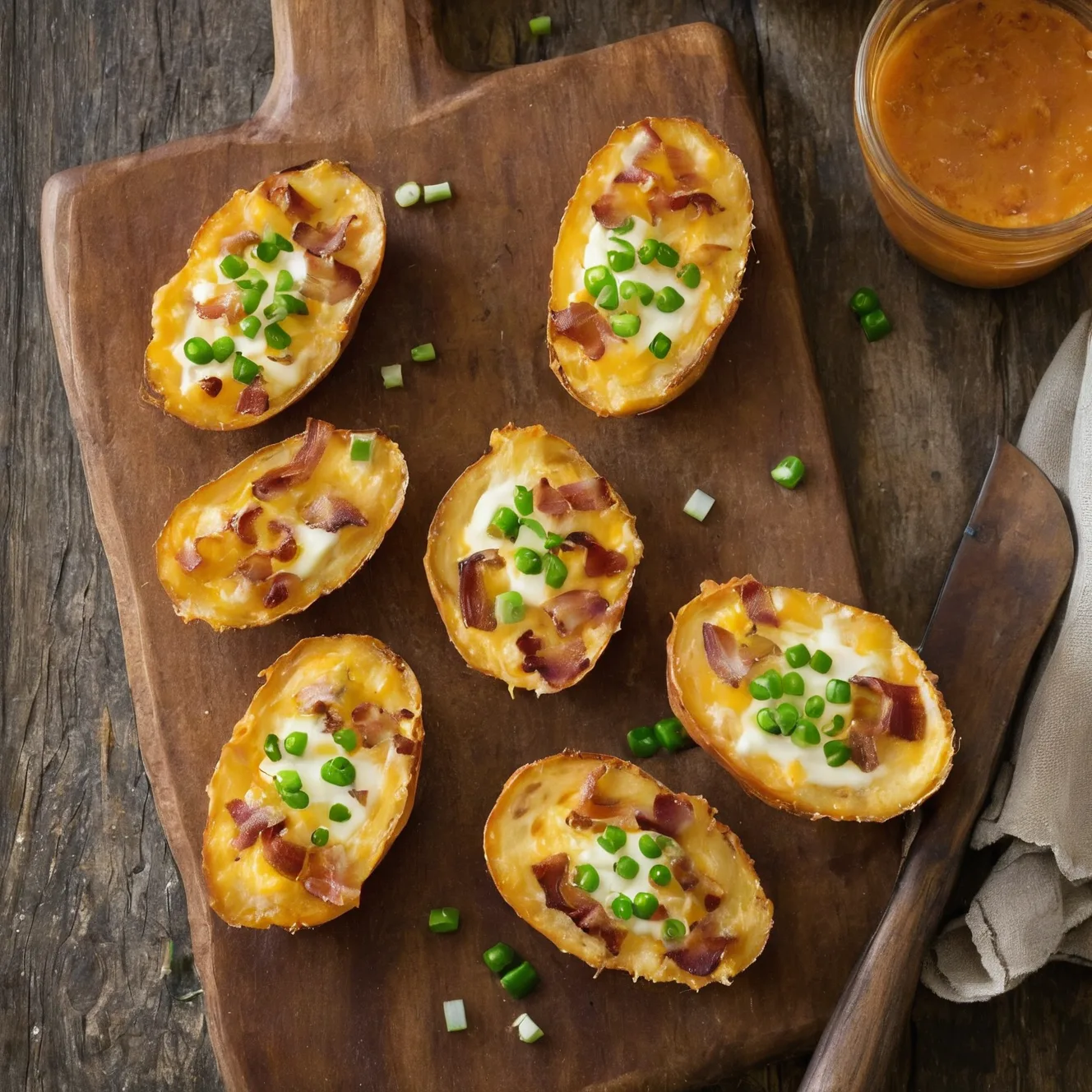
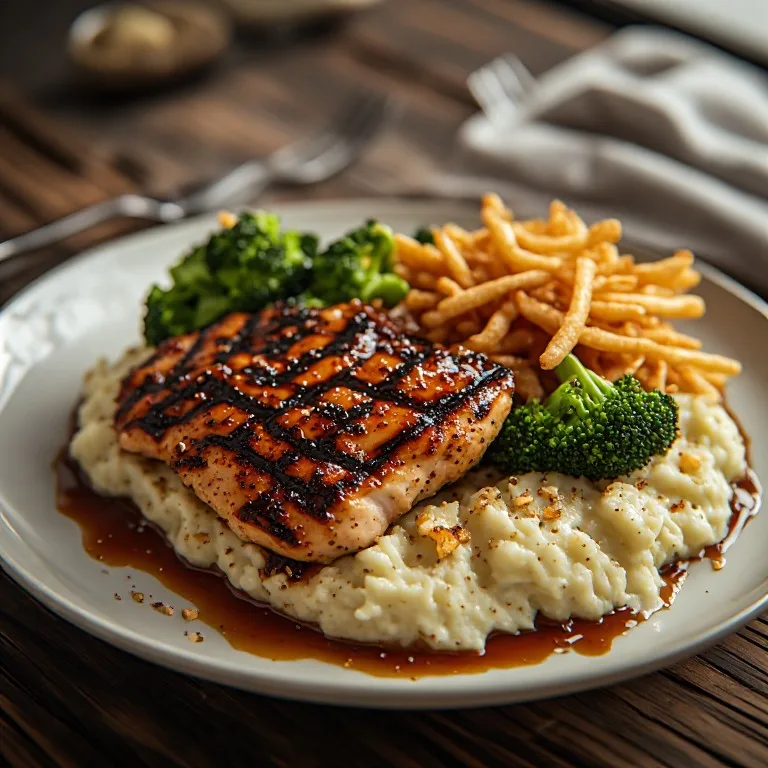
For a full Friday’s spread at home, start with the Loaded Potato Skins — they share the potato-and-cheese flavor profile and the double-baked technique is easy to prep ahead. The sizzling chicken is then the main event. The Jack Daniel’s glaze (brown sugar, JD whiskey, soy, mustard, reduced until mahogany-thick) takes 40 minutes of reduction time but can be made days ahead and refrigerated; brush it on top of the chicken slices tableside if you want a sweet-savory upgrade to the base Italian herb version.
| TGI Friday’s (restaurant) | Homemade | |
|---|---|---|
| Calories | ~1,180 cal with peppers | ~820 cal per serving |
| Cost | A beloved classic (see your local menu) | ~$7–8 for 2 servings |
| Sizzle | Cast iron, tableside | Cast iron, same effect |
| Cheese | Chihuahua + American | Same |
| Vegetables | Italian dressing sauté | Same |
| Cook time | Made to order | ~35 min |