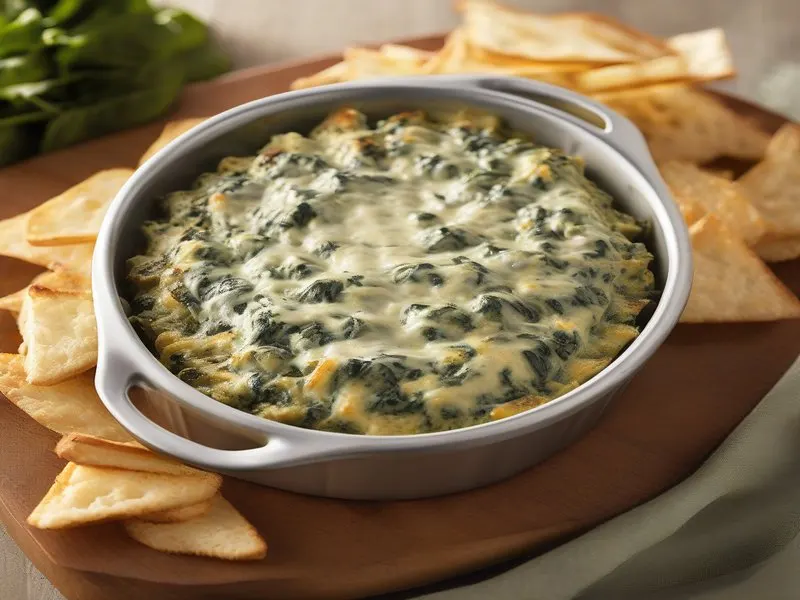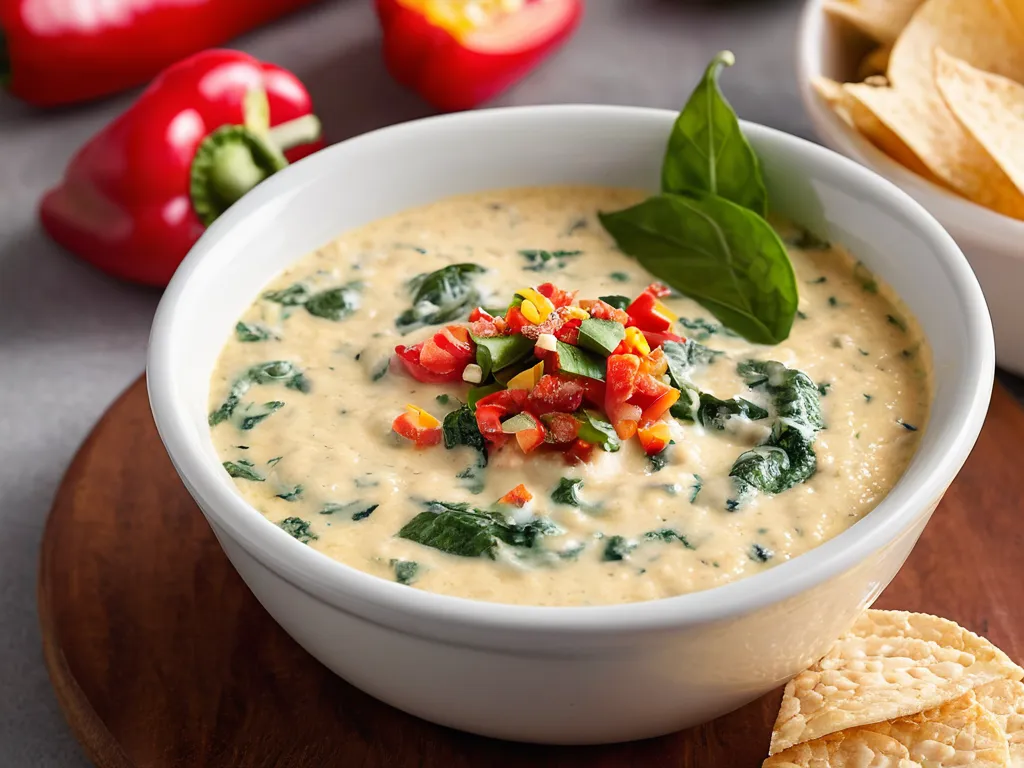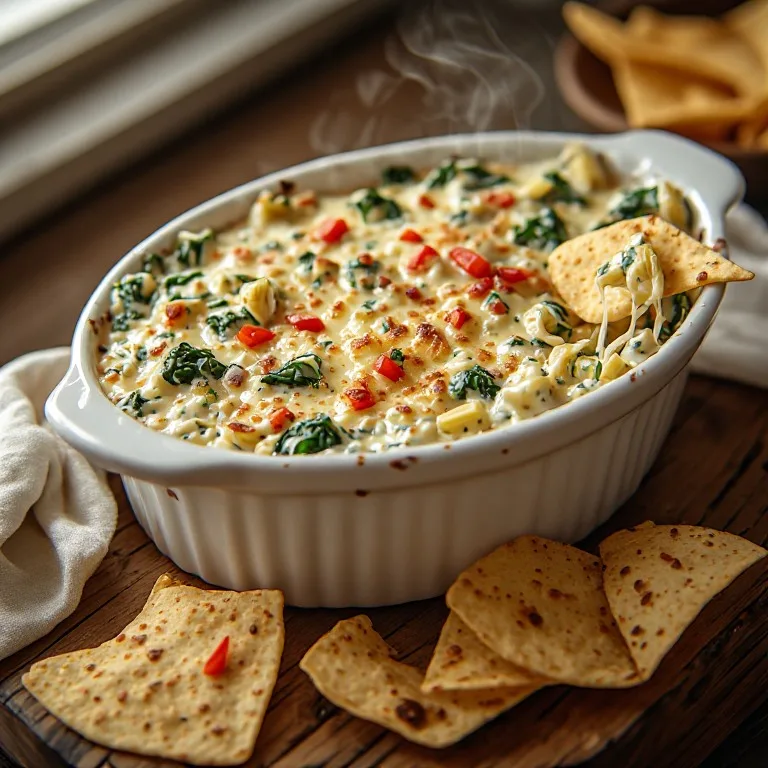



TGI Friday’s has been on the spinach artichoke dip for decades — long enough that a lot of people’s mental model of what the dish should taste like was shaped by Friday’s version. But the copycat recipes that circulate online mostly miss what makes it distinct.
Most versions online treat it as a generic spinach-artichoke dip: cream cheese, sour cream, Parmesan, frozen spinach, canned artichoke hearts. That produces a fine dip. It does not produce the Friday’s version.
The name tells you what’s missing: Tuscan. That word signals sautéed onions and peppers built into the dip — not raw, not just folded in cold, but properly softened and slightly caramelized before joining the cream base. And the cheese profile is Romano and Parmesan together, not mozzarella. Romano is sharper and saltier and more assertive than Parmesan alone; the combination gives Friday’s version a cheese punch that Applebee’s mayo-mozzarella base doesn’t approach.
The other differentiator is marinated artichoke hearts, not water-packed. The brine they come in contributes a subtle tang that carries through the baked dip. It’s not a loud note — you won’t be able to identify it — but the dip tastes flat without it.
Get those three things right and everything else is standard spinach artichoke dip technique.
The Sauté Step Most Copycats Skip
The onion and bell pepper need 7–8 minutes over medium heat to cook all the way through. Rushing this step — 3 minutes, still a little crunchy — leaves a raw-onion bite in the finished dip that never bakes out. You’re not looking for deep caramelization; you want them fully soft, translucent, and just barely golden at the edges. A pinch of salt in the pan helps draw out moisture and speeds the soften.
Red bell pepper is the right choice here: it’s sweeter and less assertive than green, and the red color disappears into the dip without looking out of place. Green pepper is edgier and can dominate. Yellow or orange work fine if that’s what you have.
Romano vs. Parmesan: Why It Matters
Parmesan (Parmigiano-Reggiano or domestic Parmesan) is a hard, nutty, low-moisture cheese with about 400–500mg sodium per ounce. Romano — specifically Pecorino Romano — is sharper, more piquant, and higher in sodium (~500–600mg/oz). They look identical grated, which is why so many copycat recipes just double the Parmesan and wonder why the result tastes mild.
In this recipe, equal parts Romano and Parmesan is the right ratio. You can lean heavier on Romano if you want more bite. Pre-grated Romano in a shaker can contains cellulose anti-caking agents that dull the flavor and clump in the hot cream base — buy a block and grate it fresh.
A quarter of the cheese goes into the dip body for even distribution; the rest goes on top so it browns and crisps rather than melting invisibly into the base.
Marinated vs. Water-Packed Artichoke Hearts
Water-packed artichoke hearts are neutral. They contribute texture and a mellow, mild flavor — good for dishes where you don’t want the artichoke to be assertive.
Marinated artichoke hearts arrive packed in herbed oil and vinegar brine. The brine carries acidity and herbal notes (usually garlic, oregano, and sometimes lemon) that infuse the dip during baking. The artichoke flavor is more present, and the overall dip tastes less flat.
Drain them well — the excess oil will make the dip greasy if you let it carry in. You can add a teaspoon or two of the brine directly to the dip base for an extra flavor punch; taste before deciding.
Serving
Friday’s serves the dip with their signature bi-color red and white tortilla chips — the red chips get their color from tomato or paprika seasoning, though the flavor difference from plain chips is minimal. At home, any sturdy restaurant-style chip works. Thin chips (like original Tostitos) can snap under the thick dip — thicker chips hold up better.
The current menu pairs it with the bi-color chips and nothing else, though presentation has drifted over the years — some locations top the dip with diced tomatoes or serve it alongside crusty ciabatta garlic bread. If you want to mirror an older Friday’s plating, a scatter of diced fresh tomato over the baked dip is authentic to those versions.
How It Compares at the Restaurant
| TGI Friday’s | Applebee’s | Uno’s | |
|---|---|---|---|
| Cheese profile | Romano + Parmesan | Mozzarella + Parmesan | Mozzarella + Parmesan |
| Cream base | Cream cheese + sour cream | Cream cheese + sour cream + mayo | Cream cheese + sour cream |
| Vegetables in dip | Sautéed onion + pepper | None | None |
| Topping | Romano-Parmesan crust | Mozzarella-Parmesan crust | Seasoned diced tomatoes |
| Served with | Red + white tortilla chips | White corn chips + chipotle lime salsa | Garlic baguette |
| Artichokes | Marinated | Water-packed | Water-packed |
| Restaurant calories | ~720–760 cal (as served) | ~980 cal (with chips) | ~1,710 cal (full order w/ bread) |
| Restaurant price | ~$12–14 | ~$11–14 | ~$12–13 |
The biggest practical difference at home: Friday’s is the one version that requires a stovetop step before the oven. The vegetable sauté takes 10 extra minutes but produces a noticeably more complex result. If you’re in a hurry, skip the sauté — but know you’re getting a milder, less-differentiated dip.
Storage and Reheating
Refrigerator: Cover the baking dish tightly and store for up to 4 days. The dip firms in the fridge and develops a more pronounced Romano bite as it sits.
Reheating: Oven at 350°F for 15–20 minutes is best — it restores the bubbly texture and re-crisps the cheese on top. Microwave at 50% power in 30-second intervals, stirring between each, if you’re in a hurry; the top won’t re-crisp but the dip heats evenly.
Freezing is not recommended. Cream cheese and sour cream separate when frozen and the reheated texture turns grainy. If you’re prepping ahead for a party, assemble unbaked and refrigerate for up to 24 hours instead of freezing.
Cost vs. the Restaurant
| TGI Friday’s | Homemade | |
|---|---|---|
| Price | ~$12–14 (varies by location) | ~$9 in ingredients |
| Serving size | 5.5 oz dip + chips | 1/8 of batch (generous) |
| Calories | ~720–760 (as served) | ~320 per serving (dip only) |
| Make-ahead | Not an option | Up to 24 hours |
| Artichokes | Marinated | Your choice (marinated recommended) |
The homemade batch serves 8 for the cost of a single restaurant appetizer. The marinated artichoke hearts are the priciest ingredient (~$4–5 for a jar); everything else is pantry-stable.
More TGI Friday’s Recipes
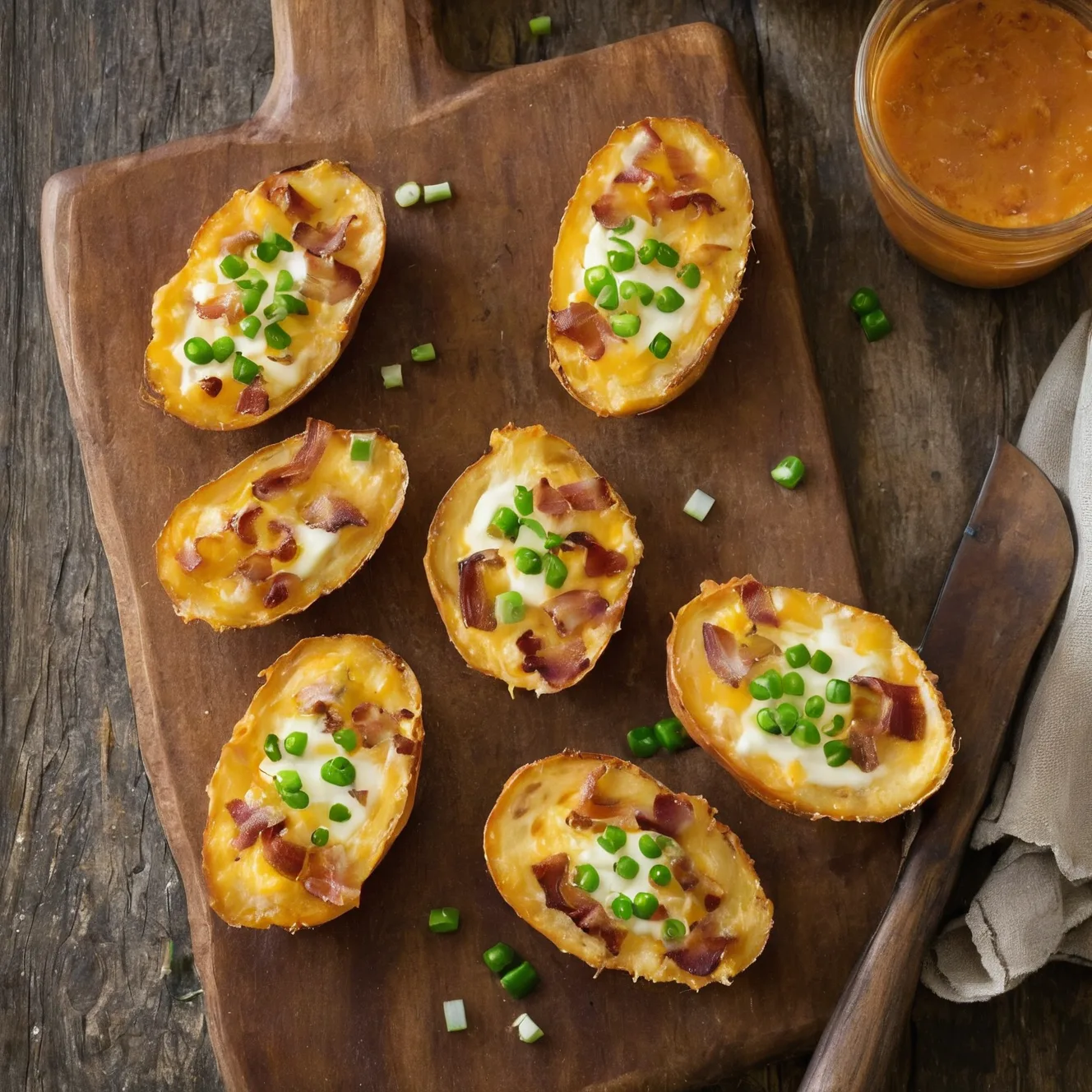
- TGI Friday’s Loaded Potato Skins — thick skins, cheddar, bacon, and sour cream; the other Friday’s appetizer worth making at home
- TGI Friday’s Jack Daniel’s Glaze — the slow-reduced whiskey glaze Friday’s uses across chicken, ribs, and salmon
For the other major chain spinach artichoke dips: Applebee’s version is the mayo-based, mozzarella-forward take served with white corn chips and chipotle lime salsa. Houston’s Chicago-Style Spinach Dip is the roux-based version — no cream cheese, Monterey Jack and Parmigiano Reggiano, served with warm chips, salsa, and sour cream as three separate components: the smoothest of the chain spinach dips and the one that prompts the most copycat attempts.
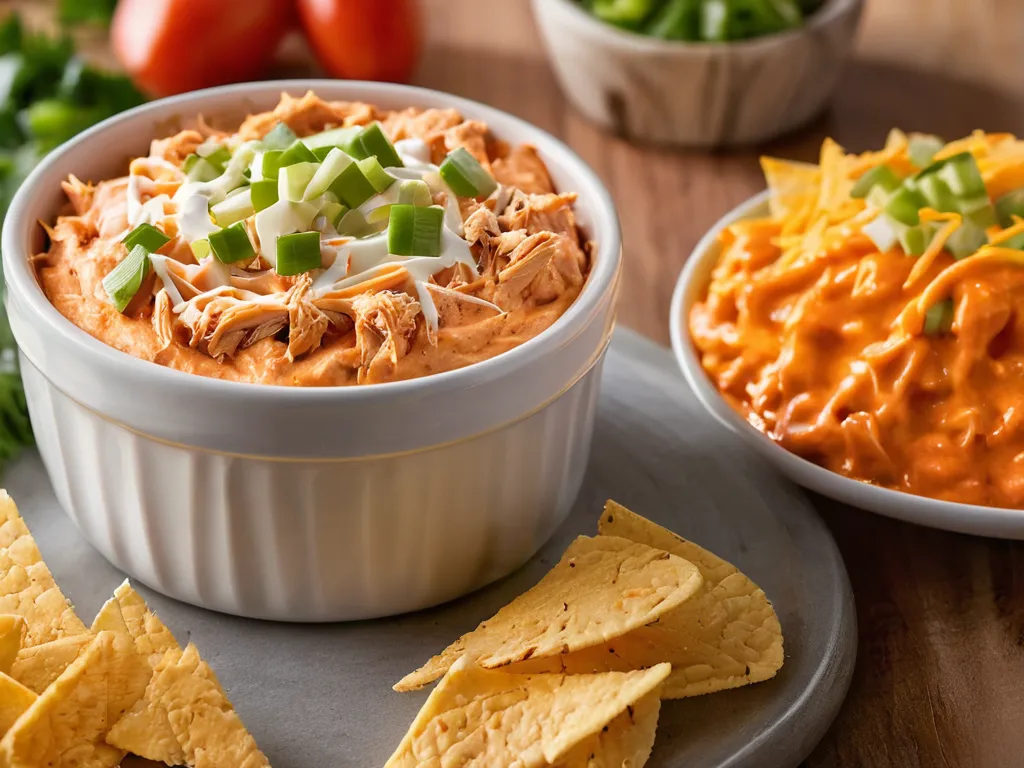
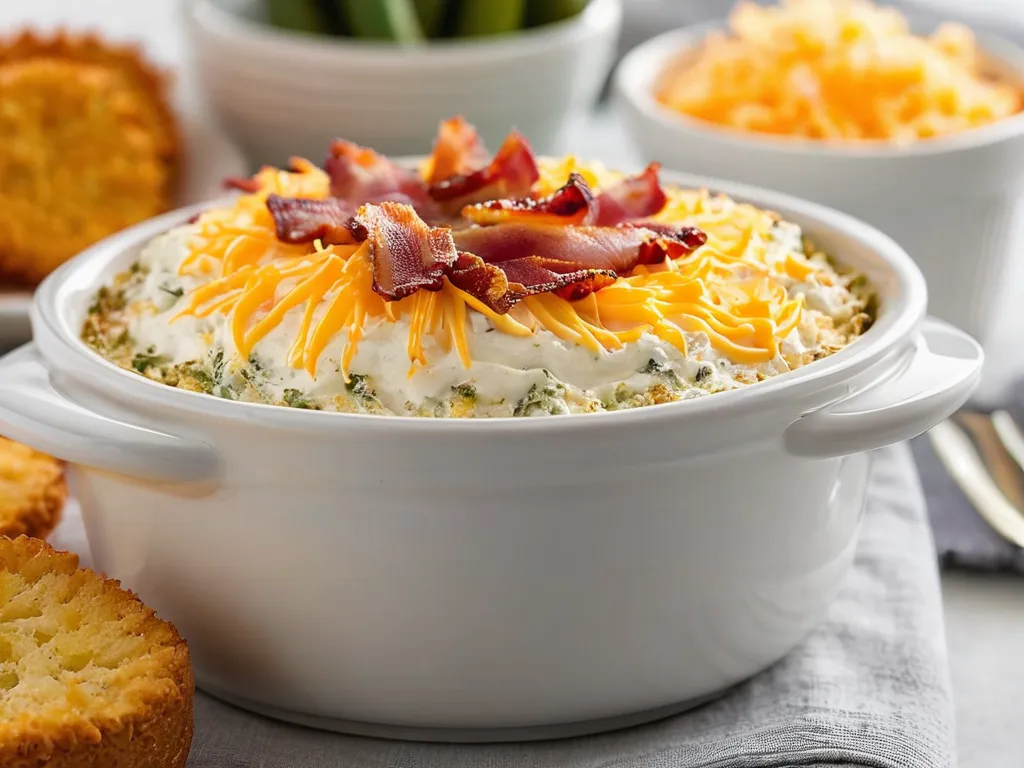
For other warm party dips in the same vein: buffalo chicken dip uses the same cream-cheese base with hot sauce and shredded chicken; jalapeño popper dip runs it in a chile direction; Chili’s white spinach queso is the fast stovetop version when you need something cheesy immediately.