

Pin It

Viral TikTok Cold Sesame Peanut Noodles (Better Than the Whole Foods Cold Bar)

Viral TikTok Cold Sesame Peanut Noodles (Better Than the Whole Foods Cold Bar)
Jump to Recipe
Prep 10 min Cook 8 min Serves 4
Quick answer: Whisk together: 3½ tablespoons soy sauce, 2 tablespoons Chinese sesame paste (or tahini), 1 tablespoon smooth peanut butter, 2 tablespoons rice vinegar, 1 tablespoon sugar, 1 tablespoon finely grated fresh ginger, 2 teaspoons minced garlic, 1–2 teaspoons chili-garlic paste, and 2 tablespoons toasted sesame oil. Set aside. Cook 1 pound fresh lo mein noodles (or 12 oz dried spaghetti) in boiling salted water per package directions, then drain and immediately rinse under cold running water for 30–45 seconds until completely chilled — this step is non-negotiable. Toss the cold noodles with the sauce until every strand is coated. Add half an English cucumber (thinly sliced or julienned), 4 thinly sliced scallions, and 1 tablespoon toasted sesame seeds. Serve immediately or refrigerate up to 2 days.

Viral TikTok Cold Sesame Peanut Noodles (Better Than the Whole Foods Cold Bar)

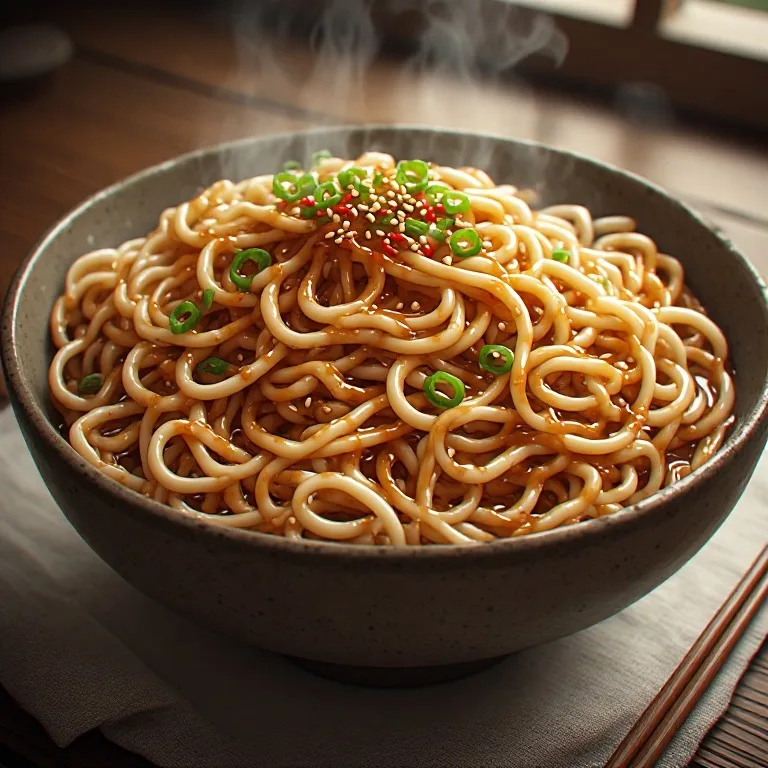
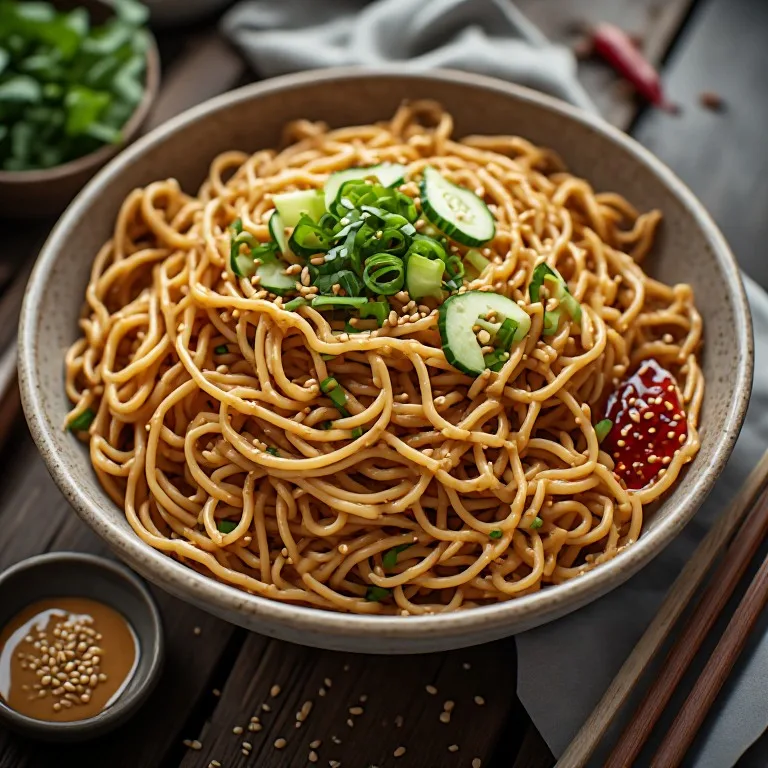
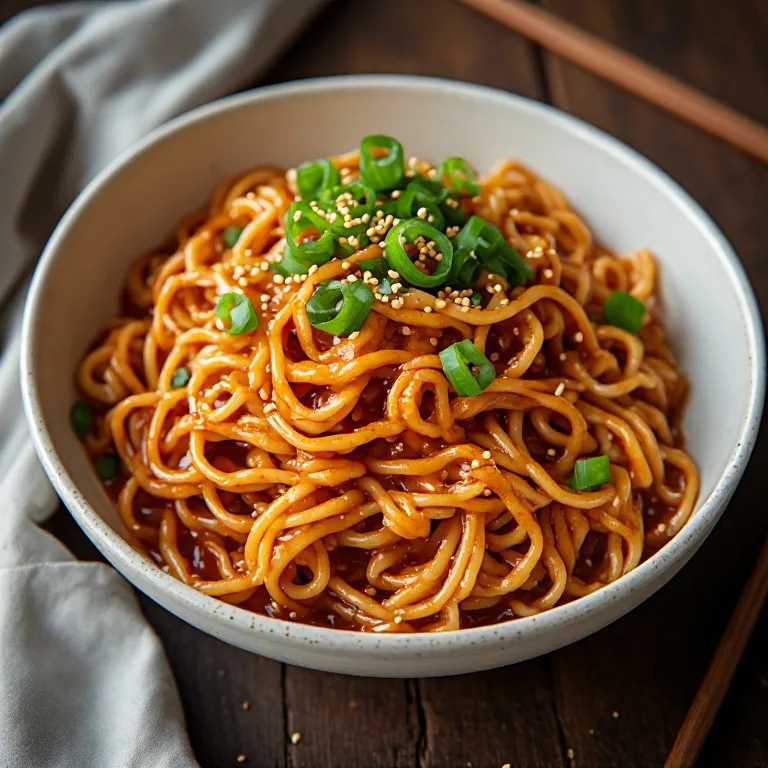
The cold sesame noodles TikTok can't stop recreating — a silky peanut-sesame sauce over cold noodles with crisp cucumber, finished in 15 minutes. The one step everyone skips (cold rinsing the noodles) is the whole trick.

Easy Prep: 10 min Cook: 8 min Total: 18 min4 servings ~$4.50/serving
Prep10 min
Cook8 min
Total18 min
Servings
4
At home~$4.50/serving
vs
Restaurant~$20.25/serving
You save ~78%

The Story Behind the Recipe

The cold sesame noodles TikTok can't stop recreating — a silky peanut-sesame sauce over cold noodles with crisp cucumber, finished in 15 minutes. The one step everyone skips (cold rinsing the noodles) is the whole trick.

Nutrition Facts

Per serving (4 servings)
Calories540
Total Fat18g
Total Carbs76g
Dietary Fiber4g
Sugars8g
Protein17g
Sodium820mg

* Estimated values based on standard recipe preparation. Actual values may vary.

Ingredients

  • Sesame-peanut sauce
  • Noodles
  • Toppings

Instructions

💡
Pro tip: This recipe tastes even better the next day. The flavors need time to meld together in the fridge.
❄️
Storage: Keeps in an airtight container in the fridge for up to 2 weeks. Freezer-friendly for up to 3 months.
🎃 Free Halloween cookbook — download now The Copycat Halloween Cookbook A ready-made, photo-illustrated PDF of our best halloween copycat recipes — free to download, no building required. Pay what you want to support if you love it.

Free PDF — instant download. We'll also send new seasonal copycat recipes now and then; unsubscribe anytime. Or just download it →

The Whole Foods cold bar sesame noodle container has been showing up in TikTok hauls for two years running. You recognize the format immediately: someone films themselves cracking the lid on a deli takeout container, twirls the noodles, and says some variation of “you have to try this.” Then someone else recreates it at home. Then someone recreates the recreation. By now, there are dozens of versions circulating, and the search volume for “cold sesame noodles” hasn’t dropped.

The reason is simple: cold sesame peanut noodles are one of those dishes that delivers genuinely restaurant-quality flavor with pantry ingredients and zero technique beyond boiling water. The sauce takes three minutes to whisk together. The noodles cook in fewer than ten minutes. The whole thing chills in the fridge and gets better overnight. And it costs about $3 per serving.

The one step that people get wrong — rinsing the noodles in cold water after draining — is also the one step that completely determines whether you get silky, separate, sauced noodles or a gummy, clumped brick. This page covers that, plus the sesame paste question, plus how to build the best version of the sauce you’ll actually make on a weeknight.

The Cold Rinse: The Step Everyone Skips

If you search “why are my sesame noodles clumping,” the answer is almost always the same: the noodles weren’t rinsed after cooking.

Hot pasta dishes specifically avoid rinsing because the surface starch helps oil-based and cream-based sauces adhere. That logic is backwards for cold noodle dishes. A sesame-peanut sauce already contains its own emulsifiers — the peanut butter and sesame paste are fat-protein mixtures that cling to the noodle surface without any starch assistance. The surface starch left on un-rinsed noodles just creates tackiness that makes the strands glue to each other instead of moving freely through the sauce.

Cold rinsing does two things simultaneously:

  1. It stops the cooking the moment you drain. Noodles sitting in their own residual heat keep cooking for another 1–2 minutes after draining — enough to push firm noodles into soft, which is the wrong texture for a cold dish. The cold water halts this instantly.
  2. It washes off the surface starch that causes clumping. After rinsing and draining, individual noodle strands slide freely and coat with sauce evenly.

This runs counter to what you’ve learned about pasta. Unlearn it for this dish. Rinse for 30–45 seconds — until the water runs clear and the noodles feel cold all the way through when you squeeze a handful.

Chinese Sesame Paste vs. Tahini: The Ingredient That Changes Everything

The sauce calls for Chinese sesame paste (芝麻酱, zhīmajiàng), and substituting tahini without adjustment is the most common version mistake.

Both are ground sesame seeds. That’s where the similarity ends.

Chinese sesame paste is made from sesame seeds that have been fully toasted — deep brown, fragrant, almost nutty-bitter — before grinding. The result is dark, dense, and intensely flavored. The color is a deep tan-to-brown, the texture is thick enough to hold its shape briefly in a spoon, and the taste is rich, slightly sweet from the caramelized sugars in the toasted seeds.

Tahini is made from sesame seeds that are raw or only lightly toasted. The color is pale — cream to very light tan — the texture is thinner and more pourable, and the flavor is more bitter and mineral. Tahini tastes like raw sesame. Chinese sesame paste tastes like deeply roasted sesame. They are different products that happen to share a category.

In this sauce, Chinese sesame paste provides most of the rich, nutty depth. Peanut butter is a supporting player — it adds body and a creamy sweetness, but the sesame paste is doing the heavy lifting on flavor.

If substituting tahini: add an extra ½ tablespoon of toasted sesame oil and reduce the peanut butter by half (the tahini’s stronger nut character compensates). The result is lighter, slightly more bitter, and still excellent — just a different dish.

Chinese sesame paste is widely available at any Asian grocery store, and increasingly at large supermarkets in the international aisle. Online, it’s readily available. It’s worth seeking out for the correct version, but the tahini substitute is legitimate if that’s what you have.

Building the Sauce

The proportions below are adapted from the New York Times Takeout-Style Sesame Noodles recipe, which has been making the rounds on TikTok since it was published and remains the most widely tested home version of this dish.

The ratios work because of how the components interact:

  • Soy sauce (3½ tbsp) is the salt and the savory base
  • Sesame paste + peanut butter (2 tbsp + 1 tbsp) are the fat and body — they emulsify the sauce and provide most of its flavor
  • Rice vinegar (2 tbsp) is the acid that cuts through the fat and brightens the whole thing
  • Sugar (1 tbsp) rounds the soy’s saltiness and the vinegar’s edge
  • Ginger + garlic (1 tbsp + 2 tsp) are the aromatics — fresh grated is significantly better than jarred for this application
  • Chili-garlic paste (1–2 tsp) adds heat; this is adjustable to taste
  • Sesame oil (2 tbsp) finishes the sauce with its signature aroma

The sauce should be whisked until cohesive — it will separate if it sits, so stir or re-whisk before using. It keeps refrigerated for 5 days.

The Whole Foods Version vs. This Version

The Whole Foods cold bar sesame noodles — the ones in the TikTok haul videos — are notably lighter than this recipe. They’re typically soba or rice noodles dressed with sesame oil, rice vinegar, soy sauce, and sliced cucumber. No peanut butter. Minimal sesame paste. The result is fresh and almost salad-like rather than rich and saucy.

This recipe is closer to Chinese-American takeout style: more sauce-forward, more intensely flavored, and more filling as a standalone meal.

To approximate the lighter Whole Foods style: use soba noodles, reduce peanut butter to 1 teaspoon, omit the sesame paste (or use just 1 teaspoon), double the cucumber, and add shredded napa cabbage. The result is a noodle salad rather than a sauced cold noodle dish — still excellent, different experience.

Toppings That Actually Matter

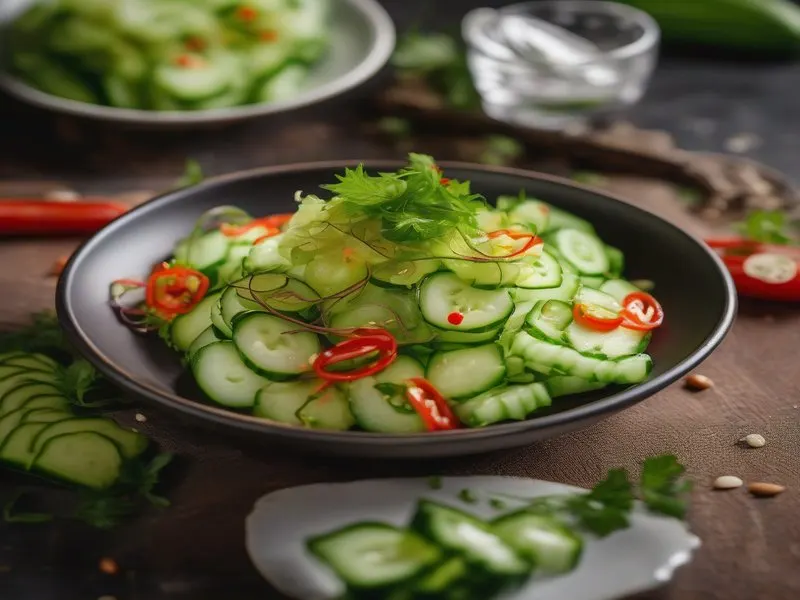
The cucumber is not decorative. Thin-sliced cucumber adds crunch, coolness, and a water content that contrasts the richness of the sauce. English cucumber (the long, thin-skinned, nearly seedless kind sold shrink-wrapped) works best because the skin is thin enough to eat and the seeds are minimal. Persian cucumbers — shorter and also thin-skinned — are an excellent swap; use three or four of them in place of half an English cucumber. If you have a mandoline, slice it paper-thin at 1/16 inch — the rounds almost melt into the noodles. Julienned cucumber (matchstick-cut) gives a crunchier, more textural result.

Scallions on the bias: slicing at a 45-degree angle instead of straight across increases the surface area of each piece, which means more flavor released per bite. It’s a small thing but it matters in a dish with this few components.

Sesame seeds: toast them in a dry pan for 2–3 minutes until just turning golden, shaking constantly. The difference between toasted and untoasted sesame seeds is significant — toasted ones have a nutty, popcorn-like aroma; raw ones taste like nothing.

Storing and Serving Leftovers

Cold sesame noodles are excellent the next day — the sauce soaks in further overnight and the flavor intensifies. The noodles will firm up and the sauce will thicken in the refrigerator.

Before serving refrigerated leftovers: take the noodles out 5–10 minutes before eating to let them come up slightly from fridge temperature, and add a splash (1–2 tablespoons) of cold water to the bowl before tossing to loosen the sauce. Don’t microwave — these are cold noodles and heating them destroys the textural contrast with the cucumber.

If storing for later, keep a portion of sauce separate and add it before eating rather than fully dressing all the noodles in advance — the noodles absorb sauce and the dressed version can get dense by day 2.
🥗

Make It Healthier

Love Viral TikTok Cold Sesame Peanut Noodles (Better Than the Whole Foods Cold Bar) but want a lighter version? Try these simple swaps:

  • ✓Use soba noodles (buckwheat) instead of lo mein — they have more protein and fiber and a deeper, nuttier flavor that pairs well with the sesame sauce.
  • ✓Reduce the sesame oil to 1 tablespoon and thin the sauce with water to keep it spreadable — you lose some richness but drop about 120 calories and 14g of fat per batch.
  • ✓Add 2 cups of shredded rotisserie chicken or sliced pan-seared tofu to turn this into a high-protein main dish without changing the recipe otherwise.
  • ✓Use coconut aminos instead of soy sauce to cut sodium by about 40% and add a slightly sweeter, less salty flavor.
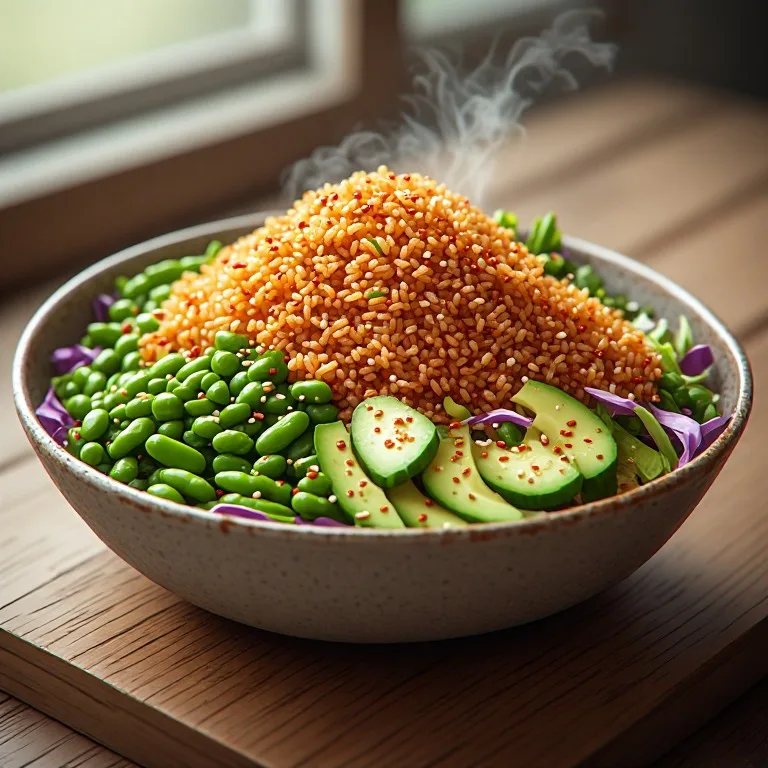
  • ✓Load up the toppings: shredded purple cabbage, julienned carrots, edamame, and snap peas all add volume, crunch, fiber, and color without meaningfully changing the calorie count.

Frequently Asked Questions

What is Chinese sesame paste and how is it different from tahini?

Chinese sesame paste (芝麻酱, zhīmajiàng) is made from toasted sesame seeds that have been deeply browned before grinding. The color is dark brown, the aroma is intensely nutty and slightly roasted, and the flavor is rich, sweet, and complex. Tahini — the Middle Eastern sesame paste — is made from raw or very lightly toasted sesame seeds and has a lighter color, a thinner consistency, and a more bitter, mineral flavor. They're both sesame paste, but the end results in a sauce are noticeably different: Chinese sesame paste produces a darker, more intensely flavored, slightly sweet sauce; tahini produces a lighter, tangier, more bitter one. Neither is wrong — they're different dishes. If you substitute tahini, add an extra half-tablespoon of toasted sesame oil and a half-teaspoon of extra sugar to approximate the roasted-seed character. Many people prefer the tahini version because it's more available in US grocery stores. Both work; just don't use raw tahini and call it a straight swap.

Why do you rinse the noodles with cold water? Won't that wash off the starch?

Rinsing with cold water is essential for cold noodle dishes. Unlike hot pasta sauces — where you specifically reserve pasta water and want surface starch to help the sauce emulsify and cling — cold sesame noodles are dressed with an oil-based sauce that already contains its own emulsifiers (peanut butter, sesame paste). The surface starch on unrinsed noodles does nothing useful here; it just makes them clump together. The cold water both shocks the noodles (halting cooking and setting the texture at the firmest point) and rinses off that excess starch, leaving each strand separate and springy. Cold-rinsed noodles toss beautifully with sauce; unrinsed ones become a gummy brick. The one exception: if you're using rice noodles, rinse more briefly — rice starch dissolves faster and the noodles can get waterlogged if over-rinsed.

Is this the Whole Foods cold bar sesame noodle recipe?

Whole Foods' cold bar sesame cucumber noodles — which keep reappearing on TikTok every few months as a 'find' — are a lighter version of this: typically soba or rice noodles dressed with sesame oil, rice vinegar, soy sauce, and sliced cucumber, without the peanut butter or sesame paste depth. This recipe is richer and more intensely flavored, closer to the Chinese-American takeout style. If you want the Whole Foods vibe specifically, use soba noodles, reduce the peanut butter to 1 teaspoon, skip the sesame paste, and double the cucumber — the result is lighter and closer to a noodle salad than a sauced dish. Both approaches are real and delicious; the TikTok trend keeps circulating both versions.

Can I use any noodle? What about spaghetti?

Yes — spaghetti and linguine work very well. The sauce was originally designed for Chinese noodles, but dried Italian pasta handles it well because the similar gluten structure gives you a chewy, springy texture after rinsing. The main difference is timing: dried pasta takes 8–10 minutes to cook while fresh Chinese noodles take 2–3. Also, dried pasta holds its shape very well when refrigerated (cold sesame noodles on day 2 made with spaghetti are still good), while fresh Chinese noodles can get slightly softer overnight. Soba (buckwheat noodles) is the most common substitute and works beautifully — nuttier, denser, with more protein and fiber. Rice vermicelli works for a gluten-free version but needs a much briefer rinse. Ramen noodles work and have a similar chew to lo mein. The one noodle to avoid: very thick fresh udon, which is too starchy and dense for a cold dish.

How do I stop the noodles from sticking together when I store leftovers?

Two strategies: (1) Toss immediately with a light drizzle of sesame oil (about 1 teaspoon) before storing — the oil coats the noodles and prevents sticking. (2) Store the sauce and noodles separately, then toss right before eating. If they've already stuck, run the noodles under cold water briefly to separate them, shake dry, and re-toss. Refrigerated sesame noodles kept this way last 2 days — after that, the noodles start breaking down in texture.

What protein can I add to make this a full meal?

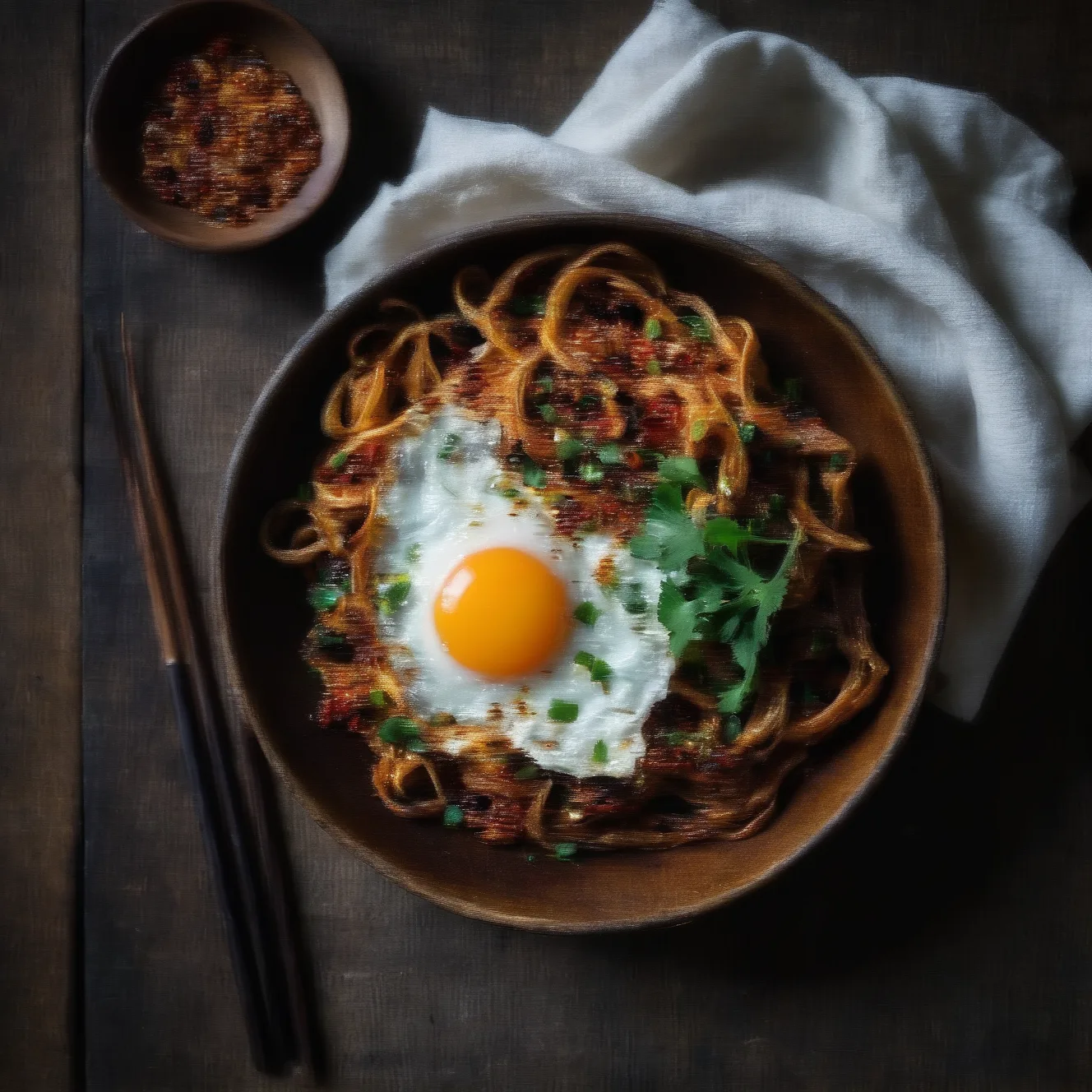
Several options work very well. Pan-seared tofu: slice extra-firm tofu into ½-inch slabs, pat completely dry, and sear in a hot cast-iron pan for 4–5 minutes per side until deeply golden — then cut into cubes and lay over the noodles. Rotisserie chicken: shred the breast and thigh meat, toss with a splash of the sesame sauce, and serve on top. Edamame: thaw frozen shelled edamame and scatter directly over — adds protein and a pop of green without cooking anything extra. Soft-boiled jammy eggs (6-minute eggs, halved): the yolk mingles into the sauce and adds richness. Poached or pan-seared shrimp: toss cooked shrimp with a little sesame oil, scallion, and a pinch of chili flakes, then pile on top. Any of these turns this into a protein-forward bowl without disrupting the noodle base.

Can I make this completely ahead for meal prep?

Yes, and it's actually one of the best make-ahead noodle dishes. The sauce keeps in the fridge for 5 days and can be made in a large batch. Cook the noodles, cold-rinse and drain well, toss with a teaspoon of sesame oil to prevent clumping, and refrigerate in an airtight container. Store sauce and noodles separately for best texture. When ready to eat, bring the noodles to room temperature for 5 minutes, pour over the sauce, toss, and add fresh toppings. The sauce may thicken in the fridge — stir in 1 tablespoon of cold water to loosen it before using.

How do I make this spicier, or dial the heat down?

Spicier: add more chili-garlic paste (start with 2 teaspoons instead of 1), or finish with a generous spoonful of Lao Gan Ma chili crisp (the crunchy kind with garlic and fermented black beans — it's worth tracking down). A few drops of Chinese chili oil also work. Milder: reduce chili-garlic paste to ½ teaspoon or omit entirely — the dish is still deeply flavorful from the sesame, ginger, and soy. Kid-friendly tip: make the sauce without chili paste, toss the noodles, then serve chili oil or chili crisp on the side so people can adjust their own bowls.

Is this gluten-free?

Not as written — soy sauce, lo mein noodles, and wonton noodles all contain gluten. To make it fully gluten-free: use tamari or coconut aminos instead of soy sauce, use rice noodles or 100% buckwheat soba (check the label — many soba noodles contain wheat flour), and verify that your sesame paste and peanut butter are processed in gluten-free facilities. With those swaps, the dish is naturally gluten-free.

Love this recipe? Share it!

Free PDF: our 12 most-wanted copycat recipes — instant download.

Made it? Buy us a coffee

Every recipe here is free, with no paywalls. If this one was a hit at your table, a small tip keeps new copycats coming.

$

Ratings & Reviews

—
No ratings yet

Rate this recipe

Click a star to rate

Leave a Review

0/500

CS

Copycat Spices Editorial

Researched + fact-checked. Every recipe on Copycat Spices is built from published sources — official ingredient lists, brand-published recipes, interviews and food-science references — and fact-checked before it goes live, then written as clear, step-by-step instructions for home cooks of all skill levels.

Learn more about our mission →