


Pin It

Viral TikTok Gyros Recipe — Crispy Gyro Meat at Home Without a Rotisserie

Viral TikTok Gyros Recipe — Crispy Gyro Meat at Home Without a Rotisserie
Jump to Recipe
Prep 20 min Cook 20 min Serves 4
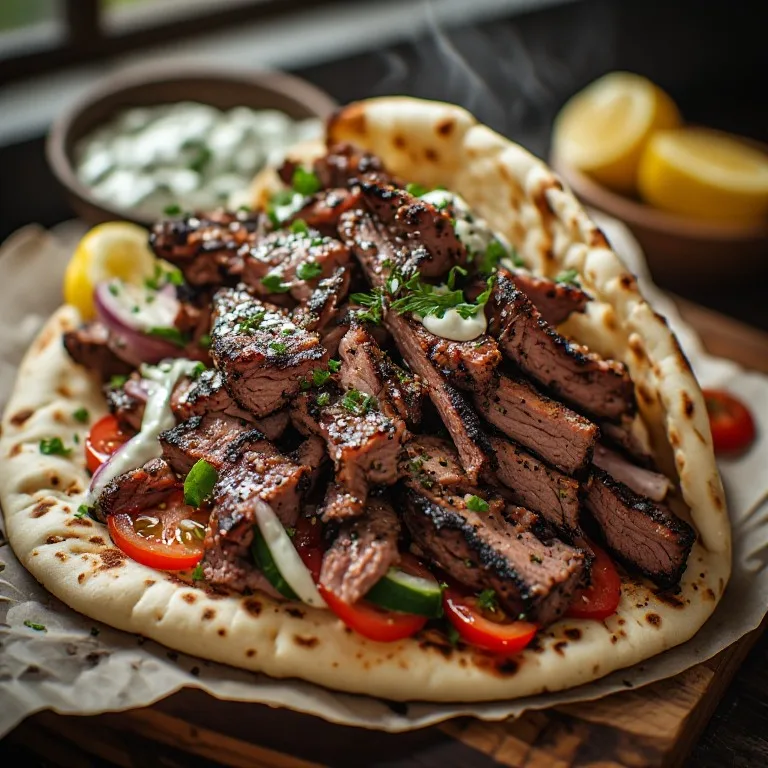
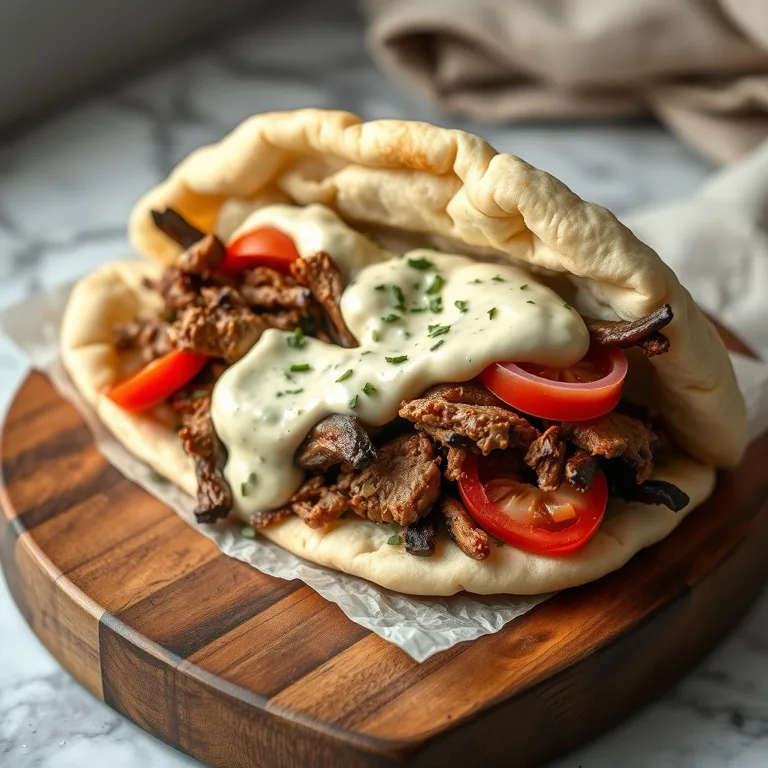
Quick answer: Mix 2 lbs 80/20 ground beef with a grated onion (moisture squeezed), 4 minced garlic cloves, 2 tsp dried oregano, 1½ tsp paprika, 1 tsp cumin, 1 tsp salt, ½ tsp black pepper, and ½ tsp dried thyme. Divide into 4 portions. Press each portion thin (about ¼ inch) between two sheets of parchment paper. Bake on a rimmed sheet pan at 400°F for 12–15 minutes. Peel off the top parchment, tear the meat into rough strips and shards, and broil on HIGH for 3–5 minutes until the edges are dark, crispy, and slightly charred — this is what gives you the spit-roast texture. Serve in warm thick Greek pita with tzatziki, sliced tomato, and thinly sliced red onion.

Viral TikTok Gyros Recipe — Crispy Gyro Meat at Home Without a Rotisserie

The viral TikTok gyros recipe: season ground beef with oregano, cumin, and paprika, press thin on parchment, bake at 400°F, tear into shards, and broil until the edges crisp like a real rotisserie. Full tzatziki and pita assembly.

Easy Prep: 20 min Cook: 20 min Total: 40 min4 servings ~$4.50/serving
Prep20 min
Cook20 min
Total40 min
Servings
4
At home~$4.50/serving
vs
Restaurant~$20.25/serving
You save ~78%

The Story Behind the Recipe

Gyros is one of the most beloved street foods in Greece — and one of the hardest to replicate at home because the real thing is cooked on a vertical spit, basting in its own fat as it rotates for hours. The meat that falls off the spit has a specific texture: tender inside with crispy, slightly charred edges. No home cook has a rotisserie, so for decades the best you could do was pan-fried sliced loaf, which is fine but not quite the same. The parchment paper method that went viral on TikTok in 2024–2025 changes that. Press the seasoned meat thin, bake it through, tear it into rough strips, and broil until the edges char and curl. The irregular surface area is the key — those jagged edges crisp up under the broiler the way the outer layer of spit meat does. At a Greek restaurant or street cart, a gyros wrap costs $12–$16 in a major city. A full batch (4 wraps) at home runs about $18–$22 in ingredients, roughly $4.50–$5.50 per wrap.

The flavor backbone of a proper gyros is dried oregano — far more than you think — and a grated onion squeezed completely dry so the meat holds together without steaming. What trips up most home recipes is using too little oregano (it should be aggressive) or skipping the moisture-removal step (wet onion makes the meat crumble rather than press into a solid sheet). The tzatziki matters just as much as the meat: Greek yogurt, grated cucumber squeezed dry, fresh garlic, lemon, and dill. Make it first so the flavors can develop while the meat cooks.

Nutrition Facts

Per serving (4 servings)
Calories480
Total Fat20g
Total Carbs38g
Dietary Fiber3g
Sugars4g
Protein34g
Sodium720mg

* Estimated values based on standard recipe preparation. Actual values may vary.

Ingredients

  • For the gyros meat
  • For the tzatziki
  • For assembly

Instructions

💡
Pro tip: This recipe tastes even better the next day. The flavors need time to meld together in the fridge.
❄️
Storage: Keeps in an airtight container in the fridge for up to 2 weeks. Freezer-friendly for up to 3 months.
🎃 Free Halloween cookbook — download now The Copycat Halloween Cookbook A ready-made, photo-illustrated PDF of our best halloween copycat recipes — free to download, no building required. Pay what you want to support if you love it.

Free PDF — instant download. We'll also send new seasonal copycat recipes now and then; unsubscribe anytime. Or just download it →

The Viral TikTok Gyros Recipe — Crispy Gyro Meat at Home Without a Rotisserie

The viral TikTok gyros recipe solves the one problem that has always made homemade gyros frustrating: you cannot replicate the crispy, slightly charred outer layer of spit-roasted meat without a rotisserie. The parchment paper method that took over FoodTok changes that. Press seasoned ground beef thin, bake it through, tear it into rough shards, and broil until the jagged edges char and crisp exactly the way the outermost layer of real gyros meat does. Total time: under 40 minutes. Equipment needed: a sheet pan, parchment paper, and a broiler.

The result is tender in the center, crispy and charred at the edges, loaded with oregano and garlic, and indistinguishable from what comes off the spit at a real Greek street cart — for about $4.50 a wrap versus $12–$16 at a restaurant.

Why the parchment method beats the loaf-pan method

The old standard for homemade gyros is a loaf pan: blend the seasoned meat into a paste, bake it as a solid loaf, chill it overnight, then slice and pan-fry each slice. It works, but every piece comes out the same flat, uniform shape — you never get the ragged, crispy-edged texture that defines real spit meat.

The parchment method wins on texture because tearing the baked sheet into irregular shards creates dozens of thin, jagged edges, and those edges are what char and crisp under the broiler. More exposed surface area means more crunch. It’s also faster: about 35 minutes start to finish versus the loaf method’s hour-plus bake and multi-hour chill. If you want to go deeper on the meat itself — including a lamb-and-beef version that tastes closest to a Greek diner — see our dedicated viral TikTok gyro meat guide. The same broiler-char logic also drives our chicken shawarma and Greek chicken gyro wrap.

The two moves that make or break it

Both mistakes people make are about water. First, the grated onion must be squeezed completely dry — wet onion keeps the meat from binding into a pressable sheet and steams it in the oven instead of letting it brown. Second, the grated cucumber in the tzatziki has to be wrung out hard, or the sauce turns watery within minutes and soaks through the pita. Squeeze both aggressively — you’ll be surprised how much liquid comes out — and everything else falls into place.
Frequently Asked Questions

What is the viral TikTok gyros recipe and how is it different from a regular gyros recipe?

The viral TikTok gyros recipe uses a parchment paper press-and-broil method to replicate the crispy-edged, charred texture of real spit-roasted gyros without any special equipment. Standard homemade gyros recipes use a loaf pan: press seasoned ground meat into a loaf, bake, chill overnight, then slice and pan-fry each slice. That method is good but produces fairly uniform pieces. The TikTok parchment method presses the meat thin, bakes it flat, tears it into irregular shards with jagged edges, then broils it — and those jagged edges crisp and char under the broiler the same way the outermost layer of spit meat does. It also takes about 35 minutes total versus the loaf method's 1-hour bake plus 2-hour chill. The flavor is identical; the texture advantage goes to the parchment method.

What kind of meat is authentic for gyros — beef, lamb, or pork?

It depends on country and context. In Greece, street gyros is almost always pork — pork shoulder marinated and stacked on a spit. In the United States and much of the diaspora, the standard gyros meat is a beef-and-lamb blend, seasoned with oregano and spices, which is the style most Americans recognize from Greek diners and food carts. For the TikTok parchment method, ground beef (80/20) is the most practical home version because ground lamb can be harder to find and more expensive. A 50/50 ground beef and ground lamb blend gives the closest flavor to diner-style gyros. All-beef is a valid and popular choice that still produces excellent results.

Can I make the gyros meat ahead of time?

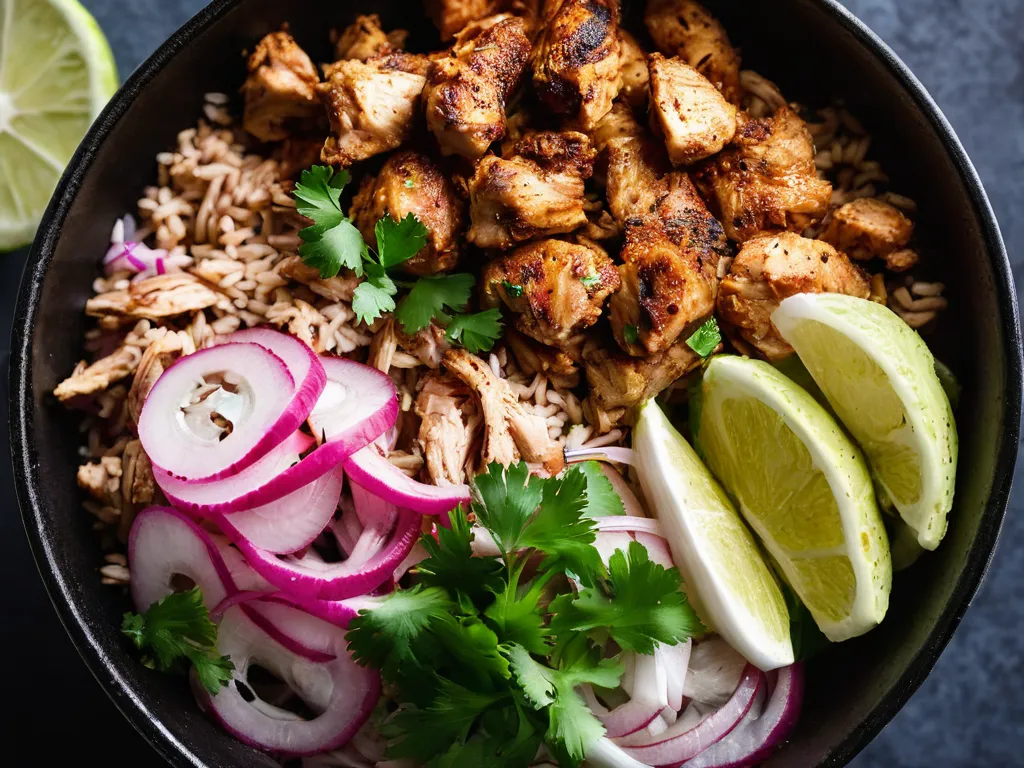
Yes, and it reheats well. The pressed and broiled meat shards can be refrigerated for up to 4 days or frozen for up to 2 months. To reheat: spread in a single layer on a sheet pan and run under the broiler for 2 to 3 minutes until the edges re-crisp. A skillet over high heat also works — 1 to 2 minutes per side in a dry pan. Avoid the microwave if you want the crispy edges; it steams the meat instead of crisping it. Make the tzatziki and prep the vegetables fresh. Tip: the meat is also excellent as a bowl base over rice or salad greens with tzatziki — you don't have to serve it as a wrap.

What is the difference between gyros and shawarma?

Both are spit-roasted meats served in flatbread with sauces and vegetables, but the flavor profiles and assembly differ. Gyros (Greek) typically uses pork or beef-lamb blend, seasoned with oregano, cumin, and paprika, served in thick Greek pita with tzatziki (yogurt-cucumber-garlic-dill sauce), tomato, and onion. Shawarma (Middle Eastern, specifically from Levantine tradition) uses chicken or beef-lamb, seasoned with a broader warm spice blend including cinnamon, allspice, cardamom, and turmeric, served in thin flatbread or pita with tahini or toum (garlic sauce), pickles, and sometimes fries. The spit-roasting technique is the same. The main practical difference for home cooks: tzatziki vs. tahini/toum, and oregano-forward vs. warm-spice-forward seasoning.

Why do you need to squeeze moisture out of both the onion and cucumber?

Two different reasons. For the onion in the gyros meat: if the grated onion is wet, the meat mixture won't press into a cohesive thin sheet — it will be too loose, tear when you try to transfer it, and steam in the oven instead of browning properly. The squeezed onion adds flavor and helps bind the mixture without adding liquid. For the cucumber in the tzatziki: cucumber is mostly water. Unsqueezed grated cucumber will make the tzatziki watery within 15 minutes, and watery tzatziki soaks through the pita and makes the whole wrap fall apart. Squeeze the cucumber aggressively — you can extract surprisingly large amounts of water — and the tzatziki will hold its thick, creamy texture for hours.

Love this recipe? Share it!

Free PDF: our 12 most-wanted copycat recipes — instant download.

Made it? Buy us a coffee

Every recipe here is free, with no paywalls. If this one was a hit at your table, a small tip keeps new copycats coming.

$

Ratings & Reviews

—
No ratings yet

Rate this recipe

Click a star to rate

Leave a Review

0/500

CS

Copycat Spices Editorial

Researched + fact-checked. Every recipe on Copycat Spices is built from published sources — official ingredient lists, brand-published recipes, interviews and food-science references — and fact-checked before it goes live, then written as clear, step-by-step instructions for home cooks of all skill levels.

Learn more about our mission →