


Pin It

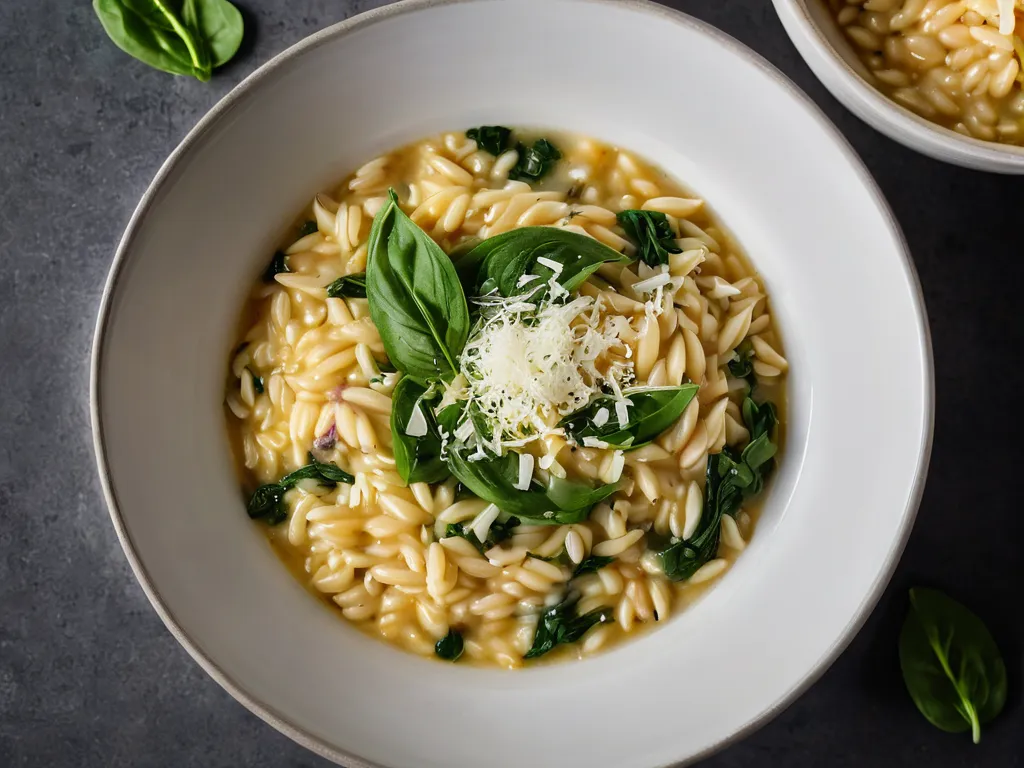
Viral TikTok Lemon Orzo — Creamy, Bright, and Done in 20 Minutes

Viral TikTok Lemon Orzo — Creamy, Bright, and Done in 20 Minutes
Jump to Recipe
Prep 5 min Cook 20 min Serves 4
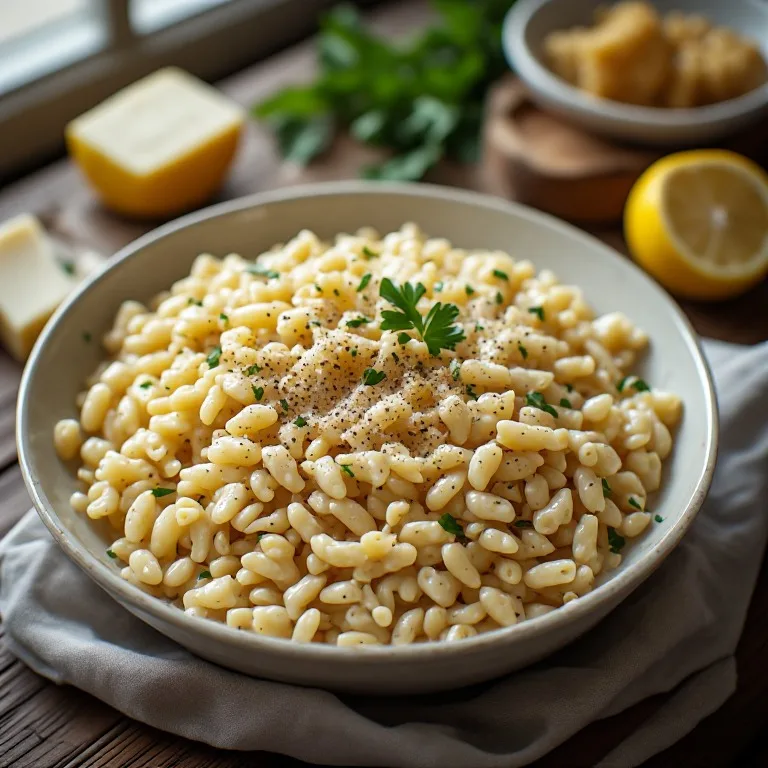
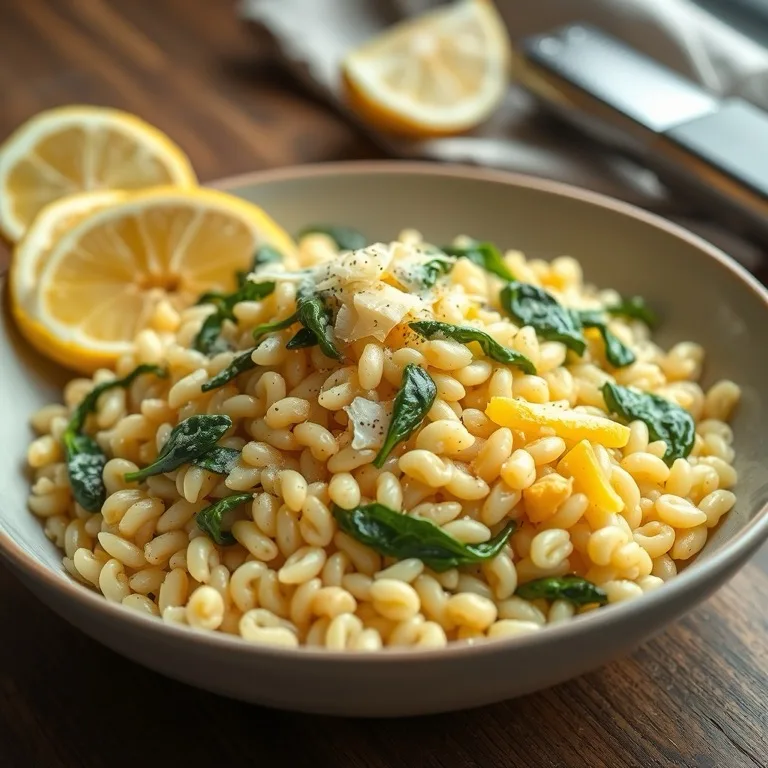
Quick answer: Melt 2 tablespoons butter in a large skillet over medium heat. Sauté 4 minced garlic cloves for 60 seconds. Add 1½ cups dry orzo and toast 2 minutes, stirring, until it smells nutty. Pour in 3 cups chicken or vegetable broth. Bring to a boil, reduce to a steady simmer, and cook uncovered 10–12 minutes — stirring every few minutes — until the broth is mostly absorbed and the orzo is tender with a slight bite. Remove from heat. Stir in 1 tablespoon butter, zest of 2 lemons, juice of 1½ lemons, ¾ cup freshly grated parmesan, and 3 cups baby spinach. Stir vigorously for 60 seconds until the spinach wilts, the parmesan melts into a glossy sauce, and the lemon is fully incorporated. Season with salt and black pepper. Serve immediately.

Shop the tools

Gear matched to this recipe. These are Amazon affiliate links — we may earn a small commission if you buy, at no extra cost to you.

As an Amazon Associate, Copycat Spices earns from qualifying purchases. Product images are generic illustrations, not the exact item listed.

Viral TikTok Lemon Orzo — Creamy, Bright, and Done in 20 Minutes

The viral TikTok lemon orzo recipe: toast orzo in butter, cook risotto-style in broth, then finish off heat with lemon zest, lemon juice, parmesan, and spinach. Creamy without cream, bright without being tart. Full technique.

Easy Prep: 5 min Cook: 20 min Total: 25 min4 servings ~$4.50/serving
Prep5 min
Cook20 min
Total25 min
Servings
4
At home~$4.50/serving
vs
Restaurant~$20.25/serving
You save ~78%

The Story Behind the Recipe

Lemon orzo hit TikTok in 2023 and never left the algorithm. Food creators — particularly those in the "easy weeknight dinners that look restaurant-worthy" lane — posted video after video of a single pan producing something vibrant and creamy with almost no effort. The appeal is specific: orzo cooks risotto-style in broth, releasing starch into a naturally silky sauce, and the lemon finish cuts through the richness in a way that cream-heavy pasta never does. You end up with something that feels both indulgent and light — which is the exact recipe profile that earns millions of saves. A bowl of lemon orzo at a Mediterranean-leaning restaurant like Cava or Tender Greens runs $14–$17. A full batch at home feeding four people costs $5–7 in ingredients.

The technique that most home cooks miss: lemon has two distinct flavor compounds that must be added at different stages. Lemon zest contains aromatic oils that develop in heat — add it during the last minute of cooking so the oils release into the sauce without turning bitter. Lemon juice is volatile acid — add it off heat, after the pan is fully removed from the burner. Juice added to a hot pan goes flat and loses its bright, citrusy punch within 30 seconds. This two-stage addition is what separates a genuinely lemon-forward dish from one that just tastes vaguely citrusy. The second technique is parmesan: grate it fresh from a block. Pre-grated parmesan is coated in anti-caking agents that prevent clean melting and make the sauce grainy.

Nutrition Facts

Per serving (4 servings)
Calories410
Total Fat14g
Total Carbs57g
Dietary Fiber2g
Sugars3g
Protein14g
Sodium660mg

* Estimated values based on standard recipe preparation. Actual values may vary.

Ingredients

  • Optional but good

Instructions

💡
Pro tip: This recipe tastes even better the next day. The flavors need time to meld together in the fridge.
❄️
Storage: Keeps in an airtight container in the fridge for up to 2 weeks. Freezer-friendly for up to 3 months.
🎃 Free Halloween cookbook — download now The Copycat Halloween Cookbook A ready-made, photo-illustrated PDF of our best halloween copycat recipes — free to download, no building required. Pay what you want to support if you love it.

Free PDF — instant download. We'll also send new seasonal copycat recipes now and then; unsubscribe anytime. Or just download it →

Viral TikTok Lemon Orzo — Creamy, Bright, and Done in 20 Minutes

Prep: 5 min | Cook: 20 min | Serves: 4 | Cost: ~$6–7 for the batch

Lemon orzo became one of the most-saved recipes on TikTok because it solves a specific weeknight problem: you want something that feels elevated and restaurant-quality but takes less than 30 minutes and uses one pan. Orzo, cooked directly in broth rather than pasta water, releases its starch into the liquid and creates a naturally silky sauce — no cream required. The lemon finish gives it a brightness that heavier pasta dishes never have. The result looks like something you’d pay $16 for at a Mediterranean restaurant, and it genuinely takes 20 minutes.

The recipe works because of two distinct lemon techniques used at two different moments. Both are explained step by step below, along with the liquid ratio, how to add protein, and how to get the parmesan sauce silky rather than grainy.

Why Lemon Orzo Went Viral (The Actual Reason)

The dish ticks every box that makes a recipe succeed on TikTok. It’s visual — the bright yellow lemon zest against green spinach in a pale, creamy sauce photographs well. It’s fast — 20 minutes from cold pan to table. And it has a satisfying technique reveal: the moment when you stir in the parmesan and the brothy cooking liquid transforms into something glossy and sauce-like in under a minute.

But the reason it keeps getting resaved isn’t the aesthetics — it’s that the flavor is genuinely surprising for how simple the ingredient list is. The orzo absorbs broth the way risotto rice absorbs stock, so every piece is infused with flavor rather than just coated with sauce. The lemon is bright and vivid because it’s added off heat, not cooked into blandness. And parmesan added off heat melts into something silky rather than stringy.

Food creators like Nara Smith, Wishbone Kitchen, and dozens of others helped spread the format across 2023 and 2024, each putting their own spin on the lemon-orzo base. The dish stayed viral because it actually delivers on what the videos promise.

Two Lemons, Two Techniques

This is the most important section of the recipe. Lemon has two flavor components that behave differently under heat:

Lemon zest contains aromatic oils — limonene and other volatile compounds — that are fat-soluble and relatively heat-stable. Adding zest during cooking allows those oils to bloom into the buttery, starchy sauce and become part of the flavor base. You get a deep, rounded lemon character, not a sharpness. Add the zest in the final minute of cooking, while the pan is still on the heat.

Lemon juice is primarily citric acid dissolved in water — bright, sharp, vivid. Citric acid is heat-volatile: it evaporates off quickly when exposed to high temperature. If you add lemon juice to a hot pan and cook it even for 30 seconds, the bright acidity you wanted is mostly gone. The result tastes dull and flat. Add the juice strictly off heat — pan completely removed from the burner — where it stays vivid indefinitely in the warm (but not cooking) sauce.

Using both: zest during cooking for aromatic depth, juice off heat for vivid brightness. This is the combination that makes lemon orzo taste intensely lemony rather than mildly citrusy.

The Liquid Ratio

The single technical decision that determines success: how much broth to use.

  • 1 cup orzo : 2 cups broth — pasta-style result. Orzo is tender with a slight bite; most broth is absorbed; the starch forms a glossy sauce. This recipe (1.5 cups orzo : 3 cups broth) follows this ratio.
  • 1 cup orzo : 2.5 cups broth — looser, more risotto-like. More sauce per bite, better for reheating the next day because the extra liquid is absorbed as the orzo sits and thickens.

Both work. The first is better for eating immediately; the second holds better if you’re making it in advance or serving it buffet-style.

If the orzo absorbs all the liquid before it’s fully tender: add broth 2 tablespoons at a time. If there’s too much liquid left when the orzo is done: cook uncovered one more minute to reduce. These are easy mid-course corrections.

What Parmesan Does (And Why Pre-Grated Fails)

Parmesan performs two jobs in lemon orzo: it adds salt and umami flavor, and it emulsifies into the starchy cooking liquid to create the sauce’s body. The starch from the orzo has already thickened the liquid; parmesan thickens it further while adding fat and protein that make the sauce cling to each piece of orzo rather than pooling at the bottom of the pan.

This emulsification process only works with freshly grated parmesan. Pre-grated parmesan from a bag or shaker is coated in cellulose anti-caking powder — a fine starch that prevents the cheese from clumping in the bag but also prevents it from melting cleanly when it hits a hot liquid. Instead of melting into a smooth sauce, pre-grated parmesan forms small clumps and a slightly grainy texture. The dish is still good, but it’s notably less smooth. Grate it fresh from a block using the large-hole side of a box grater.

Adding Protein

Lemon orzo as written is a complete vegetarian main or a substantial side. Four proteins work well:

Chicken thighs: Cut into 1-inch pieces and sear in the pan before starting the orzo — 5 minutes over medium-high until cooked through. Set aside on a plate. Start the orzo in the same pan using the chicken fond as flavor base. Return the chicken for the last 2 minutes of simmering. Thighs stay juicy even if slightly overcooked; chicken breast dries out more quickly.

Shrimp: Add large peeled, deveined shrimp directly into the simmering orzo in the last 3 to 4 minutes of cooking. They turn opaque and pink in exactly the time it takes the orzo to finish. The natural sweetness of shrimp works exceptionally well against the lemon.

Salmon: Cook a salmon fillet separately (3–4 minutes per side in a hot pan) and flake over the finished orzo. Salmon breaks apart too easily to stir into simmering liquid without becoming paste. The richness of the fish against the bright lemony orzo is a classic combination.

White beans: Add a drained and rinsed 15-oz can of cannellini beans with the broth. They warm through in the same time the orzo cooks, add about 8g of protein and 6g of fiber per serving, and blend in so naturally that the dish doesn’t read as “bean-heavy.” This is the best option for keeping the dish vegetarian while making it more filling.

Five Variations Worth Trying

Greek-style: Swap the parmesan for crumbled feta (add off heat). Add ¼ cup kalamata olives and 1 teaspoon dried oregano with the garlic. Finish with fresh dill. This reads as more Greek than Italian and is excellent served warm or at room temperature.

Lemon and asparagus: Cut 1 bunch of asparagus into 1-inch pieces. Add them 3 minutes before the orzo finishes cooking — they cook through in exactly the time left. The slight bitterness of asparagus pairs beautifully with the lemon. Classic spring combination.

Lemon and pea: Add 1 cup frozen peas in the last 60 seconds of cooking (they defrost and warm through instantly). Peas add sweetness that softens the lemon’s acidity. Finish with fresh mint instead of basil.

Mushroom and lemon: Sauté 2 cups sliced cremini or shiitake mushrooms in the same pan before the garlic — 6 to 7 minutes until properly browned. The earthy, umami depth of well-browned mushrooms against bright lemon is a combination that makes this feel more substantial and complex than a simple pasta dish.

Boursin variation: Replace both the parmesan and the butter (final tablespoon) with one 5.2-oz wheel of Boursin Garlic & Fine Herbs, added off heat. It melts within seconds into the warm orzo. The Boursin adds garlic and herby richness; reduce the lemon juice slightly (3 tablespoons instead of 4) since Boursin is already seasoned. This is the richest version.

Common Mistakes

Adding the lemon juice too early. The most common. Pull the pan completely off the burner before the juice goes in. See “Two Lemons, Two Techniques” above.

Using pre-grated parmesan. Produces a grainy sauce rather than a silky one. Grate fresh from a block.

Not stirring frequently enough. Orzo sticks to the pan bottom while simmering. Stir every 2 to 3 minutes. A few stuck pieces aren’t catastrophic, but a lot of stuck orzo means uneven cooking and a scorched smell.

Serving too late. Orzo thickens dramatically as the starch gels and cools. Serve within 5 minutes of finishing, or add a splash of warm broth to loosen it back up before plating.

Adding spinach on the heat. Spinach added to a hot pan turns army-green and slightly metallic within 60 seconds. Add it off heat, in the residual warmth of the pan.

Storage and Reheating

Lemon orzo keeps in the fridge for up to 3 days, but the flavor is best the day it’s made — the lemon brightness fades slightly with time. Store with an extra 3 to 4 tablespoons of broth stirred in; the orzo absorbs this as it sits and the extra liquid helps it reheat to a saucy consistency rather than a brick.

To reheat: add 3 to 4 tablespoons of broth to a pan over medium-low, add the cold orzo, and stir gently until it loosens and heats through — 2 to 3 minutes. Taste and add a small squeeze of fresh lemon juice before serving to restore the brightness that faded in the fridge.

Cost Comparison

A full batch for four people runs $6 to $7 at home — under $2 per serving. A lemon orzo bowl at a Mediterranean fast-casual restaurant (Cava, Sweetgreen with orzo, or similar) costs $13 to $17. A sit-down restaurant version with protein typically runs $18 to $24.

For the closest cousins in technique, the Viral TikTok Creamy One-Pot Orzo uses the same risotto-style method with sun-dried tomatoes and cream cheese for a richer, more savory profile. The Viral TikTok Creamy Lemon Pasta uses a different pasta format with a lemon-parmesan sauce built from pasta water. For the most garlic-forward orzo variation, Viral TikTok Garlic Parmesan Orzo builds on the same base with a heavier garlic and parmesan focus. For a lemon-adjacent dish with Mediterranean flavors, Viral TikTok Marry Me Orzo adds sun-dried tomatoes, cream, and a more complex spice profile to the same format.

🥗

Make It Healthier

Love Viral TikTok Lemon Orzo — Creamy, Bright, and Done in 20 Minutes but want a lighter version? Try these simple swaps:

  • ✓Use vegetable broth to keep the dish fully vegetarian without changing the flavor significantly.
  • ✓Skip the heavy cream entirely — the orzo starch creates a naturally creamy sauce, and the cream is optional. Removing it saves about 50 calories per serving.
  • ✓Double the spinach (6 cups) — it wilts down to almost nothing and adds iron, folate, and vitamin K without changing the dish's character.
  • ✓Whole wheat orzo adds 3–4g more fiber per serving and has a nuttier flavor that complements the lemon and parmesan well.
  • ✓Add a 15-oz can of drained, rinsed white beans (cannellini) with the broth for 8g extra protein and fiber per serving. They warm through in the same time the orzo cooks.

Frequently Asked Questions

What makes viral TikTok lemon orzo different from regular lemon pasta?

Two things. First, lemon orzo cooks the pasta directly in broth rather than salted water — the orzo releases starch into the broth, turning it into a naturally silky sauce without adding cream. Regular lemon pasta relies on reserved pasta water and olive oil to build the sauce, which gives a thinner result. Second, the orzo format creates a tighter, more cohesive dish where every bite has broth-infused orzo coated in the lemon-parmesan sauce, rather than long strands that pool sauce at the bottom of the bowl. The TikTok version specifically popularized the two-stage lemon technique — zest added near the end of cooking for aromatic depth, juice added strictly off heat for bright acidity — which is what makes the lemon flavor vivid rather than flat.

How do I get maximum lemon flavor without making the orzo too tart?

The key is separating the lemon into two components and treating them differently. Lemon zest contains lemon oils that are heat-stable and add floral, aromatic lemon flavor — add zest during the last minute of cooking so the heat releases the oils into the sauce. Lemon juice is volatile citric acid — it tastes bright and sharp when fresh but goes flat the moment it hits high heat and cooks for more than a few seconds. Add all the juice off heat, after the pan is completely off the burner. Using this method, you get aromatic lemon depth from the zest and vivid bright acidity from the juice — the combination reads as 'intensely lemon' without tipping into sour. If the finished dish is too tart, stir in a small pinch of sugar or a half-tablespoon of butter off heat; it softens the acid immediately.

Can I make lemon orzo without heavy cream?

Yes — the heavy cream is listed as optional for a reason. Orzo cooked in broth releases starch that turns the cooking liquid silky on its own. Parmesan and butter (the final tablespoon added off heat) provide richness and emulsify the sauce further. Most TikTok lemon orzo recipes are cream-free. The version without cream is lighter and the lemon flavor comes through more cleanly; the version with cream is richer and more filling. Both are correct. If you want the creamiest possible result without heavy cream, stir in 2 tablespoons of mascarpone or full-fat cream cheese off heat instead — similar richness with a slight tang.

What protein goes well with lemon orzo?

Four proteins work particularly well. Pan-seared chicken thighs — season with salt, pepper, and garlic powder, sear 5 minutes per side in the same pan before starting the orzo (the fond left behind adds flavor to the dish), then slice and serve on top. Pan-seared salmon — cook separately (3–4 minutes per side) and flake over the finished orzo; the richness of salmon against the bright lemon is a classic pairing. Large shrimp — add them to the simmering orzo in the last 3 to 4 minutes of cooking; they turn pink and opaque exactly when the orzo finishes. Crispy chickpeas — drain a 15-oz can, pat dry, toss with olive oil and salt, roast at 425°F for 20–25 minutes until crispy, and scatter over the top; this keeps the dish vegetarian and adds protein and crunch.

Why does my lemon orzo taste flat on the lemon?

Almost always because the lemon juice was added to the hot pan. Citric acid is volatile — it cooks off quickly when heated. If you stir lemon juice into simmering or hot broth, the bright acidity evaporates within 30 to 60 seconds and leaves a flat, vaguely citrusy flavor rather than a vivid lemon finish. The fix: remove the pan completely from the heat before adding the juice. Off heat, the acidity stays bright and vivid rather than cooking away. The same principle applies to vinegar-dressed hot pasta salads — always dress off heat.

Can I make lemon orzo ahead of time?

The base — orzo cooked in broth, before adding the lemon, parmesan, and spinach — keeps in the fridge for up to 3 days. Store it with 3 to 4 tablespoons of extra broth stirred in (it will thicken significantly as it cools). To finish: reheat in a pan over medium-low with a splash of broth until loosened, then pull off heat and add the lemon zest, juice, parmesan, and fresh spinach as if cooking fresh. Do not try to make the fully finished dish ahead — the lemon juice flavor fades and the spinach goes limp. For serving at a gathering, you can keep the base warm on low heat and finish it off heat per serving.

Love this recipe? Share it!

Free PDF: our 12 most-wanted copycat recipes — instant download.

Made it? Buy us a coffee

Every recipe here is free, with no paywalls. If this one was a hit at your table, a small tip keeps new copycats coming.

$

Ratings & Reviews

—
No ratings yet

Rate this recipe

Click a star to rate

Leave a Review

0/500

CS

Copycat Spices Editorial

Researched + fact-checked. Every recipe on Copycat Spices is built from published sources — official ingredient lists, brand-published recipes, interviews and food-science references — and fact-checked before it goes live, then written as clear, step-by-step instructions for home cooks of all skill levels.

Learn more about our mission →